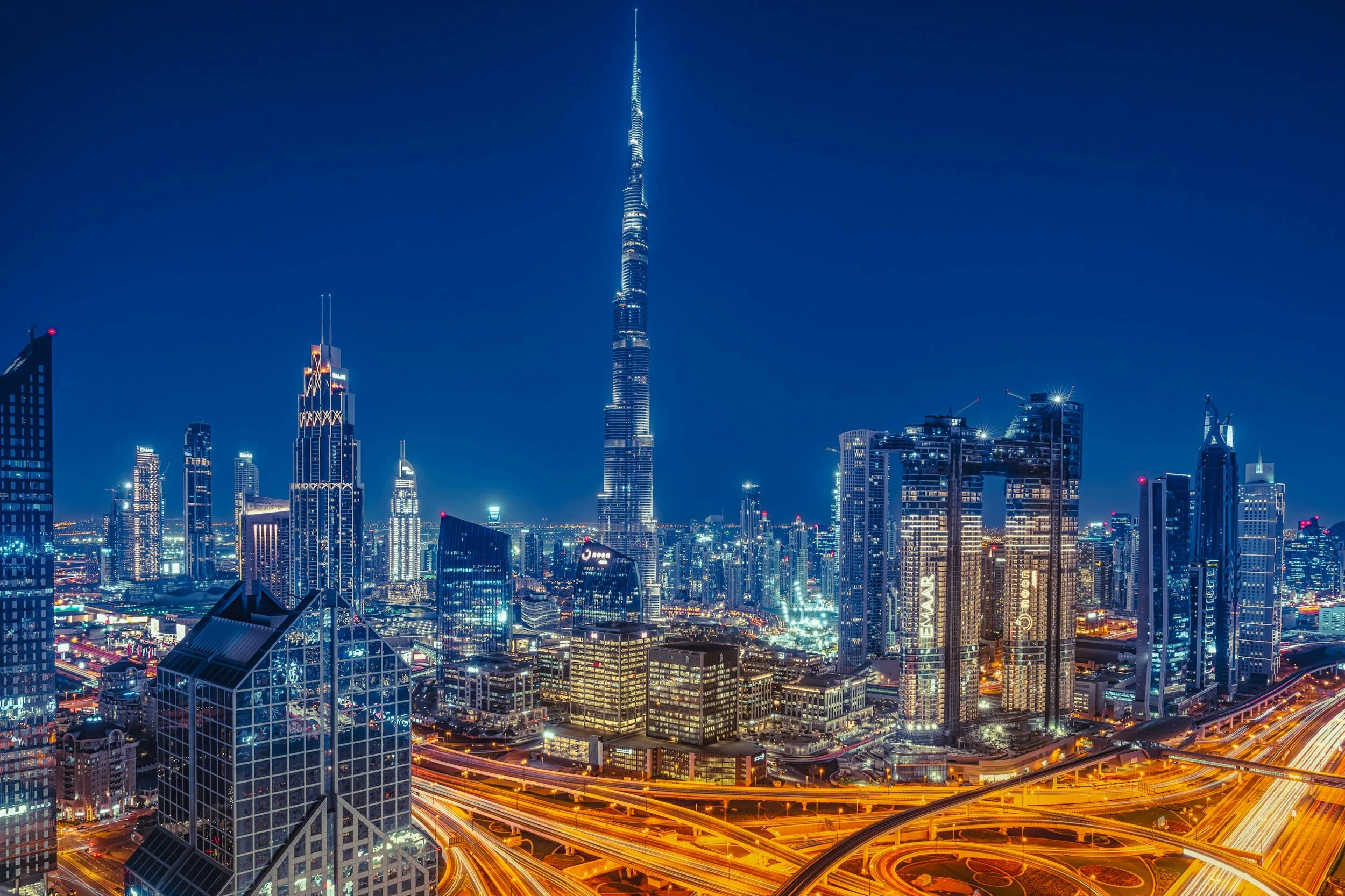
In nearly 60 years of membership, the UAE became central to executing organizational goals and maintaining global leverage. Before exiting, the UAE produced roughly 13 percent of OPEC’s total crude oil production, securing OPEC’s considerable market share. Still, the UAE produced at only ~70 percent of its production capacity under OPEC’s quota, clashing with the state’s continued investment in long-term market dominance. In an April interview with The New York Times, UAE Energy Minister Al Mazrouei conveyed that the UAE needs independence to execute its strategic goals, “unconstrained by any groups.” Speculation suggests the move reflects conflicting strategies between the UAE and Saudi Arabia, but the state’s position stresses the decision was objective and unrelated to intermember competition.
Read MoreFive months after Romania’s PSD joined the far-right AUR to topple Prime Minister Ilie Bolojan’s government, the country still has no stable coalition and is facing its worst economic crisis in years. As austerity and gridlock deepen, AUR is polling around 35 percent, and the stalemate’s outcome will decide whether Romania stays anchored to Kyiv, the EU, and NATO.
Read MoreRepeatedly pausing and resuming violence in Yemen between the Saudis and Houthis has resulted in a “cycle of displacement.” By the end of September, more than 130,000 people had been displaced since missile and drone attacks between the two sides resumed earlier in the month. Many people have fled to refugee camps, but blockaded roads and lack of access to transportation in certain regions have made travel difficult. Since the beginning of Yemen’s Civil War, food and education access as well as quality of life have drastically declined. Among the consequences of the conflict, it is Yemeni children who suffer disproportionately.
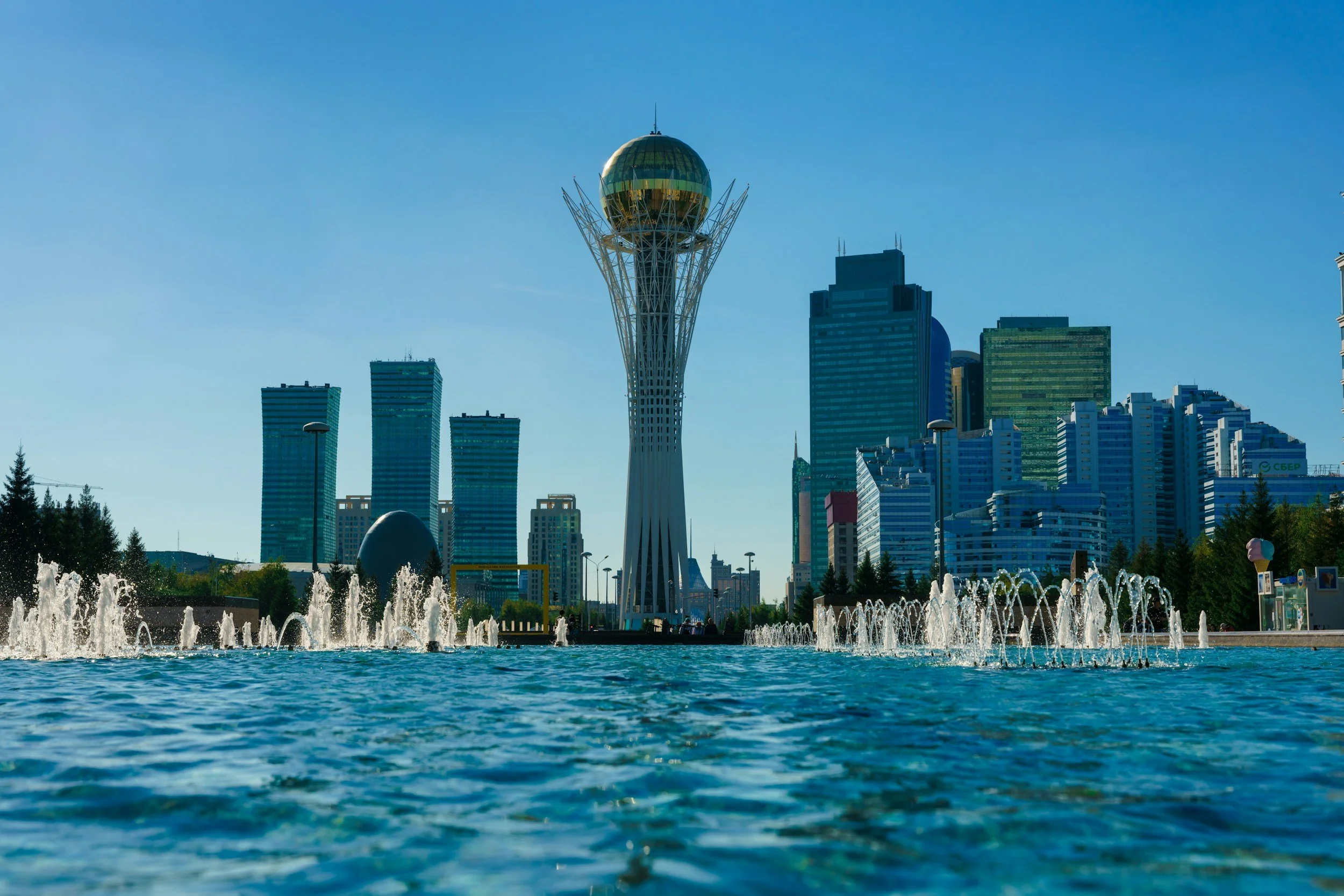
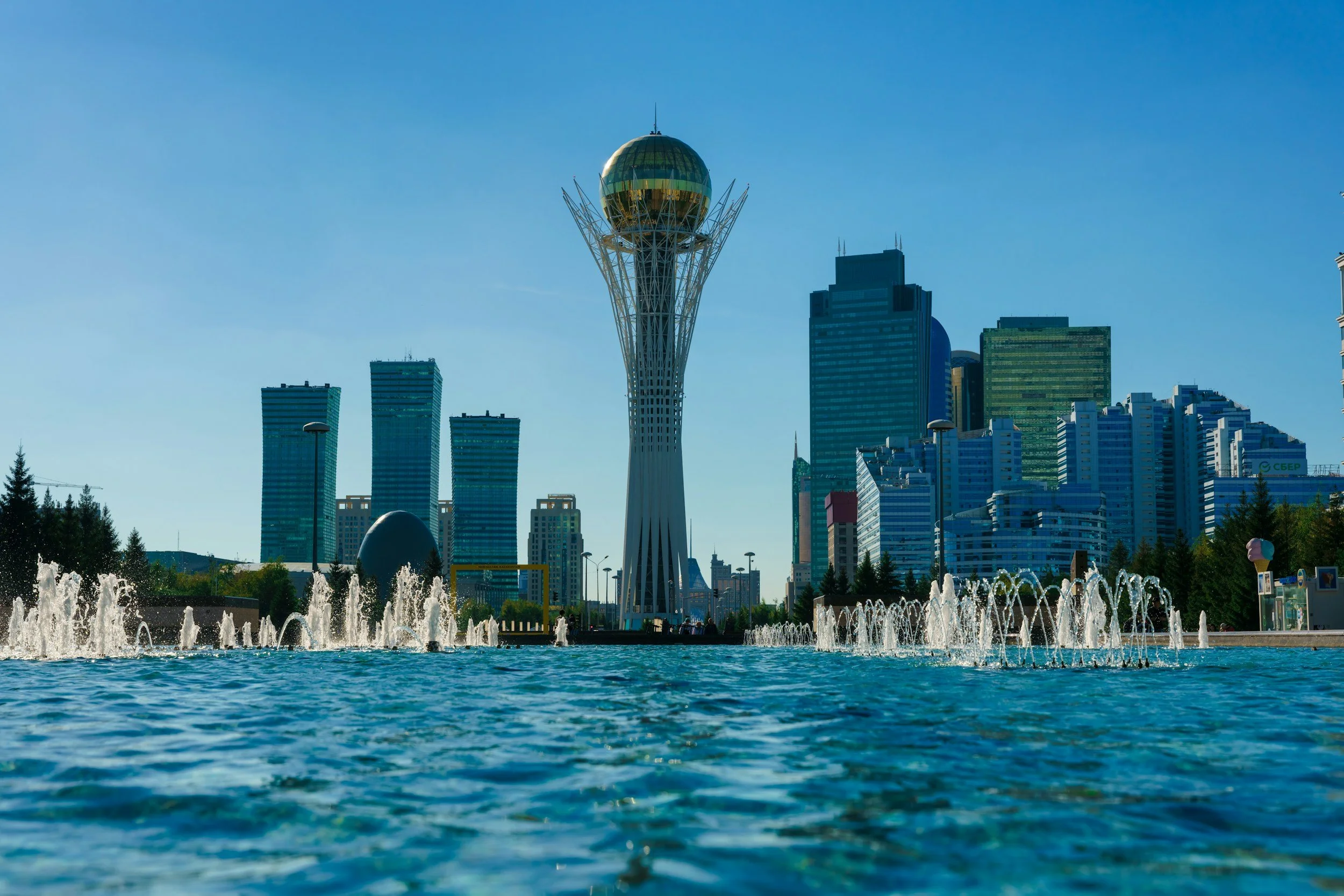
Read MoreKazakhstan’s transition from a Cyrillic to a Latin script was intended to reclaim a national identity shaped by Soviet rule. However, fiscal constraints, uneven social costs, geopolitical pressure from Russia, and waning presidential commitment suggest the country is more likely to follow Uzbekistan into a prolonged dual-script system than to complete the switch.
Read MoreIn May 2025, Oracle committed $14 billion to grow AI infrastructure in Saudi Arabia, supporting Vision 2030. Within weeks, Amazon announced a partnership with Saudi AI innovation company HUMAIN and a collective $5 billion investment. In August, both companies reaffirmed their strategic collaboration, including plans to scale cloud computing and AI infrastructure capacity in Saudi Arabia and further integrate Amazon Web Services (AWS) and HUMAIN AI data platforms. This September, Microsoft pledged over $15 billion in “capital and operations” investments in the Middle East by 2029. These commitments follow billions invested by Saudi Arabia, Qatar, and the UAE in AI grid development and expansion in the United States. Partnerships like these promote co-investment across sectors in a locally led effort to digitize regional economies. The economic implications of the U.S. war with Iran threaten technology-focused deployment and investment strategies across the three nations. Of the three, Saudi Arabia seems to have mechanisms in place to maintain resilience against associated supply disruptions and investor uncertainty.
Read MoreThe IMF’s warning in Bangkok shows both its reach and its limit. While it can name the problem and ask for change, it can’t force advanced economies to fix it.
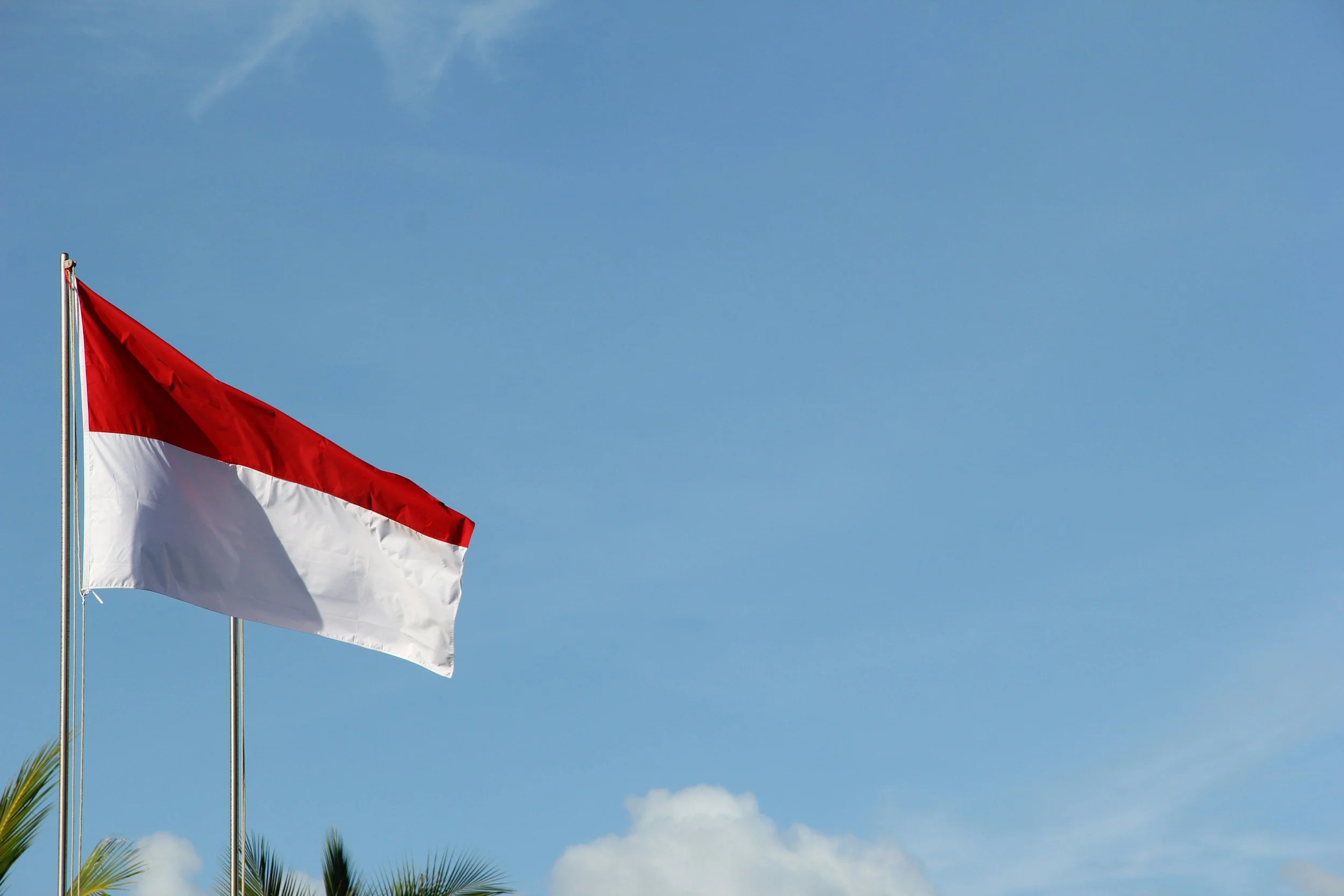
Read MoreIndonesia just received its first aircraft carrier, the newest of a slew of widely sourced military technology. These increases might pull the independent nation to the side of a great power. As the nation builds its arsenal, how will it maintain its nonaligned position?
Read MoreFollowing the return of the Kiwi to Wellington, after a century of native absence, the article will use the Capital Kiwi Project as a case study for New Zealand’s developing experiments regarding urban rewilding. It will address intensive methods for predator control, Māori and local community involvement measures, New Zealand’s expanding biodiversity policy as a unique way to restore wildlife, and whether Wellington could be the impetus and potentially a model for new conservation strategies internationally.
Read MoreAn exploration of the 2022 China-Solomon Islands Security Pact. The deal exposed greater questions about geopolitical competition in the South-Pacific, China’s expanding influence and the fears of Western states.
Read MoreWeeks before Brazil’s October 4 general election, its Superior Electoral Court let an AI-generated video of an imprisoned Jair Bolsonaro stand and gave the country its first legal definition of a deepfake. Defining a deepfake was the easy part. Enforcing the definition is the hard one.
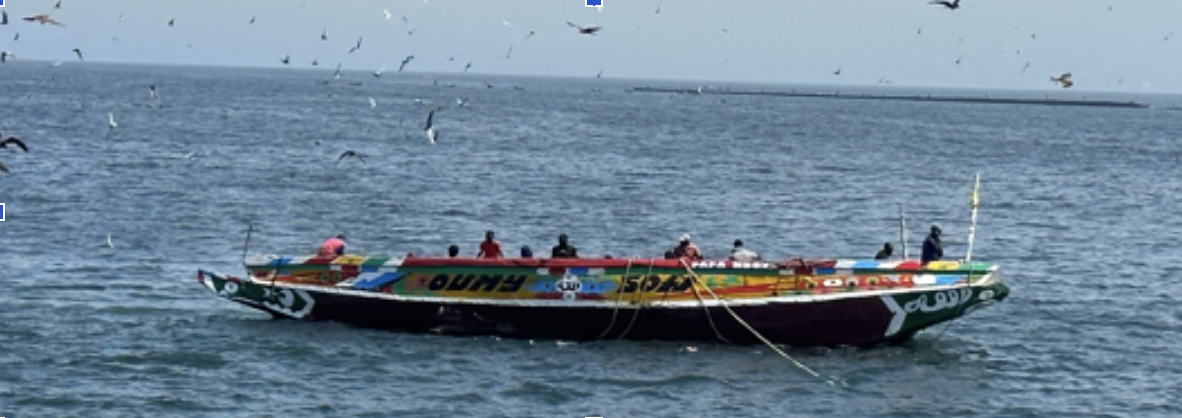
Read MoreSenegal’s artisanal fishermen once fed their communities and sustained families across generations. Today, foreign-owned trawlers, many sailing under the Senegalese flag, are emptying the waters off Dakar and Saint Louis, much of the catch ground into fishmeal for farmed salmon, pigs, and chickens abroad. The result is collapsing fish stocks, lost livelihoods, rising food insecurity, and a surge in dangerous migration. Yet the crisis is not inevitable: with stronger enforcement, public-private cooperation, and investment in aquaculture, Senegal can still protect its fisheries and the communities that depend on them.
Read MoreThe US treats third-country deportation deals as a way to transfer responsibility by contract, but non-refoulement cannot be transferred.
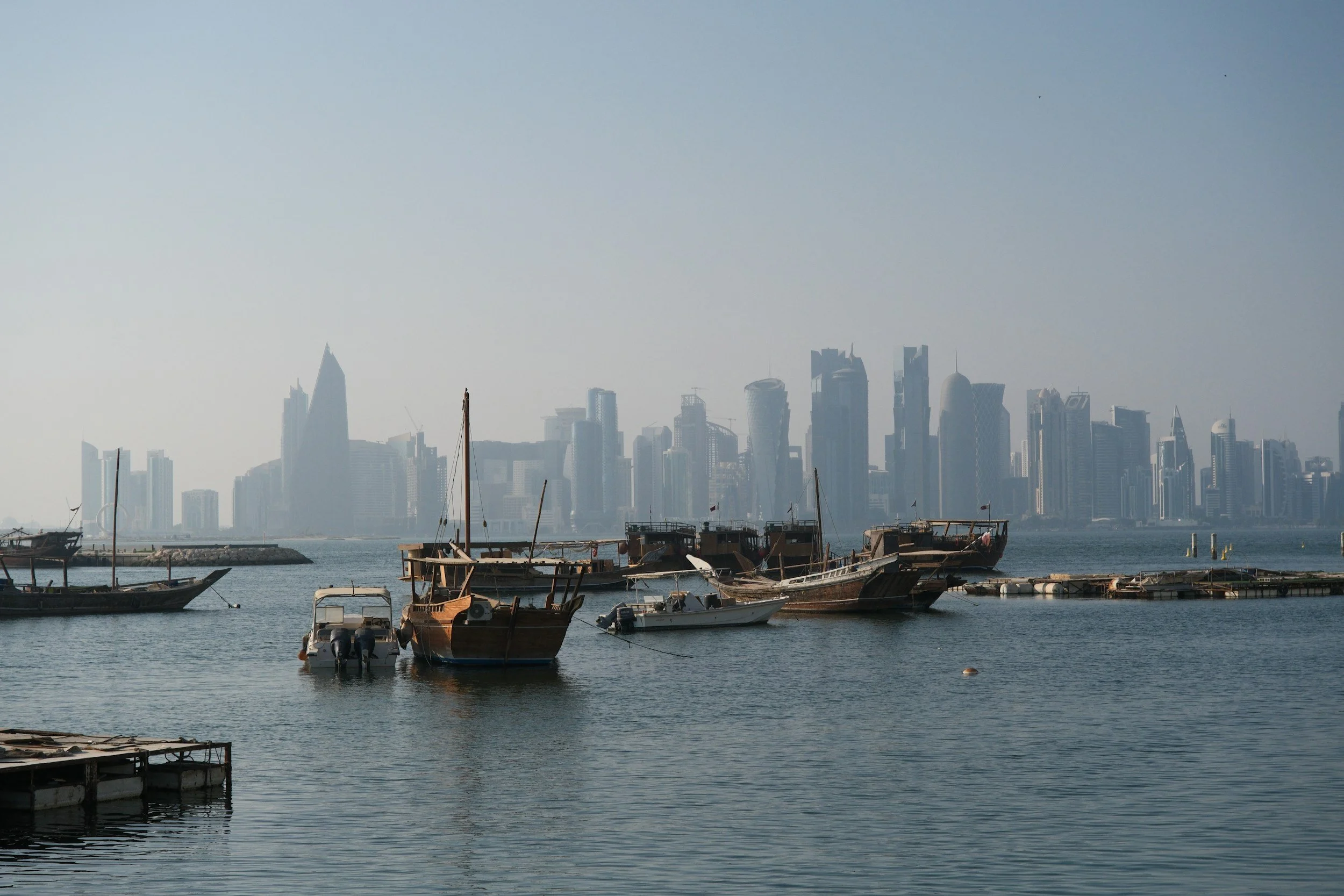
Read MoreThe 2026 FIFA World Cup concluded a few months ago at New Jersey’s MetLife Stadium, breaking global viewership records. Among the excitement, past World Cups regained attention as players around the globe returned to the field to represent their nation. Many preceding tournaments were remembered for exhibitions of cultural pride and unification of fans, such as the 2022 World Cup hosted in Qatar. Qatar was the first Middle Eastern nation to host the tournament, from November 20 to December 18 of 2022. However, the event drew major humanitarian concerns. An innumerable number of lives were devastated, with very few remediation efforts over the last few years.
Read MoreKazakhstan, once heavily dependent on fossil fuels, is now shifting towards green energy to diversify its economy. Reliance on non-renewable resources drove economic growth and greatly contributed to the GDP but left the country vulnerable to global shocks and geopolitical tensions. In the last decade, legal and financial ground work has been established to foster the transition to renewable energy sources through foreign investments and increased competition in this new sector.
Read MoreFor example, an estimated 80% of all Russian banking assets came under U.S. sanctions. Although these sanctions have been effective in restricting Russia's access to Western markets and dealing substantial blows to its economy, Russia has still found ways to use former Soviet nations to circumvent them.
Read MoreThe easiest way to dismantle a constitutional settlement is to say you support it. Since taking office in February, Bangladesh's BNP has done exactly that with the July National Charter, praising its mandate while systematically declining to be bound by it. Voters endorsed the Charter in a referendum on the same day they gave the BNP a two-thirds majority, and the party has since used the second mandate to hollow out the first. The result is less a story of broken promises than of a government discovering which ones it can afford to keep.
Read MoreHe warned that "There is currently no possibility for a safe, dignified and sustainable return of Haitians who are abroad" and that "their country is much more dangerous than the one they fled".
The government cannot tell Americans that Haiti is too dangerous to visit and tell Haitians that it is safe enough to live in. As a permanent member of the UN Security Council, the U.S. positions itself as a defender of vulnerable people and endorses the doctrine of the Responsibility to Protect. Meanwhile, the government sends people back to a country DHS itself calls too dangerous to visit.
Read MoreThe European Union is moving to expand its Carbon Border Adjustment Mechanism (CBAM) beyond the basic carbon-intensive materials initially covered by the policy. On September 15, the European Parliament adopted a new position on proposed changes that would expand CBAM’s scope to a wider range of downstream steel and aluminum products as a means of preventing companies from circumventing the mechanism.
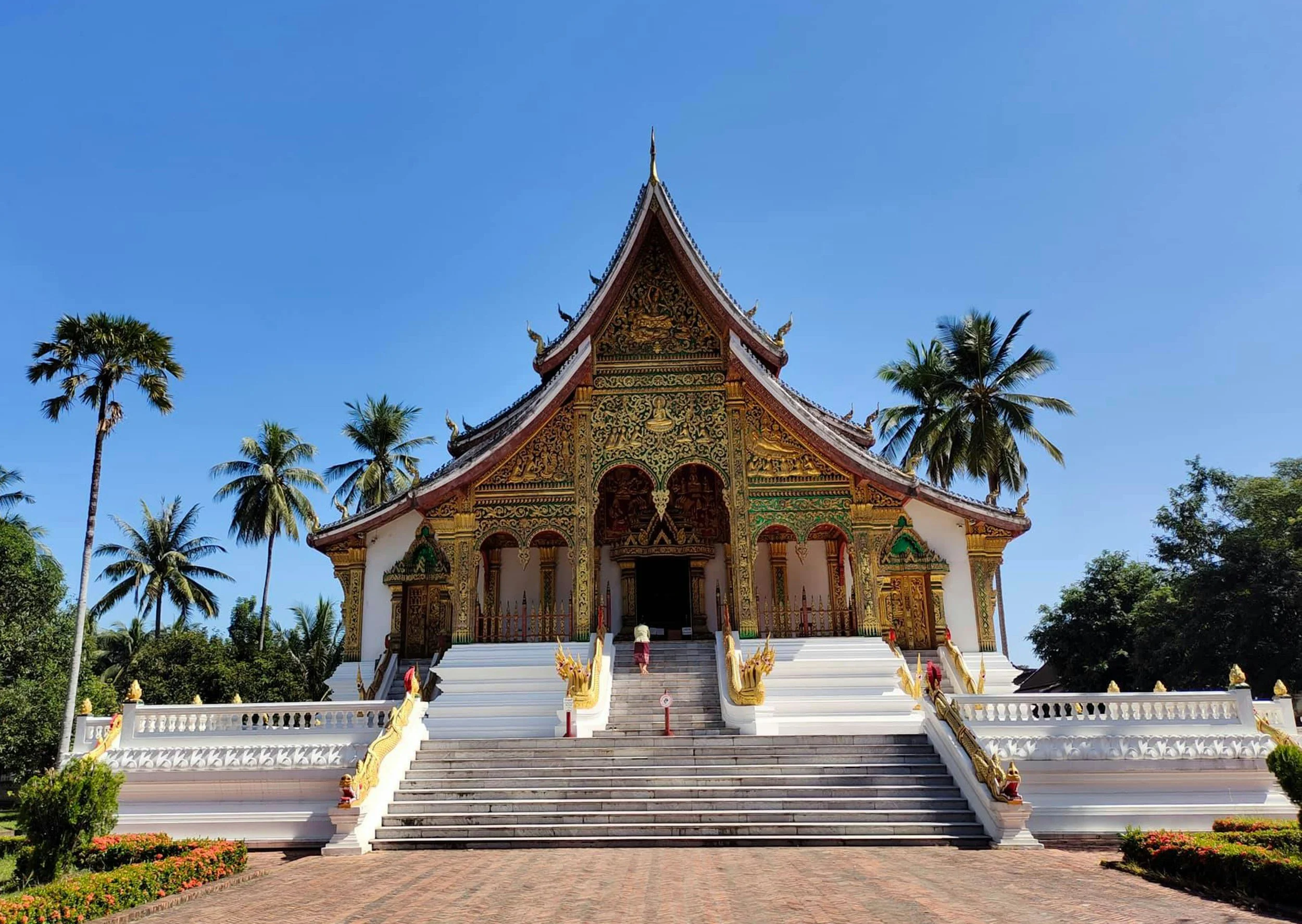
Read MoreThe Vietnam War is remembered as one of the Cold War's most defining conflicts. Yet its devastating impact on neighboring Laos is often overlooked. More than 50 years later, unexploded bombs from the war continue to threaten Lao communities and hinder development. How did a formally neutral country become a central battlefield in a war it never joined?
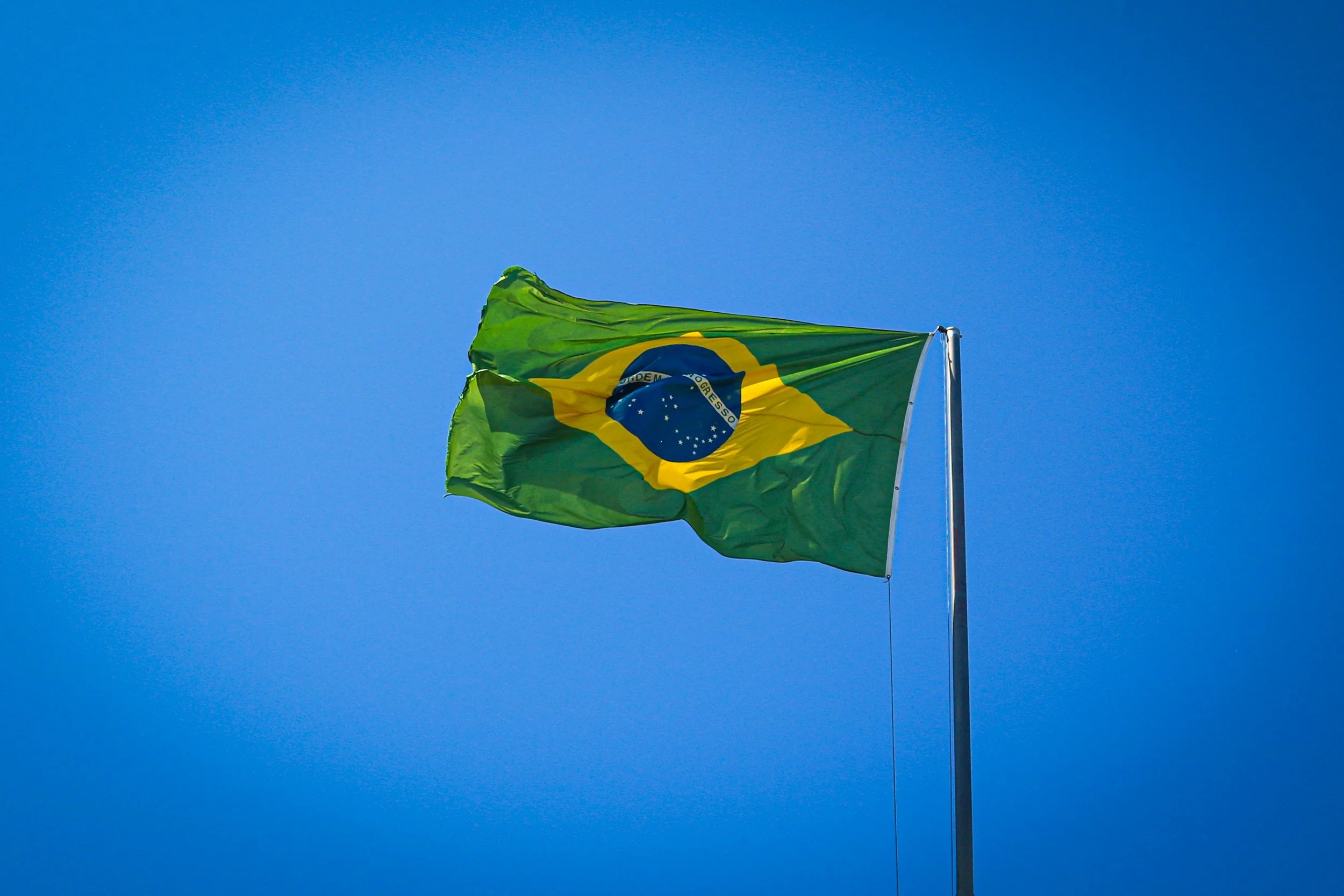
Read MoreAs U.S. trade policy and political alliances become central to Brazil’s presidential race, the election raises a broader question: how can Brazil protect its sovereignty while navigating an increasingly turbulent relationship with Washington?
Read More