
Posts in Middle East
Yemeni Citizens Left in the Dark

Internet blackouts have become a modern concern for many nations undergoing warfare and violence. Denying access to the internet has been determined to be a violation of human rights on the international level, yet instances continue to occur around the globe. Yemen, a nation undergoing a lengthy civil war, is an example of where internet blackouts have proven to become frequent and problematic for citizens’ safety and daily lives.

Read More
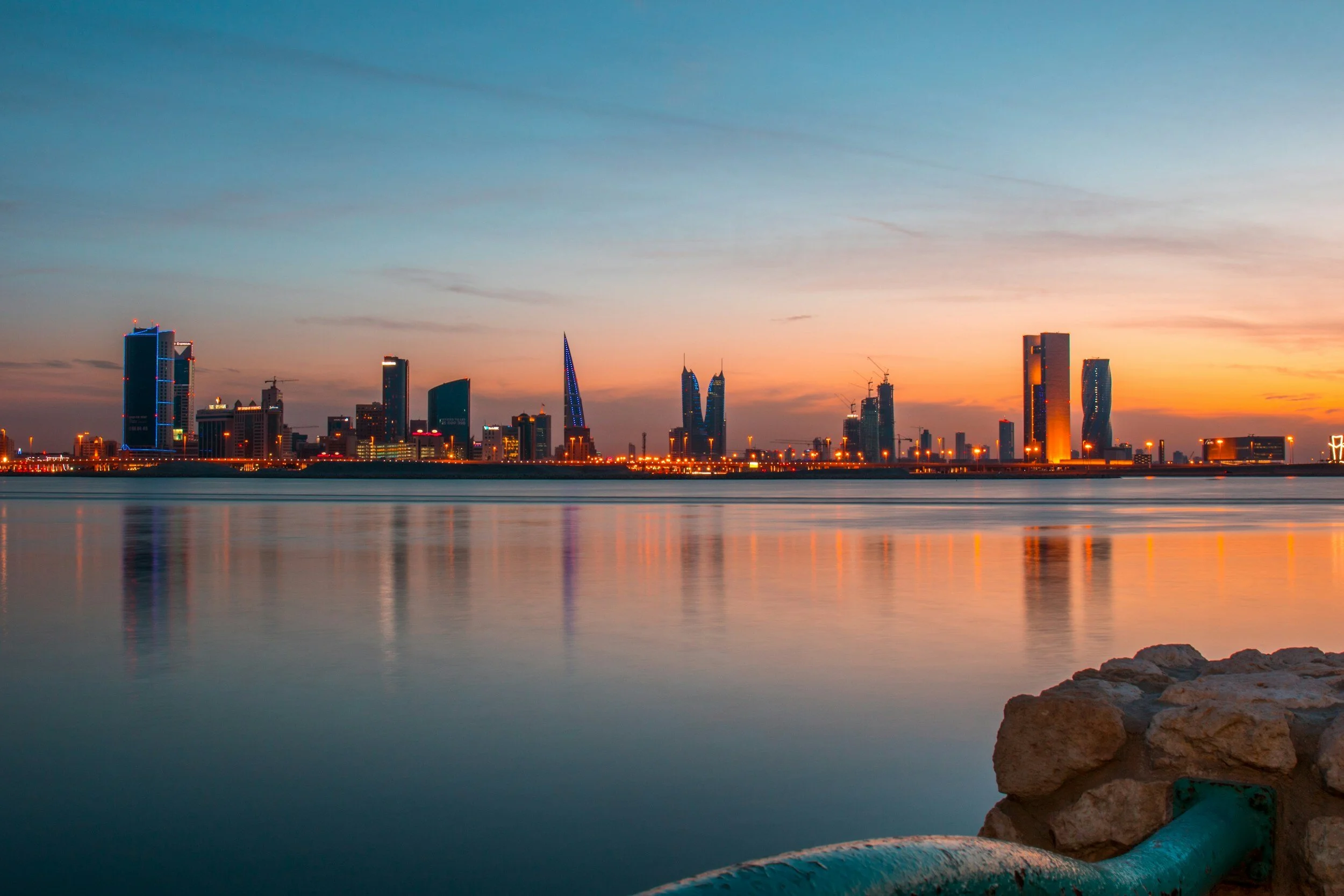
Hunger Strike: The Lingering Effects of the Arab Spring in Bahrain

In 2011, Bahrain witnessed swaths of protesters swarming the streets of the country and demanding social change and reform in the Sunni-led government that had long oppressed Shia Muslims. The government brutally crushed the uprising within weeks, but the desire for more freedom never died in the population. In August 2023, hundreds of inmates in a prison notorious for detaining political prisoners went on a mass hunger strike. After weeks of strike, the government agreed to provide more humane conditions for the prisoners. 

Read More
The Politics of Recovery: International Discourse Around Morocco’s Earthquake Relief Efforts

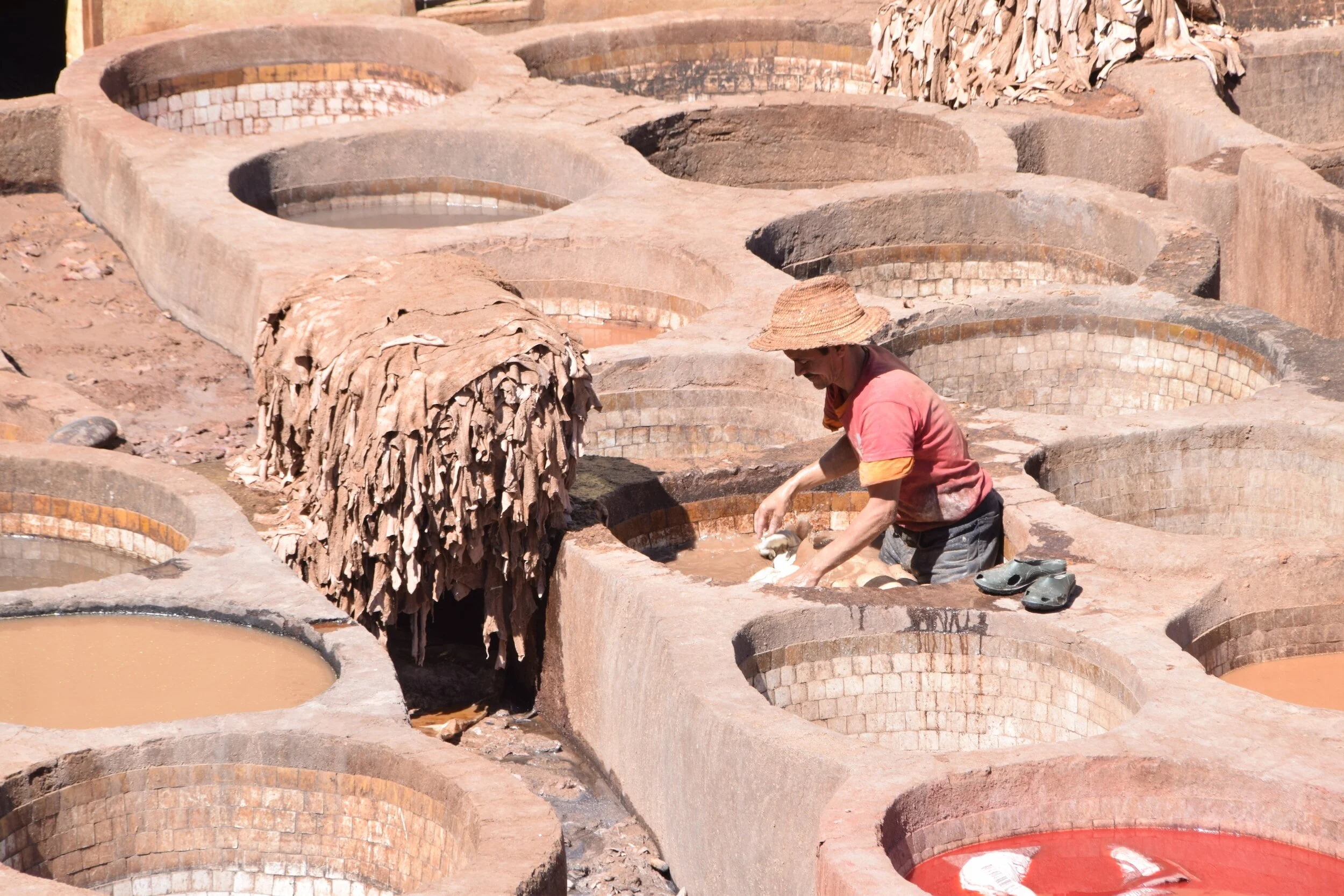
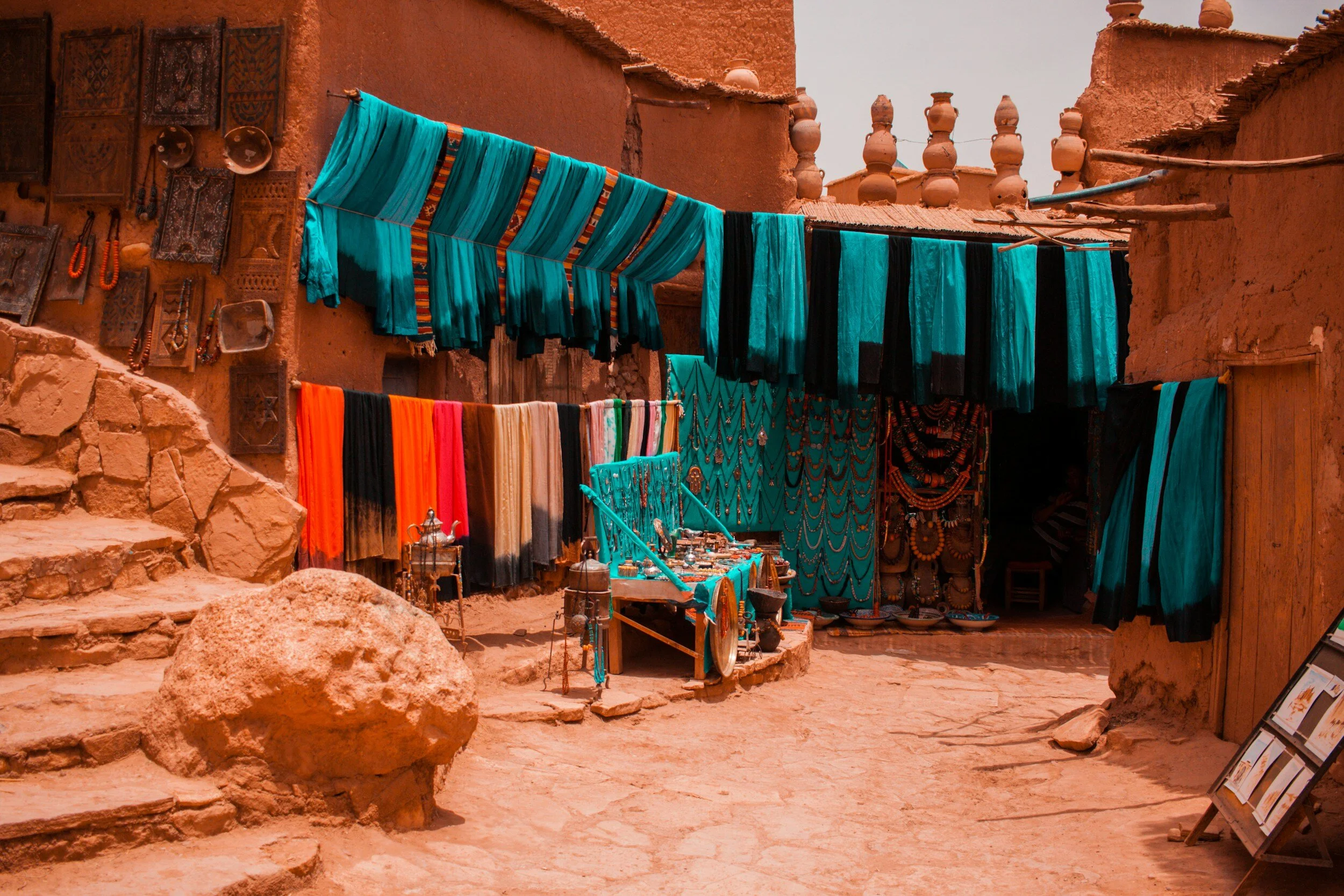
Following the deadly earthquake in Morocco on September 8th, the international community offered a flood of support to the Moroccan government. Controversy arose when Morocco did not accept the help and condolences of all states, specifically states in which Morocco has a tumultuous history. It is idealistic that aid remains unaffected by politics, however that is not the case in many relief efforts; as seen in Morocco. 

Read More
The Uncertain Future of the Lebanese Pound

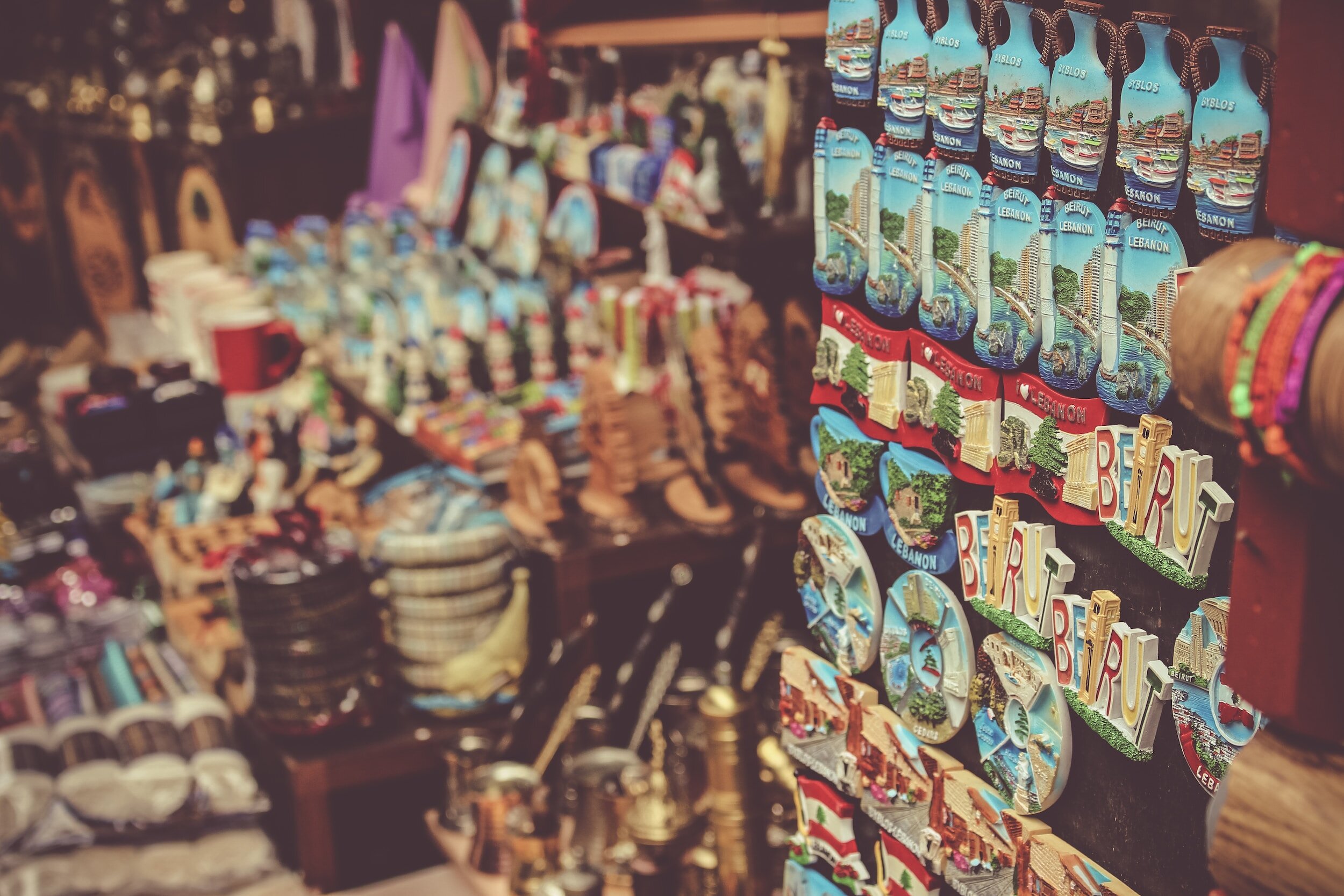
Since 2019, Lebanon has been facing one of the worst economic crises in modern history. Unemployment rates are growing, the national currency, the Lebanese Pound, is decreasing in value, and protests have risen against political corruption and inability to manage the plummeting economy. As working-class families struggle to make ends meet, the nation remains leaderless in the depths of an economic crisis. 

Read More
Captagon: The Stimulant of Syria

A well-known drug in the Middle East, captagon, has transformed Syria into a narcostate. The extensive production of this drug has affected militia, rebel groups, and surrounding countries. Now, as Syria is approaching readmission into the Arab League, President al-Assad is using his opportunity to crackdown on the illicit as a political bargaining chip. 

Read More
SkatePal: How Skate Culture is Impacting the Lives of Young Palestinians

This article discusses the importance of community spaces and engagement among Palestinian youth in the West Bank and Gaza Strip, especially when these communities have a higher exposure to conflict. The article specifically highlights the growing skateboarding culture facilitated by a non-profit called SkatePal.

Read More
The Line: Luxurious Environmentally Sustainable Infrastructure with a Cost

Neom: the future. Saudi Arabia envisioned Neom or also considered the Line as a stable microclimatic environment that prioritizes walkability, clean energy, and technology to move away from traffic, pollution, and other infrastructure challenges that plague urban life. The Line symbolizes the beginning of environmentally sustainable infrastructure that can enrich the lives of humans.

Read More
Pakistan: Judas of the American Alliance

The U.S. has long seen Pakistan as an ally in South and Central Asia despite a long history of the Pakistani government supporting terrorist groups who have sought to attack America, a policy that continues today.

Read More
The Dirty Business of Humanitarian Aid in Afghanistan

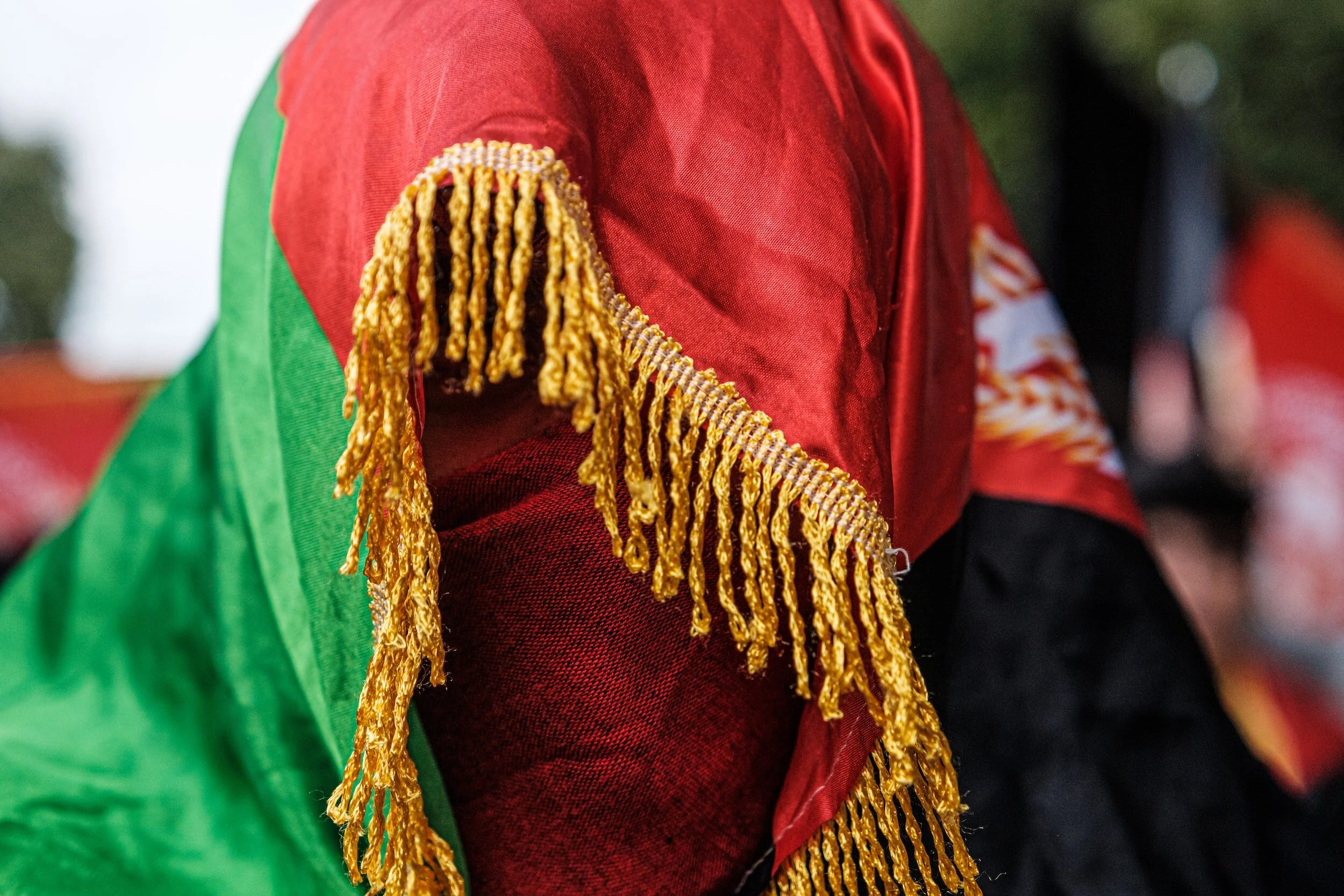
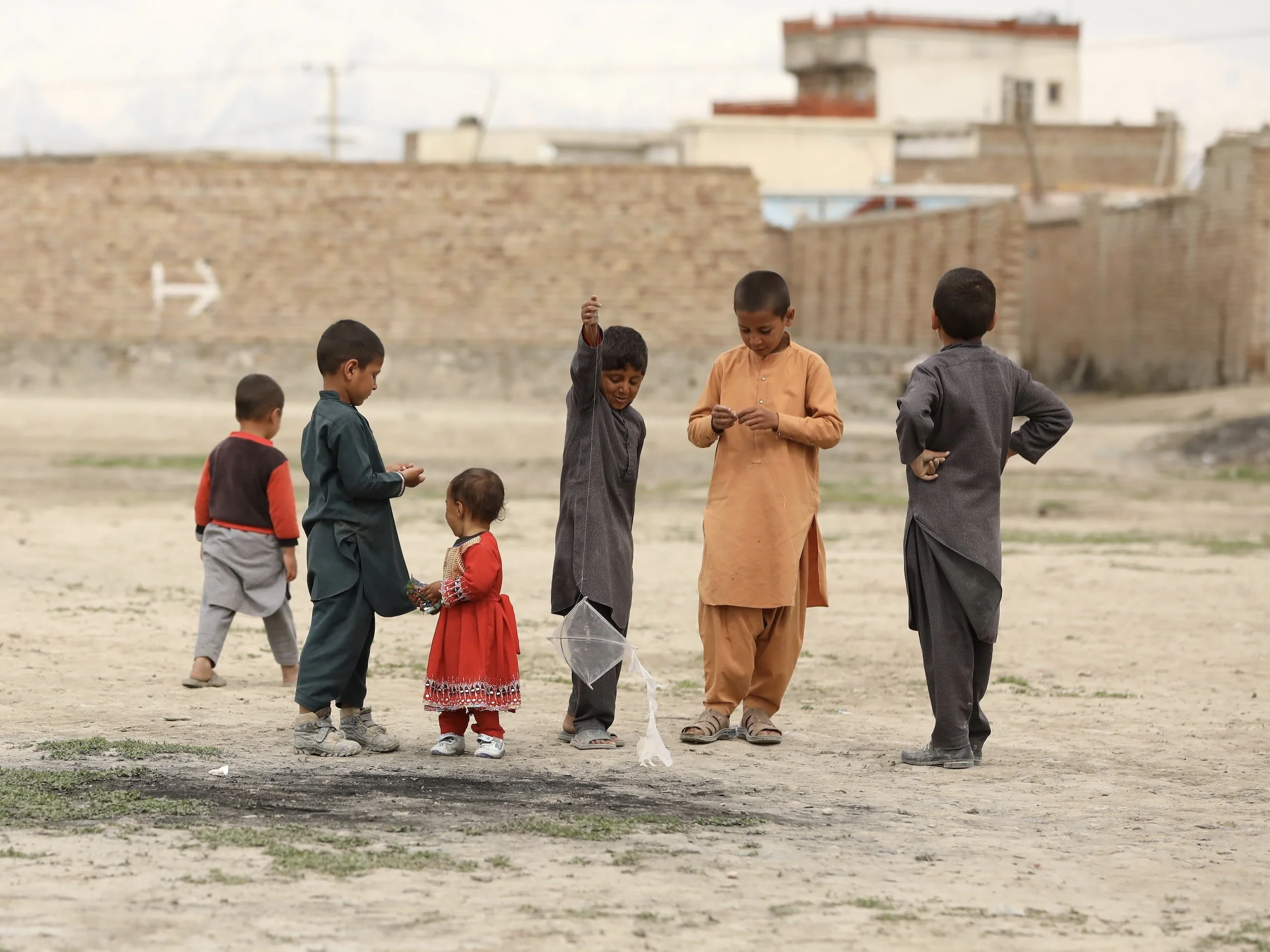
Afghanistan currently faces the largest humanitarian catastrophe in the world which has led to billions of dollars worth of humanitarian aid but corruption, theft and hidden agendas have led to a distribution system that, in its current form, could be actively making the problem worse. 

Read More
If You Stand With Ukraine, You Must Also Stand With Afghanistan (Part 2)

The United States and its allies have abandoned Afghanistan after their two-decade-long occupation, leading to the country's descent into a humanitarian crisis and a terrorist-led government. Meanwhile, these nations have shifted their focus to supporting Ukraine in its conflict with Russia, with rhetoric about defending values of democracy and political freedom, but to the Afghan people, this rings hollow. The US's current policy towards Afghanistan is focused on containment rather than support for any specific actors, and their cooperation with the Taliban is reminiscent of Reagan's failed policy of "constructive engagement" with Apartheid South Africa.

Read More
China Brokers Saudi Arabia-Iran Diplomatic Agreement – Implications for Yemen’s Civil War

The China-brokered agreement between Saudi Arabia and Iran marks a significant shift in relations between the two regional rivals and may pave the way for humanitarian recovery in Yemen, a country devastated by the proxy war between the two nations. The deal involves reopening embassies, respecting state sovereignty, and avoiding interference in foreign affairs.

Read More
Qatar Fifa 2022 World Cup: A Game of Sports Diplomacy Mixed with International Scrutiny

The 2022 FIFA World Cup in Qatar drew over 1.5 billion viewers and faced controversy over bribery allegations, migrant worker exploitation, and criminalization of homosexuality. Despite using the event to foster international relations, Qatar's imposition of cultural values contradicted its efforts to build ties and exposed the need for better governance by FIFA.

Read More
Honor and Shame: On the Word “a’aib” in Arabic

This article discusses the concept of honor and shame in Arab societies, with the term "a'aib" representing shame and its impact on women, LGBTQ+ individuals, and taboo subjects. This socially constructed idea perpetuates negative psychological effects and reinforces honor-based social conduct.

Read More