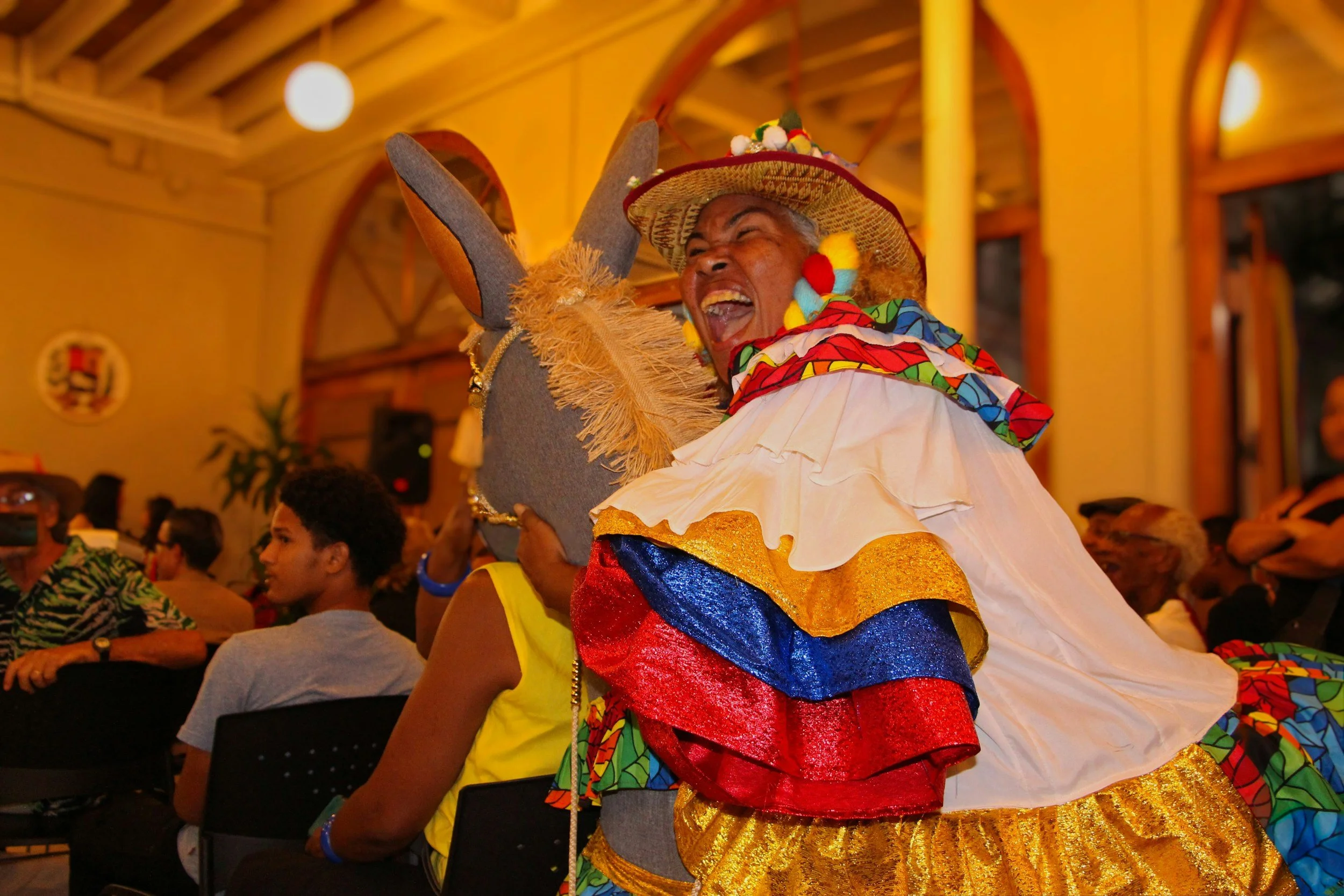
The article explores the relationship between music and politics through a Latin American lens, examining how music and dance have become powerful tools of resistance in the Colombian political landscape. Through the Colombian historical period of “La Violencia” to tax reforms and social changes, Colombian politics have inspired several works of music, such as salsa lyrics denouncing class-based racism by Joe Arroyo. In response to political movements, including former President Ivan Duque’s reforms in 2021, the article highlights how mass demonstrations can be reflected through a collective lyrical shout of resistance and through the mass movement of musical beats and rhythm. Music in Colombia reveals the way communities transform rhythm into protest and how the country establishes a powerful identity founded on political dialogue, and resistance.
Read MoreAlthough Global Witness’ 2024 report on international violence against environmental land defenders reported a fewer number of killings and disappearances than years prior, closely observing these ongoing trends is pertinent to protecting human rights and our environment. Breaking down this report, particularly the nations and subgroups in which defenders are most commonly targeted, allows us to obtain a greater understanding of proper policy drafting and implementation moving forwards.
Read MoreOver a year after the election of leftist president Gustavo Francisco Petro Urrego in Colombia, his administration is seeking out ways to divert from historically violent ways of waging the war on drugs. While Petro’s policies of investing in rural communities press onward, the path ahead may still be fraught with challenges.
Read MoreWith the removal of Pedro Castillo, Peru has fallen into a state of brutality. Indigenous and historically marginalized groups demand to have their voices heard.
Read MoreCorruption in Latin American governments sparked major protests throughout the countries.
Read More