
Featured Articles
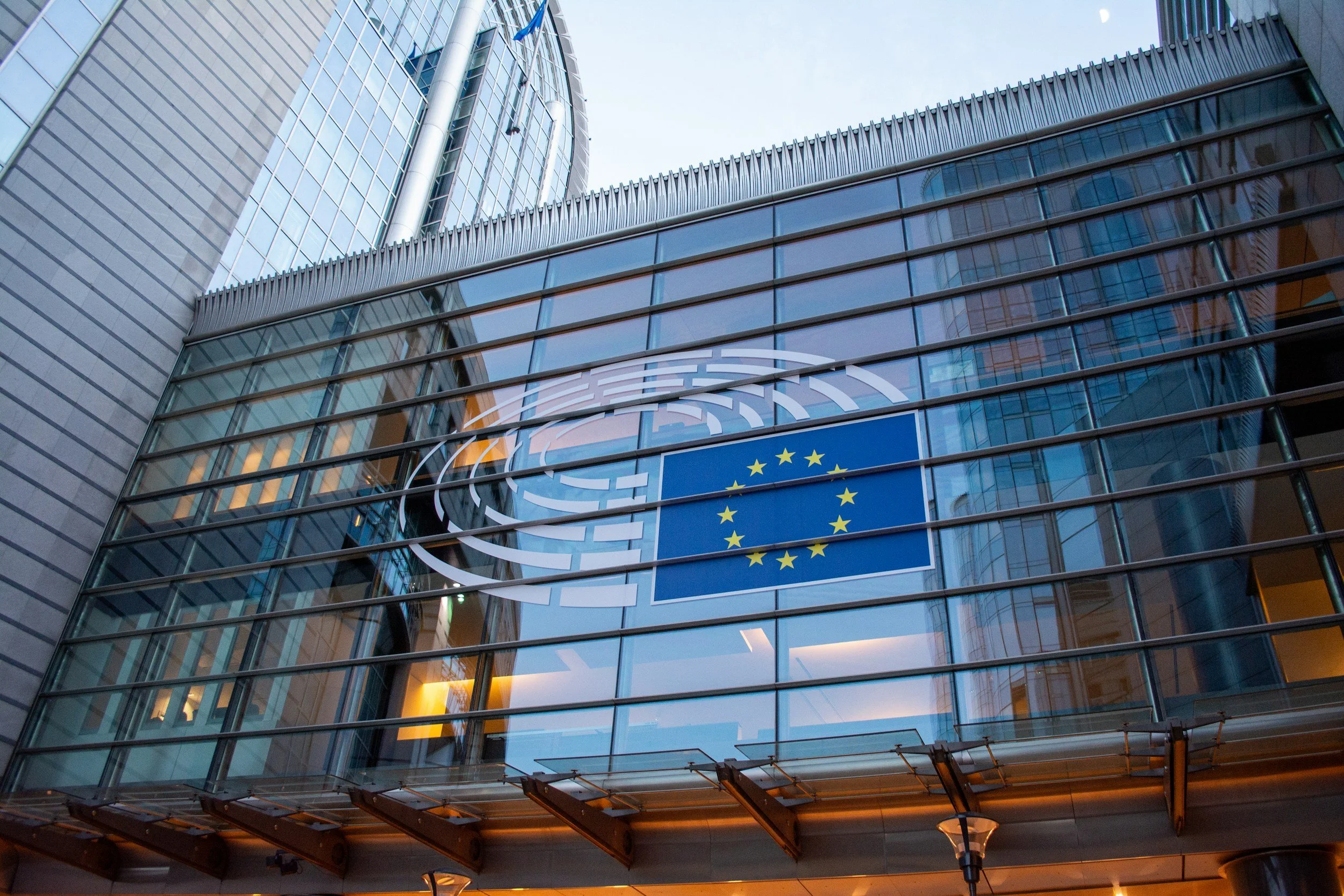
After nearly two decades of negotiations, India and the EU have finalized their landmark Free Trade Agreement, designed to deepen economic and strategic ties. Expected to slash tariffs by 99 percent on both sides, this FTA also strengthens cooperation in defense, cybersecurity, and maritime security, reducing India’s dependence on the U.S., Russia, and China. Positioning both parties as counterweights to growing Chinese regional influence, the FTA can reshape Asia’s trade landscape and set a new framework for emerging markets.
The article explores the relationship between music and politics through a Latin American lens, examining how music and dance have become powerful tools of resistance in the Colombian political landscape. Through the Colombian historical period of “La Violencia” to tax reforms and social changes, Colombian politics have inspired several works of music, such as salsa lyrics denouncing class-based racism by Joe Arroyo. In response to political movements, including former President Ivan Duque’s reforms in 2021, the article highlights how mass demonstrations can be reflected through a collective lyrical shout of resistance and through the mass movement of musical beats and rhythm. Music in Colombia reveals the way communities transform rhythm into protest and how the country establishes a powerful identity founded on political dialogue, and resistance.
Israel’s recent diplomatic recognition of Somaliland, a de facto state operating within greater Somalia, marks a turning point in the territory’s long pursuit of sovereignty. Although Israel claims that this move was made in support of Somaliland’s right to self-determination, analysts suggest that there are deeper motivations at play, including Israeli strategic interests in the Red Sea region. Still, whether this move was based on principle or strategy, it represents a significant step toward the possibility of an independent Somaliland.
Gaza’s Board of Peace, a joint multilateral unity of nations to secure peace and reconstruction in Gaza, is considered a betrayal by citizens of Middle Eastern and Muslim countries, because it is seen as an extension of neo-colonialism, granting President Trump sweeping powers, and limiting Palestinian participation and right to self-determination.
As much of Europe and the West moves toward restrictive migration policies, Spain is charting a different course, granting legal status to hundreds of thousands migrants. This approach highlights a widening ideological divide over immigration policy across the West and carries significant implications for the future of transatlantic alliances.
From turquoise lagoons to luxury resorts, the Maldives has long sold an image of untouched paradise. Yet rising seas, mounting debt, and global power imbalances now threaten the nation’s survival. Climate change reshapes coastlines and communities alike, while dependence on foreign investment and tourism forces difficult trade-offs. A nation celebrated for its beauty must now confront difficult choices about who controls its future and how it will endure.
On January 29, 2026, President Trump issued an executive order effectively blocking Cuba from acquiring oil imports. This decision has drawn in multiple international actors, namely the governments of Mexico and Venezuela, Cuba’s other two major oil suppliers. Mexican and Venezuelan presidents, Scheinbaum and Rodriguez respectively, grapple with whether to take a decisive stance against what many deem superfluous, U.S. intervention in the region is wise or catastrophic to more than just economic relations.
Intense flooding, rain and drought, worsened by climate change, have severely impacted Mozambique's agricultural and trade industries. Economic recovery is possible, but will be difficult without worldwide action.
Since the collapse of the Soviet Union, the Fergana Valley region – encompassing parts of Kyrgyzstan, Tajikistan, and Uzbekistan – has been plagued by recurring violence rooted in decades of undefined borders. Minor disagreements frequently escalate into full-scale territorial and ethnic clashes, and the absence of regional cooperation has long stalled peace efforts in the Fergana Valley. Yet in March of 2025, the three states signed a historic treaty, offering new hope of easing tensions in the valley.
Opinions
After nearly two decades of negotiations, India and the EU have finalized their landmark Free Trade Agreement, designed to deepen economic and strategic ties. Expected to slash tariffs by 99 percent on both sides, this FTA also strengthens cooperation in defense, cybersecurity, and maritime security, reducing India’s dependence on the U.S., Russia, and China. Positioning both parties as counterweights to growing Chinese regional influence, the FTA can reshape Asia’s trade landscape and set a new framework for emerging markets.
The article explores the relationship between music and politics through a Latin American lens, examining how music and dance have become powerful tools of resistance in the Colombian political landscape. Through the Colombian historical period of “La Violencia” to tax reforms and social changes, Colombian politics have inspired several works of music, such as salsa lyrics denouncing class-based racism by Joe Arroyo. In response to political movements, including former President Ivan Duque’s reforms in 2021, the article highlights how mass demonstrations can be reflected through a collective lyrical shout of resistance and through the mass movement of musical beats and rhythm. Music in Colombia reveals the way communities transform rhythm into protest and how the country establishes a powerful identity founded on political dialogue, and resistance.
Israel’s recent diplomatic recognition of Somaliland, a de facto state operating within greater Somalia, marks a turning point in the territory’s long pursuit of sovereignty. Although Israel claims that this move was made in support of Somaliland’s right to self-determination, analysts suggest that there are deeper motivations at play, including Israeli strategic interests in the Red Sea region. Still, whether this move was based on principle or strategy, it represents a significant step toward the possibility of an independent Somaliland.
Gaza’s Board of Peace, a joint multilateral unity of nations to secure peace and reconstruction in Gaza, is considered a betrayal by citizens of Middle Eastern and Muslim countries, because it is seen as an extension of neo-colonialism, granting President Trump sweeping powers, and limiting Palestinian participation and right to self-determination.
As much of Europe and the West moves toward restrictive migration policies, Spain is charting a different course, granting legal status to hundreds of thousands migrants. This approach highlights a widening ideological divide over immigration policy across the West and carries significant implications for the future of transatlantic alliances.
From turquoise lagoons to luxury resorts, the Maldives has long sold an image of untouched paradise. Yet rising seas, mounting debt, and global power imbalances now threaten the nation’s survival. Climate change reshapes coastlines and communities alike, while dependence on foreign investment and tourism forces difficult trade-offs. A nation celebrated for its beauty must now confront difficult choices about who controls its future and how it will endure.
On January 29, 2026, President Trump issued an executive order effectively blocking Cuba from acquiring oil imports. This decision has drawn in multiple international actors, namely the governments of Mexico and Venezuela, Cuba’s other two major oil suppliers. Mexican and Venezuelan presidents, Scheinbaum and Rodriguez respectively, grapple with whether to take a decisive stance against what many deem superfluous, U.S. intervention in the region is wise or catastrophic to more than just economic relations.
Intense flooding, rain and drought, worsened by climate change, have severely impacted Mozambique's agricultural and trade industries. Economic recovery is possible, but will be difficult without worldwide action.
Since the collapse of the Soviet Union, the Fergana Valley region – encompassing parts of Kyrgyzstan, Tajikistan, and Uzbekistan – has been plagued by recurring violence rooted in decades of undefined borders. Minor disagreements frequently escalate into full-scale territorial and ethnic clashes, and the absence of regional cooperation has long stalled peace efforts in the Fergana Valley. Yet in March of 2025, the three states signed a historic treaty, offering new hope of easing tensions in the valley.
THE JOURNAL
As Boston University’s foremost academic journal, the International Relations Review continues to publish a bi-annual print issue with 120+ pages of analysis and commentary from a diverse group of staff writers and contributors.

Listen to the latest
IN RELATION TO
Our new medium of discourse!
With the vast opportunities available in the field of international relations, our latest podcast project, In Relation To, seeks to promote the diversity and richness of IR as a professional field, academic discipline, and arena for activism and global citizenship.
WE WANT TO HEAR FROM YOU!
Interested in sharing your analysis of current world issues? Have an amazing portfolio of photos? Want to display your work and have it archived at the Library of Congress?
We are looking for writers, photographers, and contributors to add their unique repertoire to our publication!