RUSSIA & THE FORMER SOVIET UNION
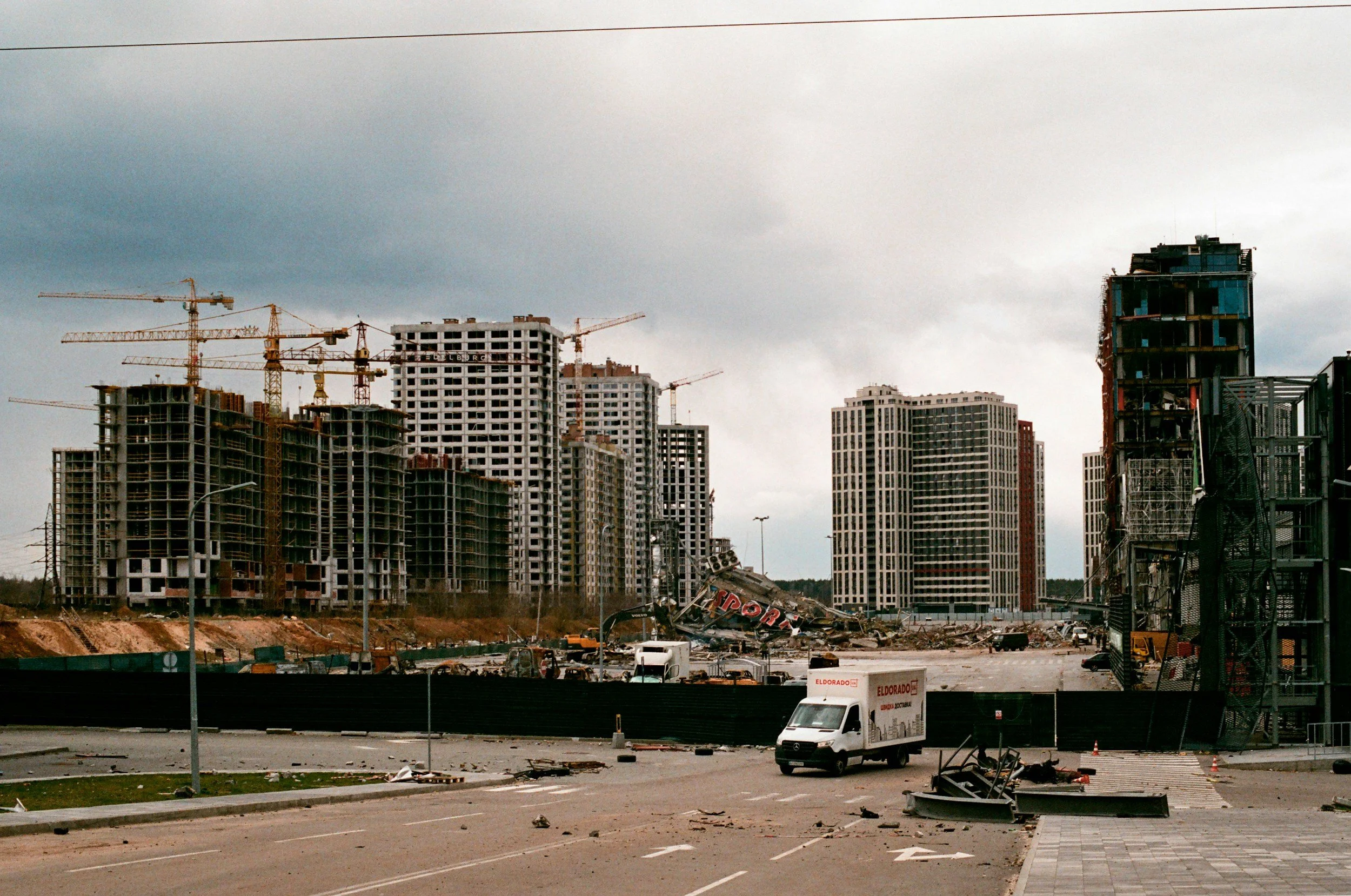
February 24, 2026 commemorated the fourth anniversary of Russia’s war of aggression against Ukraine. Europe’s largest and bloodiest conflict since World War II now continues into another grueling year with no peace in sight, as Ukraine’s President Zelenskyy accuses Russia of “dragging out negotiations” in Geneva. As of early March 2026, Ukraine and Russia have stepped away from the latest round of U.S.-mediated peace talks without a conclusive breakthrough. In considering this most recent anniversary, one can’t help but wonder whether Russian President Vladimir Putin expected to be in this position, and all signs point to no.
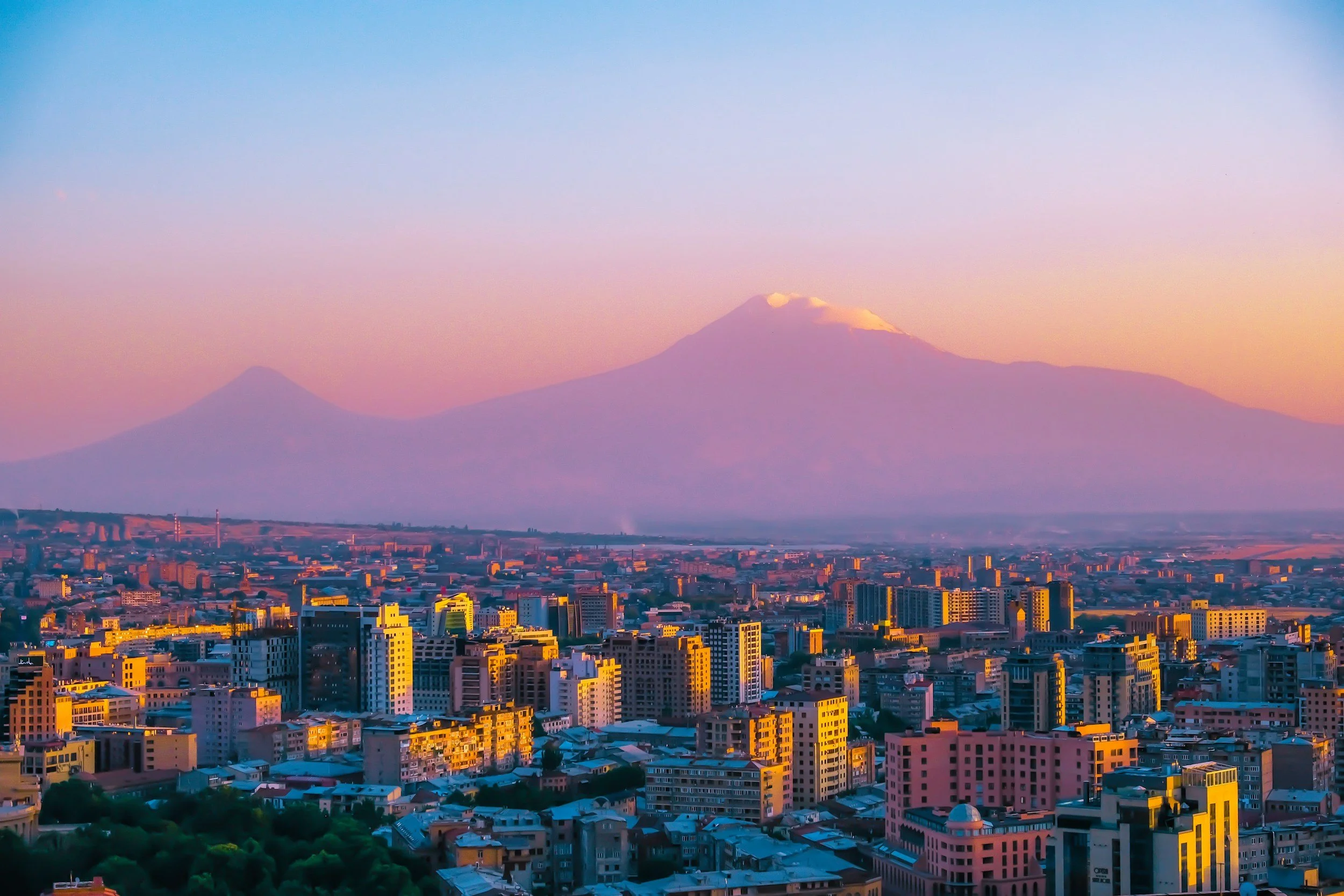
U.S. involvement in the South Caucasus has slowly and gradually intensified after the collapse of the Soviet Union in 1991, when the newly independent states became strategically important due to their location between the significant energy resources in Russia, Iran, and Türkiye. The region is referred to as the Middle Corridor, and one that could become critical as a way to circumvent Russia in overland trade with Asia.
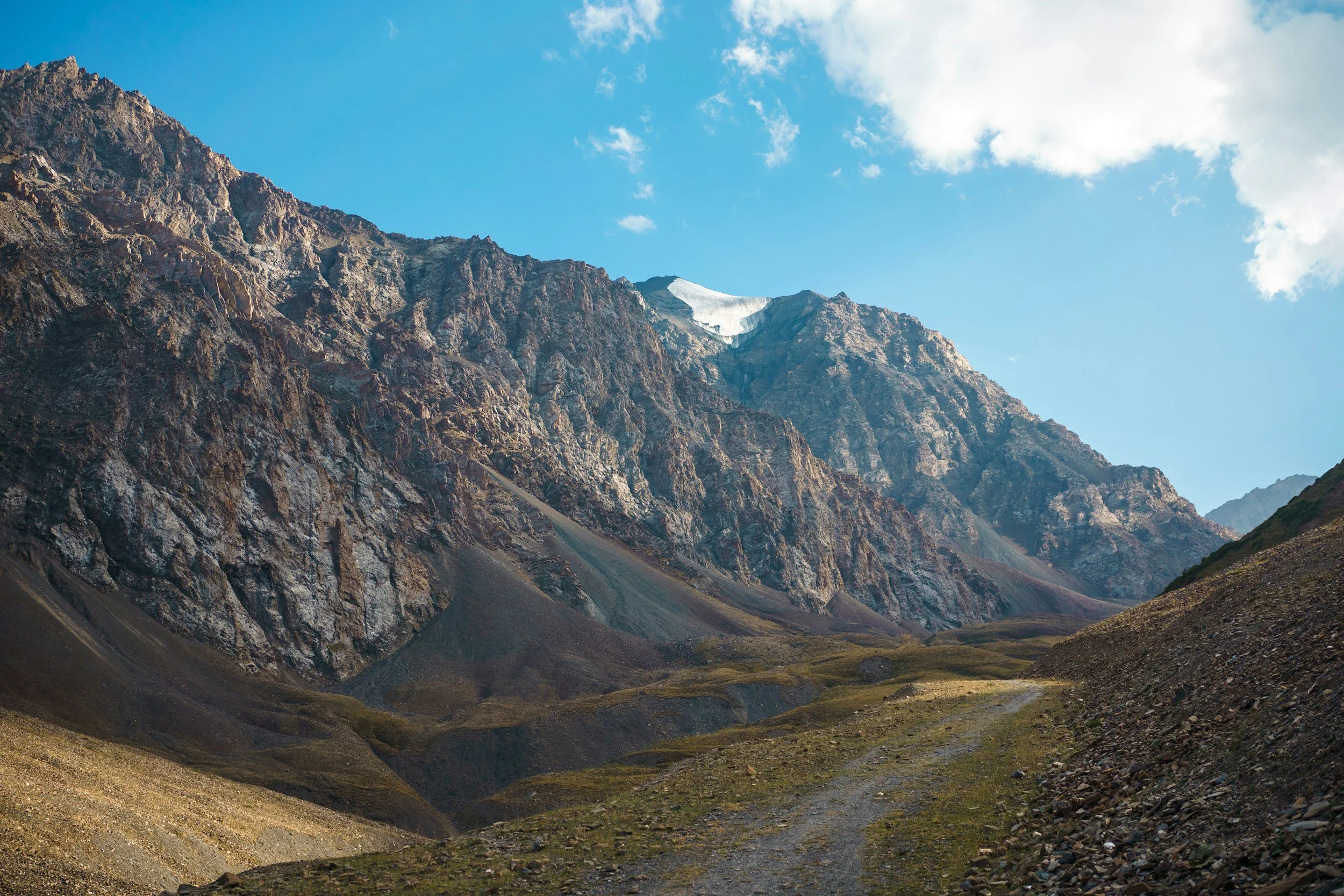
Since the collapse of the Soviet Union, the Fergana Valley region – encompassing parts of Kyrgyzstan, Tajikistan, and Uzbekistan – has been plagued by recurring violence rooted in decades of undefined borders. Minor disagreements frequently escalate into full-scale territorial and ethnic clashes, and the absence of regional cooperation has long stalled peace efforts in the Fergana Valley. Yet in March of 2025, the three states signed a historic treaty, offering new hope of easing tensions in the valley.
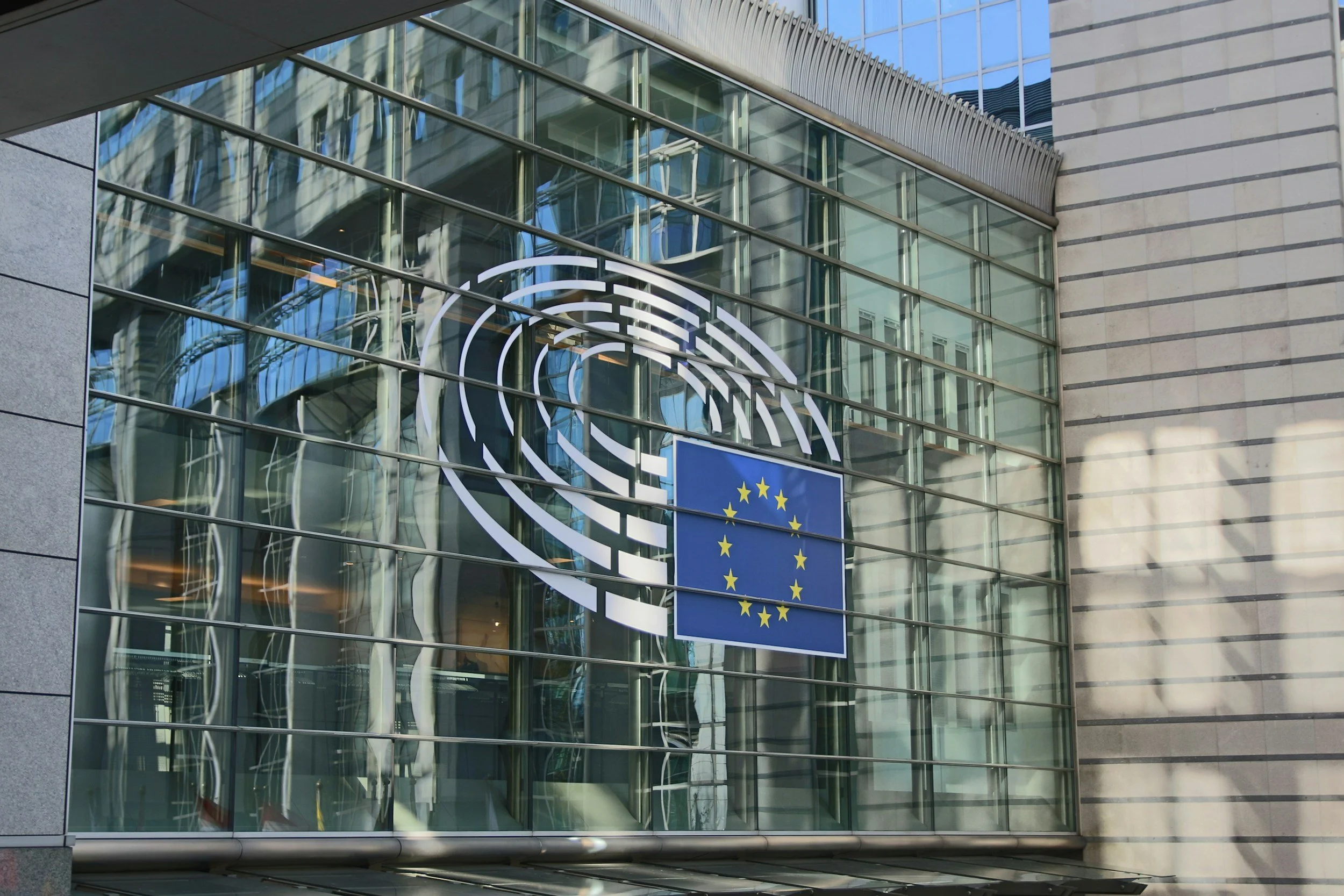
The Enlargement Package Report represents both recognition and restraint from the EU in terms of Ukraine. It acknowledges Ukraine’s extraordinary progress under extreme duress, but warns that membership will still require years of sustained reform from the country. Ukraine’s government continues to insist that reforms are advancing as quickly as wartime conditions allow. As Brussels debates the mechanics of accession, the larger question may not be if Ukraine joins the EU, but how and when Europe can adapt itself to welcome a member forged through war and resilience.
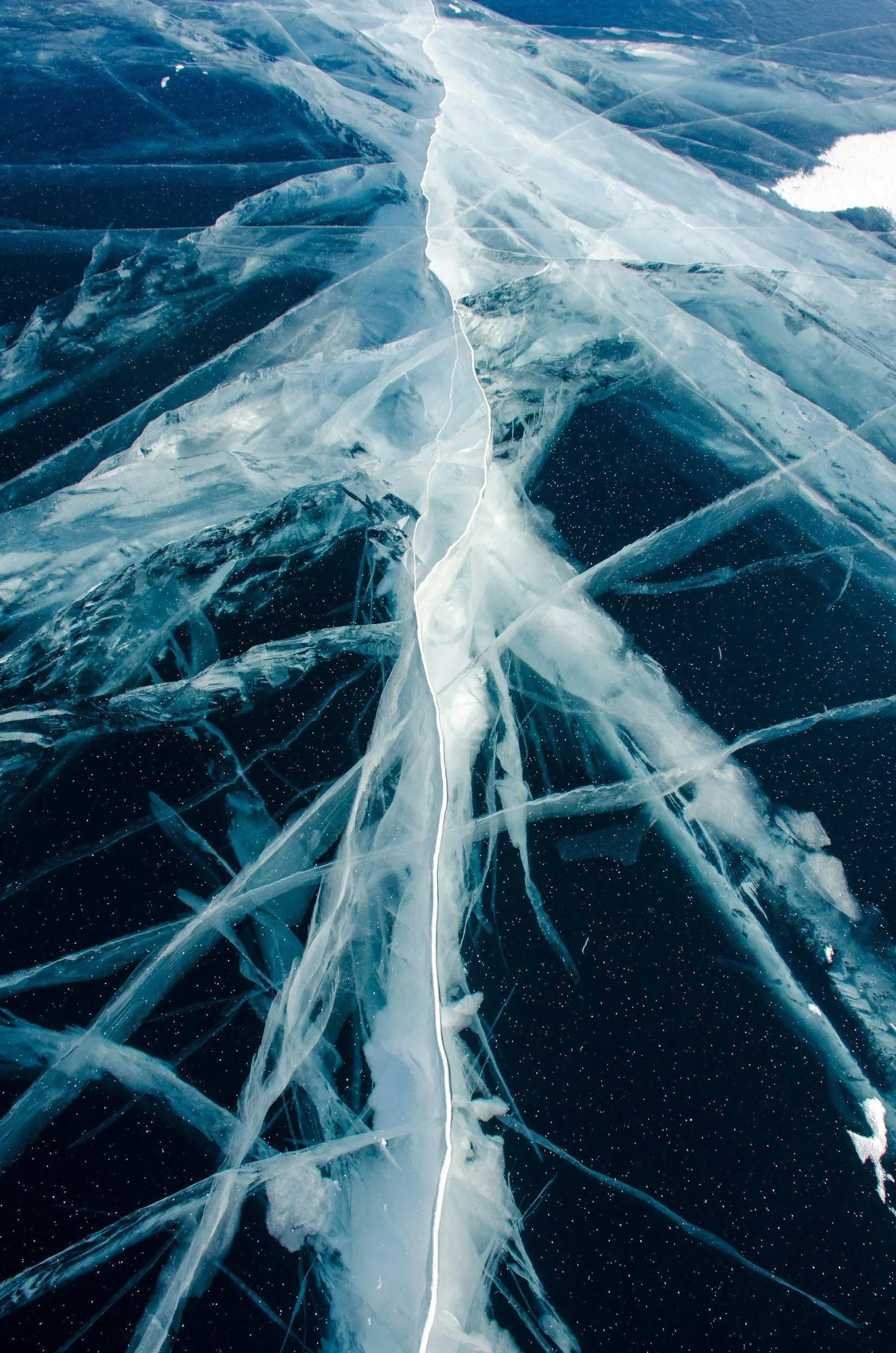
Lake Baikal illustrates how environmental vulnerability becomes intertwined with political and institutional constraints. Despite its global significance, the Lake’s protection remains hindered by fragmented authority, shifting development priorities, and uneven enforcement—revealing broader tensions within Russia’s approach to environmental governance and long-term ecological stewardship.
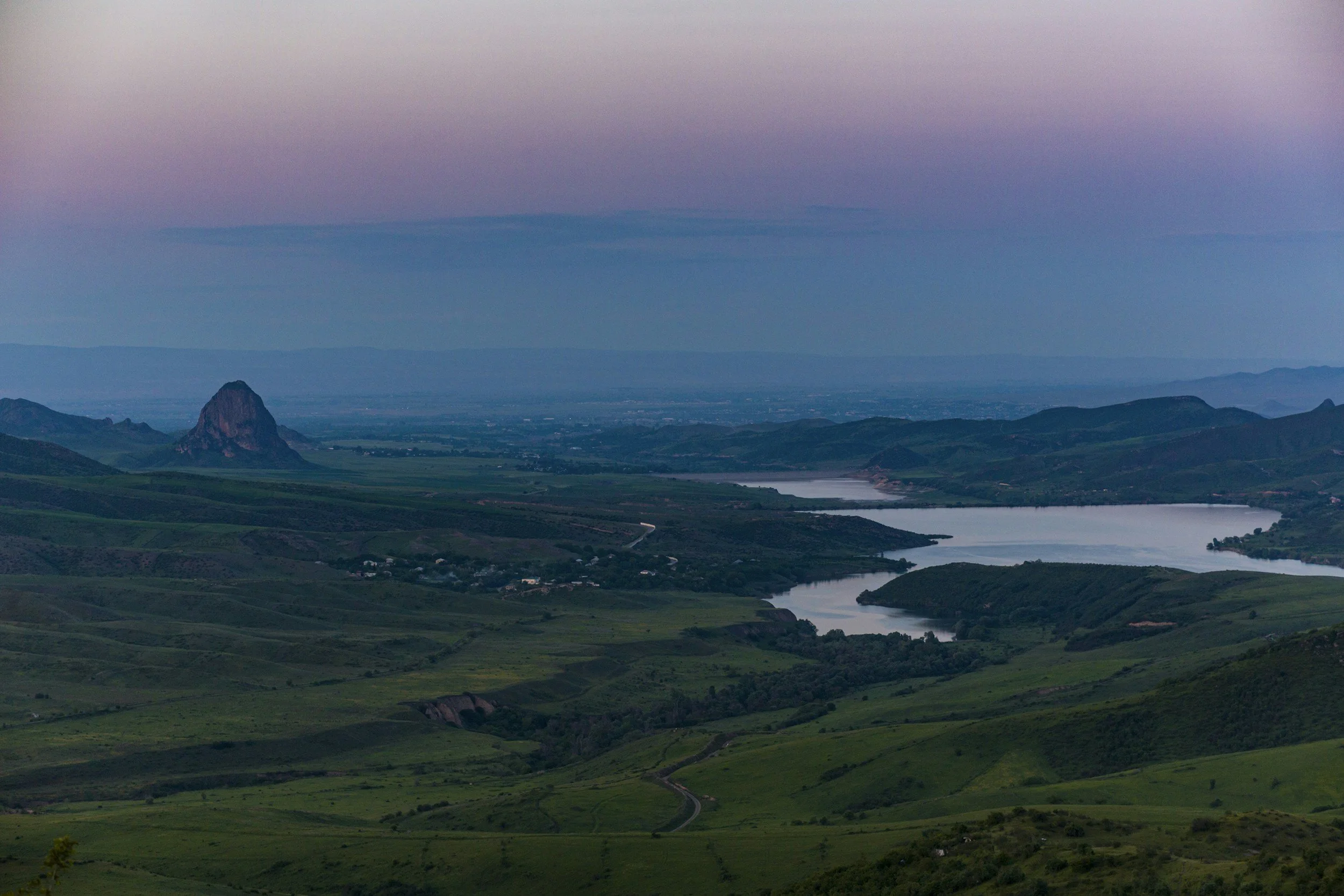
The proposed TRIPP stands as a potent symbol of what could be achieved: economic growth, regional connectivity, and lasting peace. But, without final signatures, it remains a vision rather than a reality. The unfinished nature of this agreement underscores that peace between Armenia and Azerbaijan cannot be declared through ceremony alone; it must be built through sustained trust, compromise, and accountability. Until then, the promise of peace remains just out of reach, suspended between hope and hesitation.
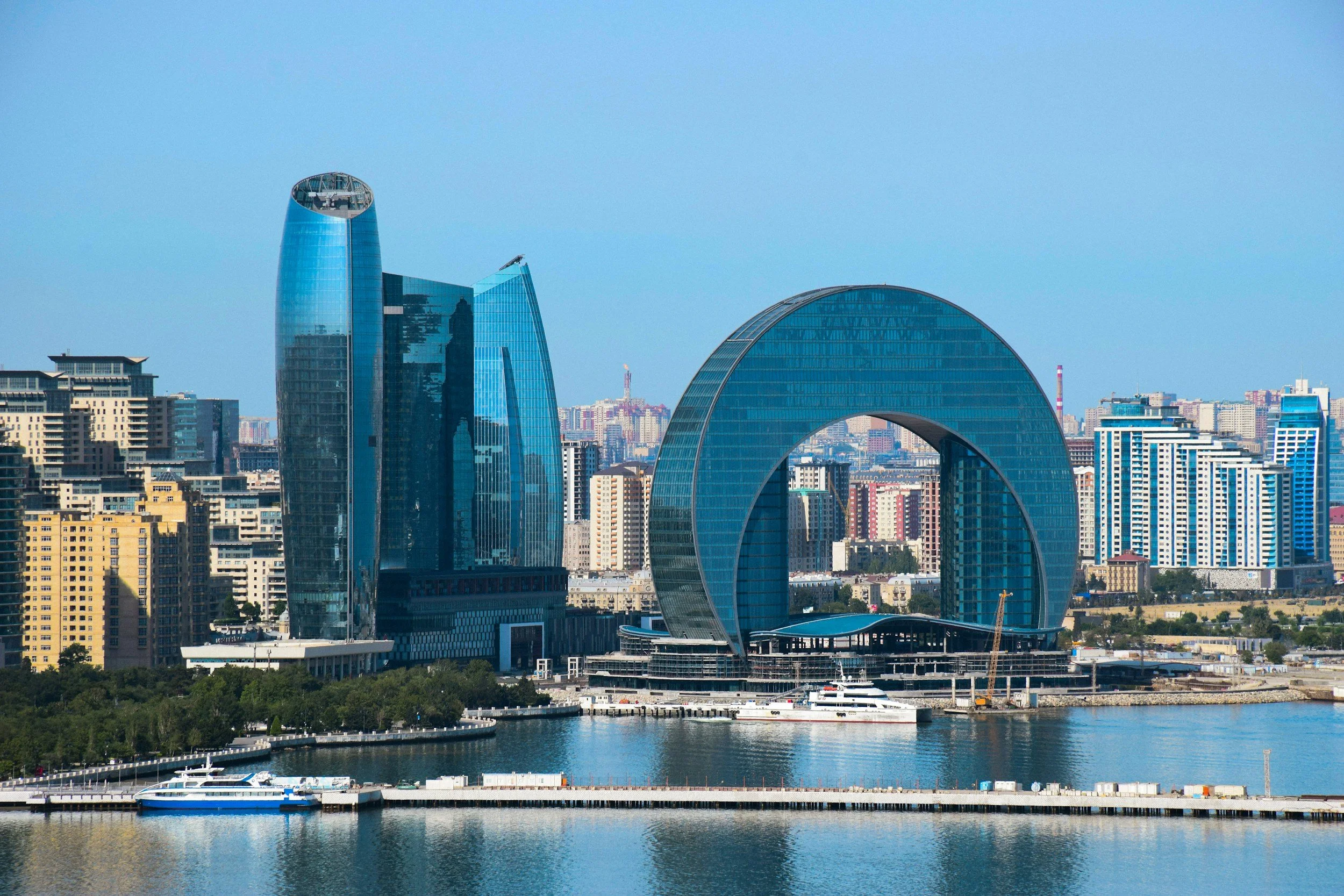
Before Pennsylvania or the Middle East, Baku was the world’s oil capital. Its 1846 well sparked an industry that fueled empires, transformed economies, and reshaped society. Yet prosperity brought pollution, inequality, and political unrest. From imperial reforms to revolutionary collapse, Baku’s story reveals how energy can build, and destabilize a nation.

The Suwałki Gap remains one of NATO’s most strategic vulnerabilities. This 65-km stretch of border between Poland and Lithuania is the only corridor separating Russia’s close ally, Belarus, from the Russian exclave Kaliningrad. Kaliningrad is vital to Russia’s naval and military projection in the Baltic Sea, and securing a land route would be invaluable for Moscow’s strategic ambitions. As tensions with Russia persist, many defense experts warn that if Putin were to strike a NATO member, the conflict would likely begin in the Suwałki Gap.

Withering relations, market vulnerability, and growing external pressure have forced Turkmenistan to choose between continued isolation and long-term economic decline or opening up to the world. Turkmenistan has historically maintained itself isolated through authoritarian control, self-sufficiency, and abundant natural gas to fund its endeavors. However, its eroding alliance with China and previous economic crisis have propelled Turkmenistan to diversify its trading partners and sources of income.

For centuries, Russians lived under rulers who demanded obedience, from the Mongol Yoke to the iron grip of serfdom and the Church’s calls for humility. These forces taught generations that survival meant submission. Even now, traces of that legacy endure, shaping a culture where authority is feared, accepted, and rarely challenged.

By criminalizing lawyers committed to defending the right to a fair trial and exposing human rights abuses, the Government of Belarus undermines essential international standards and further drives Belarus away from democracy. These measures reveal a regime intent on eradicating independent voices and tightening authoritarian control, while simultaneously signaling to the international community the urgent need for continued attention and accountability.

Russia has weaponized artificial intelligence to spread disinformation, infiltrating chatbots and trusted sources. Transforming its traditional propaganda tactics and capitalizing on gaps in U.S. cyber oversight, Russia has distorted public perception, spreading false narratives about Ukraine and the West.

At 3:02 on the morning of February 24, 2022, Russia launched a cyberattack on the American satellite company Viasat. Just one hour later, Russia began its full-scale invasion of Ukraine. This attack signaled the initiation of Russia’s hybrid war strategy, using cyber capabilities in tandem with military forces against Ukraine. The use of cyber warfare in the Russo-Ukrainian War challenges the standards of traditional warfare and sets a new precedent for future conflicts.

The Soviet Union has historically employed linguistic imperialism to dominate its diverse linguistic and ethnic populations. In a post-Soviet era, remnants of Russian linguistic strategy continue to shape regional geopolitics as many former satellite states reject its political implications.

The Russian-sponsored Wagner Group serves as a geopolitical tool to expand Russian influence and strengthen ties with Russian allies. It sets a new standard for the expansion of geopolitical influence beyond traditional diplomacy and military aid.

Skyrocketing gas prices, the perceived encroaching threat of communism, the Iranian hostage crisis, and the Vietnam War had dealt serious blows to the country’s morale. Then twenty young Americans overcame all odds to beat the Soviets, the best team in the world, before going on to win gold in the Olympics… As Eruzione puts it, ‘For some people, it was a hockey game. But for a lot more people, it was far greater than a hockey game.’

Russia’s reliance on Arctic resources is increasingly threatened by the rapid thawing of the permafrost, causing infrastructure collapse, the release of greenhouse gases, and increasing global temperatures. As climate change accelerates, Russia is facing mounting economic and geopolitical strain, compounded by shifting global markets and Western sanctions. With other Arctic nations expanding their presence in the region and Russia’s diminishing influence, the Kremlin must decide whether to adapt to the crisis or risk further economic and geopolitical decline.

On January 1, 2025, Russia cut off natural gas supply to Transnistria, a breakaway region of the Republic of Moldova. Russia hopes to strengthen its control in the region and inhibit Moldova from joining the European Union. The Russian decision to eliminate its supply of natural gas to Transnistria will influence the upcoming parliamentary elections, where Moldova and Transnistria will decide whether to retain the current pro-EU parliament.

Russian soldiers weaponize sexual violence to demoralize and inflict harm on the Ukrainian people during the Russo-Ukraine war.

Putin attempted to shift global power dynamics after hosting a summit with the intergovernmental organization of Brazil, Russia, India, China, and South Africa (BRICS) and receiving aid for the ongoing Russo-Ukrainian war from North Korea.

In August, Bulgarian President Rumen Radev announced that another election would be conducted on October 27 after a majority failed to be produced in June. This stagnant state of affairs in Bulgaria’s parliament not only creates political fatigue for Bulgarians nationwide but enables a much desired neutrality for Russia in its war in Ukraine.

This year’s election to determine the upcoming structure of Georgia’s 150-seat parliament was, to many, a turning point in its path towards integration with the European Union (EU) or further alignment with its northern neighbor—Russia.

An overview of the ongoing controversy around Anastasia Trofimova’s documentary film Russians at War.

On Friday, March 22, 2024, over 60 people were killed and over 140 people were injured in a shooting at Crocus City Hall in Moscow. It was the deadliest shooting Russia has seen in decades, and sent shockwaves across Russia. ISIS-K–the Islamic State Khorasan Province–has claimed responsibility for the attack. ISIS-K, a branch of the Islamic State, was declared a ‘global terrorist organization’ by the U.S. government in 2016.
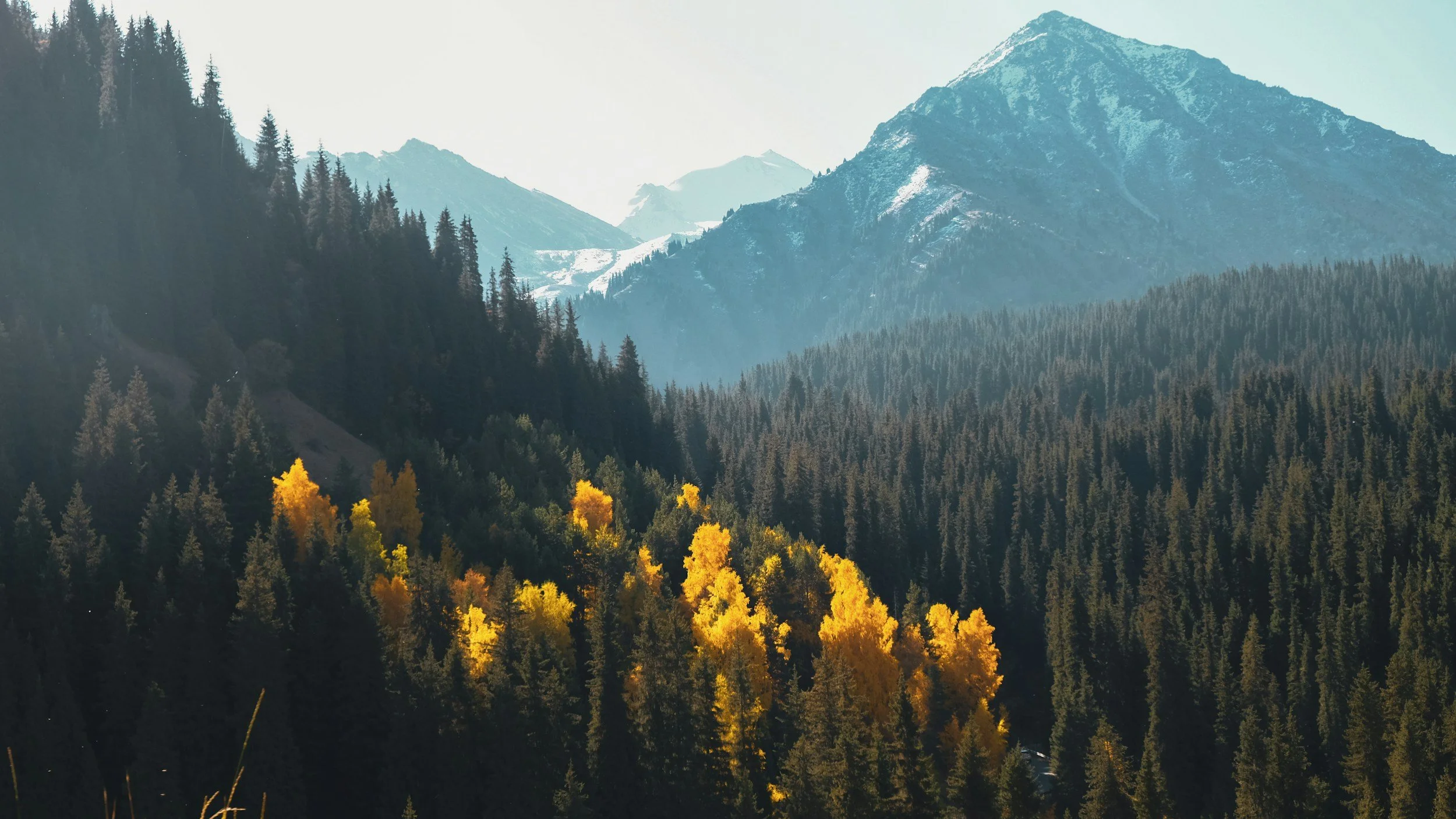
Domestic violence is a human rights issue many women in Central Asia face today. A reflection on domestic violence in Kazakhstan presents a discussion about women using their agency to advocate for criminalization and stronger protections.

The year 2024 marks the 100th anniversary of Sergei Parajanov’s birth. A reflection of Parajanov’s contributions and impact present a discussion about Ukrainian nationalism and identity in the 20th and 21st centuries.
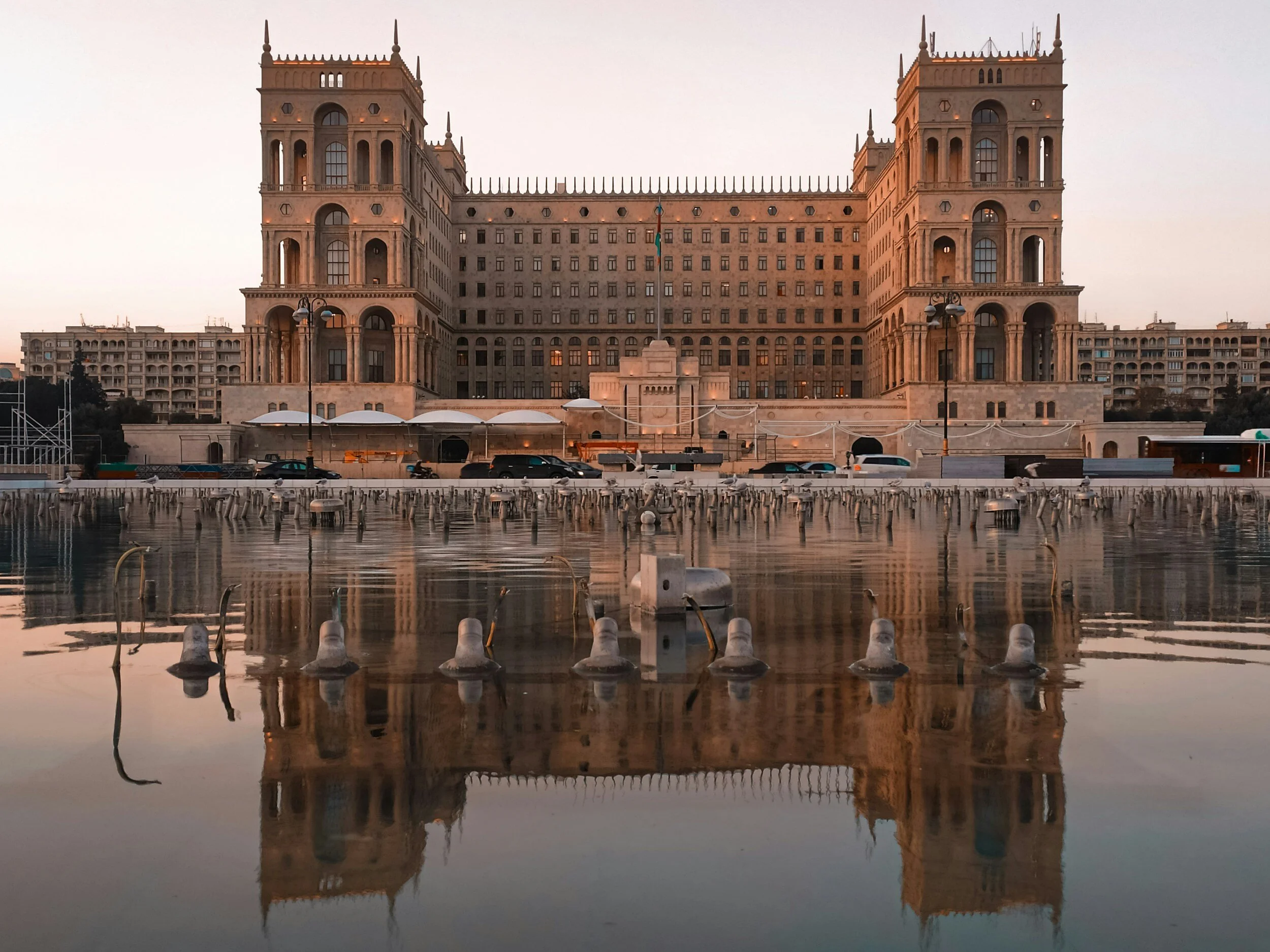
In late 2023, Azerbaijani President Ilham Aliyev called early presidential elections for February 2024, a year earlier than the end of his term. However, given that Azerbaijan is an extremely authoritarian state with staged elections, many have wondered why Aliyev would want to hold the vote a year early, especially since he would likely rig the elections regardless if they were to be held in 2024 or 2025.
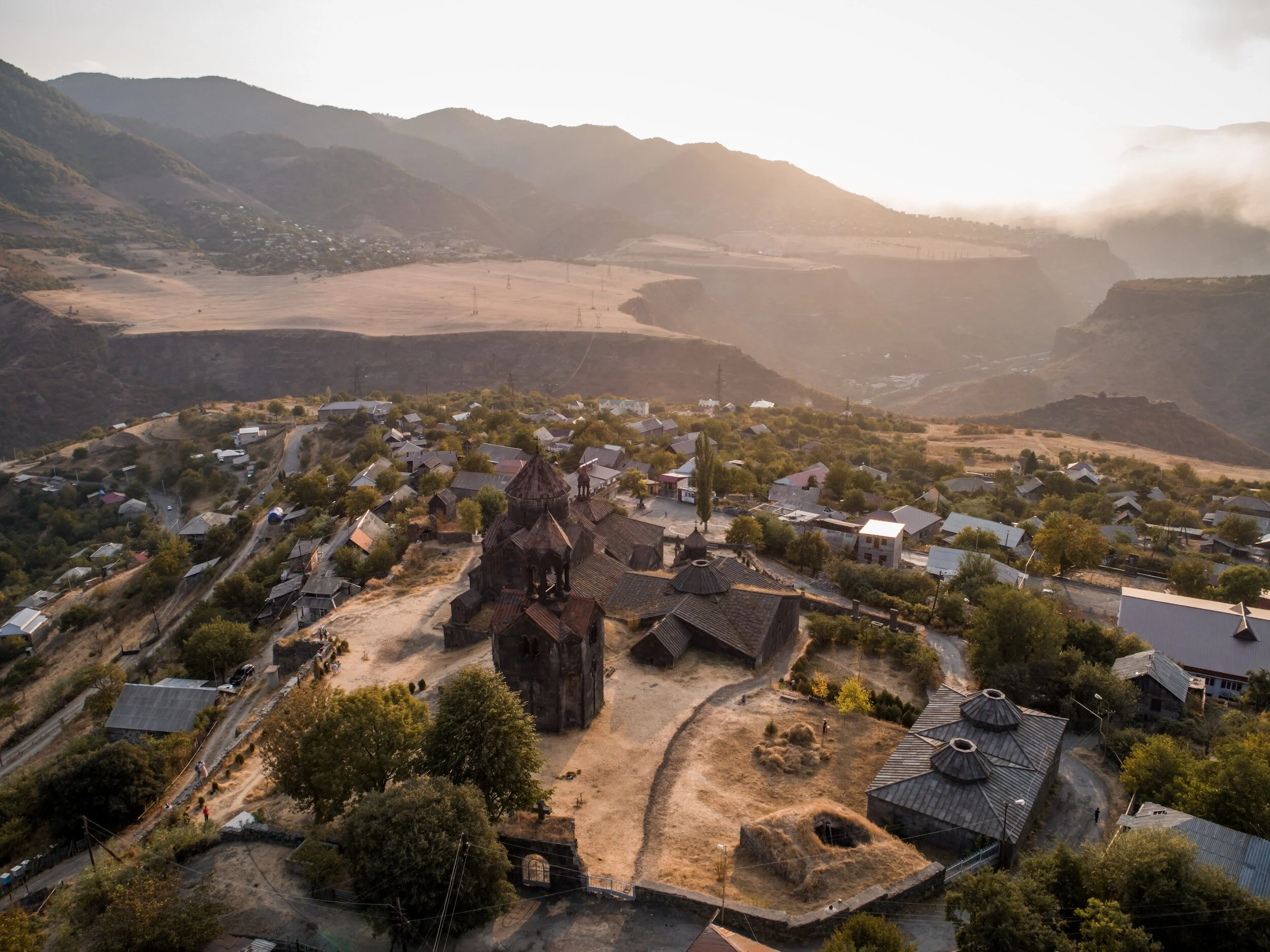
Following the end of the Nagorno-Karabakh conflict for the foreseeable future, disagreements on negotiation formats, border demarcation and delimitation, and the opening of trade routes, propagate tension between Armenia and Azerbaijan.
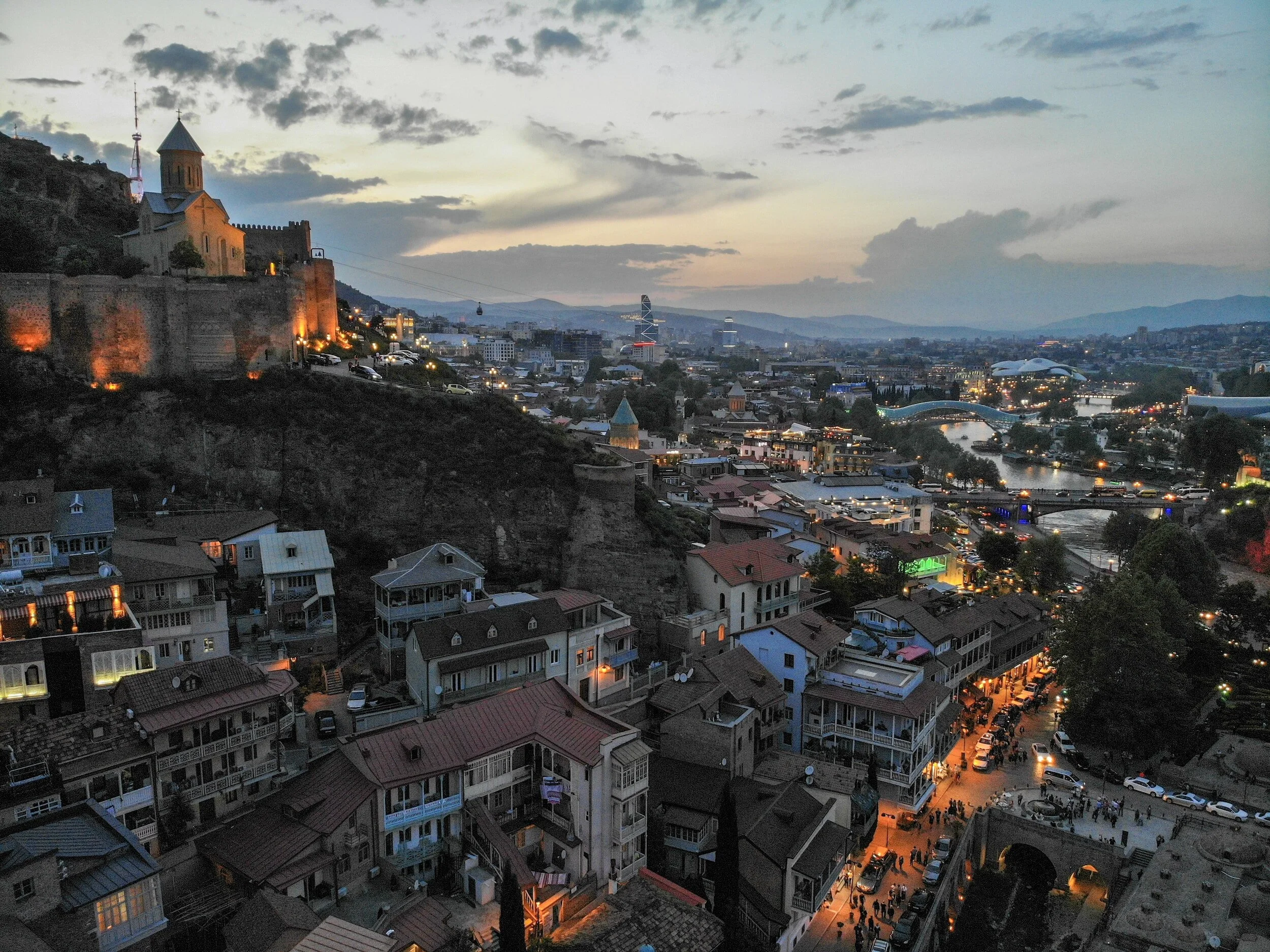
A look into recent legislation in Georgia that may jeopardize their EU and NATO candidacy. Tensions between Georgia and the West on a rise, as Georgia plays into Putin’s narrative.
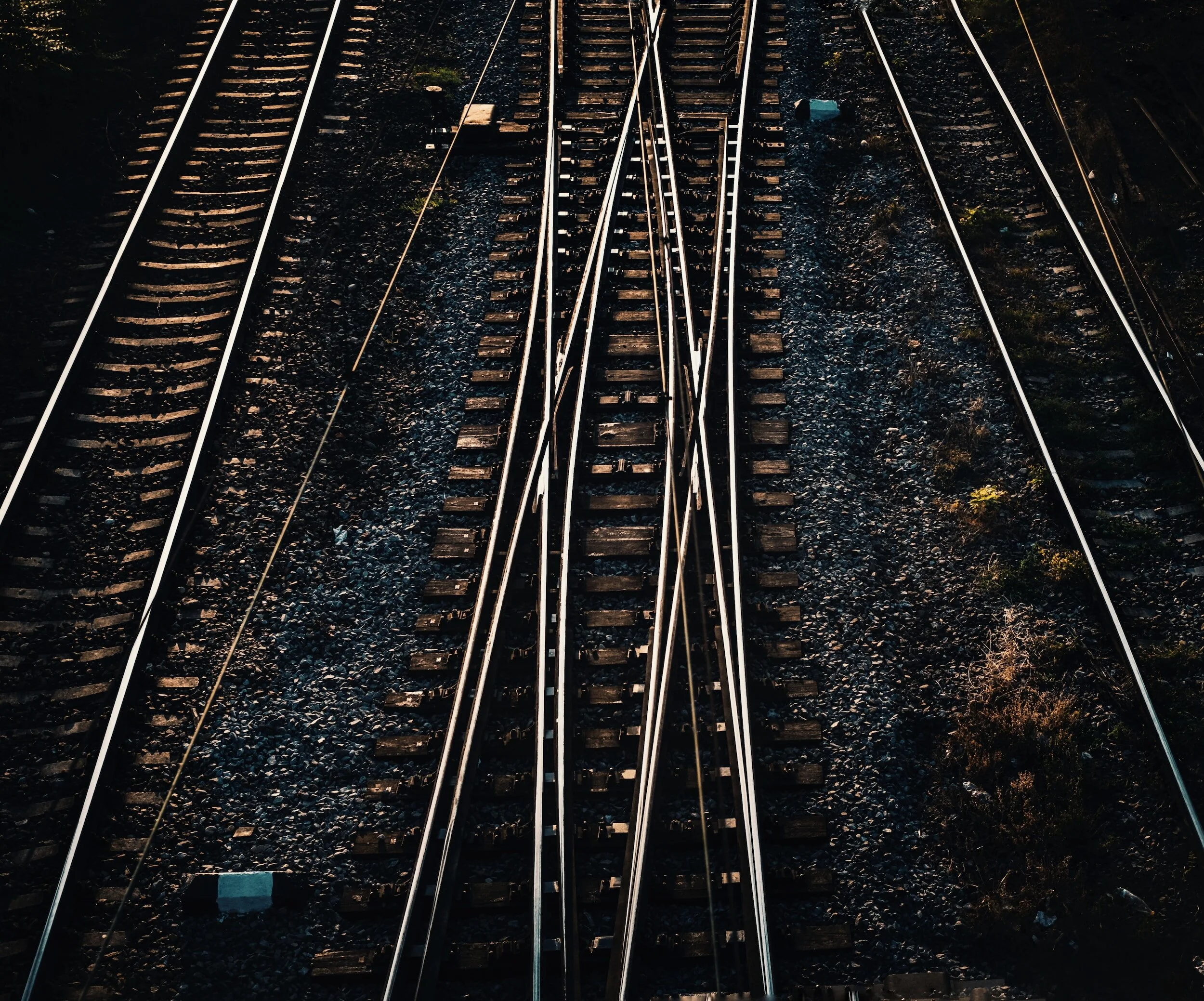
For decades the Baltic States have been connected to Russia via a common rail gauge and Soviet influence. With the construction of Rail Baltica punctuating their realignment towards Europe, the potential positive impacts of this transformative project will reverberate not just through the Baltic region but throughout the European continent as a whole.