AMERICAS

In 2017, when the popular fitness app Strava released its Global Heatmap, at first, it seemed like a harmless engagement feature, perhaps a sort of Spotify Wrapped for runners. However, one observant Australian college student was the first to point out there might be more at play. Sure enough, analysts and academics soon confirmed that Strava’s gold mine of data posed an overlooked security risk, carrying implications far more consequential than exposing the most underrated running trail in town.
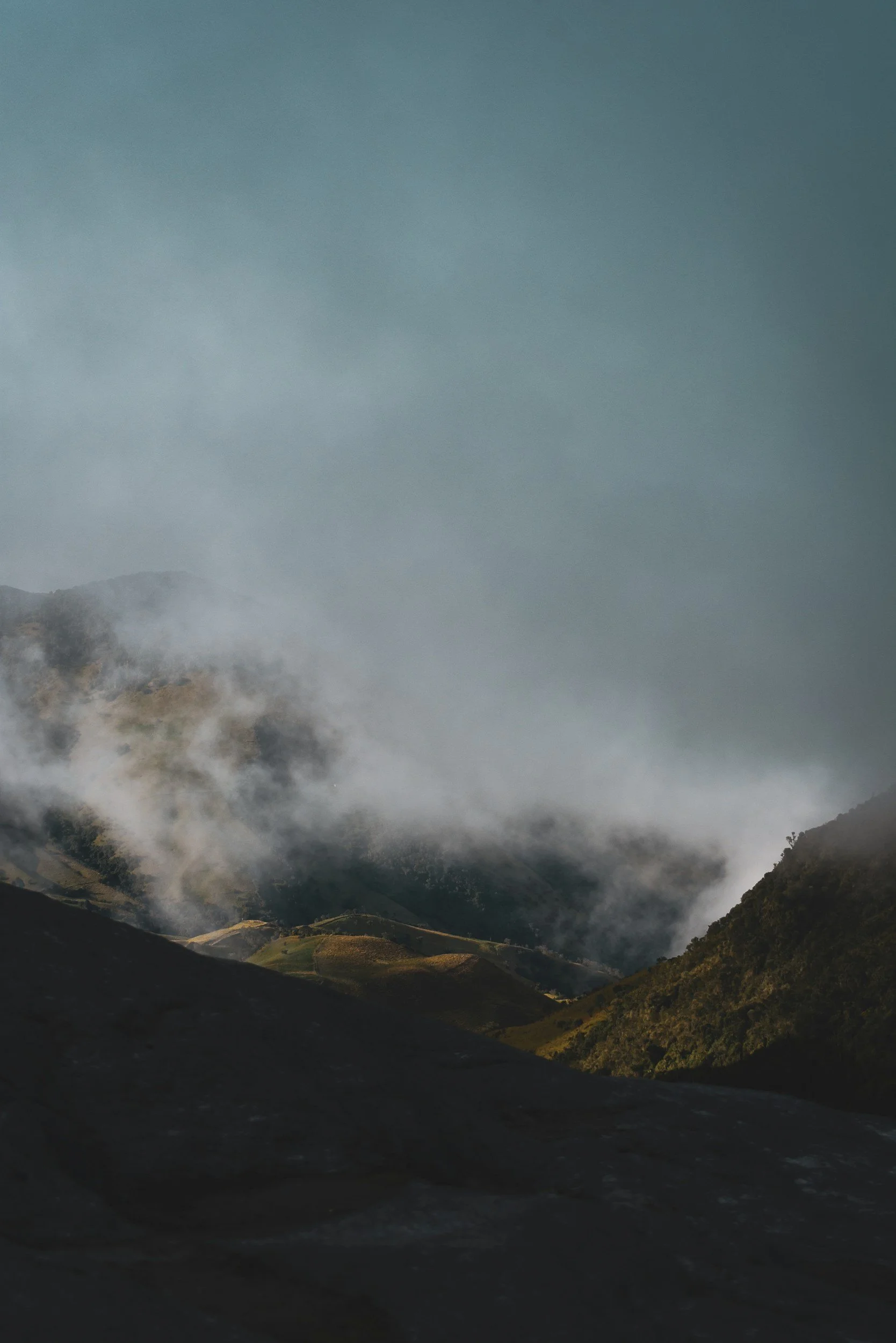
The 1985 eruption of Nevado del Ruiz buried several Colombian communities beneath deadly volcanic mudflows, killing more than 25,000 people and exposing the catastrophic failures in the country’s disaster preparedness. Nearly 40 years later, what can the tragedy of the eruption and destruction of Armero still teach us about disaster risk management and the consequences of ignoring scientific warnings?
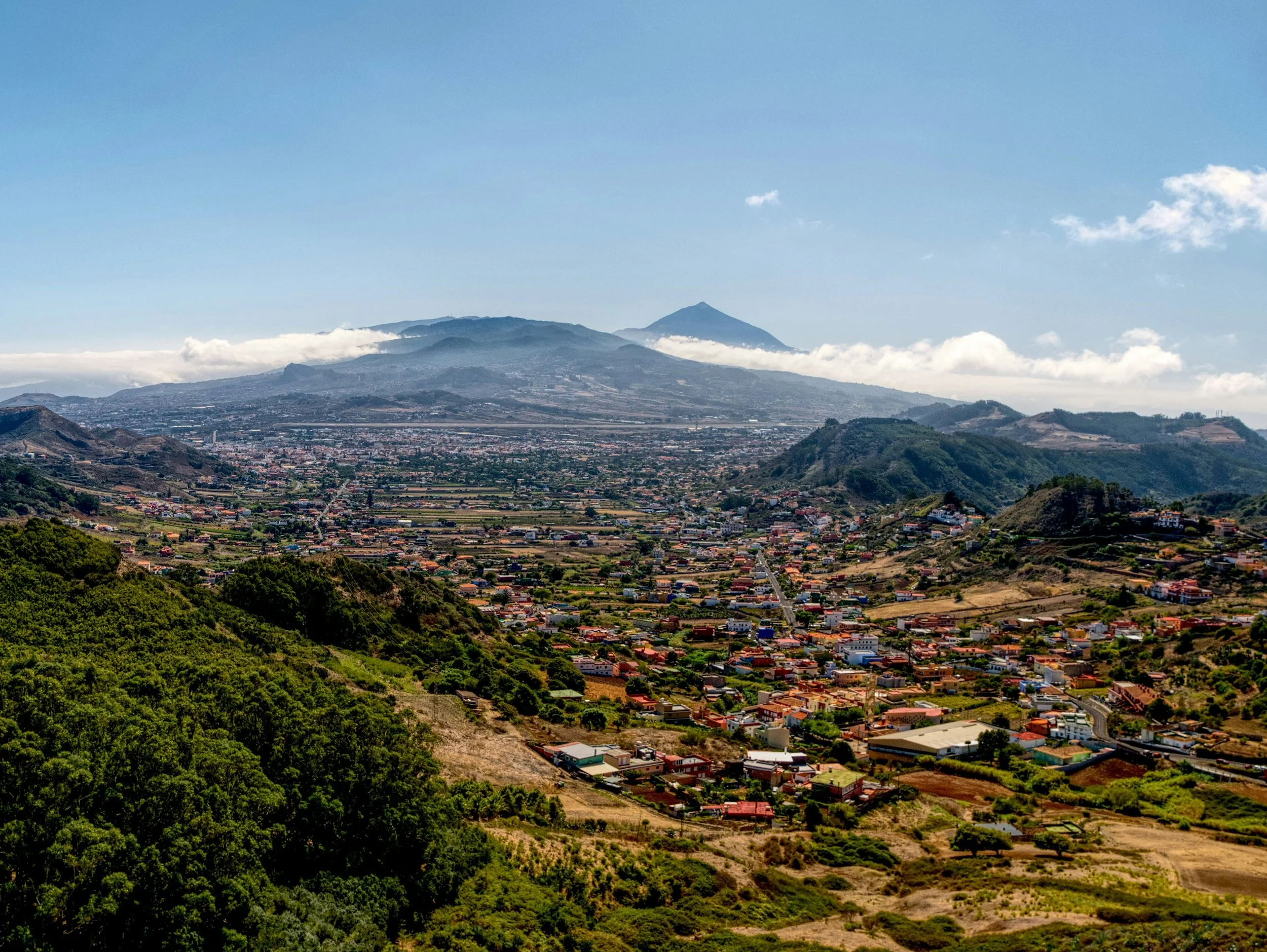
Nations can be ripened through democratic institutions or still be raw and vulnerable to the negative impacts of an autocratic regime. This article explores the rise and fall of Nicolás Maduro Moros, the collapse of a previously booming petro-state, and the human cost of authoritarianism and its impact on democracy. The article examines the current international and Venezuelan hope for democratic renewal in a country caught between crisis and change.
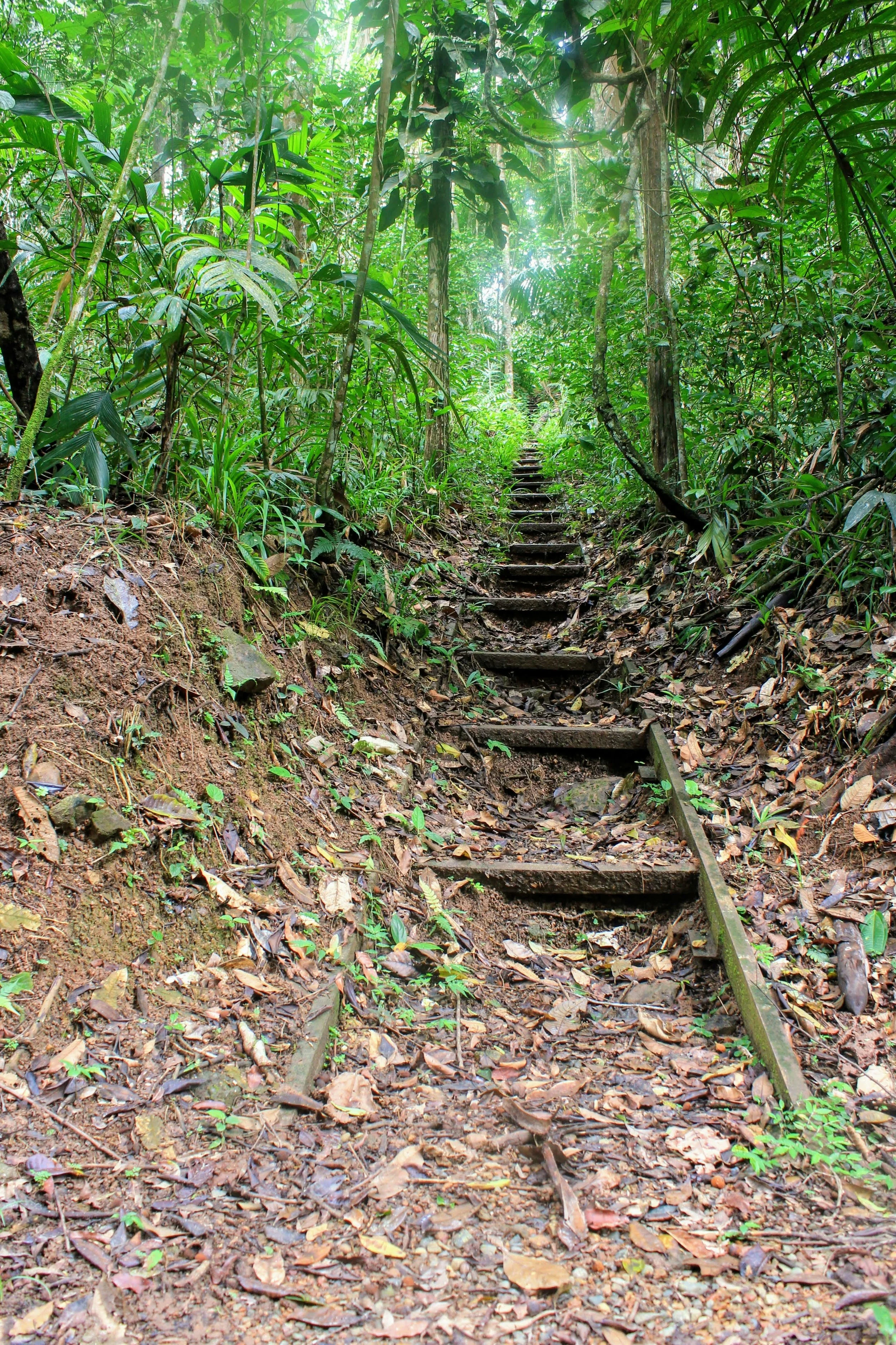
The Darién Gap has emerged as a popular route for migrants traveling to the United States, with hundreds of thousands women, men and children attempting to make the dangerous journey. With the intention of reducing migration, the U.S. has partnered with Latin American governments to establish policies that halt migration before migrants reach the U.S.-Mexico border. The question remains, are these policies actually reducing migration, or are they simply pushing migrants to take more dangerous paths?
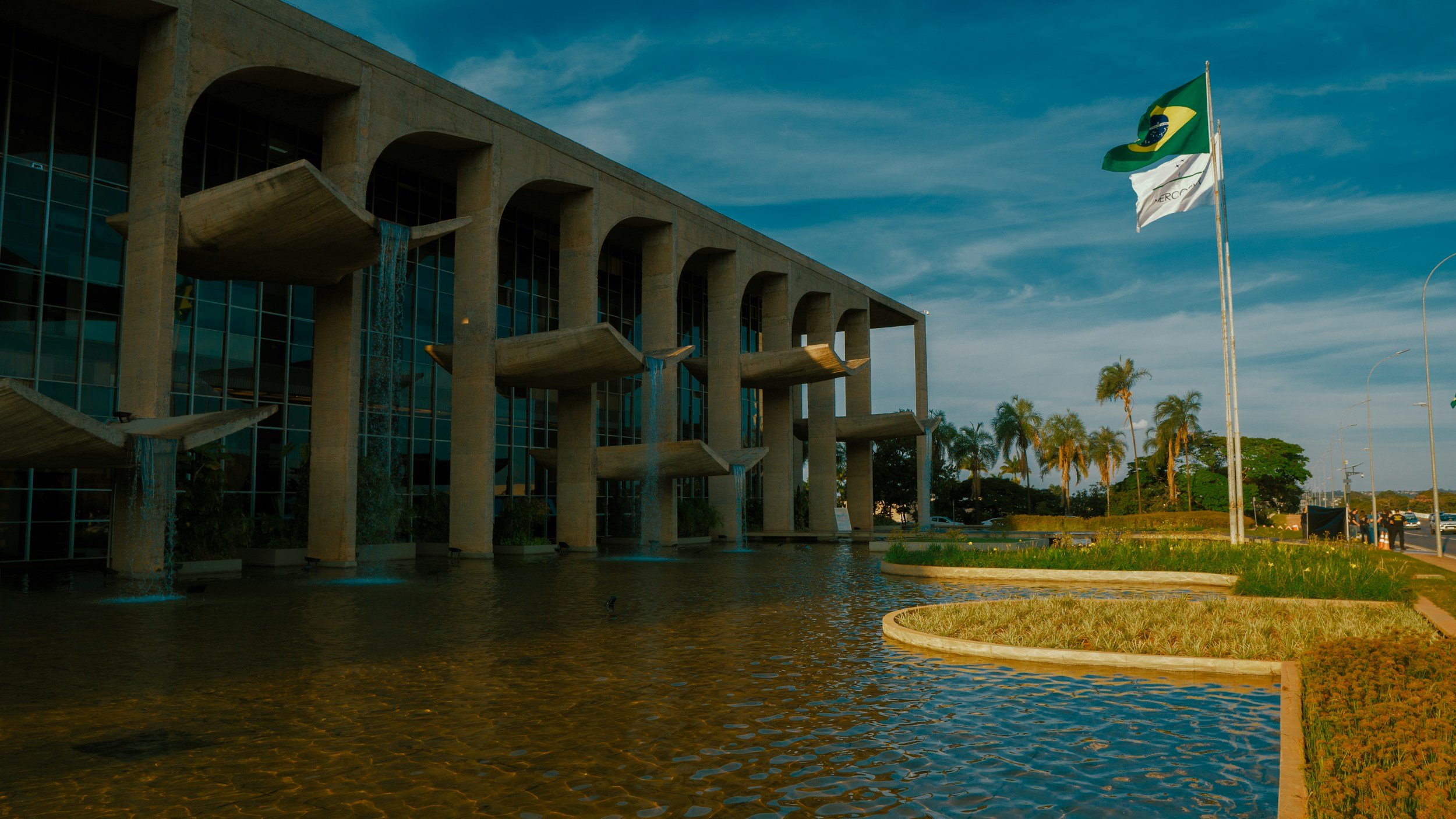
Following violent police raids on two of Rio de Janeiro’s northern favelas, the Penha and Alemao Complexes, there have been sharp criticisms of the city’s governing authorities. The raids, now known as Operation Containment, are the country’s deadliest in history with an estimated death toll of 122. Interestingly, disagreement among the national and state governments is a salient feature of the raids, as the two forces carry out legislative action independent from one another. Aside from prominent gangs that orchestrate criminal activity in the area, this article seeks to highlight the harmful nature of generalizations frequently made about the inhabitants of Brazil’s favelas.
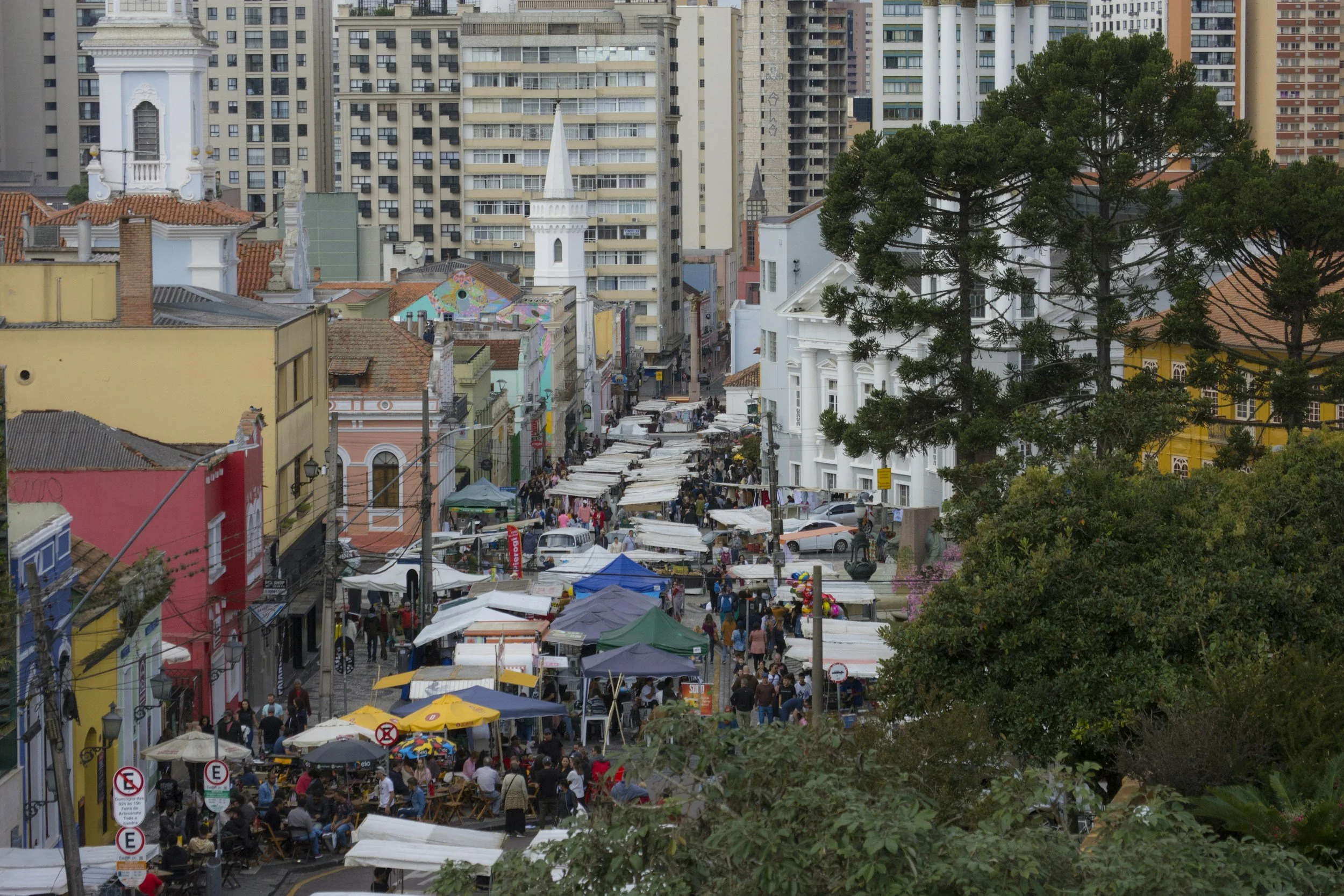
Today, over 100 million people are forcibly displaced. In the last six years, the number of asylum seekers has doubled, totaling 8.4 million by the end of 2025. Of these, Venezuelans make up the biggest number of asylum seekers, totaling 6.5 million. Brazil has emerged in the region as a key leader in refugee resettlement, welcoming many under its 1997 Refugee Law and federal program, Operação Acolhida. Yet, even with these legal protections in place, many Venezuelan refugees continue to face barriers in employment, language services and healthcare, revealing that much work still remains.
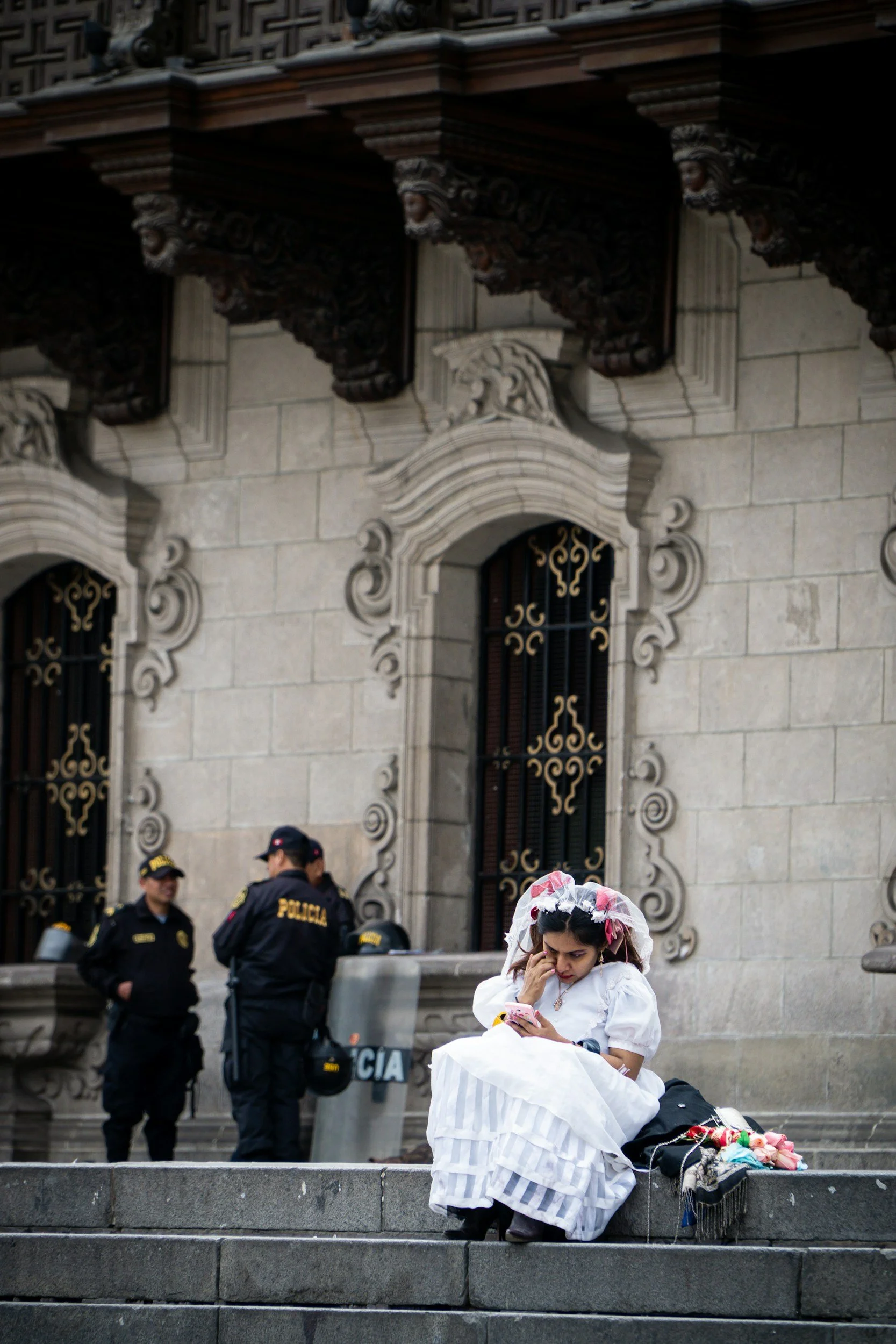
In a world increasingly defined by superpower rivalry, Latin America is no longer content playing the supporting role. Drawing on the drama and self-discovery of the classic telenovela, this piece reframes the evolution from the Non-Aligned Movement to today’s doctrine of active non-alignment as a story of autonomy, identity, and strategic reinvention. As global power shifts toward blocs like BRICS and leaders such as Luiz Inácio Lula da Silva pursue diplomatic flexibility amid rising tensions, Latin America is redefining its place in the international order, and this time, it is not as a pawn in great-power competition, but an author of its own script.
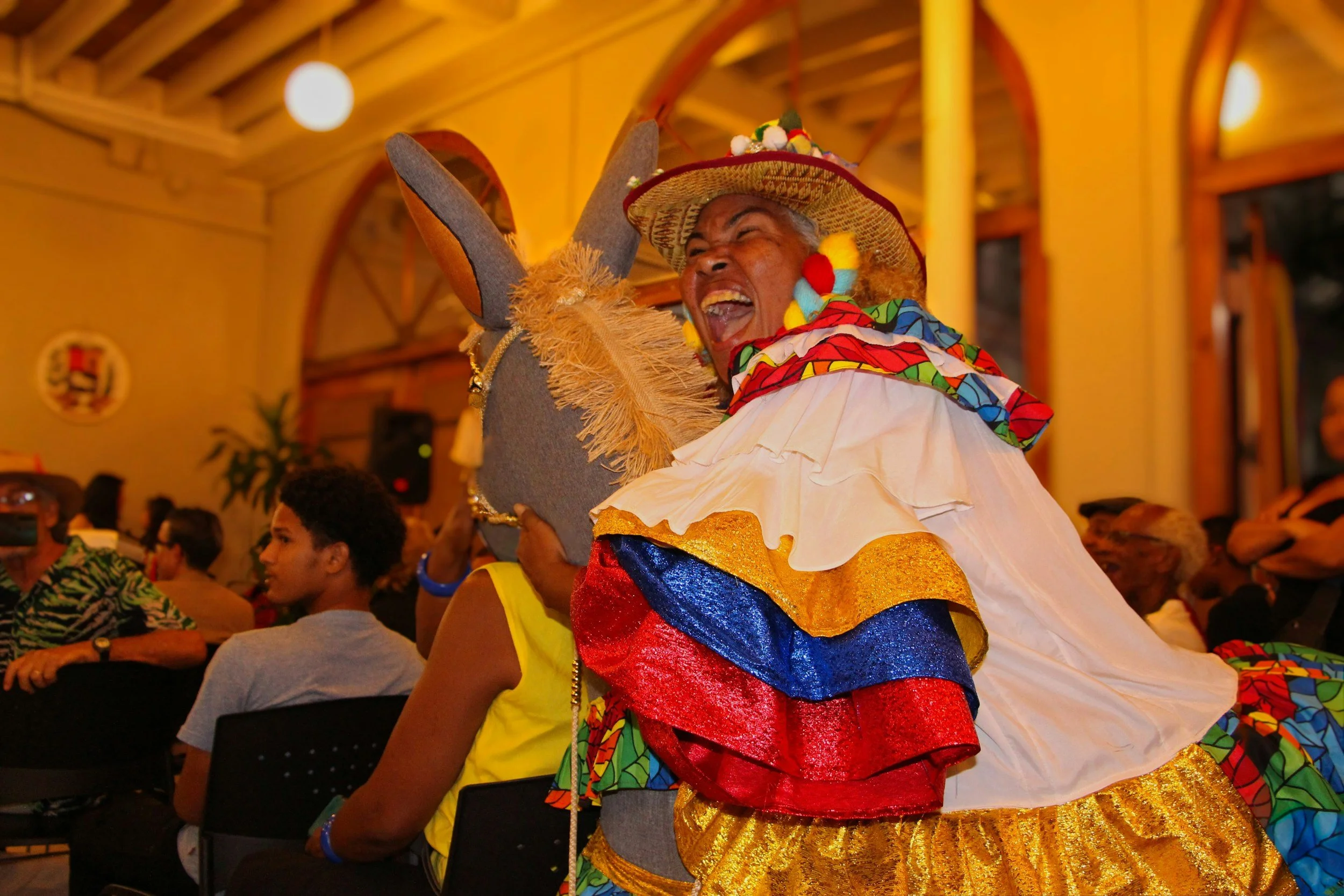
The article explores the relationship between music and politics through a Latin American lens, examining how music and dance have become powerful tools of resistance in the Colombian political landscape. Through the Colombian historical period of “La Violencia” to tax reforms and social changes, Colombian politics have inspired several works of music, such as salsa lyrics denouncing class-based racism by Joe Arroyo. In response to political movements, including former President Ivan Duque’s reforms in 2021, the article highlights how mass demonstrations can be reflected through a collective lyrical shout of resistance and through the mass movement of musical beats and rhythm. Music in Colombia reveals the way communities transform rhythm into protest and how the country establishes a powerful identity founded on political dialogue, and resistance.

On January 29, 2026, President Trump issued an executive order effectively blocking Cuba from acquiring oil imports. This decision has drawn in multiple international actors, namely the governments of Mexico and Venezuela, Cuba’s other two major oil suppliers. Mexican and Venezuelan presidents, Scheinbaum and Rodriguez respectively, grapple with whether to take a decisive stance against what many deem superfluous, U.S. intervention in the region is wise or catastrophic to more than just economic relations.

On October 9, 2025, U.S. President Donald Trump and Treasury Secretary Scott Bessent, authorized a 20 billion-dollar currency swap with the Central Bank of the Argentine Republic. Economic instability in Argentina has been a consistent issue for decades, and proponents hope that the currency swap will bring stability to the Argentine peso while increasing investors’ confidence. Some call this currency swap a “bailout” to the Argentine government, whose president, Javier Milei, is a close ally of Trump. Is this currency swap a sign of continued and growing American interference in Latin America?
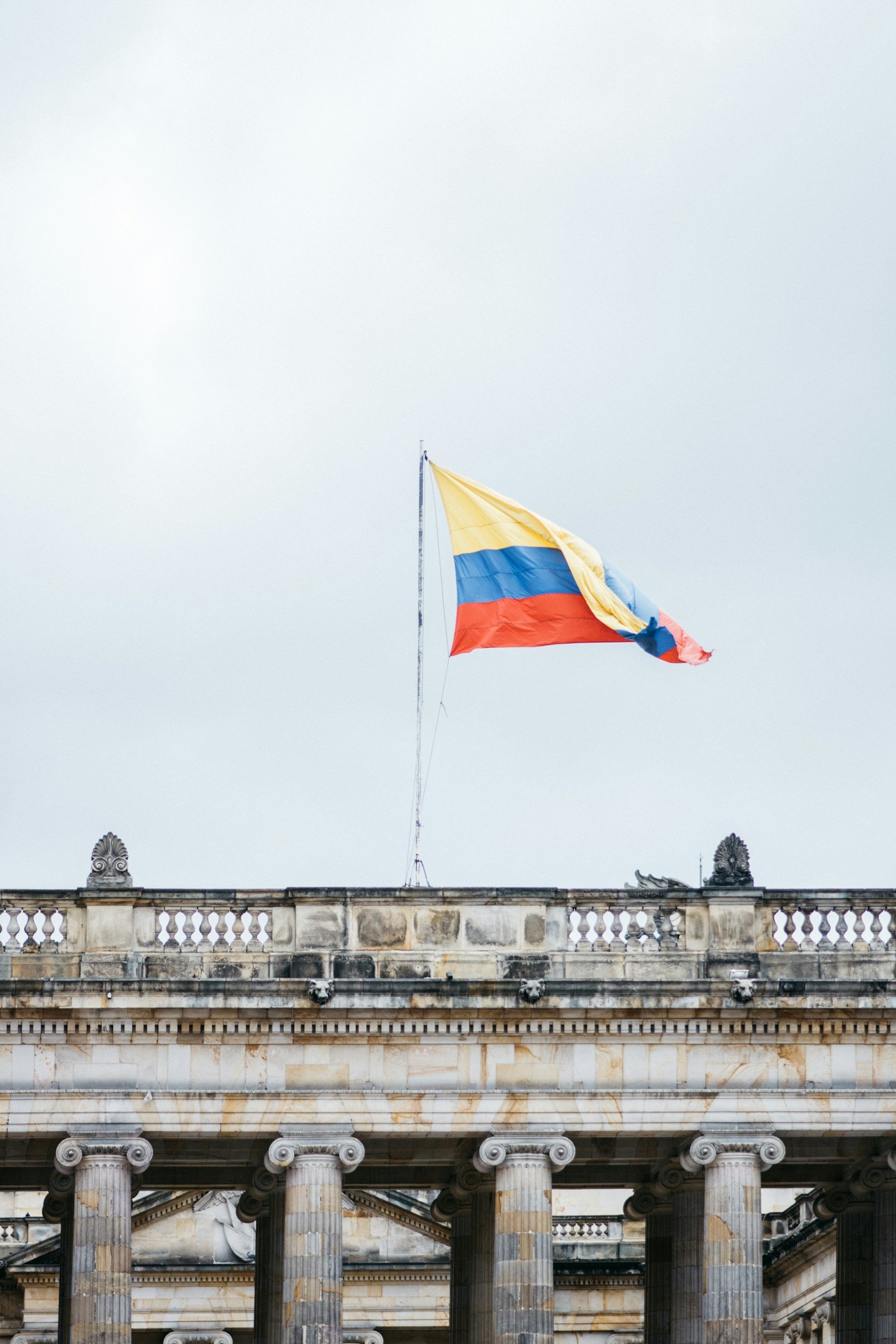
María Corina Machado, Venezuelan political activist and former presidential candidate, nicknamed the “Iron Lady,” won the 2025 Nobel Peace Prize. Her activism spans decades, working to promote fair elections, liberalization of the economy, and human rights for the Venezuelan people. She is an outspoken critic of current President Nicolas Maduro, claiming that his administration has ties to transnational drug cartel Tren del Aragua and human trafficking circles. Most recently, she supported the Trump administration, and called for its help in ousting Maduro. Her willingness to support US-backed regime change has garnered many critics, who argue that it is not reflective of the values of the Nobel Peace Prize.
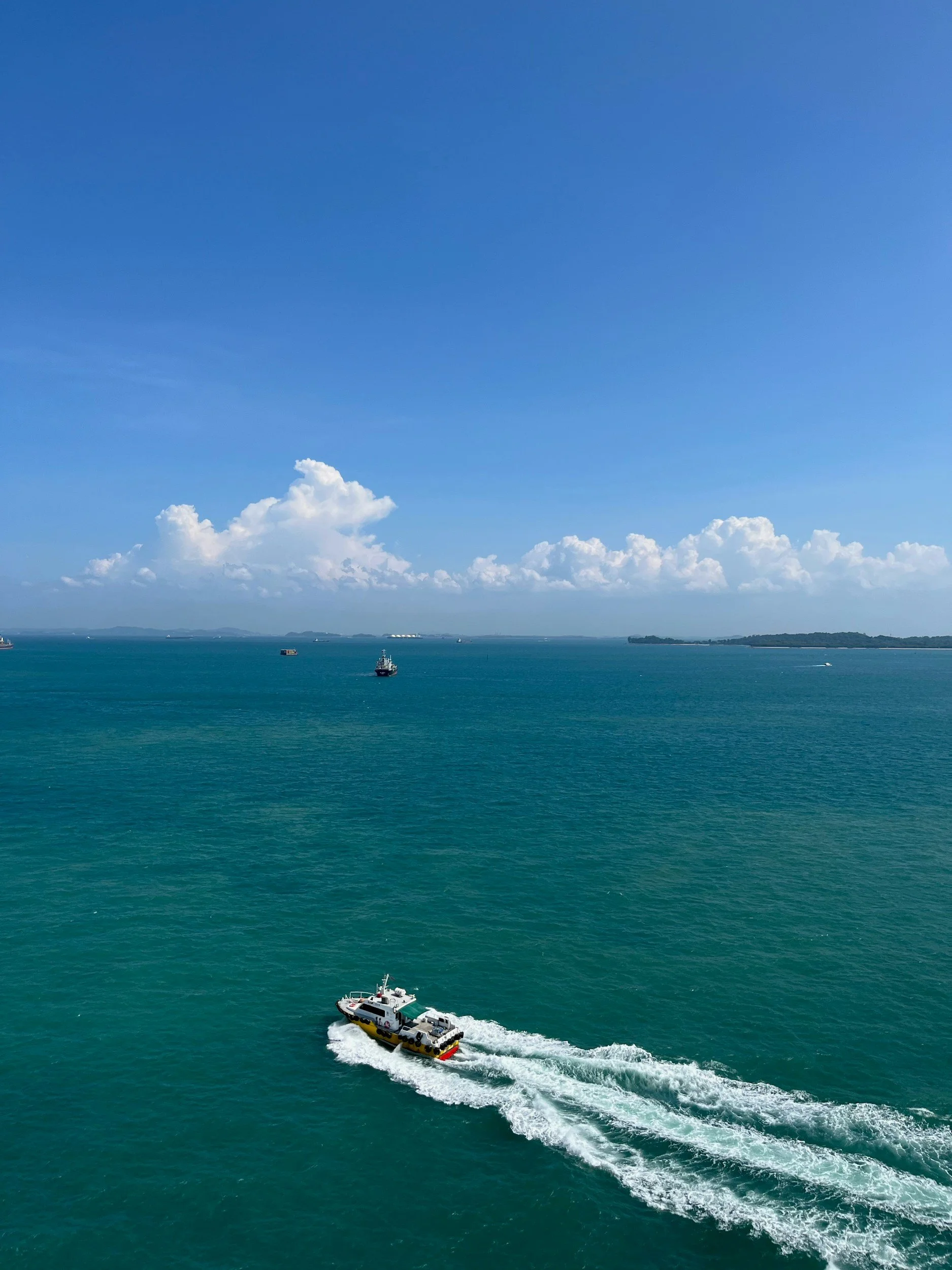
Mounting tensions between the Trump Administration and Venezuelan President, Nicolás Maduro have come to a climax in the Caribbean Sea. President Trump has launched a series of offensive strikes against ships allegedly carrying large quantities of deadly narcotics. Trump’s failure to consult with Congress over the matter has called into question the exact scope of power that the president is allowed to exercise in deploying domestic armed forces in international conflicts. The death count continues to grow as a result of these strikes, with no indication of a peaceful agreement between Trump and Maduro, and Congress for that matter, in sight.

As gang violence in Haiti continues to inflict devastating effects on Haiti’s population, the U.N. Security Council approved a resolution authorizing a ‘Gang Suppression Force’ to confront the mounting security crisis. It will replace the previous Kenyan-led ‘Security Support Mission,’ and work in collaboration with the Haitian National Police and Haitian armed forces with primary goals of neutralizing armed gangs and strengthening infrastructure to build Haiti’s ability to assume responsibility for its own security.

Although Global Witness’ 2024 report on international violence against environmental land defenders reported a fewer number of killings and disappearances than years prior, closely observing these ongoing trends is pertinent to protecting human rights and our environment. Breaking down this report, particularly the nations and subgroups in which defenders are most commonly targeted, allows us to obtain a greater understanding of proper policy drafting and implementation moving forwards.

Próspera, Honduras is a Zone for Employment and Economic Development, aimed at attracting investment and helping develop the nation. Since its creation, it has been governed by a U.S.-based company, Honduras Próspera Inc., which has implemented low tax rates, with aims to become a haven for deregulated business. In recent years, the zone has been criticized for undermining the sovereignty of the Honduran state, and the two are locked in a legal battle to determine the constitutionality of these special zones.

On Thursday, September 11, 2025, Brazil’s former president Jair Bolsonaro was sentenced to 27 years in prison for attempting to orchestrate a coup and overturn the 2022 presidential election. The conviction has sparked a multitude of reactions within the deeply polarized state, and instigated responses from the United States and the Trump administration. The sentence marks an important milestone in Brazil’s history of pardoning political insurrection, and many regard it as a victory for Brazilian democracy.

The self-proclaimed “world’s coolest dictator” is lauded by his people for making them feel safe in their own neighborhoods, however, President Bukele’s approval rating conceals his administration’s ignorance of past and future rural life in El Salvador. While President Bukele’s crackdown has provided short term success, his actions ignore El Salvador’s history of war and violence that motivates gang participation in the first place. Explicitly, Bukele’s mano dura (firm hand) policies have undermined impoverished communities more than they have helped them and centralization of state power has contributed to a democratic backsliding in El Salvador that exacerbates the class divide between industry elites and the rural population.

Organized crime has plagued the Caribbean for decades. Christopher “Dudus” Coke of Jamaica’s “Shower Posse” oversaw a sprawling North American narcotics network during the 1990s and 2000s, which funded concerts and vital charities for the poor on the side, and collapsed after a 2010 police shootout that killed over 73 civilians. In Haiti, Jimmy “Barbecue” Cherizier and his G9 Family and Allies have seized majority-control over the capital city of Port-au-Prince and are now fighting a UN-backed security coalition that includes Jamaican armed forces. These two islands, despite their distinct present circumstances, are linked by a shared history of disastrous Western intervention and subsequent financial devastation.

Argentine President Milei posts to X supporting LIBRA, a new meme coin that had huge amounts of investment following the post and crashed just a few hours later. The implications of such an action might cause impacts as he works to achieve his campaign promises of economic reform for Argentina.

Former Brazilian President Jair Bolsonaro was charged with leading a military insurrection by Brazil’s Supreme Court, adopting recommendations made in a federal police report from November. The plot included declaring a state of siege as well as a plan to assassinate President Luiz Inácio Lula da Silva as well as Supreme Court Judge Alexandre de Moraes.

In the global transition to clean energy, the Lithium Triangle countries—Argentina, Bolivia, and Chile—have adopted varying degrees of resource nationalism to advance economic development and industrialize their lithium sectors. As Bolivia and Chile move toward greater state control, China faces both opportunities and constraints in its effort to dominate the global lithium supply chain and enhance its geopolitical influence in Latin America.

Skyrocketing gas prices, the perceived encroaching threat of communism, the Iranian hostage crisis, and the Vietnam War had dealt serious blows to the country’s morale. Then twenty young Americans overcame all odds to beat the Soviets, the best team in the world, before going on to win gold in the Olympics… As Eruzione puts it, ‘For some people, it was a hockey game. But for a lot more people, it was far greater than a hockey game.’

For decades, the Guatemalan military has cooperated with foreign and domestic elites to stymie public efforts at combating racial and social inequalities. State repression is so embedded into the Guatemalan political system that corruption has been made contingent for the state to function. Nevertheless, various transitional justice initiatives which emerged at the end of the Civil War, such as the Equipulus I and II agreements and the REHMI and CEH reports, carried positive changes to the modern Guatemalan state. The strategies used in this time can inform the Semilla party in its anti-corruption mission.

On October 1st, 2024, Claudia Sheinbaum was sworn in as Mexico’s first female president. Her Morena party won thumping majorities in both chambers of the legislature as well, laying the groundwork for radical socio-economic change. Mexico’s previous president, Andres Manuel Lopez Obrador (AMLO), was the architect for this electoral movement. By uplifting the poor through broad state spending, Morena has become the most popular party in Mexico’s modern history. President Sheinbaum’s meteoric rise proves that populist economics can coexist with democratic governance.

The Mexican Senate’s decision to abolish the current judicial system and allow citizens to elect judges has had extremely divisive effects, both domestically and internationally. Advocates for the change argue that it gives Mexicans a greater voice and limits graft and nepotism, while opponents worry the decision will slow the country’s economy and signal the end of judicial independence.

Nicolas Maduro securing a third presidential term signals a continuation of the current stagnant status quo. The inability to address inflation as well as mass unemployment and exodus of citizens would lead most other leaders to political ruin, however the revenue from state owned petroleum companies is keeping the regime viable. Venezuela and its people are the victim of the resource curse and its decades-long effects on the nation’s institutional, economic, and political stability.
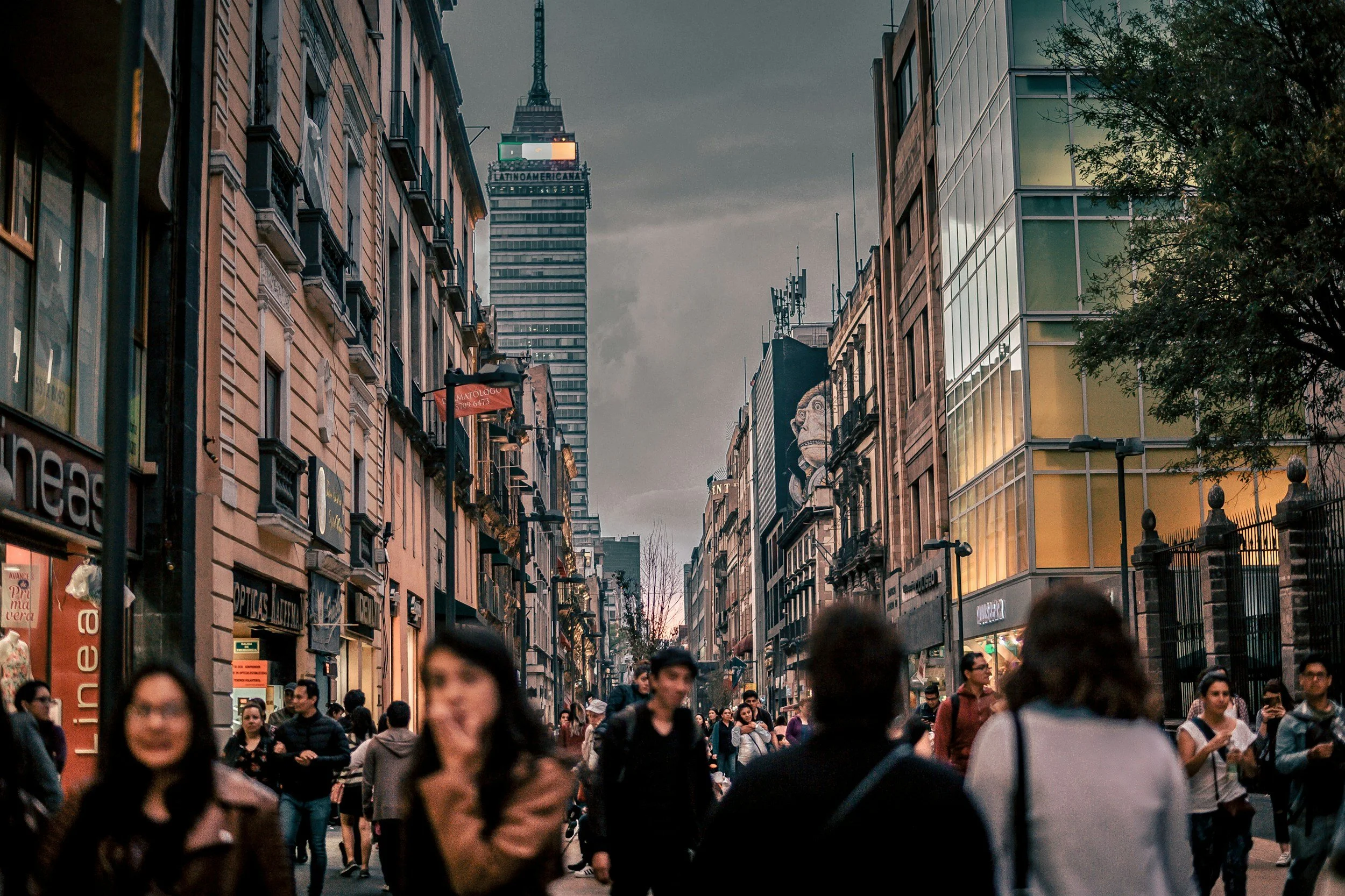
Mexico City is changing quickly as a result of international migration, implementation of new industries, and foreign investment. These developments modernize and boost the economy, but they also cause gentrification, displacing the local communities, and causing cultural homogenization, which raises concerns about social inequality and the maintenance of local traditions.
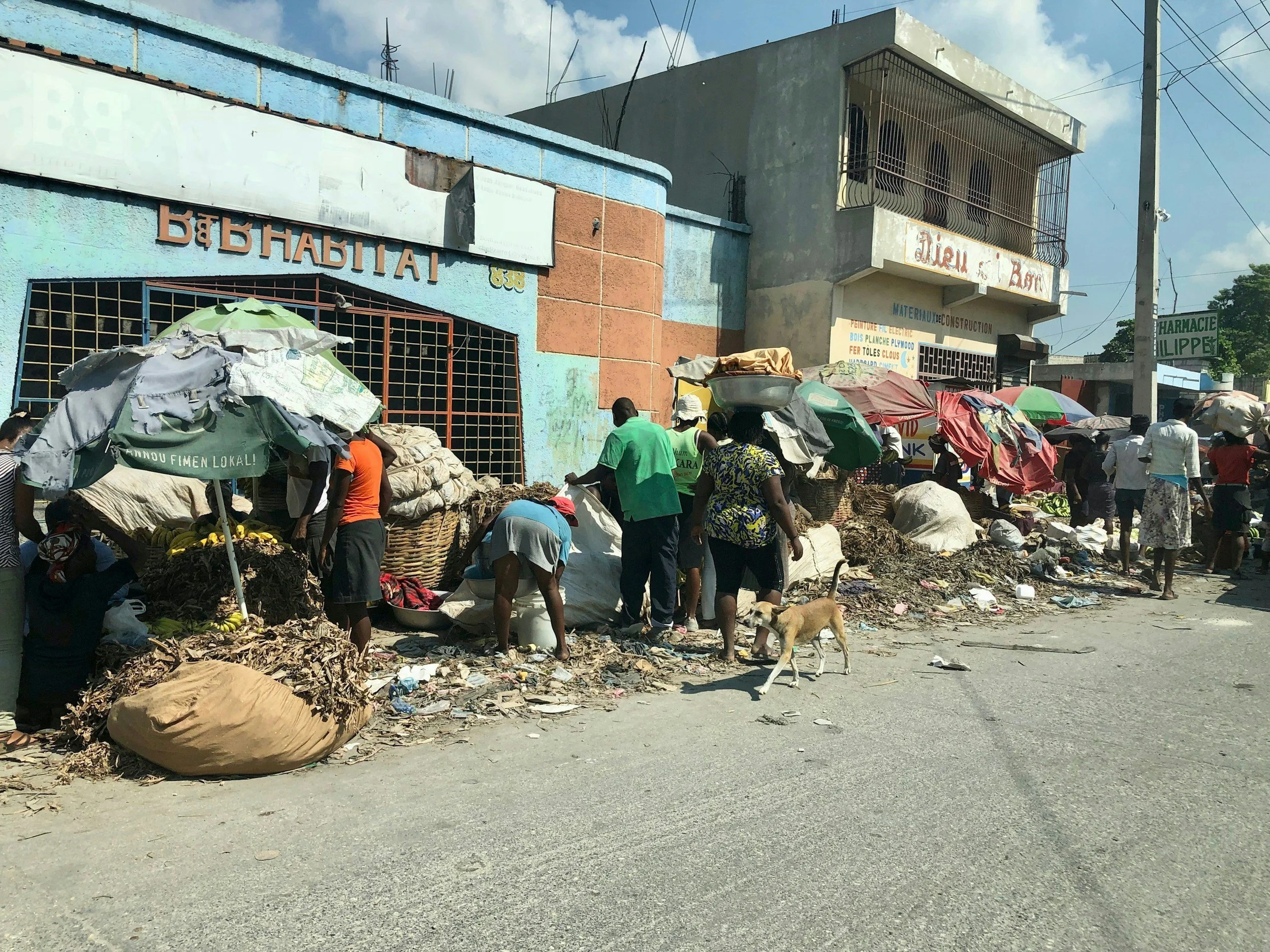
Facing its latest row of intense challenges, Haiti now seeks a desperately needed cessation of the ongoing conflict between the government and criminal organizations. The current crisis now comes to a head with the resignation of Prime Minister Ariel Henry, as gangs tighten their grip on Port-au-Prince.
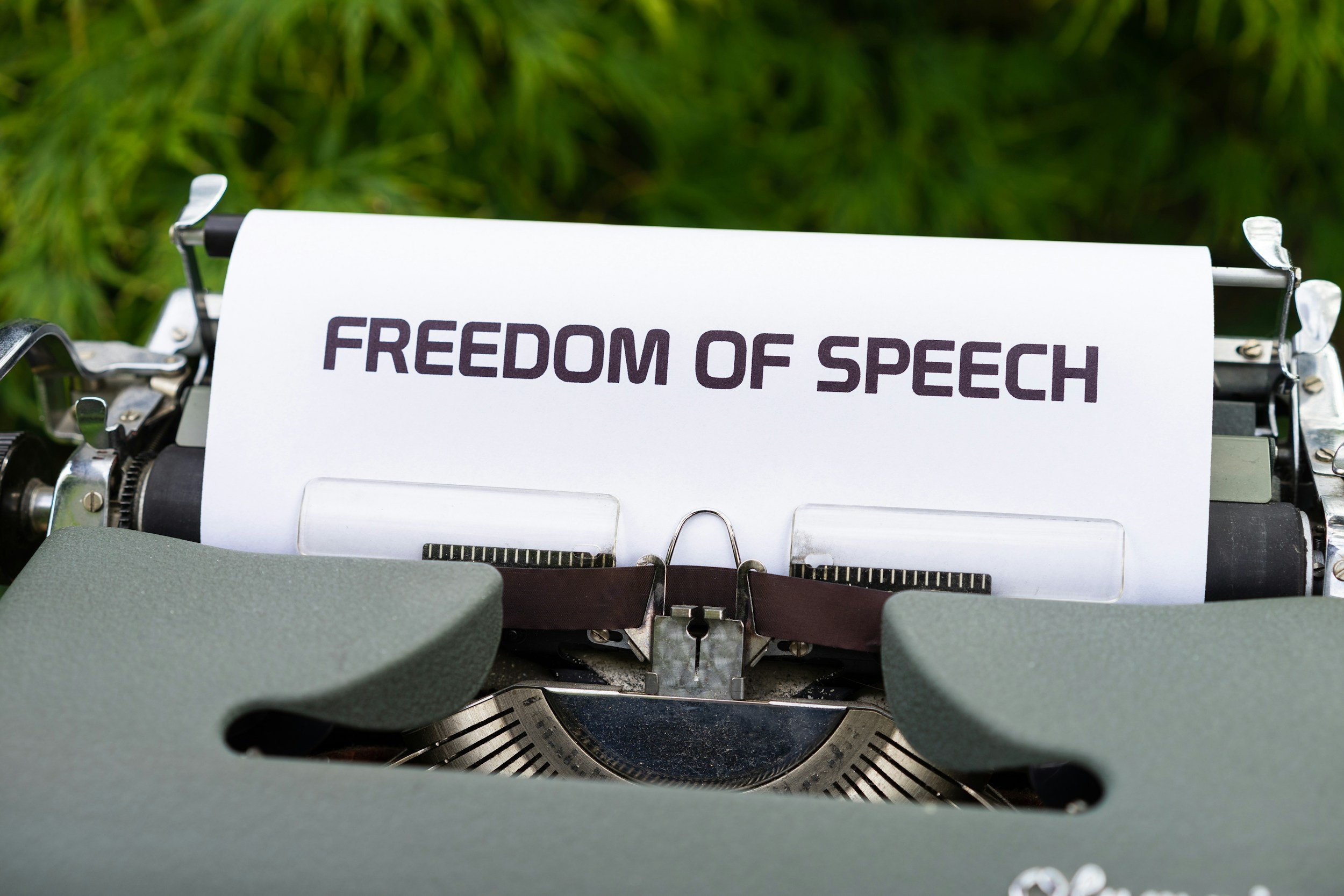
News is ultimately a form of storytelling, a way of informing the public of the events occuring in the world around them. Censoring the press is therefore a way of framing the way people see the world into a picture defined by what is not censored. However, press extends beyond the typical newspaper; even a novel may also be considered a form of press, reflecting societal issues of a certain period, or working to challenge authority. To censor this type of artistic press is to censor imagination, which results in the same effect––a suppression of public opinion. In the Americas, there has been an influx in the censorship of the press, which has taken one of two forms: censorship of the formal newspaper press and book censorship. This article thus examines censorship in the case studies of Canada, Mexico, Nicaragua, and the United States.
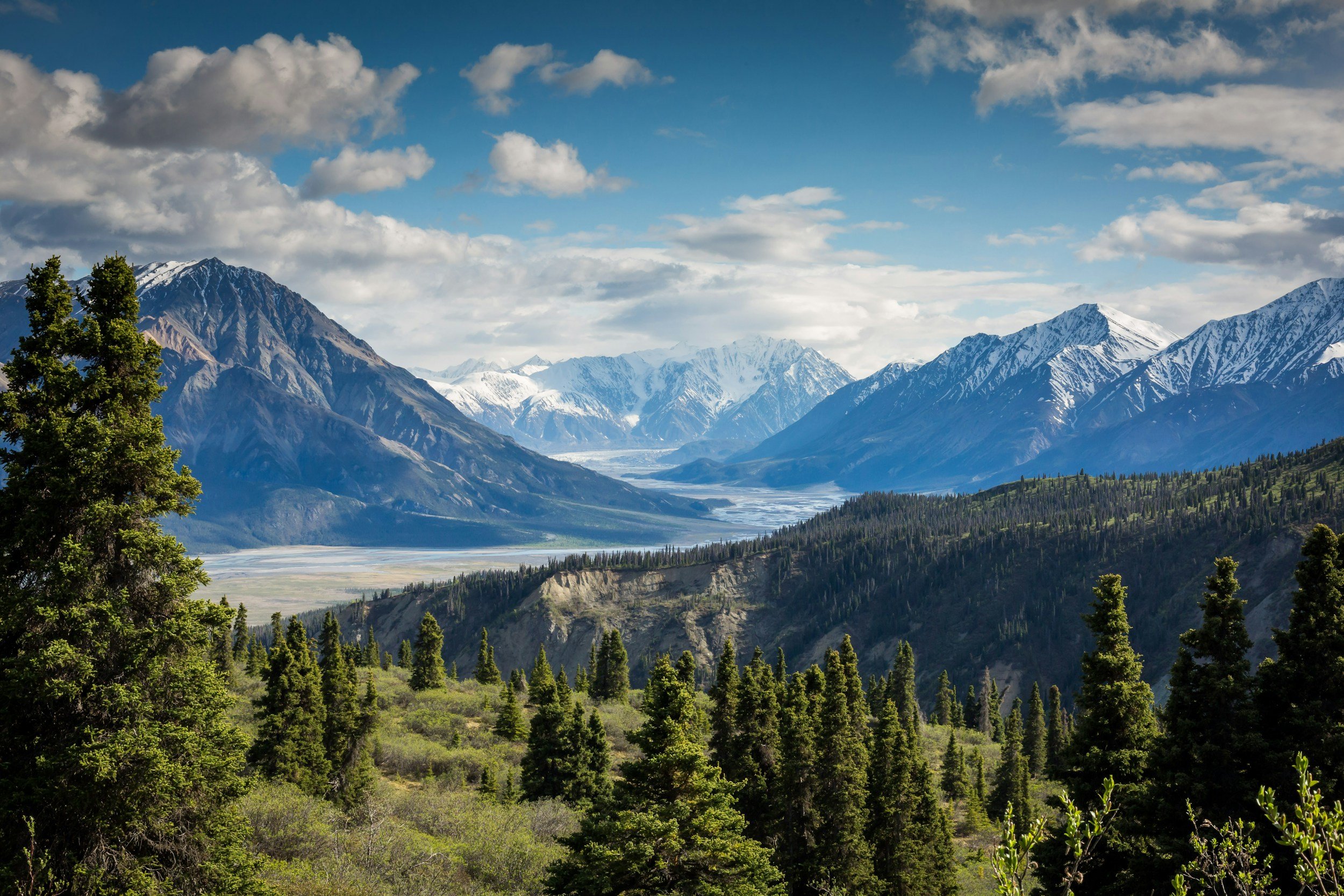
The Canadian government recently signed an agreement to transfer full control over the northernmost territory of Nunavut to the territory’s Inuit-dominated residents. This is a huge milestone in the movement for indigenous rights, and autonomy for the region will also bring more sustainable resource assessment and the protection of biodiversity. It could also be a stepping stone for increased indigenous autonomy and biodiversity across the Americas.