IRR ONLINE
As the IRR’s flagship digital publication, IRR Online is a platform for undergraduate and graduate students to analyze international developments as they unfold. IRR Online publishes shorter pieces on a weekly basis to cultivate consistent dialogue between students, scholars, policy-makers, and business leaders.
Much like the print publication, IRR Online is divided into seven regions.
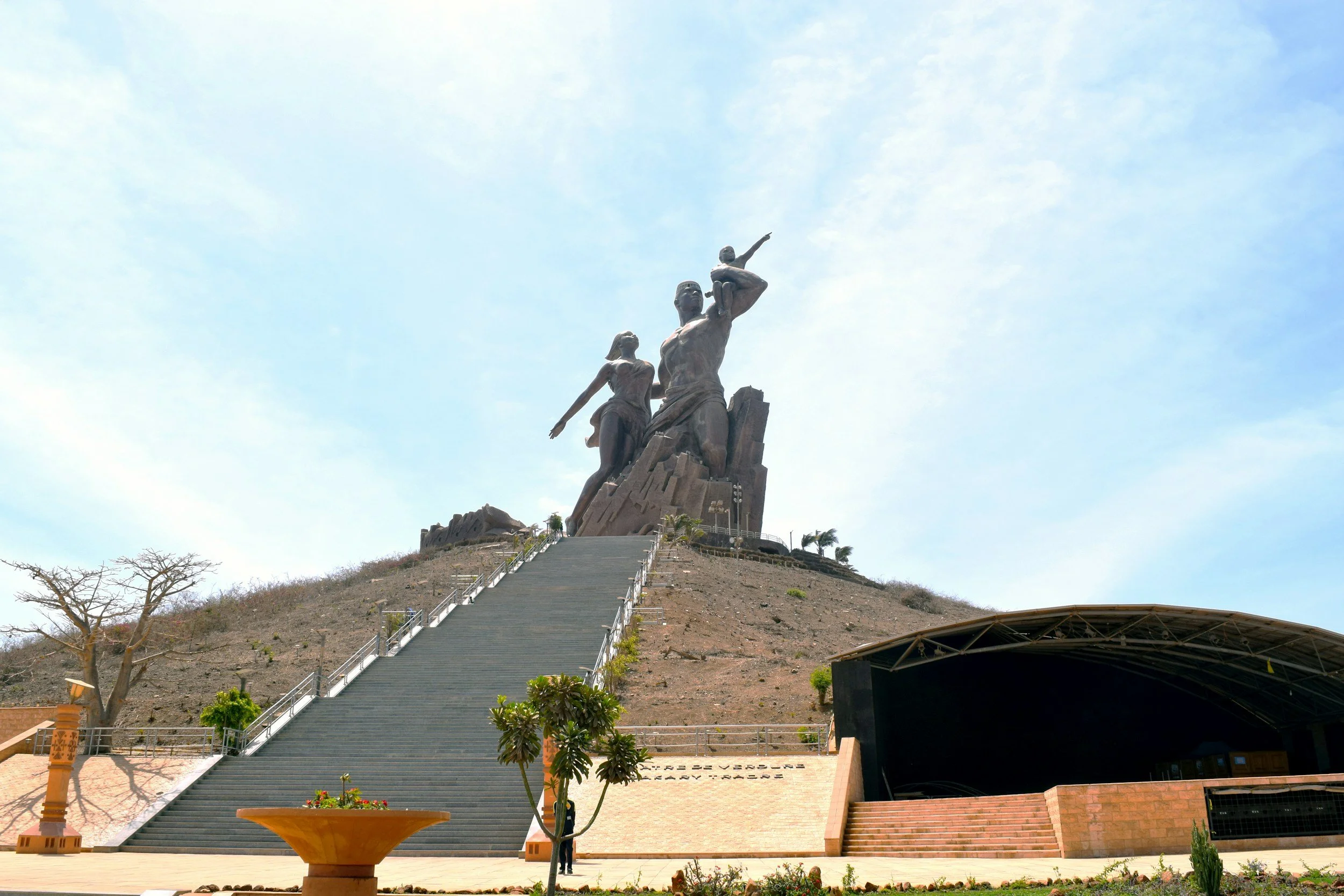
The international community has, predictably, focused on the Franco-Senegalese bilateral drama—the base withdrawals, the contract reviews, the rhetorical volleys between Dakar and Paris. These are worth tracking. But the more consequential story is the quieter one: whether Senegal's internal democratic institutions survive the government whose resilience helped bring it to power.
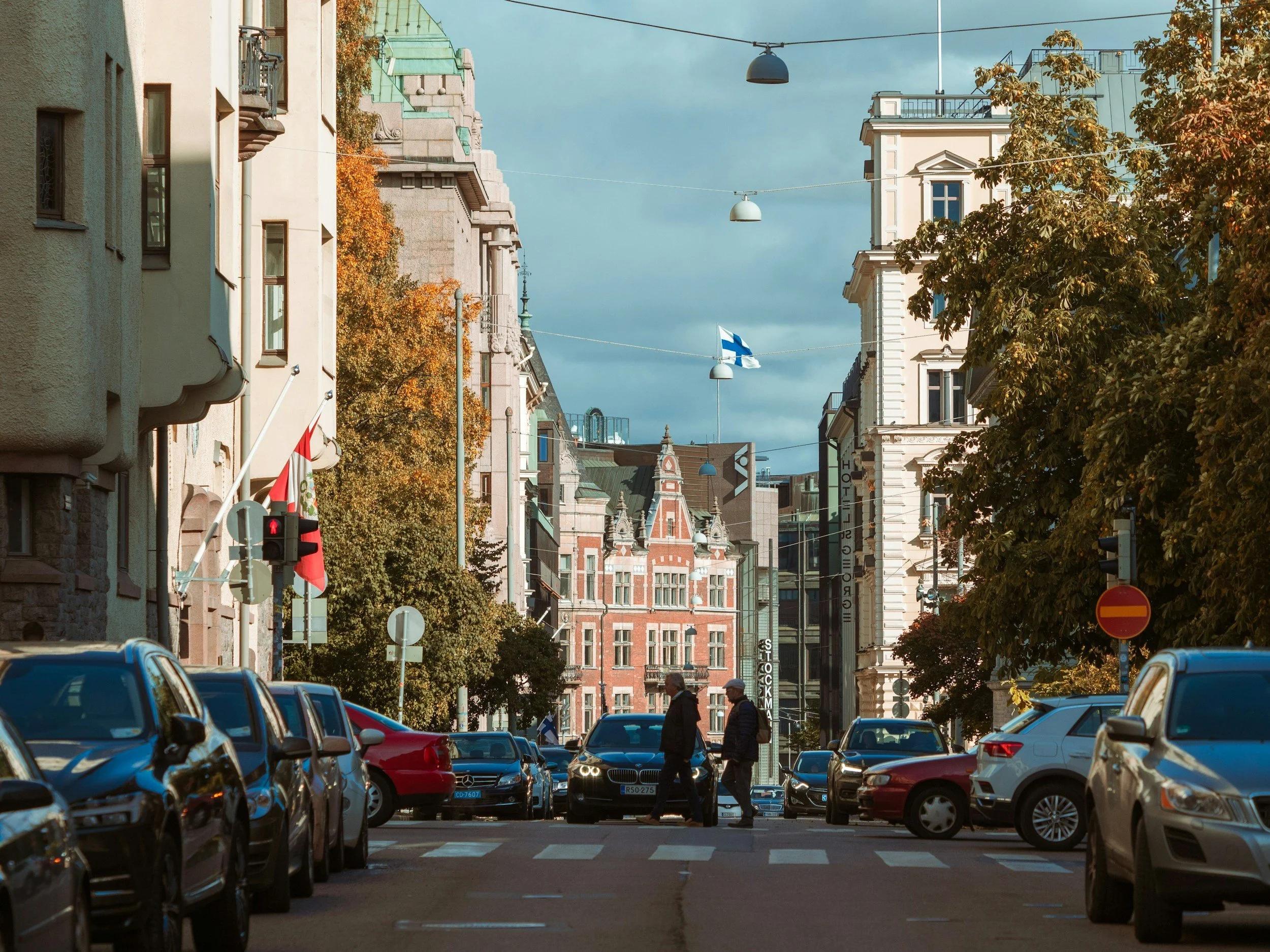
Sweden and Finland have both abandoned the principle of neutrality with their bids to join NATO, but the political and economic costs of full membership are far greater for Sweden.
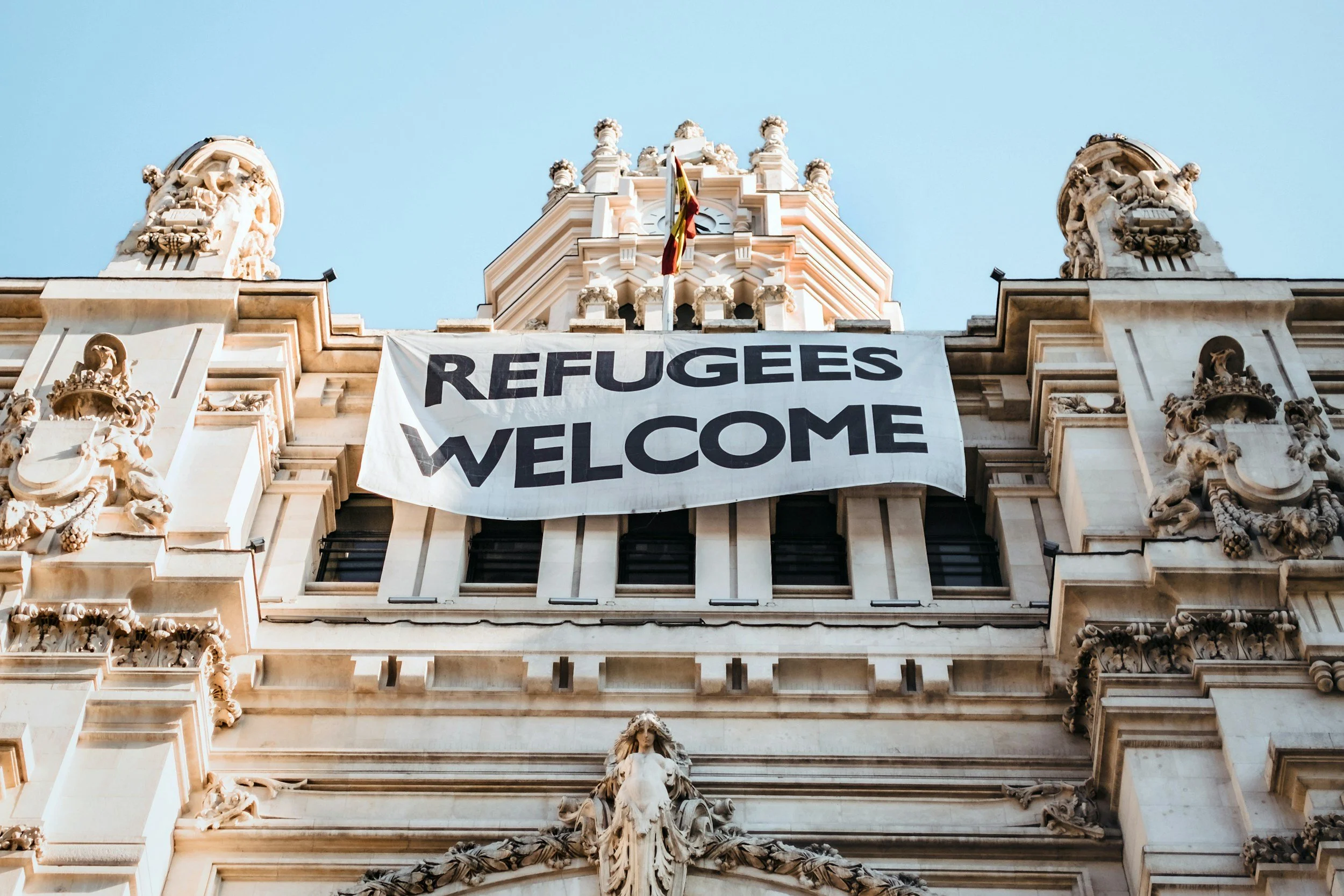
Europe's securitized migration policies stem from post-Cold War defense industries' economic strategies, while its border externalization practices, including selling surveillance tech to authoritarian regimes, expose the profit-driven motives behind its migration management, challenging the prevailing "European liberal order" narrative.

In 2017, when the popular fitness app Strava released its Global Heatmap, at first, it seemed like a harmless engagement feature, perhaps a sort of Spotify Wrapped for runners. However, one observant Australian college student was the first to point out there might be more at play. Sure enough, analysts and academics soon confirmed that Strava’s gold mine of data posed an overlooked security risk, carrying implications far more consequential than exposing the most underrated running trail in town.

The 1985 eruption of Nevado del Ruiz buried several Colombian communities beneath deadly volcanic mudflows, killing more than 25,000 people and exposing the catastrophic failures in the country’s disaster preparedness. Nearly 40 years later, what can the tragedy of the eruption and destruction of Armero still teach us about disaster risk management and the consequences of ignoring scientific warnings?
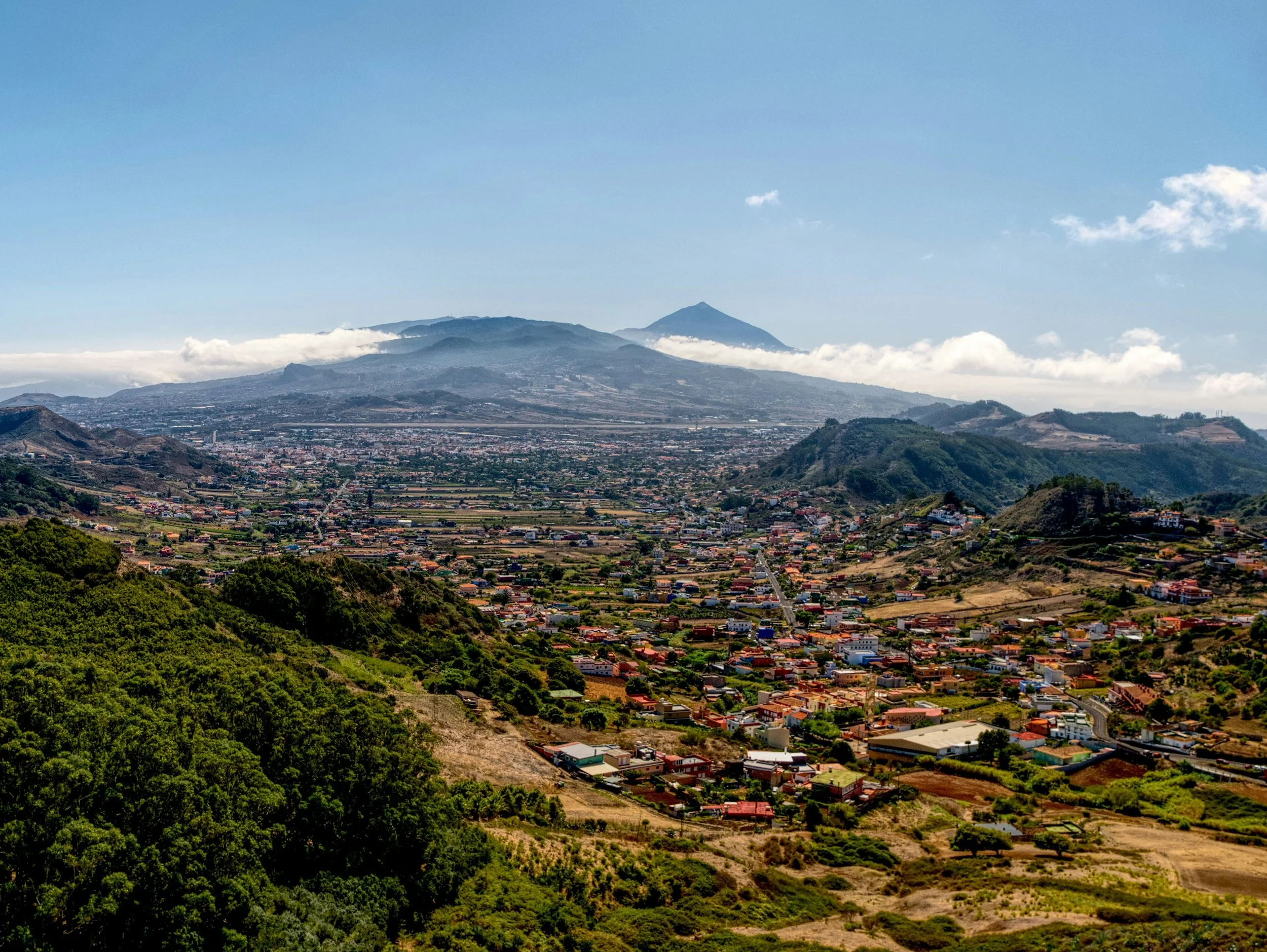
Nations can be ripened through democratic institutions or still be raw and vulnerable to the negative impacts of an autocratic regime. This article explores the rise and fall of Nicolás Maduro Moros, the collapse of a previously booming petro-state, and the human cost of authoritarianism and its impact on democracy. The article examines the current international and Venezuelan hope for democratic renewal in a country caught between crisis and change.
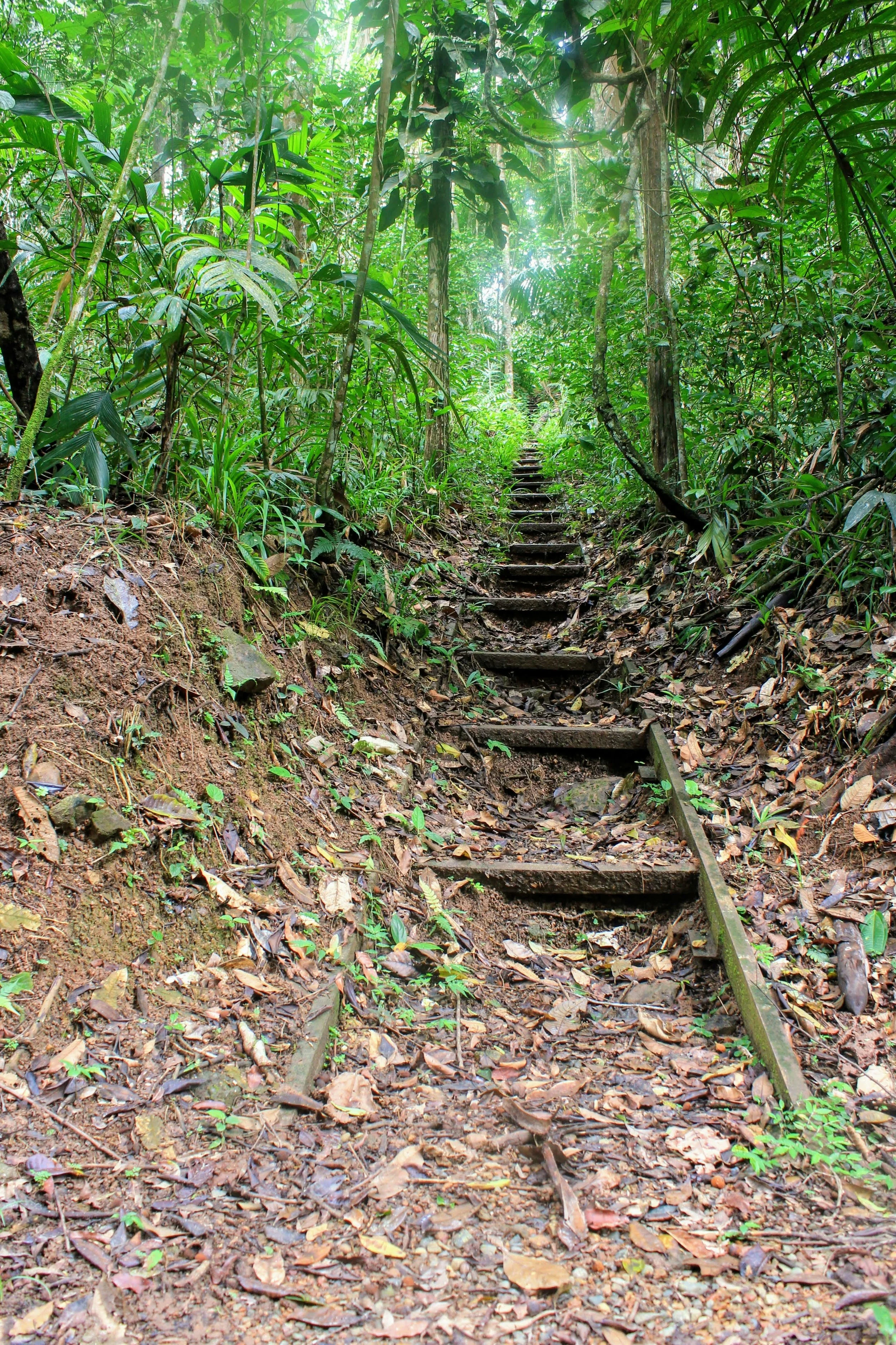
The Darién Gap has emerged as a popular route for migrants traveling to the United States, with hundreds of thousands women, men and children attempting to make the dangerous journey. With the intention of reducing migration, the U.S. has partnered with Latin American governments to establish policies that halt migration before migrants reach the U.S.-Mexico border. The question remains, are these policies actually reducing migration, or are they simply pushing migrants to take more dangerous paths?
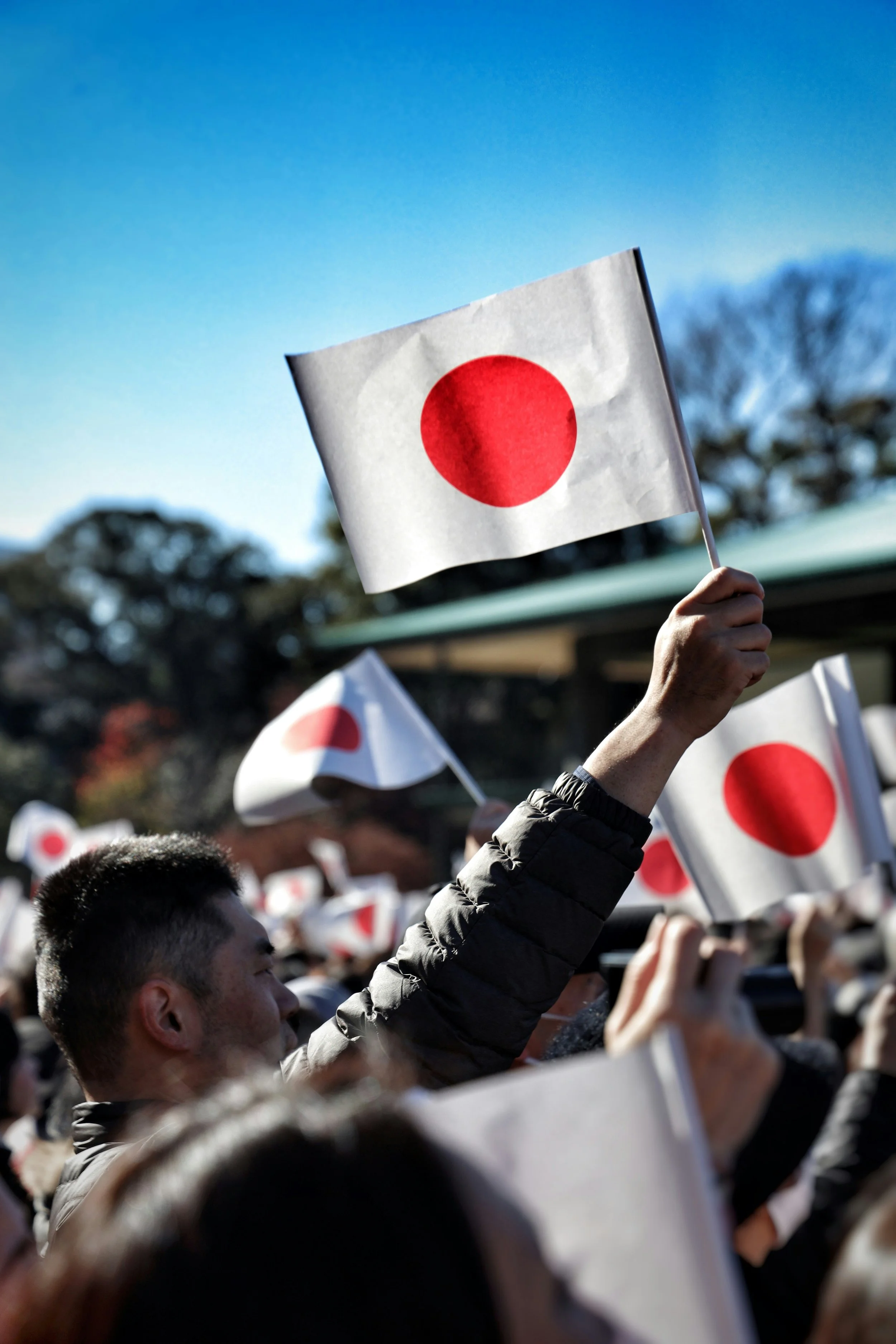
Facing increasing threats, Japan and Korea share significant interests. Yet, the two countries rarely cooperate with each other, with tense diplomatic relations at a stalemate. Many scholars have attributed this to the rocky history between Japan and Korea, specifically during the colonial period and World War II. Through the examination of Japanese nationalism focused on identity and collective memory, this paper argues that the failures to resolve the historical problems as a result of the humiliation to the Japanese identity impedes East Asian state cooperation, which eventually leads to perpetual reliance on the United States and attempts at rearming.
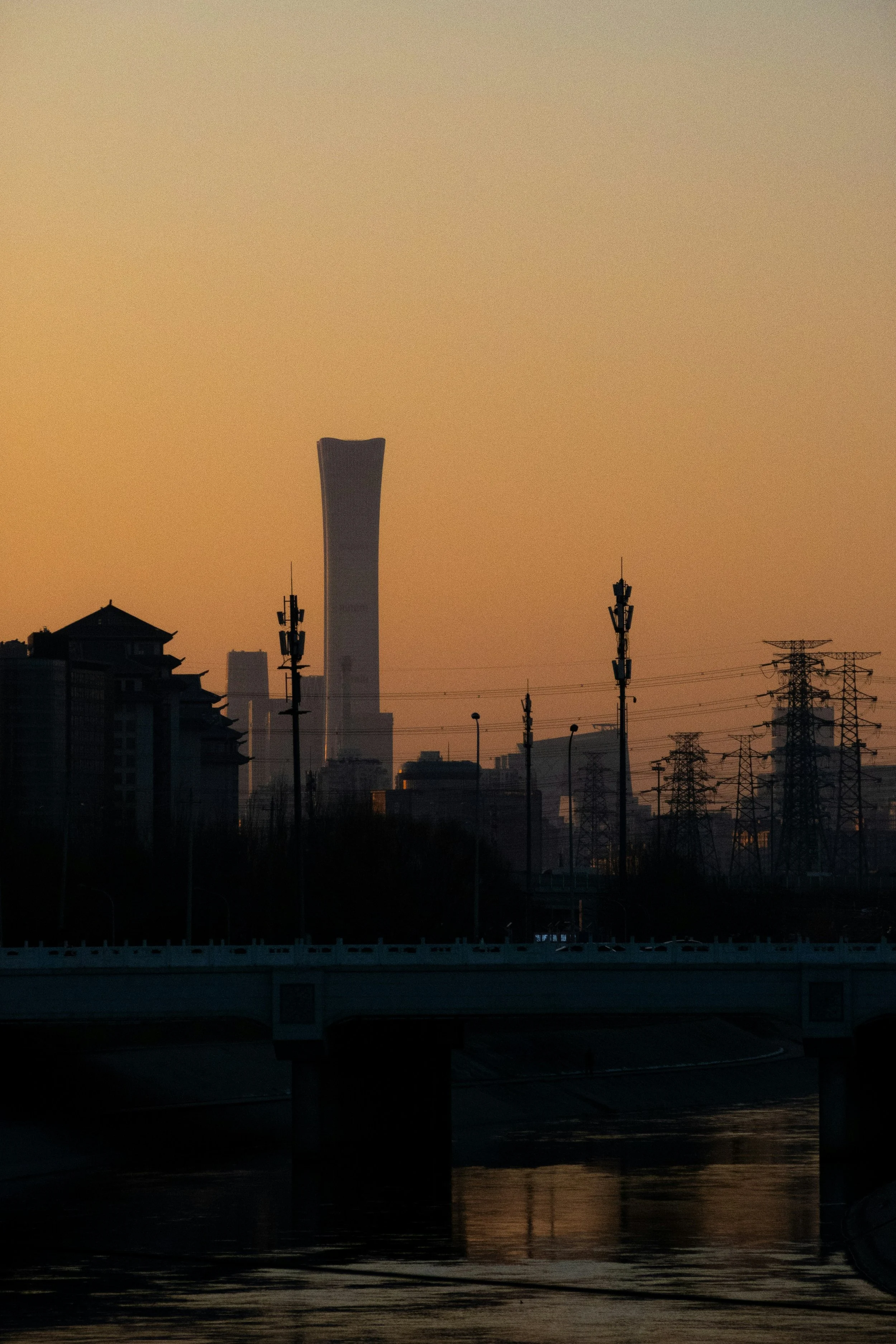
States in South and Southeast Asia have found themselves increasingly dependent on oil traded through the Strait of Hormuz. With the ongoing conflict in the Middle East and the blockades in the Strait of Hormuz, energy shortages and reliance on coal have become the new trend. In an effort to rapidly secure energy for their people and to keep their economies up and running, these states are forced to turn to alternatives to oil and liquified natural gas, pushing the region into a new era of energy use.
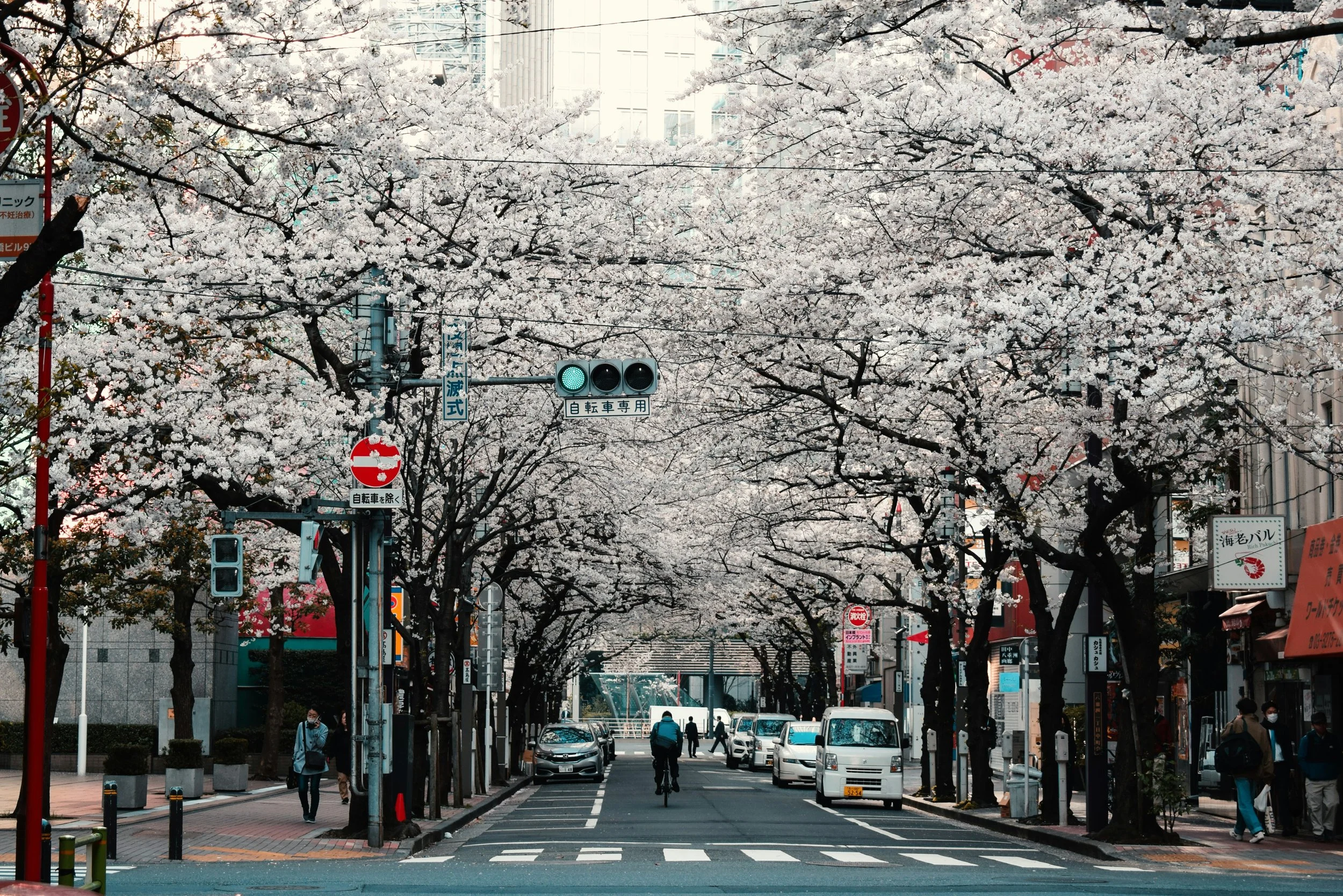
Japan’s longstanding emphasis of stakeholders in business decision making has shifted into one that is focused on pleasing shareholders through profitability. However, what are the legal mechanisms of doing so? This article analyzes the origins of the shift in corporate governance from stakeholder-oriented to shareholder oriented in response to increased global competition, as well as explores legal reforms indicative of such shift.
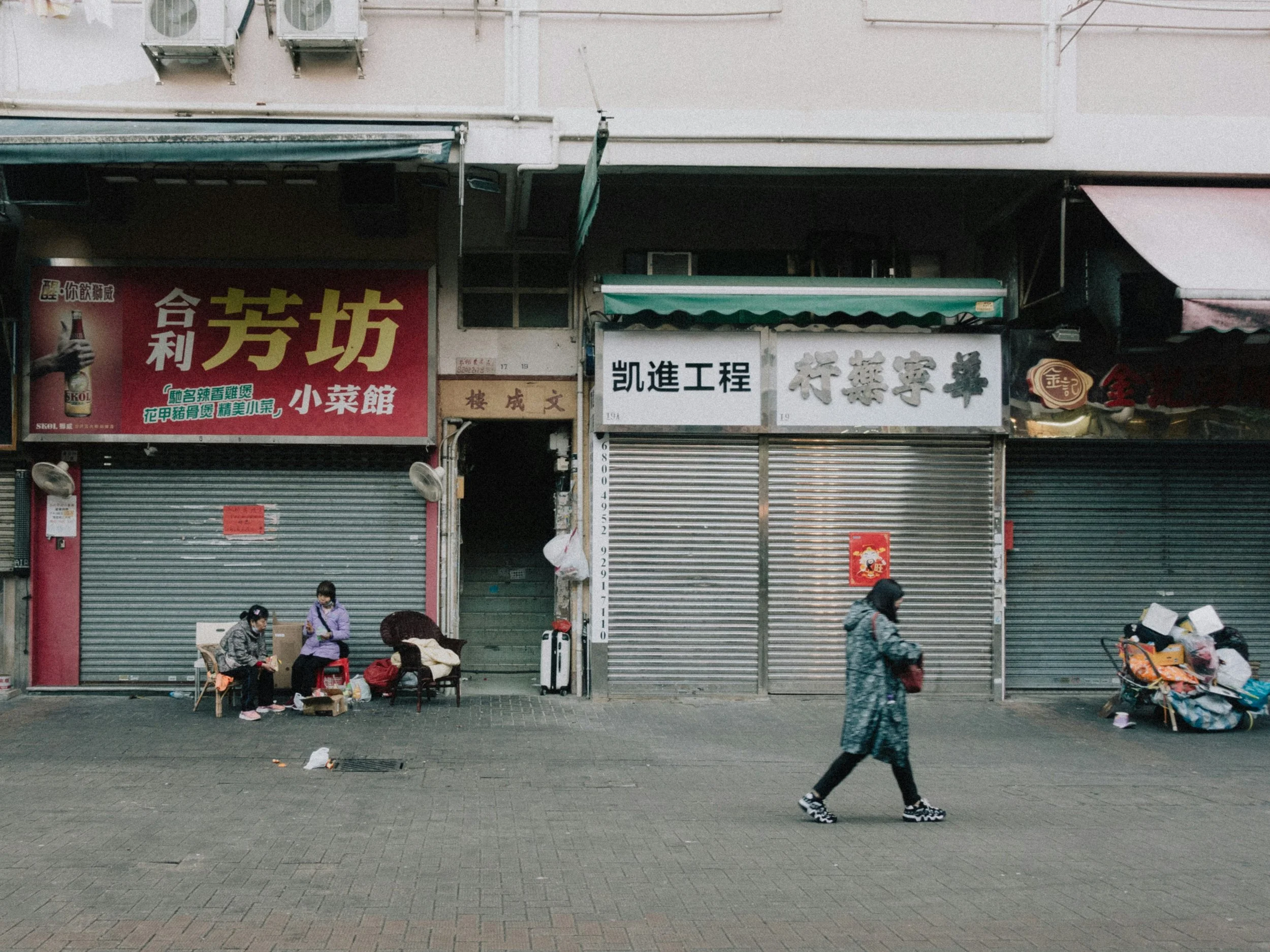
Skyscrapers without residents, malls without shoppers—China’s “ghost cities” feel like urban mysteries frozen in time. Yet behind the silence lies a complex story of ambition, speculation, and long-term planning. Are these empty landscapes cautionary tales of overbuilding, or bold investments in a future population that has yet to arrive?
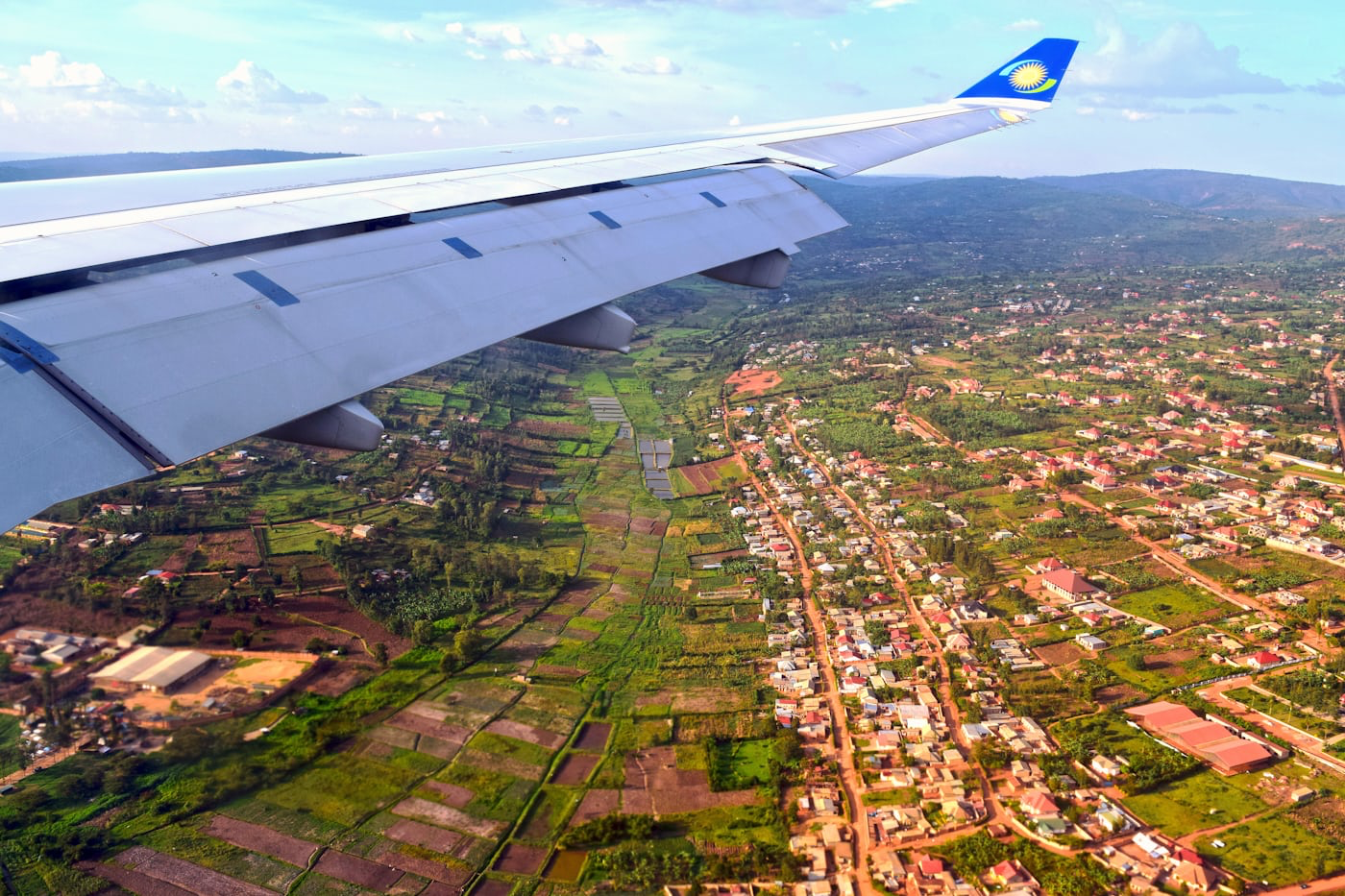
After the Rwandan genocide, Rwanda has emerged as one of the world’s fastest growing economies, earning the title of the “Singapore of Africa.” However, this economic development has occurred alongside humanitarian violations and growing authoritarianism. The West’s response to human rights abuses in Rwanda has been limited, where meaningful action occurs only when mineral and economic interests in the region are threatened, most recently when the Trump administration applied sanctions.
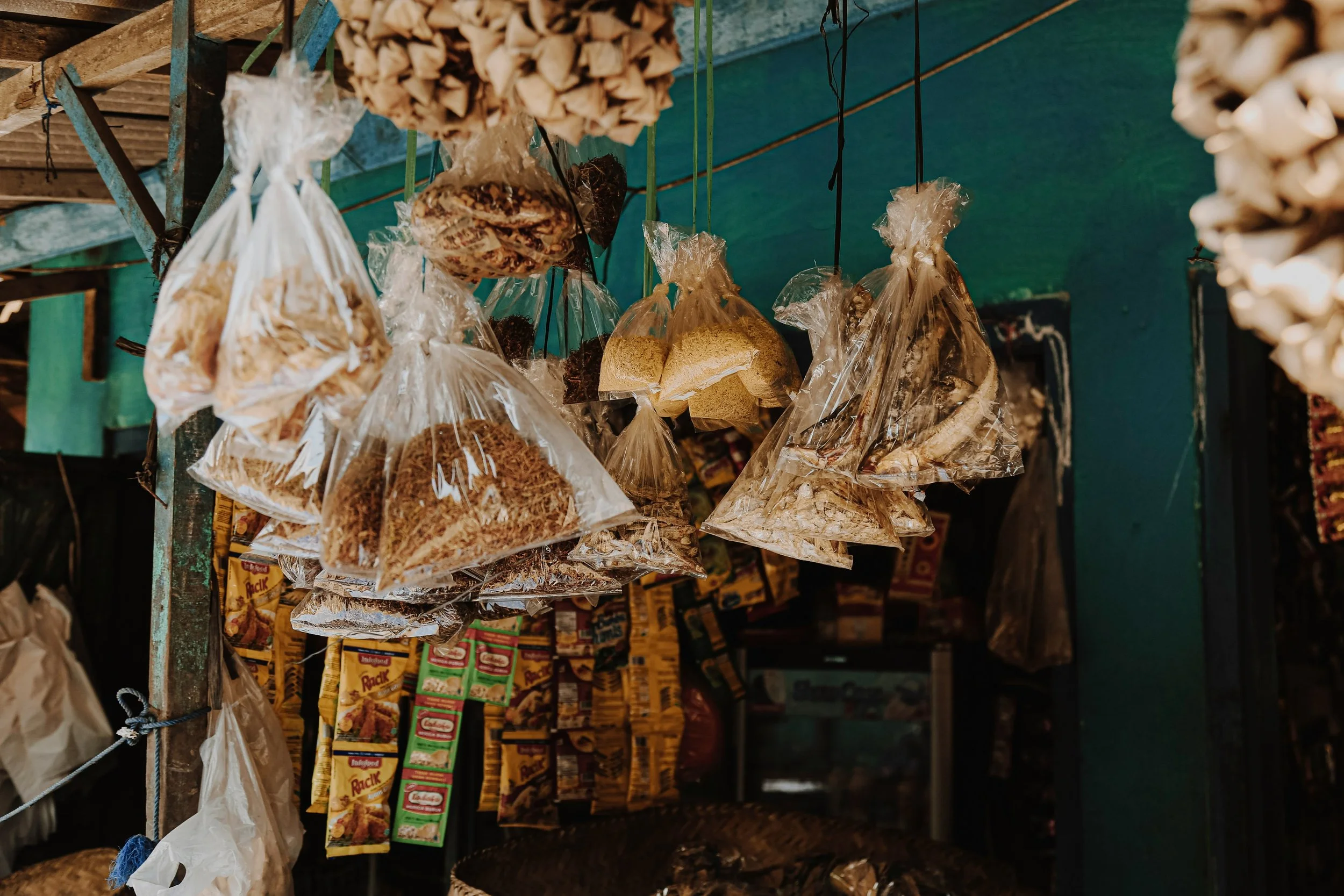
Since Nigerian independence in 1960, ethnic salience between the Igbo, Yoruba, and Hausa Fulani groups has prevented Nigerians from building a shared national identity. Subsequent government programs attempting to address this issue have faced uneven results, showing the limits of public policy in bridging highly salient ethnic divides. However, everyday cultural movements like the widespread consumption and celebration of Jollof Rice show a new means to nation-building that is contrary to popular political theory.

The growing presence of whistles in Amapiano, a genre central to South Africa’s global cultural influence, reflects more than a stylistic choice. Historically used in apartheid-era townships to signal danger and coordinate movement, the whistle was a tool of communication. Its use in contemporary music suggests not a break from the past but a transformation of it.
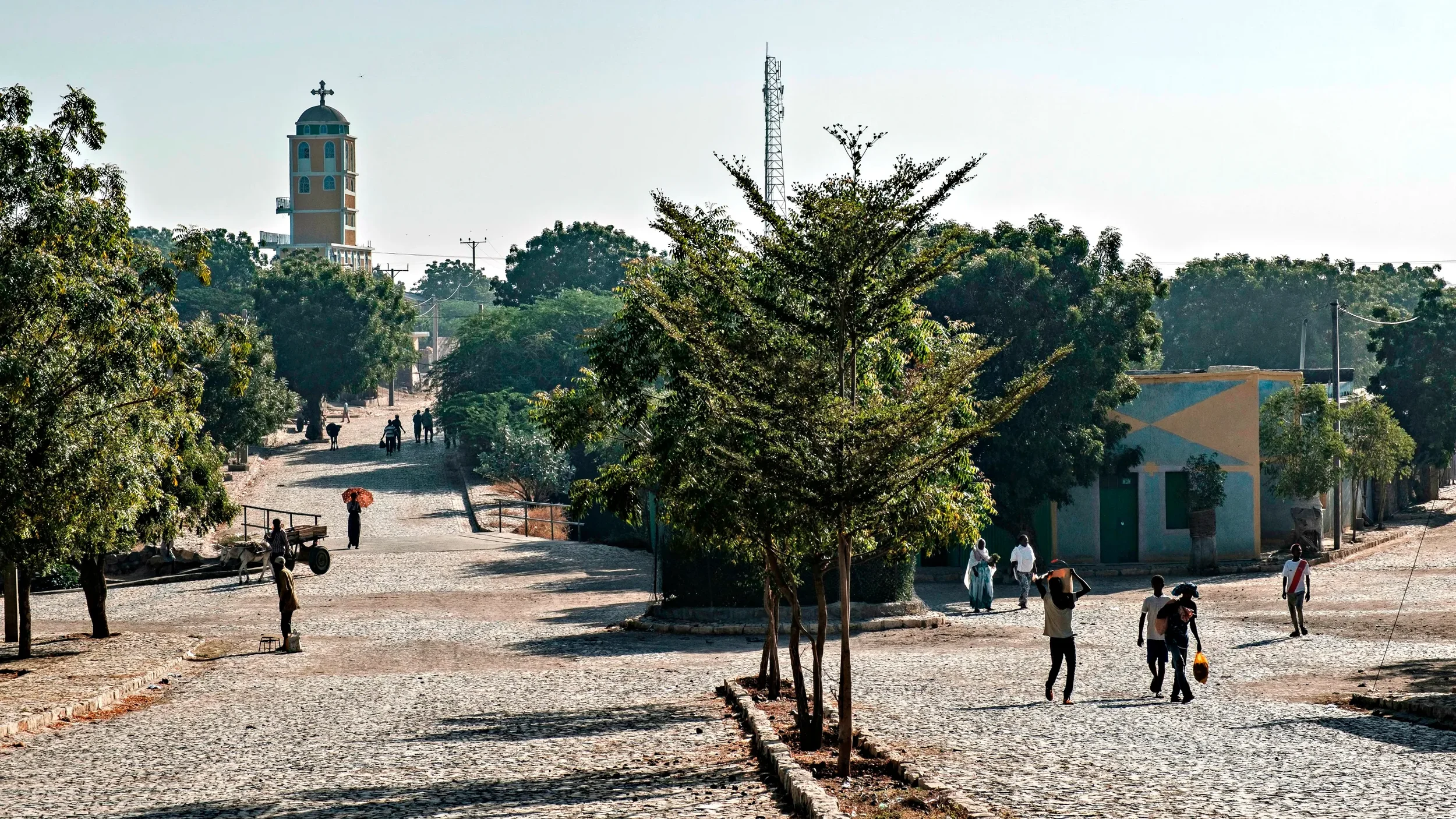
Pentecostalism emerges strongest in states as a replacement for weak governance like post-colonial Ethiopia. As an expressive faith that involves dancing and self-improvement, Pentecostalism also inspires worshippers to participate in civil society and fight for more just governments at the ballot box. However, as evident in Ethiopia, religious groups face major shortcomings in addressing deep-rooted issues restricting healthy democracy.
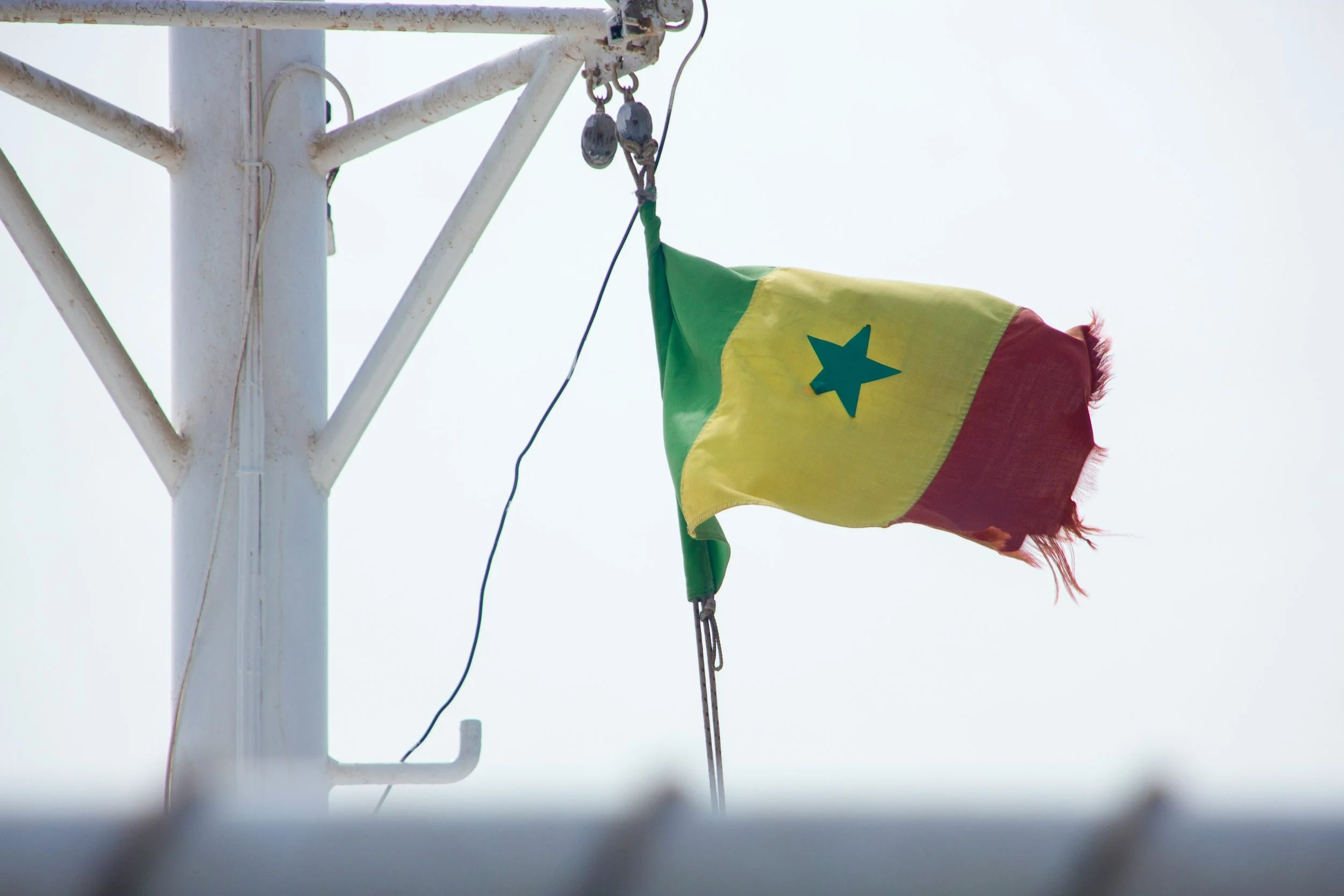
In recent months, Senegal has found itself at the center of growing debates over LGBTQ rights as rising homophobia and stricter laws reshape the nation’s social and legal landscape. Building on past legislation, a 2026 bill to increase penalties for queer individuals has been met with strong public and political support. Still, critics warn that these developments conflict with Senegal’s international human rights commitments and risk legitimizing discrimination.
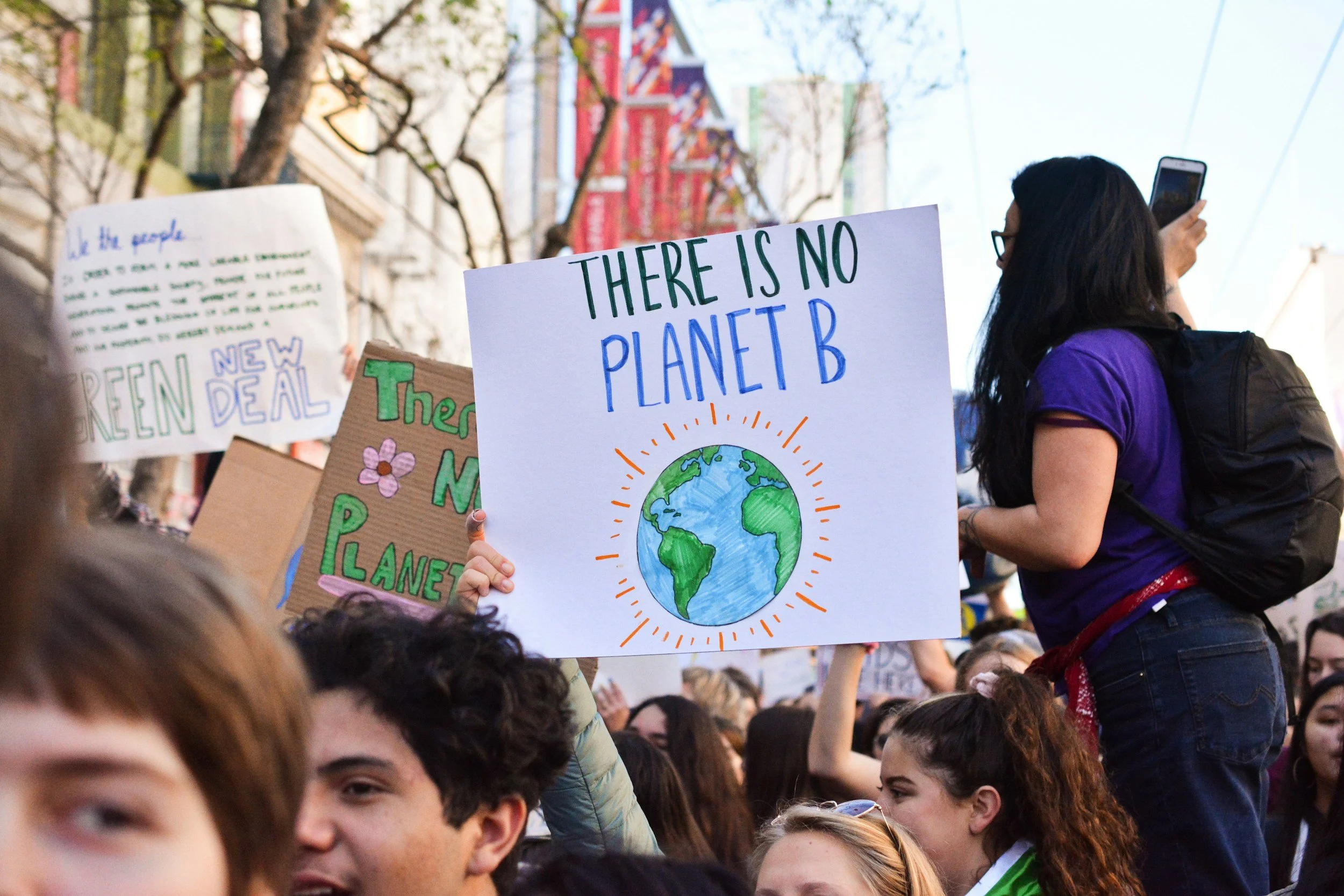
The establishment of a Loss and Damage fund is not charity. It is a down payment on our shared futures. It is a down payment on climate justice.” How is it that the poorest countries are the primary victims of climate change despite being the least responsible for it?
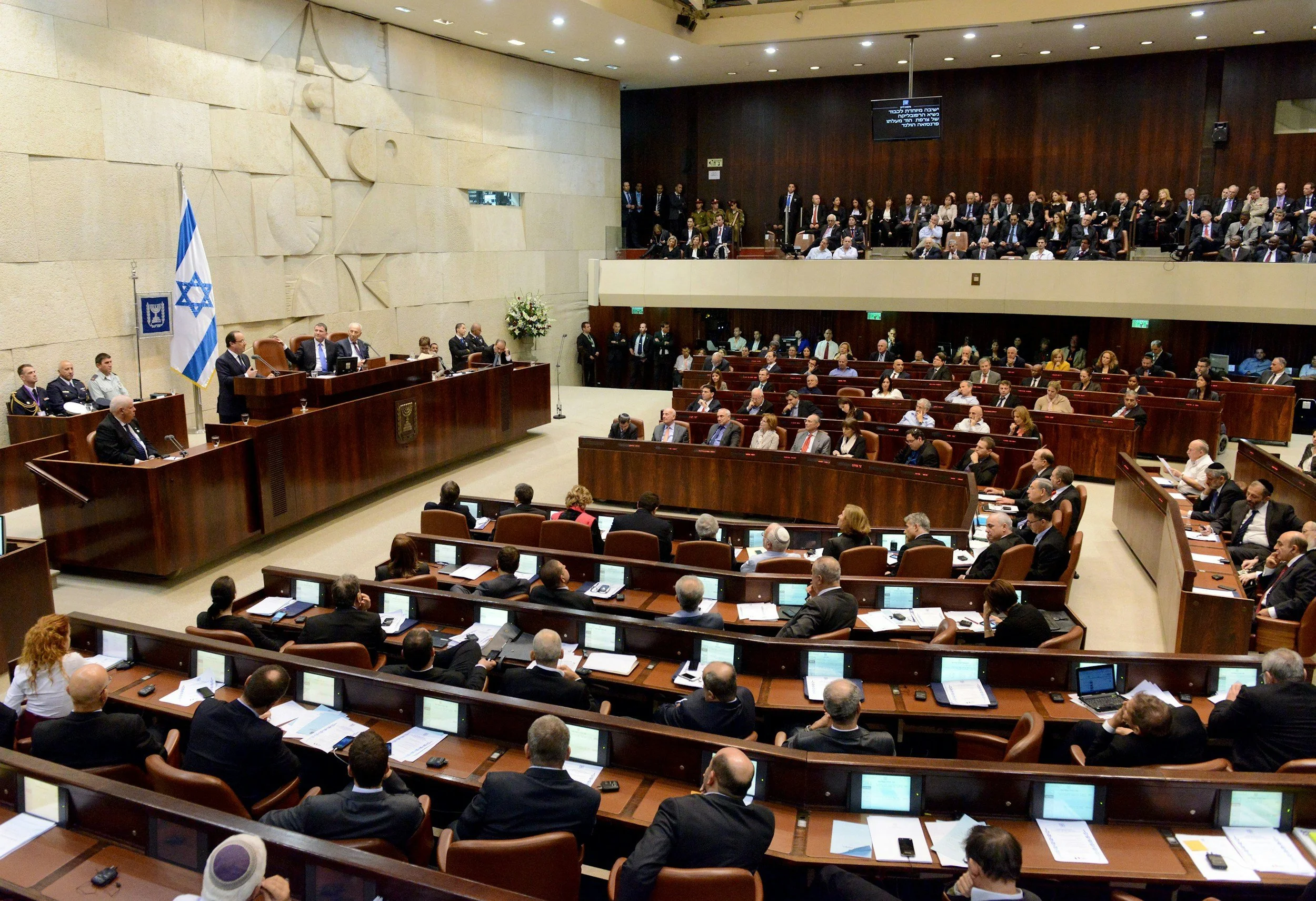
Israel’s parliament, the Knesset, has passed a controversial bill expanding the use of the death penalty for terrorism-related offenses, applying primarily to Palestinians in the West Bank under military court jurisdiction. The law mandates execution by hanging within 90 days for certain convictions, limits legal protections, and removes key safeguards such as the right to appeal and unanimous judicial agreement. Critics, including international organizations and a host of countries across the globe, argue the legislation violates international law and disproportionately targets Palestinians, while supporters claim it will deter violence and future prisoner exchange between Israel and Palestine.
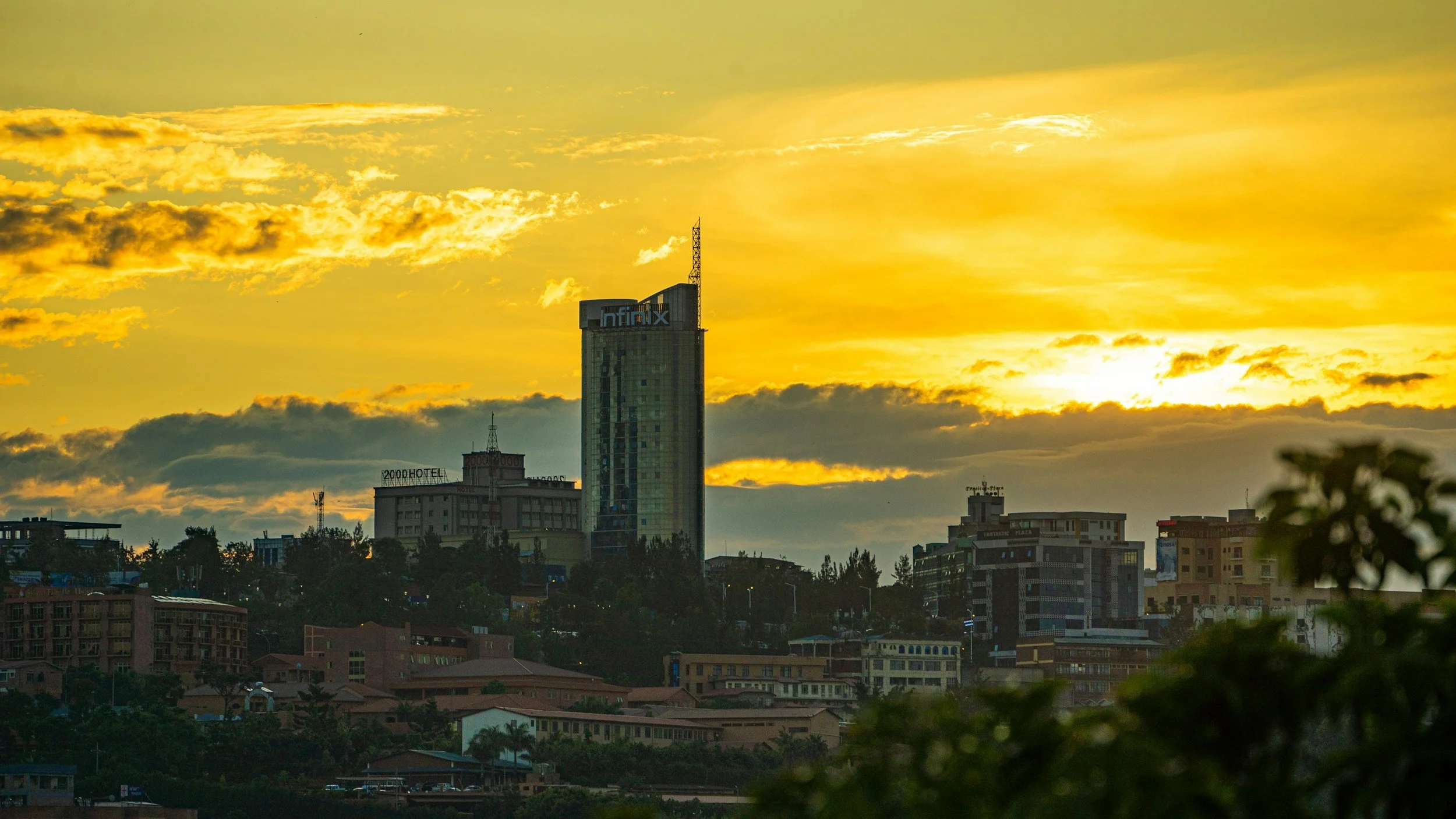
Backed by the Rwandan government, capital city Kigali has made massive strides into becoming a regional information and communications technology leader. Its path to distinction is worthy of comparison to other African cities with similar accomplishments.
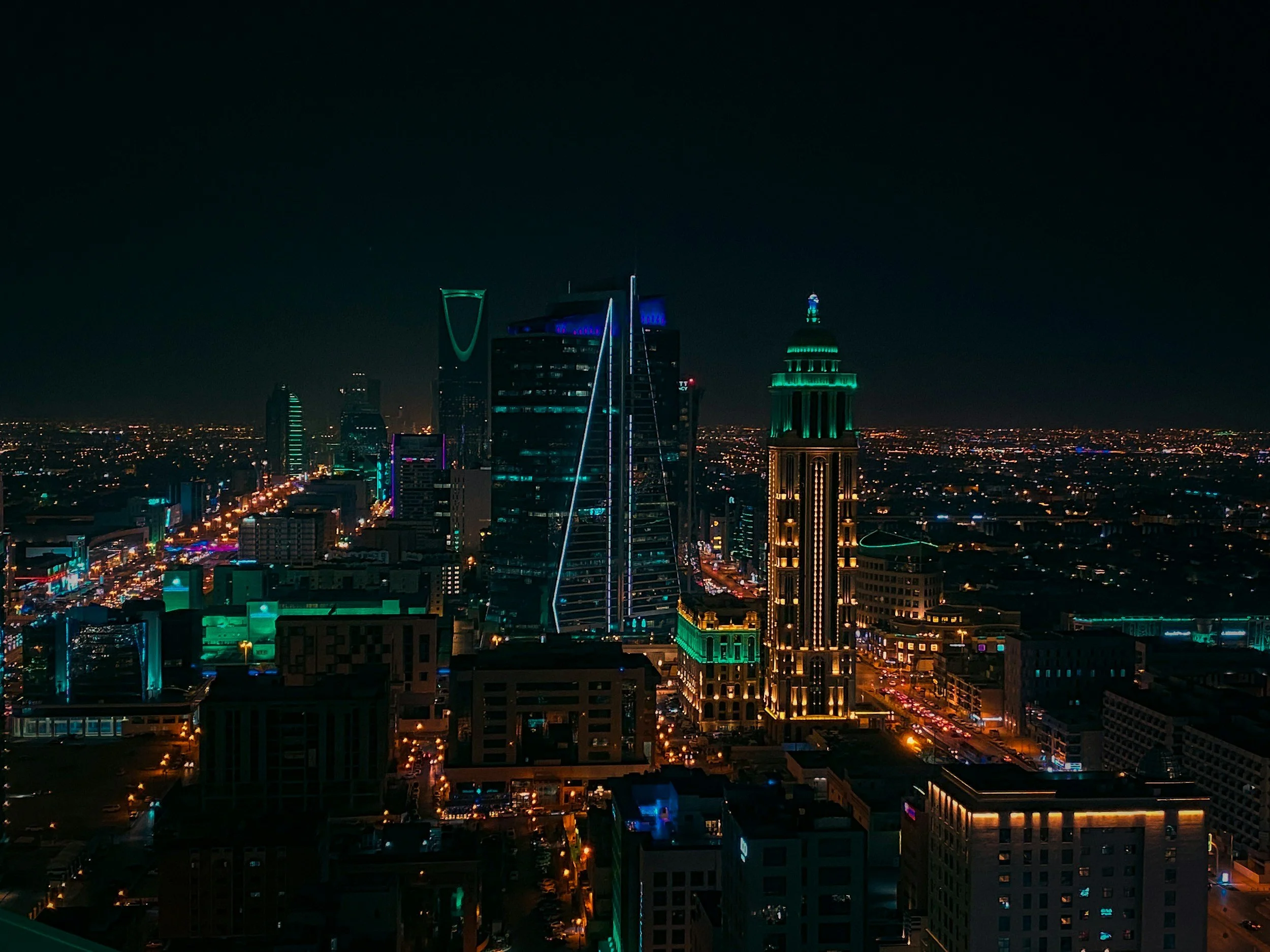
Saudi Arabia’s growing investments in sports and other entertainment are bringing it attention from across the world while drawing attention away from its human rights struggles. The success of the nation’s “sportswashing” strategy could serve as a model for other capitalist countries moving forward if it is able to thrive with economic freedom but without social freedom.
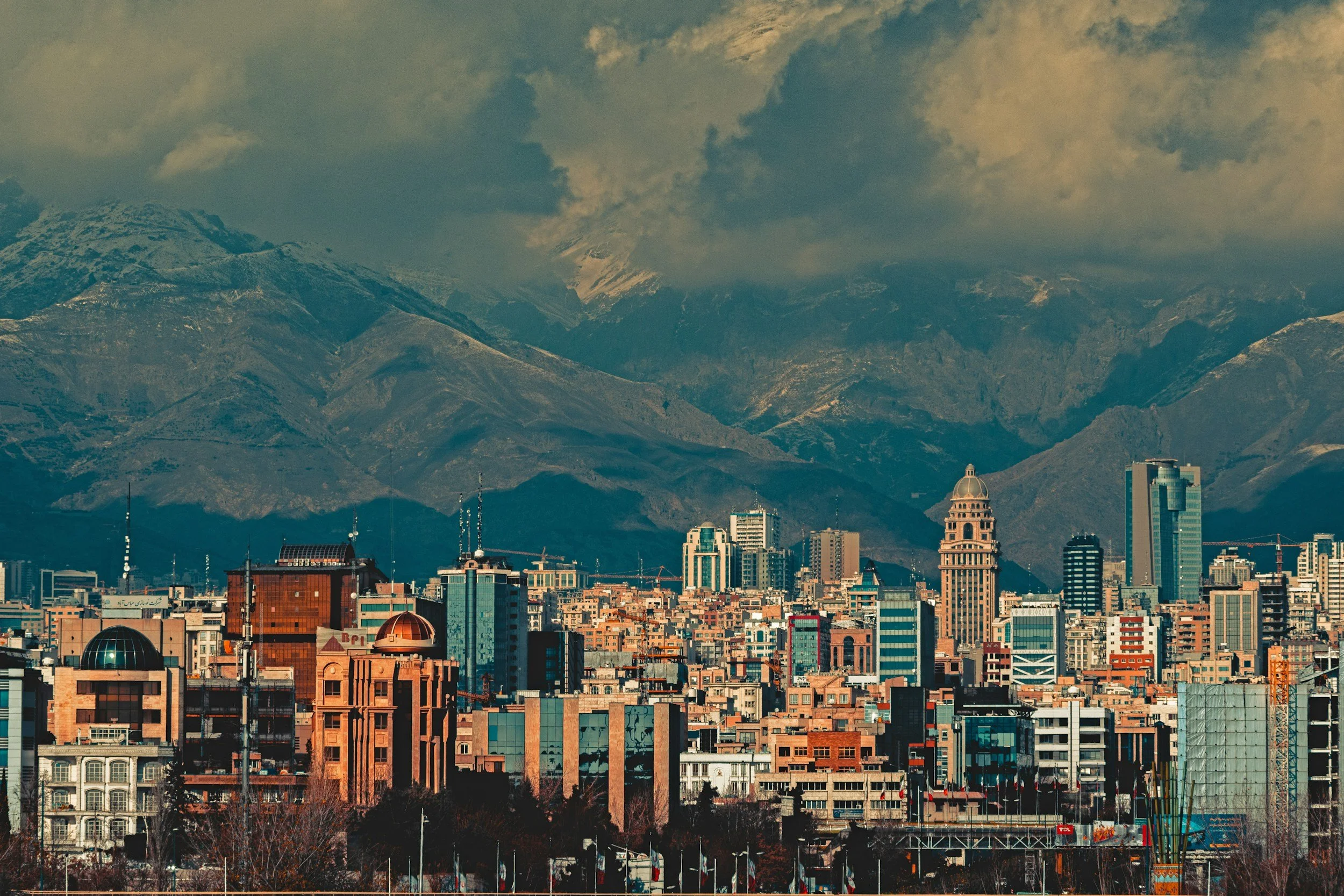
The killing of Iran’s supreme leader, Ayatollah Ali Khamenei, in a U.S.–Israeli airstrike has exposed deep divisions within Iranian society. While some mourn the longtime cleric as a symbol of Shiite authority, others have taken to the streets to celebrate the death of a leader many blame for decades of repression and economic hardship. The starkly different reactions reveal a country divided over the future of the Islamic Republic.
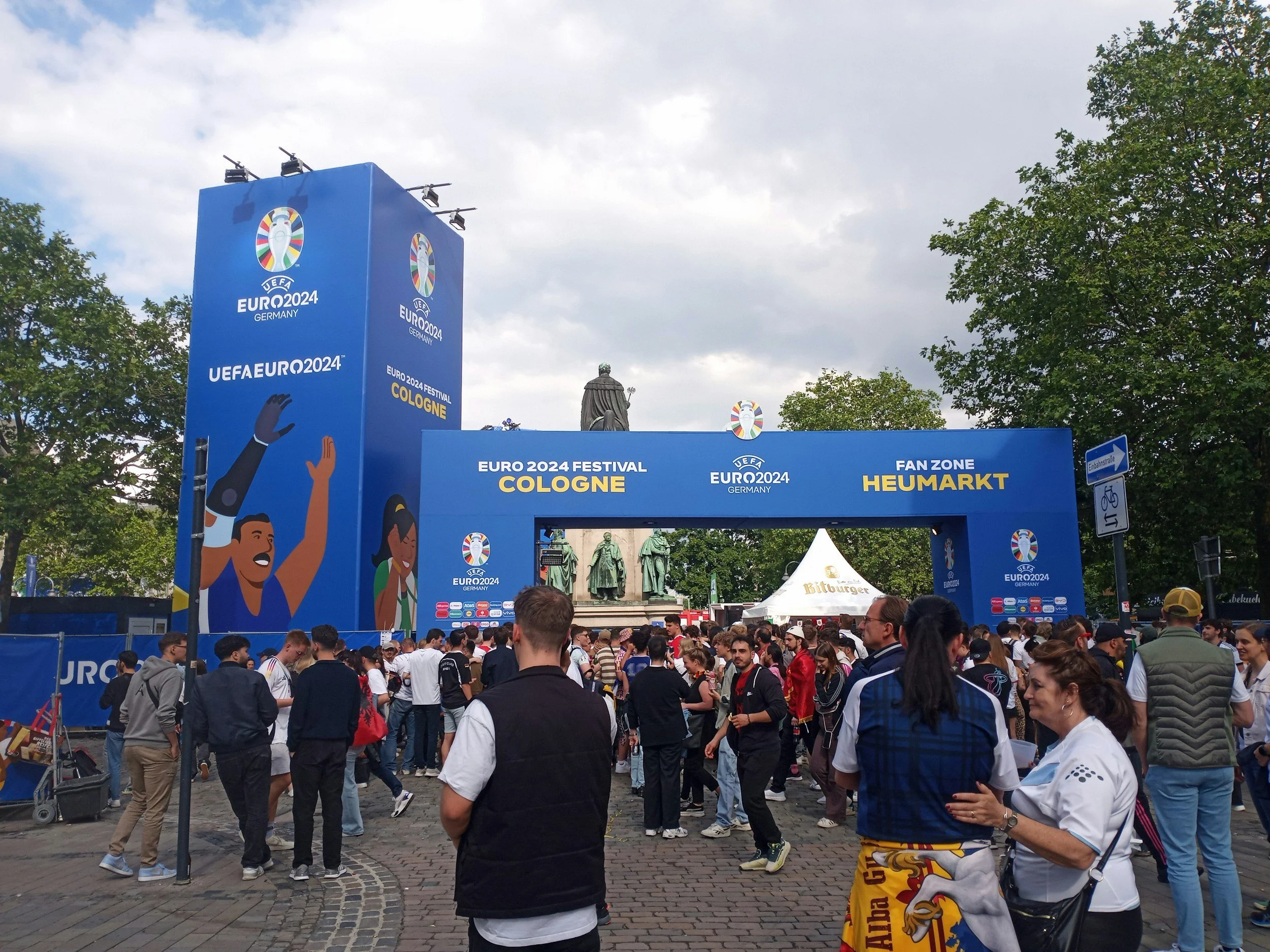
From Cold War rivalries to Brexit-era divisions, the UEFA European Championship has often reflected the political tensions shaping Europe off the pitch. This article examines how major tournament moments mirror key shifts in European international relations from 1960 to the present.
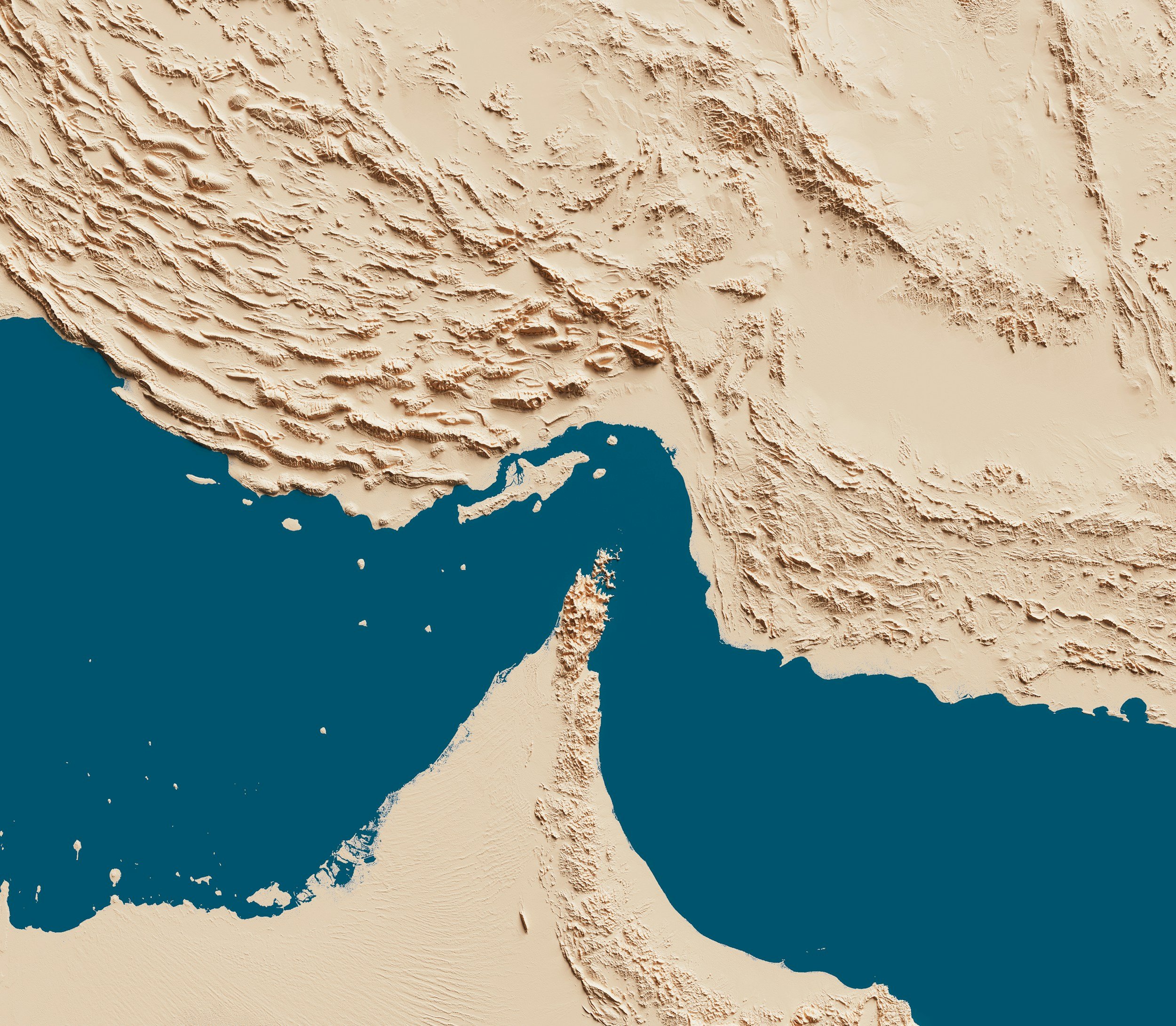
As missiles fly across the Middle East and drone strikes ripple across the Persian Gulf, the shock is being felt far beyond the region. Across the world, global energy markets are on the verge of collapse with oil prices rising, gas production halted, and critical infrastructure and trade routes compromised.
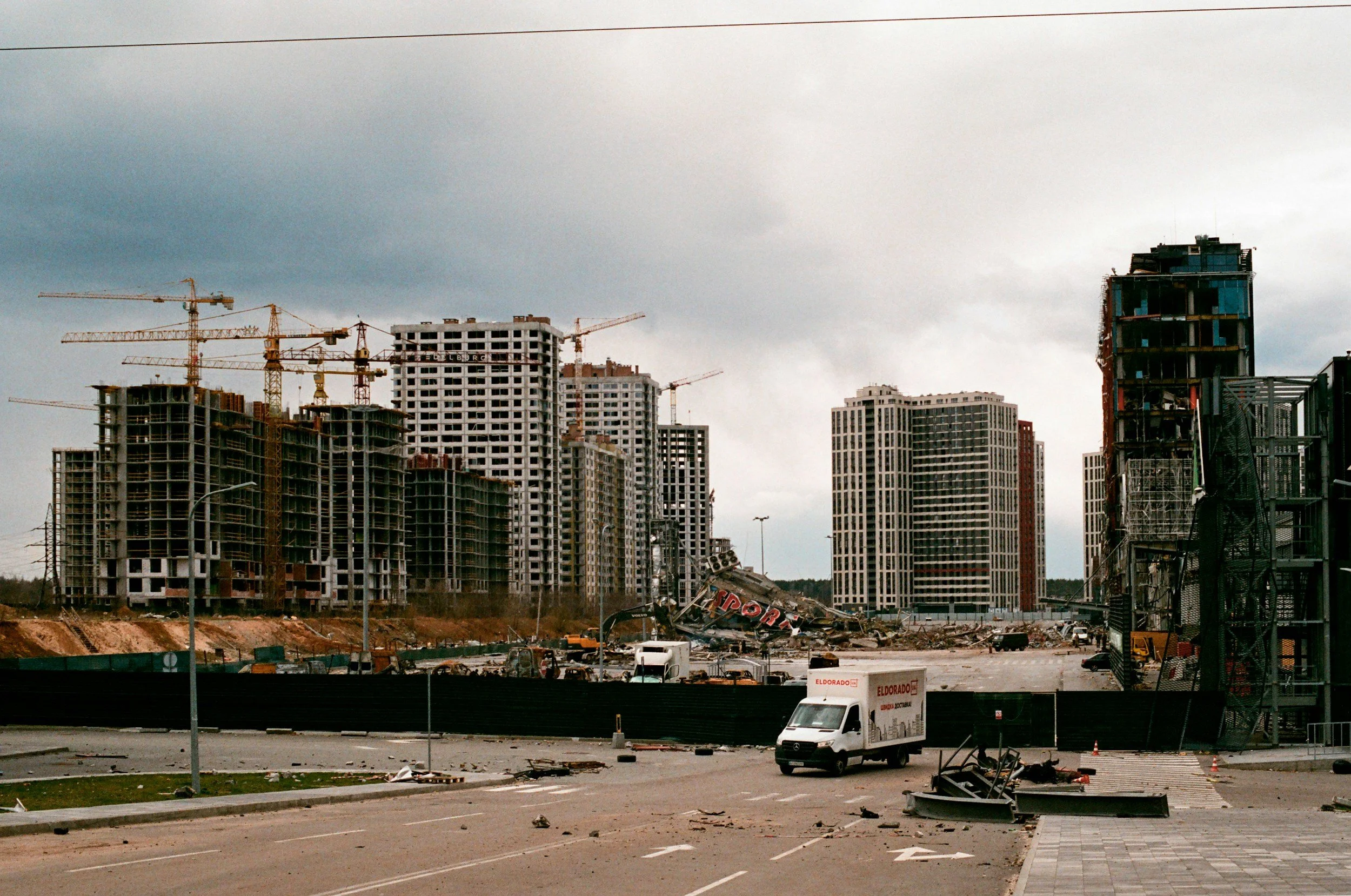
February 24, 2026 commemorated the fourth anniversary of Russia’s war of aggression against Ukraine. Europe’s largest and bloodiest conflict since World War II now continues into another grueling year with no peace in sight, as Ukraine’s President Zelenskyy accuses Russia of “dragging out negotiations” in Geneva. As of early March 2026, Ukraine and Russia have stepped away from the latest round of U.S.-mediated peace talks without a conclusive breakthrough. In considering this most recent anniversary, one can’t help but wonder whether Russian President Vladimir Putin expected to be in this position, and all signs point to no.
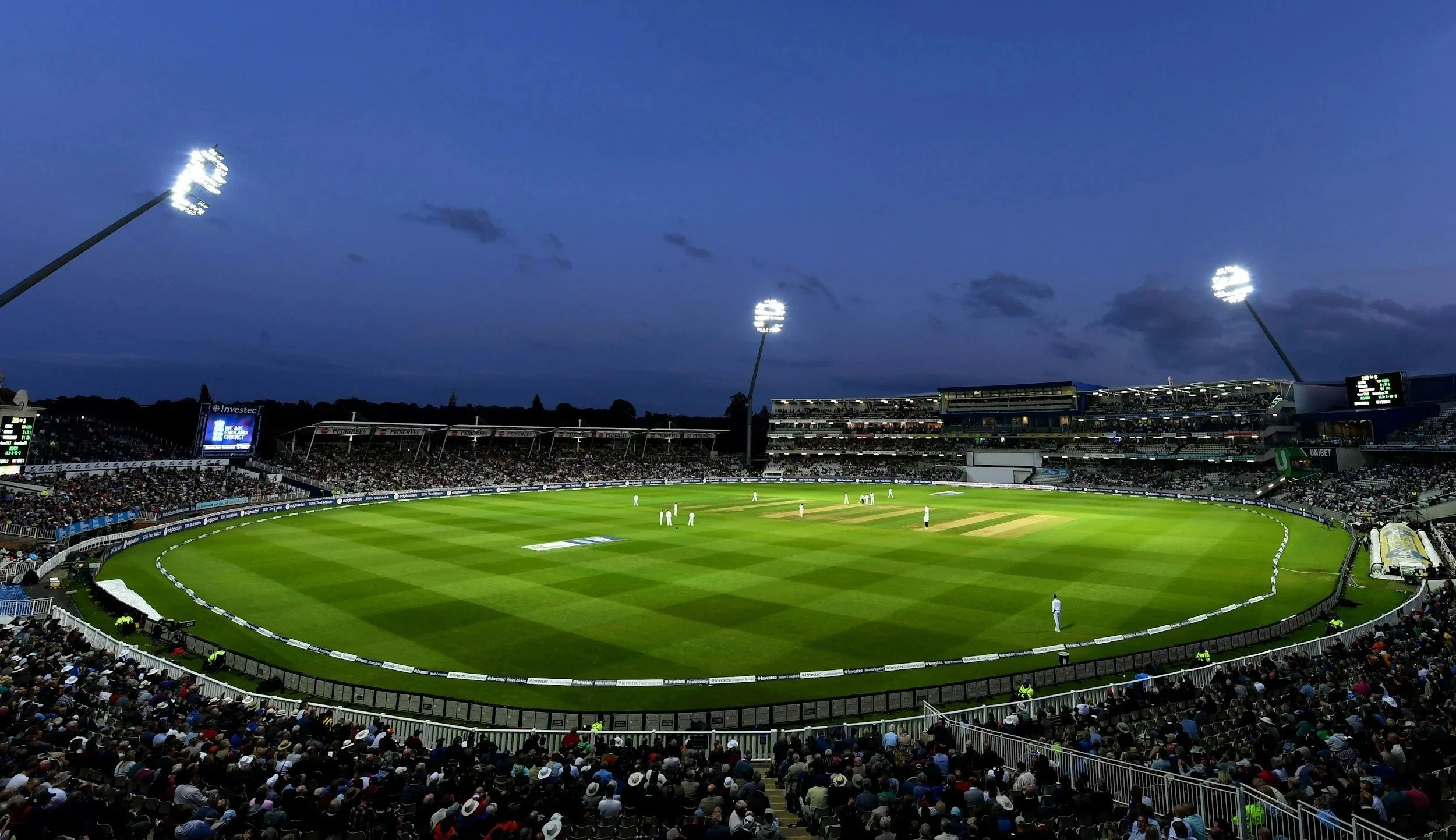
Cricket Diplomacy, once a metaphorical olive branch, has grown to become a physical manifestation of geopolitical fractures in South Asia. The 2026 ICC Men’s T20 Cricket World Cup demonstrates how sports stadiums become extensions of political conflict. Decisions surrounding player safety, match boycotts, and tournament logistics, revealed that Cricket is no longer just a game.
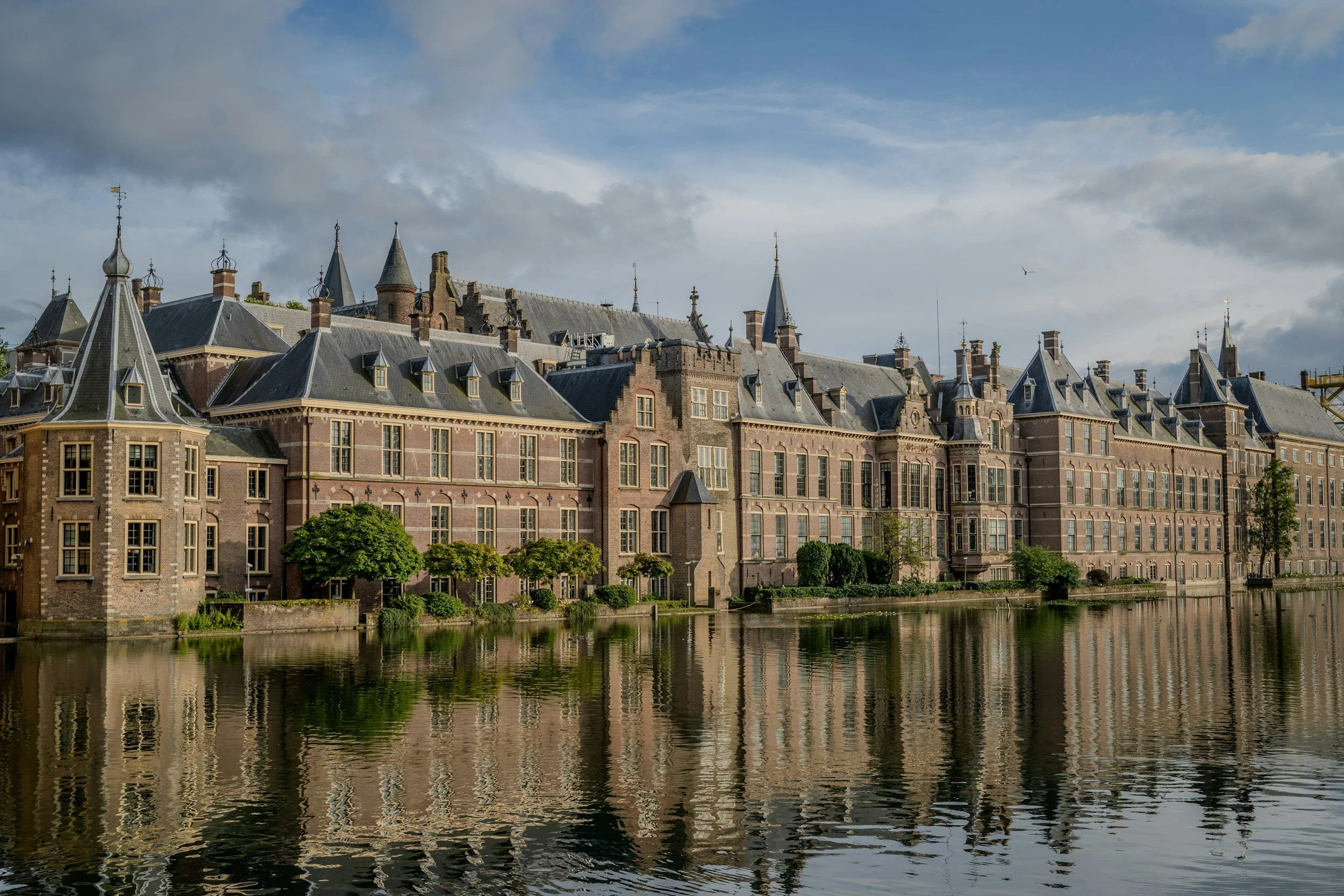
As centrist parties across Europe scramble to counter the far-right surge, the Netherlands offers a rare electoral victory for the center-left. But while Rob Jetten and Democrats 66 narrowly defeated Geert Wilders' Freedom Party, the far-right bloc in parliament quietly grew, raising questions about what it actually means to beat populism.
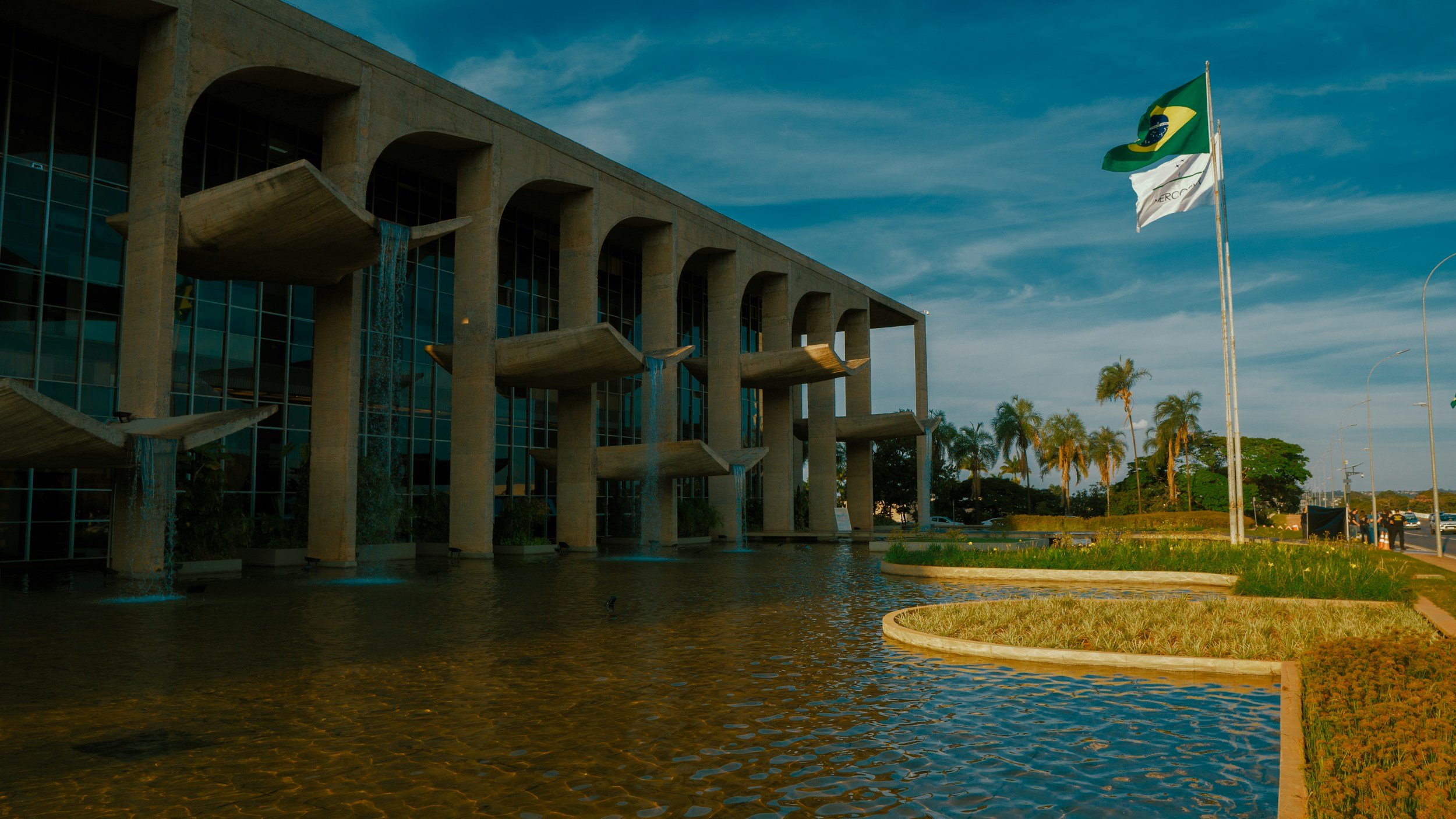
Following violent police raids on two of Rio de Janeiro’s northern favelas, the Penha and Alemao Complexes, there have been sharp criticisms of the city’s governing authorities. The raids, now known as Operation Containment, are the country’s deadliest in history with an estimated death toll of 122. Interestingly, disagreement among the national and state governments is a salient feature of the raids, as the two forces carry out legislative action independent from one another. Aside from prominent gangs that orchestrate criminal activity in the area, this article seeks to highlight the harmful nature of generalizations frequently made about the inhabitants of Brazil’s favelas.
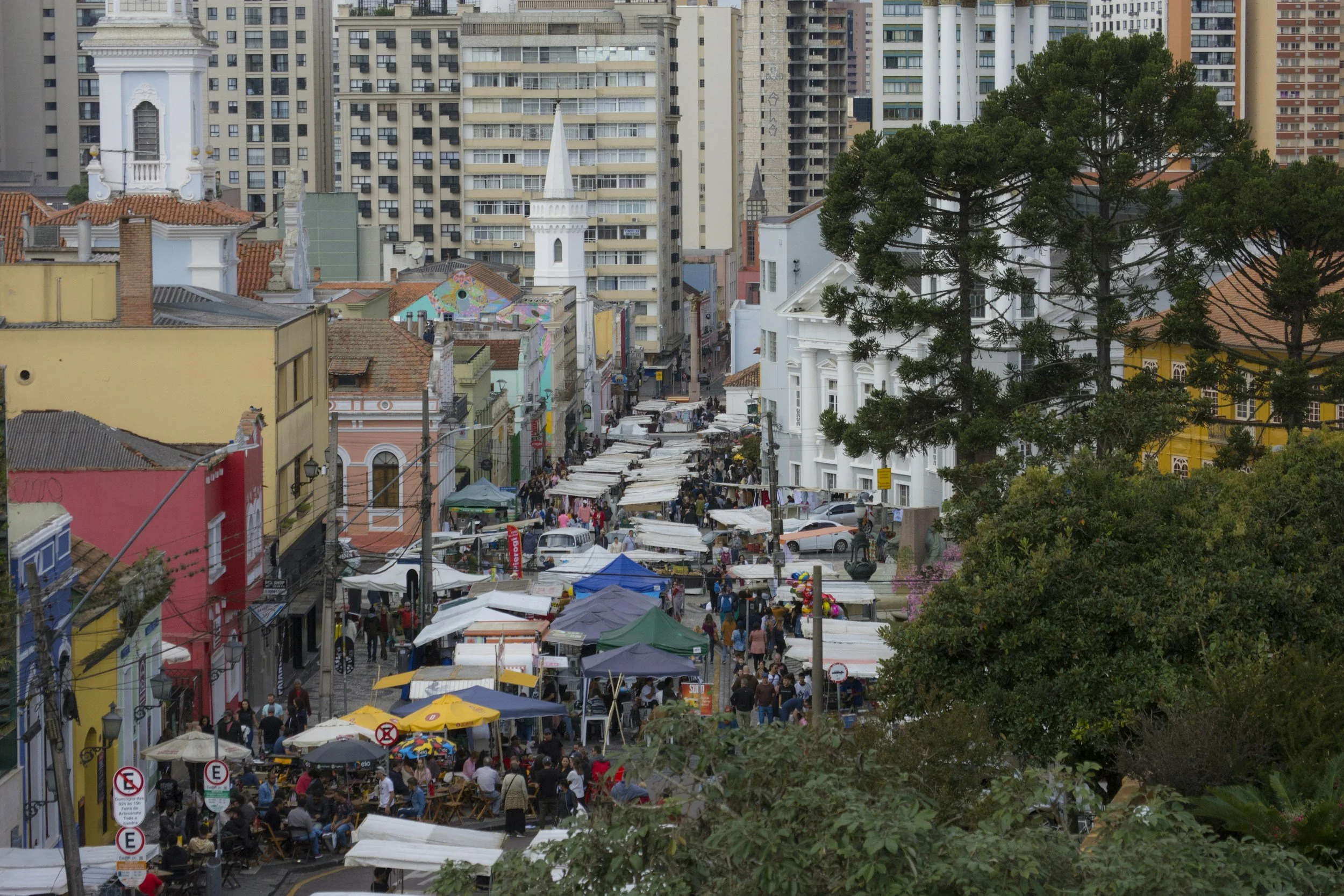
Today, over 100 million people are forcibly displaced. In the last six years, the number of asylum seekers has doubled, totaling 8.4 million by the end of 2025. Of these, Venezuelans make up the biggest number of asylum seekers, totaling 6.5 million. Brazil has emerged in the region as a key leader in refugee resettlement, welcoming many under its 1997 Refugee Law and federal program, Operação Acolhida. Yet, even with these legal protections in place, many Venezuelan refugees continue to face barriers in employment, language services and healthcare, revealing that much work still remains.
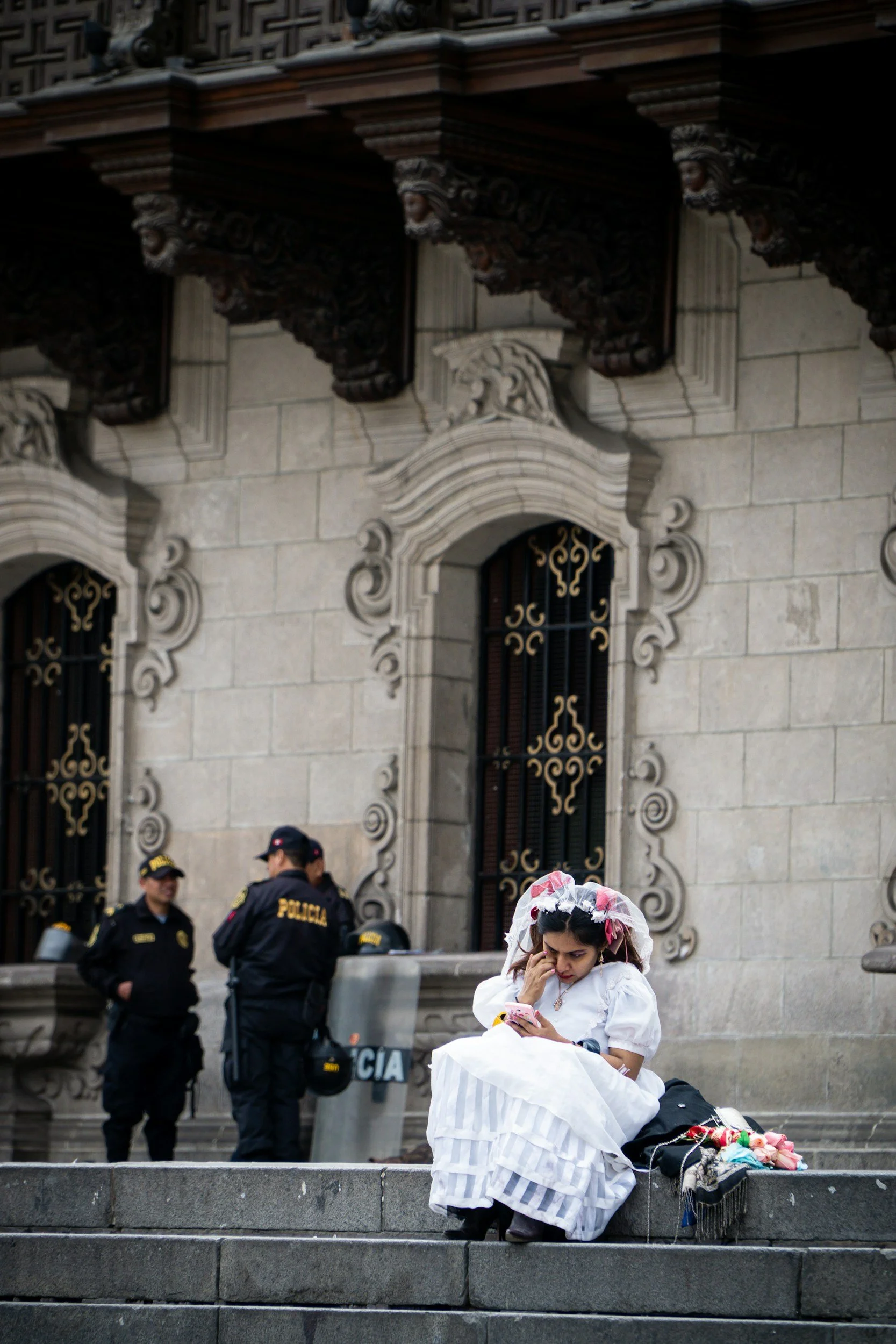
In a world increasingly defined by superpower rivalry, Latin America is no longer content playing the supporting role. Drawing on the drama and self-discovery of the classic telenovela, this piece reframes the evolution from the Non-Aligned Movement to today’s doctrine of active non-alignment as a story of autonomy, identity, and strategic reinvention. As global power shifts toward blocs like BRICS and leaders such as Luiz Inácio Lula da Silva pursue diplomatic flexibility amid rising tensions, Latin America is redefining its place in the international order, and this time, it is not as a pawn in great-power competition, but an author of its own script.
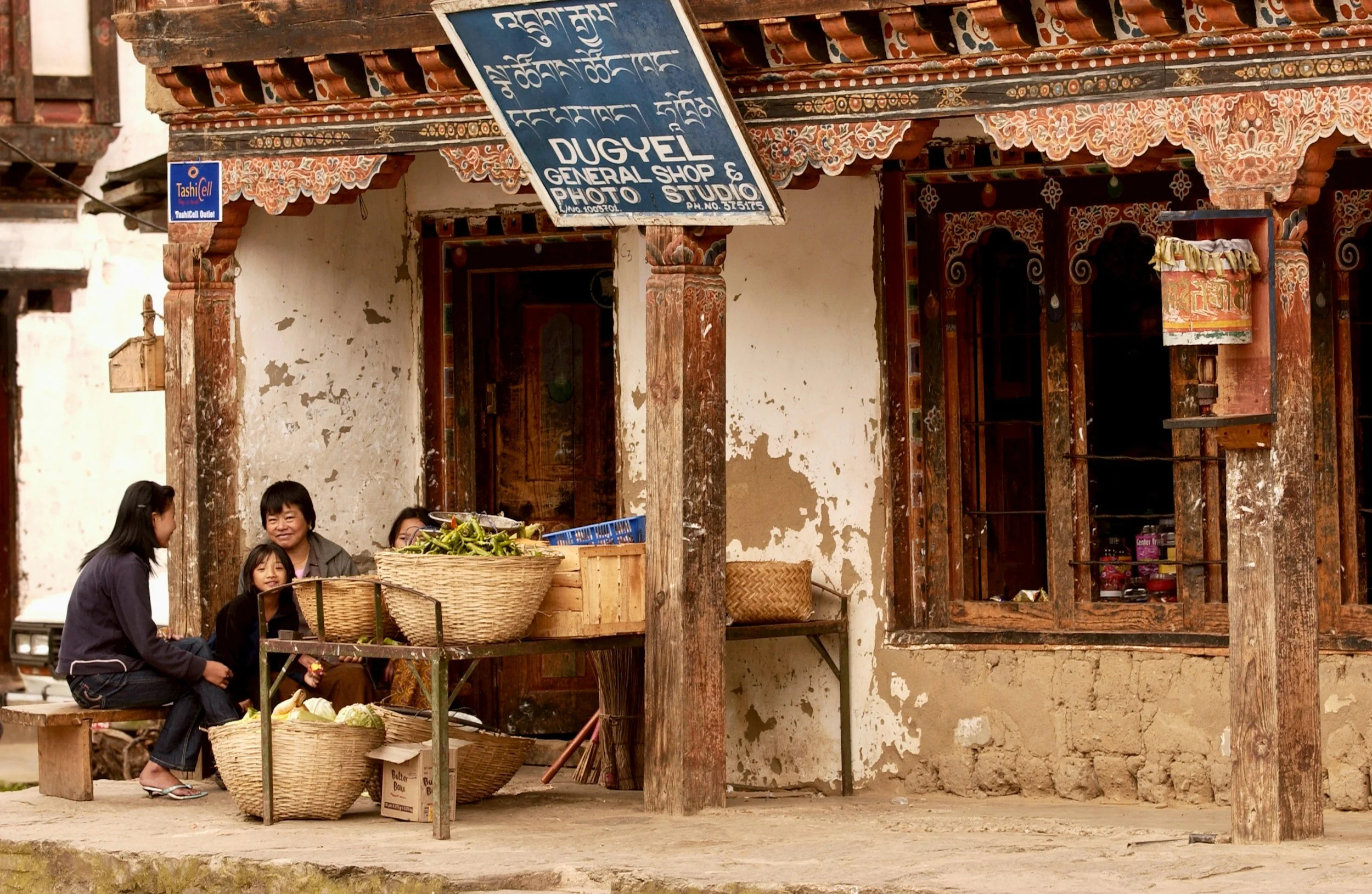
What if national success were measured not in dollars or military strength, but in the well-being of ordinary people? High in the Himalayas, Bhutan has built its governance model around Gross National Happiness, embedding psychological health, cultural preservation, and environmental stewardship into public policy. In doing so, the small kingdom has transformed happiness from a philosophical ideal into a measurable political framework—quietly challenging the global dominance of GDP and redefining what power can look like in the modern world.