Posts tagged Human Rights
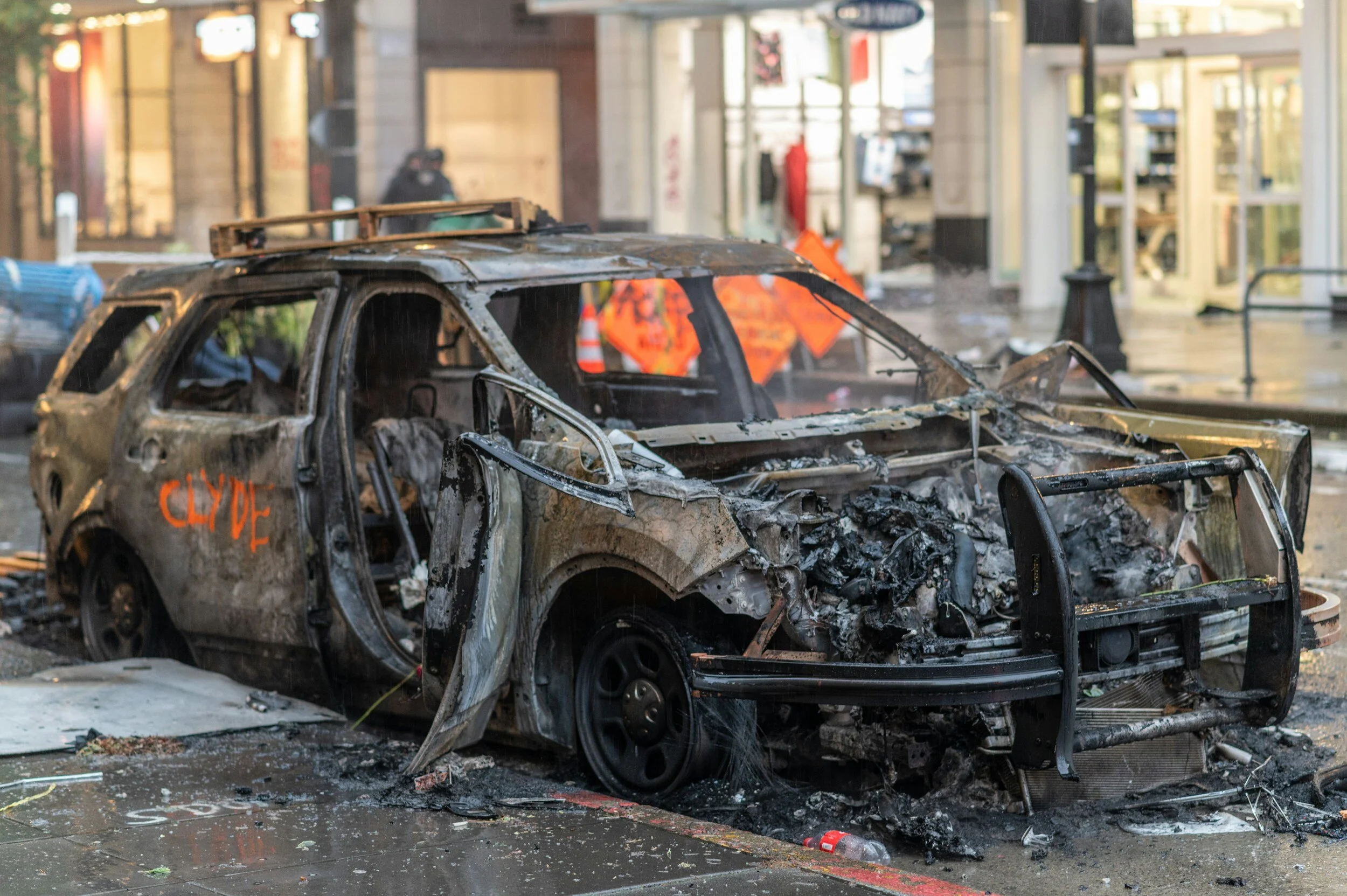
“Esta Maduro o Vencido”– Is it Ripe or Expired–Venezuelan Life Before and After Dictatorship

Nations can be ripened through democratic institutions or still be raw and vulnerable to the negative impacts of an autocratic regime. This article explores the rise and fall of Nicolás Maduro Moros, the collapse of a previously booming petro-state, and the human cost of authoritarianism and its impact on democracy. The article examines the current international and Venezuelan hope for democratic renewal in a country caught between crisis and change.

Read More
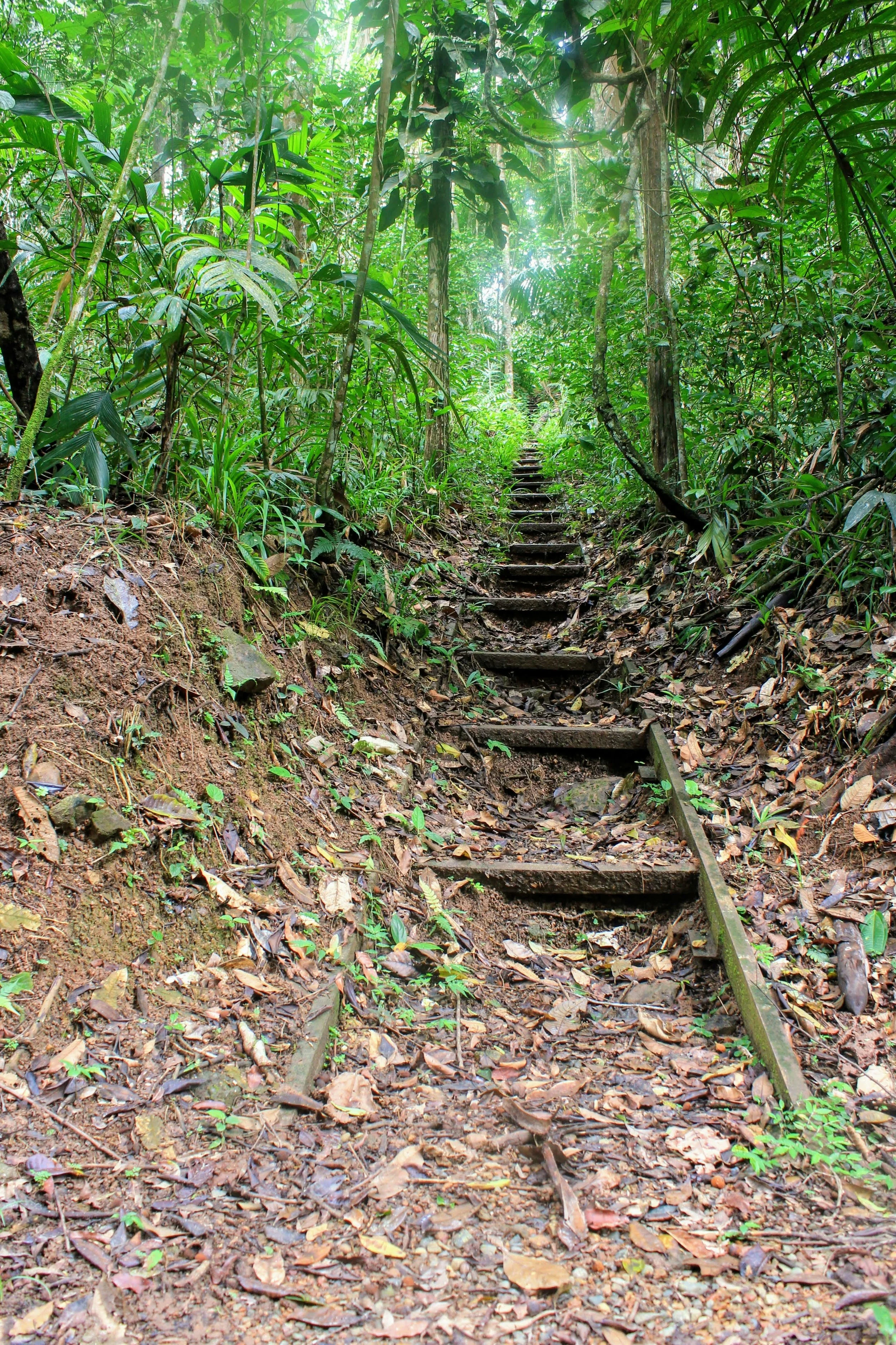
The Long Journey North: How the U.S. Manages Migration through the Darién Gap

The Darién Gap has emerged as a popular route for migrants traveling to the United States, with hundreds of thousands women, men and children attempting to make the dangerous journey. With the intention of reducing migration, the U.S. has partnered with Latin American governments to establish policies that halt migration before migrants reach the U.S.-Mexico border. The question remains, are these policies actually reducing migration, or are they simply pushing migrants to take more dangerous paths? 

Read More
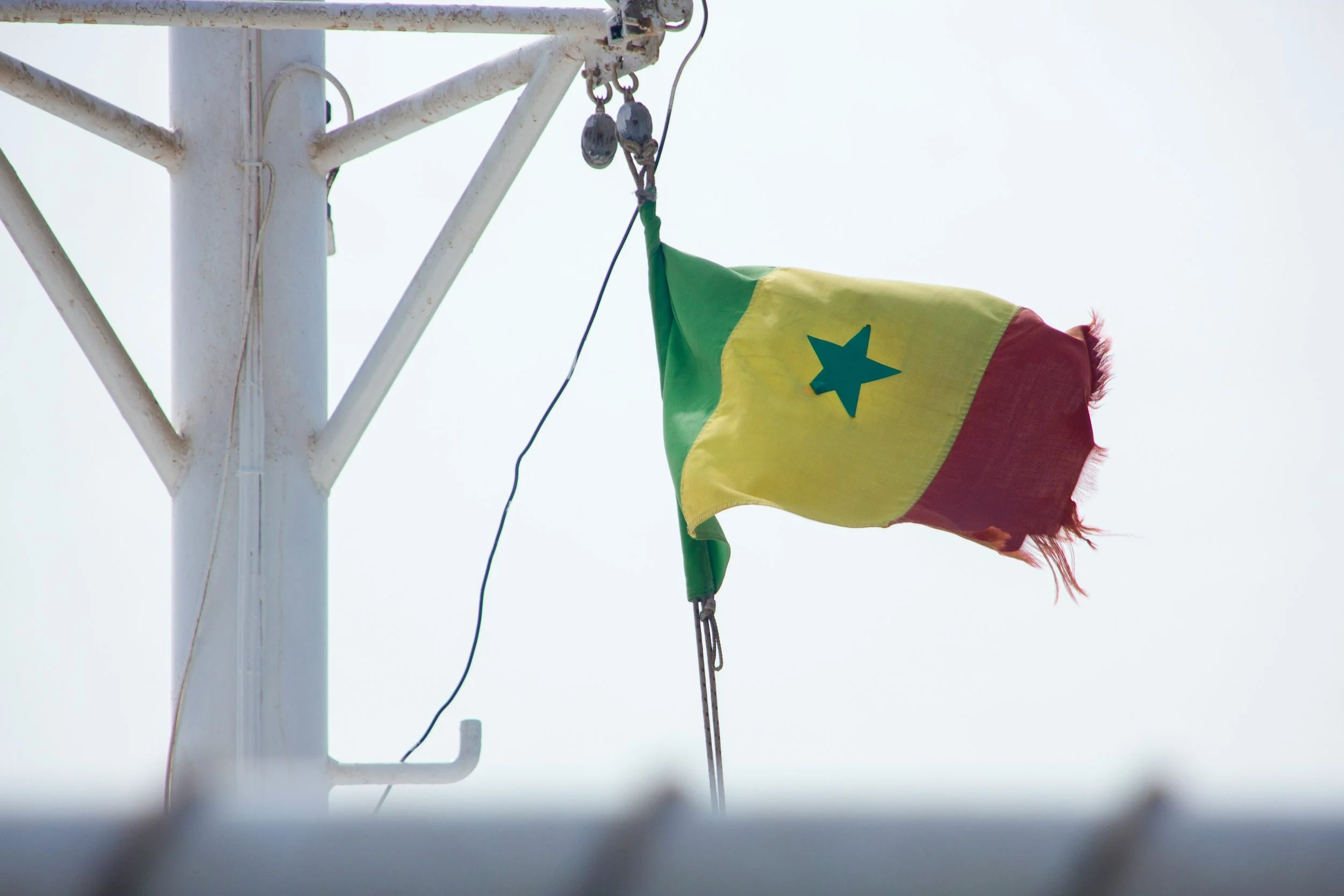
“Un-African” or Unjust? The Politics of Homophobia in Senegal

In recent months, Senegal has found itself at the center of growing debates over LGBTQ rights as rising homophobia and stricter laws reshape the nation’s social and legal landscape. Building on past legislation, a 2026 bill to increase penalties for queer individuals has been met with strong public and political support. Still, critics warn that these developments conflict with Senegal’s international human rights commitments and risk legitimizing discrimination.

Read More
Crushing Dissent: Belarus’ Campaign Against Human Rights Lawyers

By criminalizing lawyers committed to defending the right to a fair trial and exposing human rights abuses, the Government of Belarus undermines essential international standards and further drives Belarus away from democracy. These measures reveal a regime intent on eradicating independent voices and tightening authoritarian control, while simultaneously signaling to the international community the urgent need for continued attention and accountability.

Read More
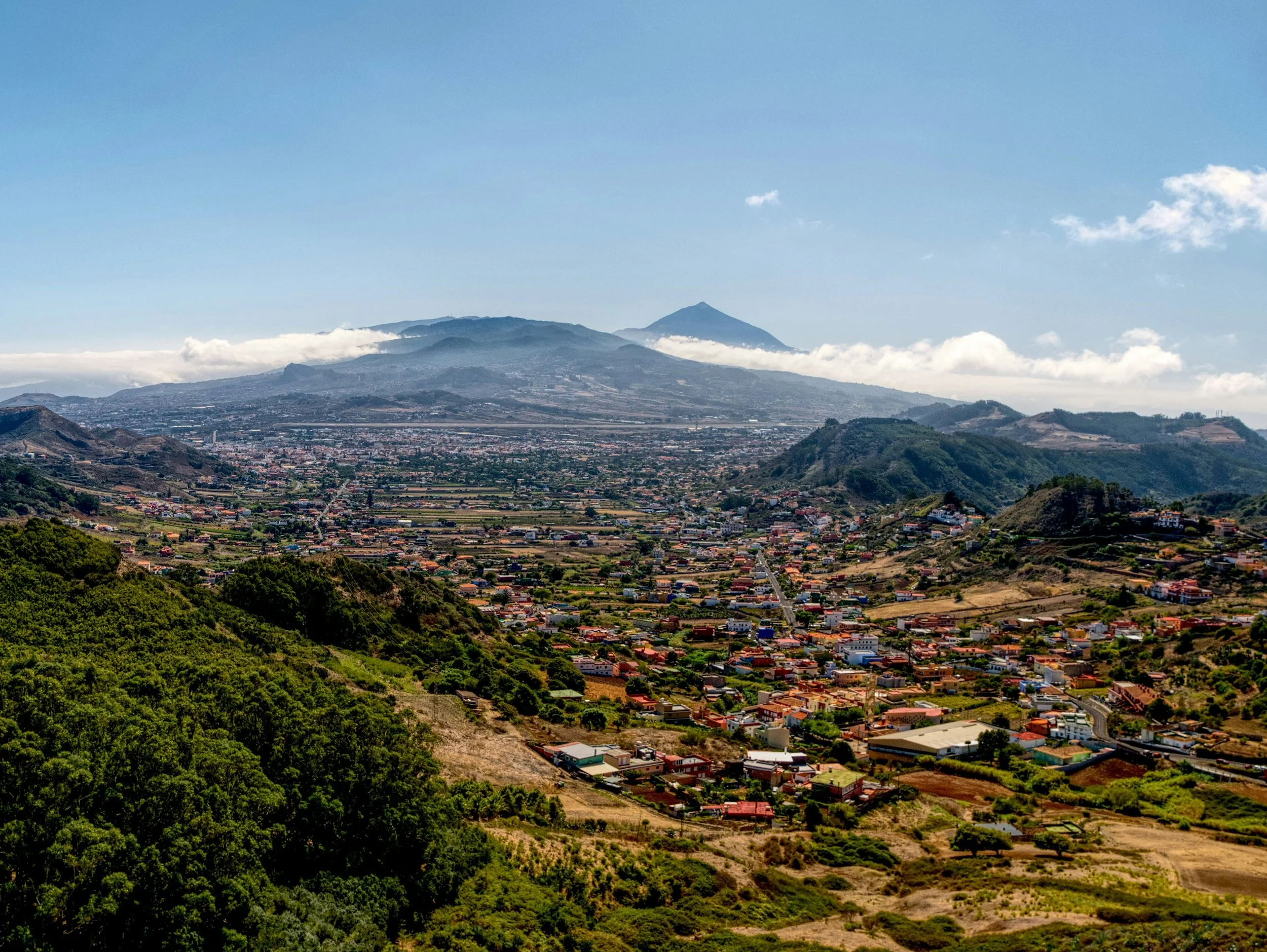
Exclusion, Repression, and Confusion: President Bukele’s Failure to Address Organized Crime in El Salvador

The self-proclaimed “world’s coolest dictator” is lauded by his people for making them feel safe in their own neighborhoods, however, President Bukele’s approval rating conceals his administration’s ignorance of past and future rural life in El Salvador. While President Bukele’s crackdown has provided short term success, his actions ignore El Salvador’s history of war and violence that motivates gang participation in the first place. Explicitly, Bukele’s mano dura (firm hand) policies have undermined impoverished communities more than they have helped them and centralization of state power has contributed to a democratic backsliding in El Salvador that exacerbates the class divide between industry elites and the rural population.

Read More
The Paralysis of the Past: An Evaluation of President Arévalo’s Aspirations to Combat Historic Impunity and Indigenous Oppression in Guatemala 

For decades, the Guatemalan military has cooperated with foreign and domestic elites to stymie public efforts at combating racial and social inequalities. State repression is so embedded into the Guatemalan political system that corruption has been made contingent for the state to function. Nevertheless, various transitional justice initiatives which emerged at the end of the Civil War, such as the Equipulus I and II agreements and the REHMI and CEH reports, carried positive changes to the modern Guatemalan state.  The strategies used in this time can inform the Semilla party in its anti-corruption mission.

Read More
The Institutionalization of Gang Violence in Trinidad & Tobago

In Trinidad and Tobago there has been a record of gang-related violence that has made life unsafe for citizens of the island nation. Moreover, the gangs themselves are deeply institutionalized into Trinidadian society, even serving functions of government, thus making them exceptionally difficult to remove. 

Read More
Violence in Peru: The Roots of Inequality

With the removal of Pedro Castillo, Peru has fallen into a state of brutality. Indigenous and historically marginalized groups demand to have their voices heard.

Read More