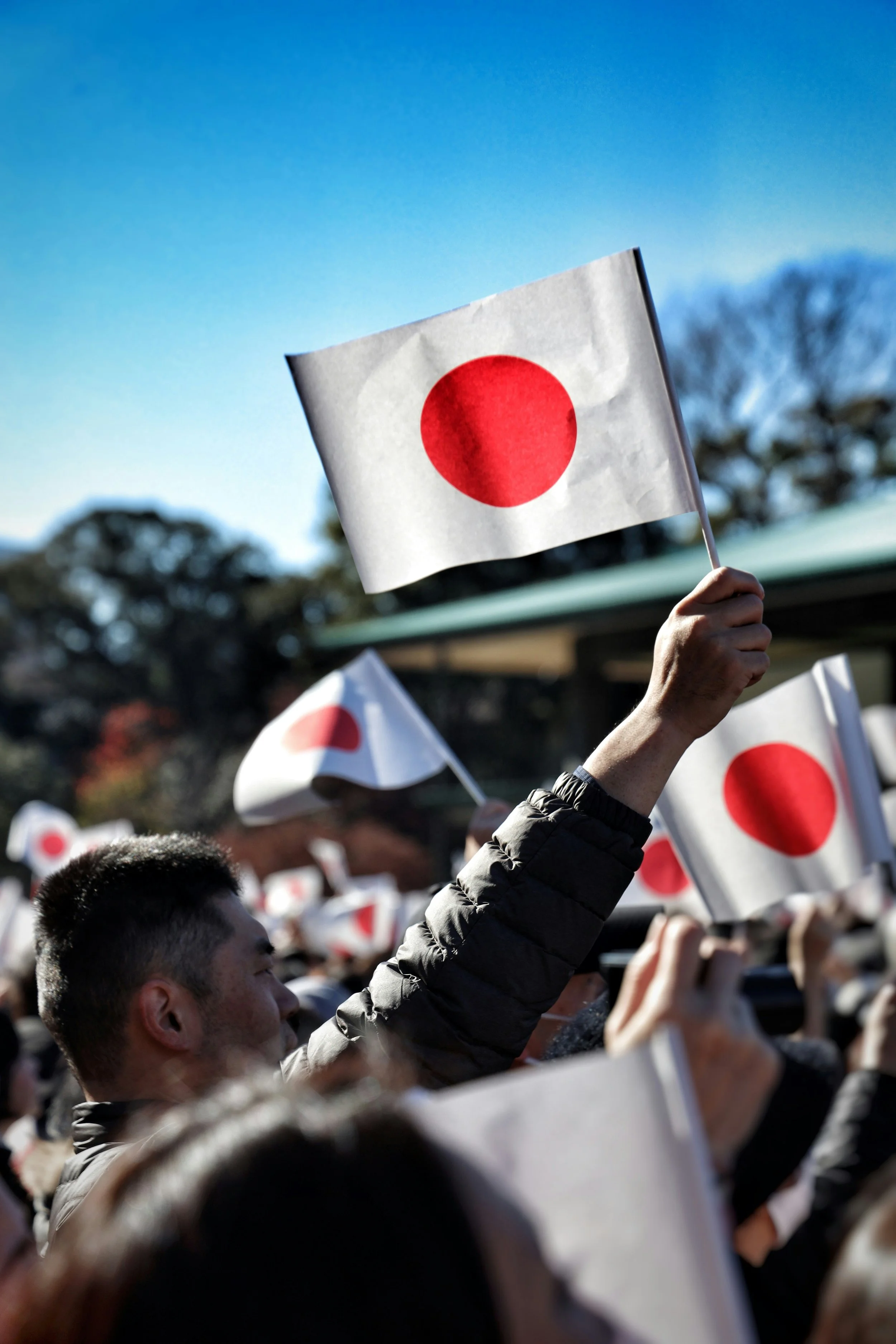
Facing increasing threats, Japan and Korea share significant interests. Yet, the two countries rarely cooperate with each other, with tense diplomatic relations at a stalemate. Many scholars have attributed this to the rocky history between Japan and Korea, specifically during the colonial period and World War II. Through the examination of Japanese nationalism focused on identity and collective memory, this paper argues that the failures to resolve the historical problems as a result of the humiliation to the Japanese identity impedes East Asian state cooperation, which eventually leads to perpetual reliance on the United States and attempts at rearming.
Read MoreThe increasing influence of the Unification Church became highly visible following intense criticism and allegations of corruption from the South Korean and Japanese governments. As more is discovered in the investigations, the broad reach the church holds across the world grows clearer.
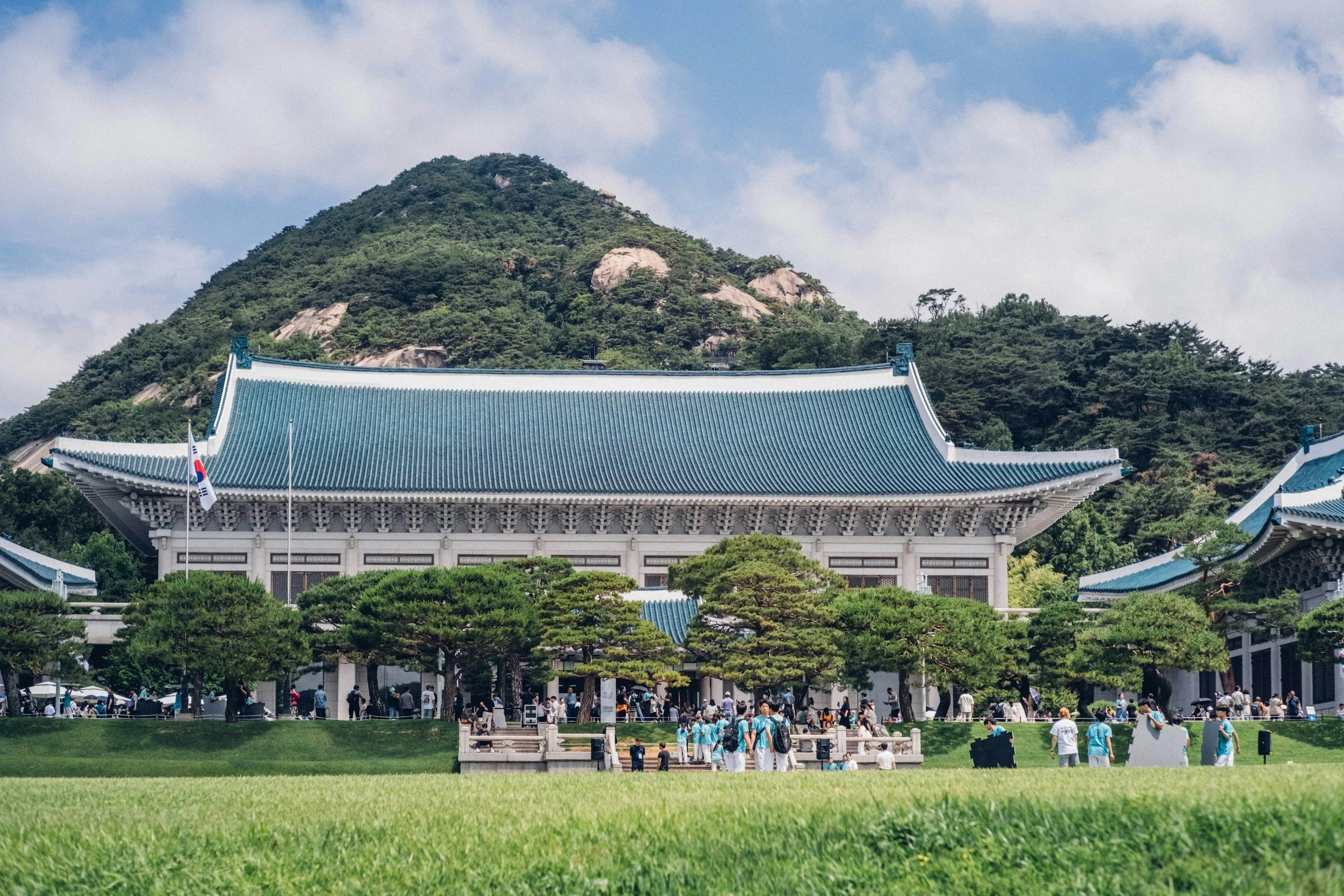
Read MoreAlthough Japan’s imperial expansion concluded at the end of World War II, its colonial legacy continues to fuel regional instability. Critically, unresolved disputes between Japan, Korea, China, and Taiwan over the Takeshima and Senkaku islands remain at a stalemate. Rooted in Japan’s annexation of the islands in the late 1890s to 1910s, the legal conflict over rightful ownership has evolved from territorial disagreements into significant threats to regional security.
Read More