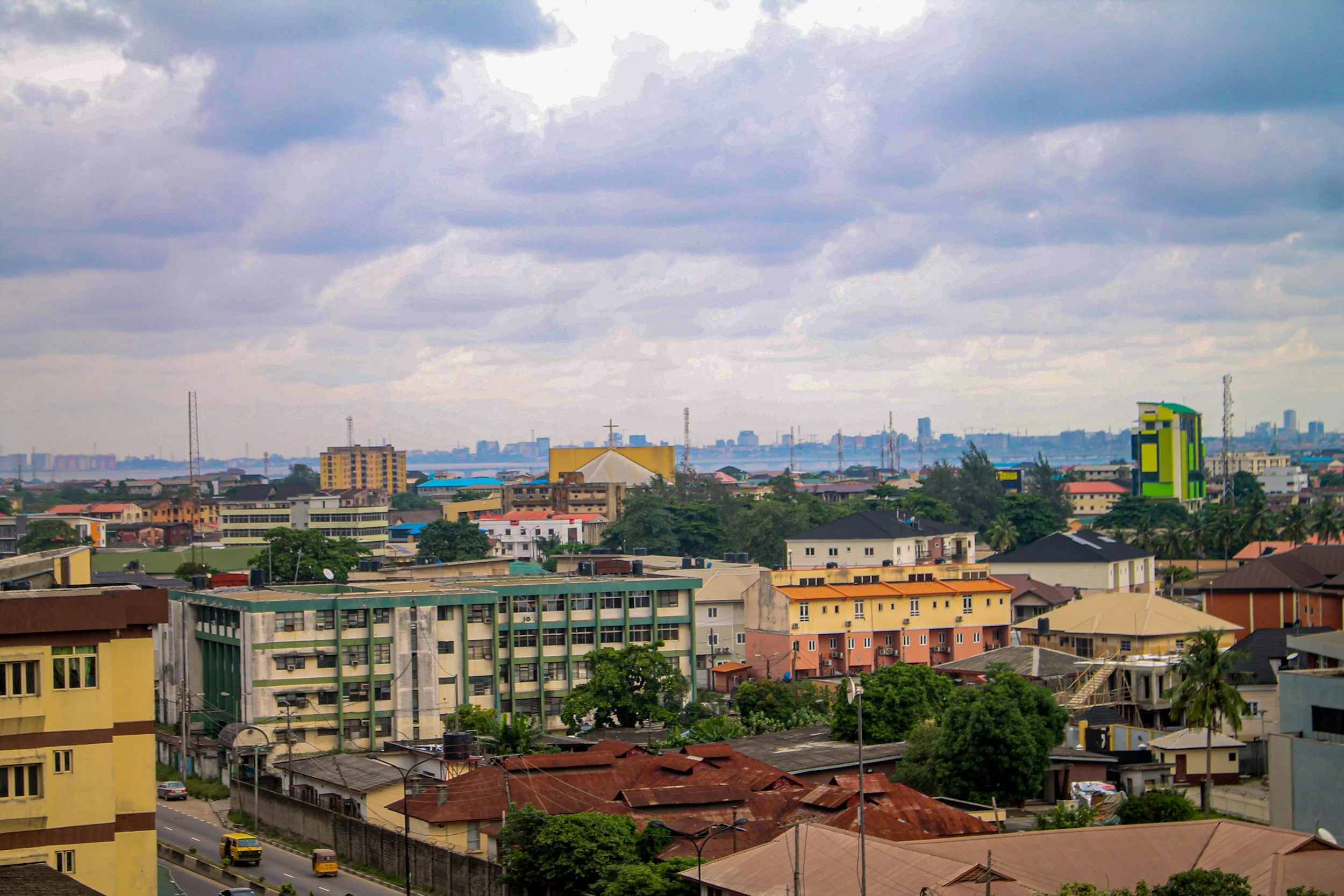
U.S. political rhetoric has revived attention to Nigeria’s struggle with extremist violence, often relying on dramatic but unverified statistics that oversimplify the conflict. Although Christian communities have suffered greatly under jihadis group, Boko Haram, Muslims and other groups have also been targeted, complicating claims that Christians alone have been targeted. When inflated figures dominate the conversation, they distort public understanding and encourage one dimensional U.S. policy responses that overlook Nigeria’s broader security challenges.
Read MoreFour mass kidnappings in the northern region of Nigeria have pointed to the resurfacing of the country’s kidnaping crisis. The crisis began in 2014 following the abduction of over 200 schoolgirls, and has since spread to bandit groups seeking ransom. This security threat points not only to gender-based insecurity, but the overall decline of Nigeria’s social, political and economic situation.
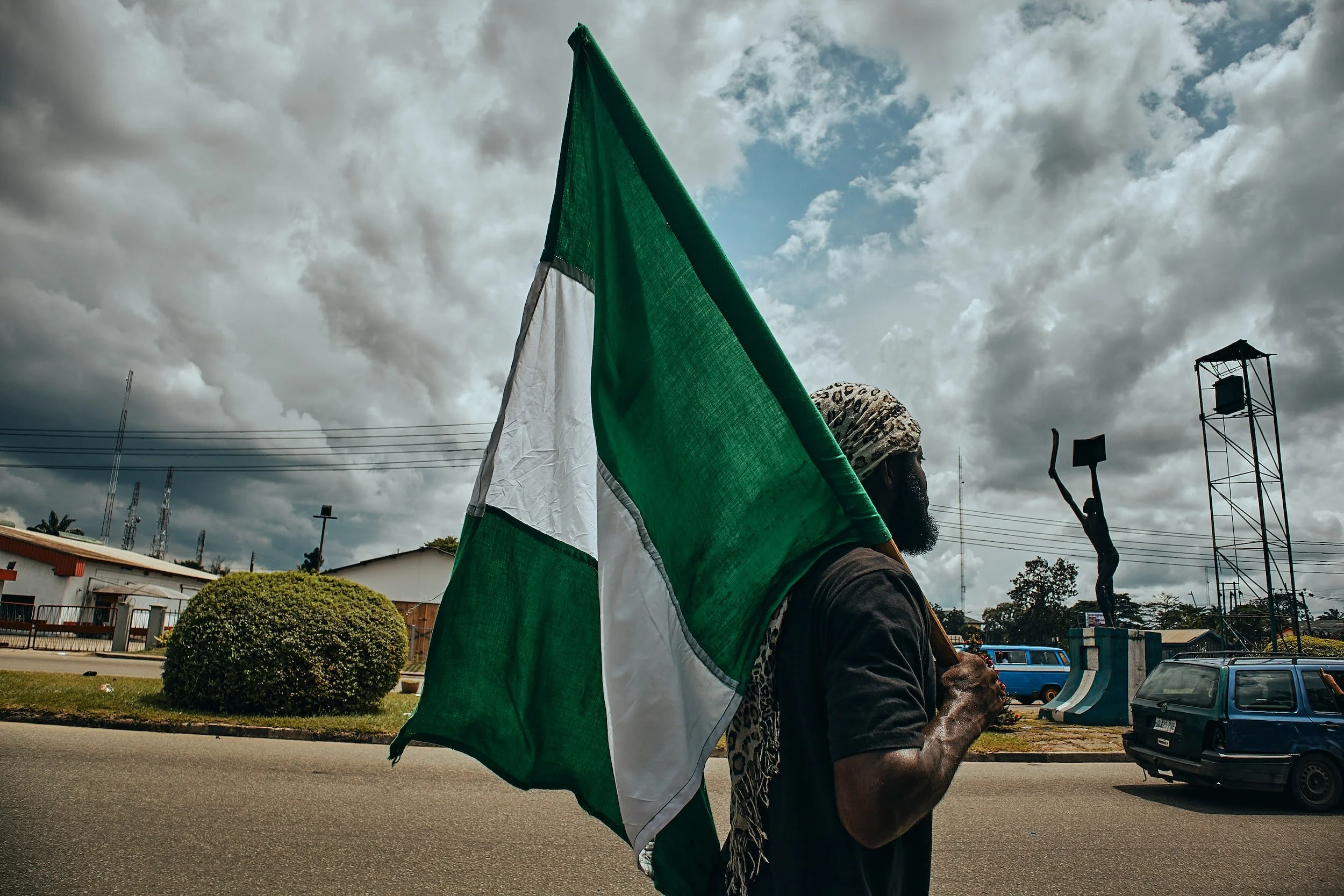
Read MoreWith official results showing only approximately 27 percent of registered voters cast their ballot for a presidential candidate in Nigeria, this appallingly low turnout is not unexpected when looking at recent election cycles considering Nigeria’s history with rampant white collar crime. Corruption is by far the most common manifestation of white collar crime in many developing countries.
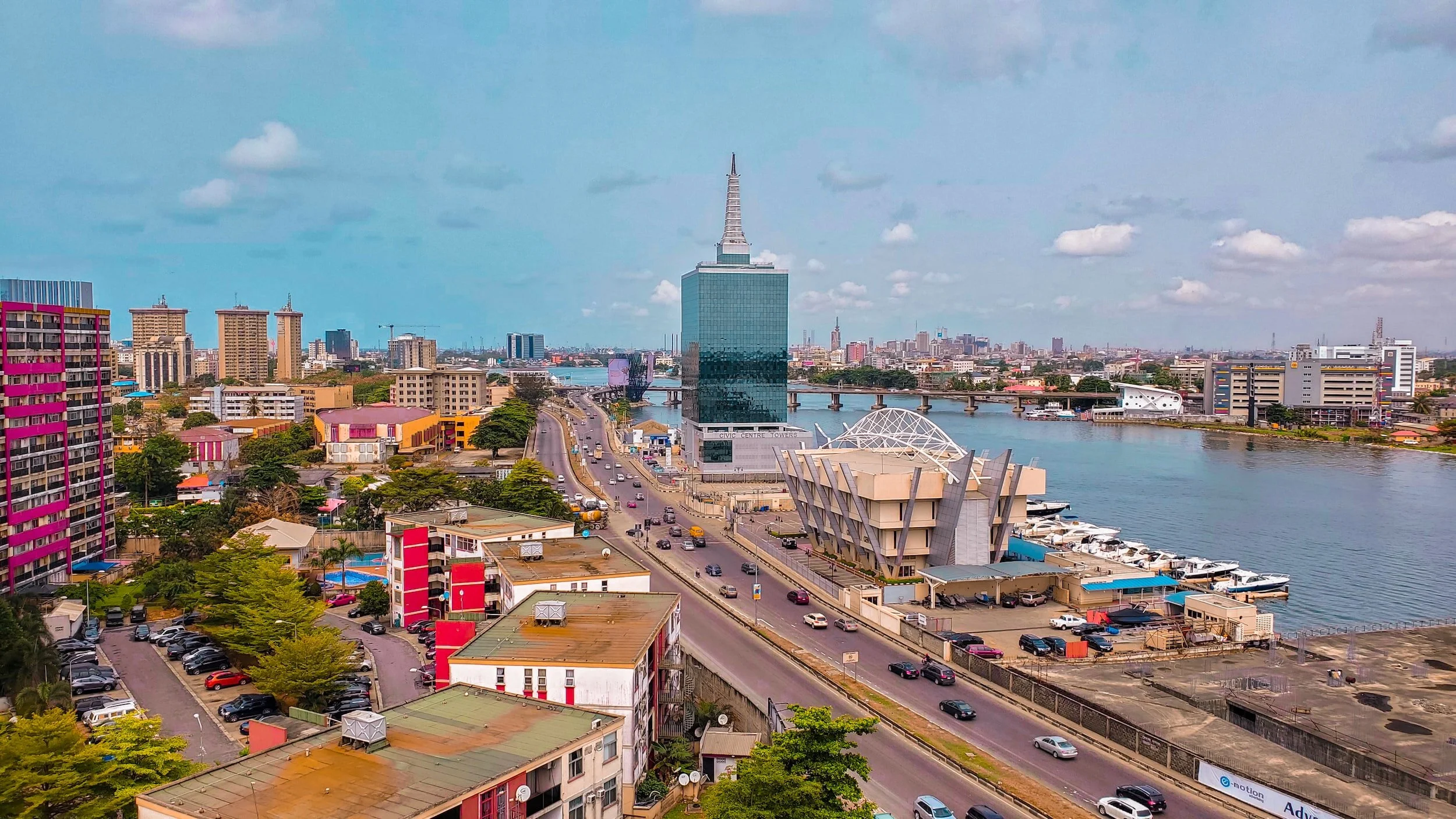
Read MoreOne of the biggest, if not the biggest, challenges to Nigeria’s economic growth is its lack of quality infrastructure. To compete on the global stage and address problems such as poverty and lagging human development, Nigeria needs improved infrastructure to service its economy and development goals.
Read MoreCounter-terrorism laws concerning al-Shabab influence in Somalia lessens the amount of aid able to reach over 900,000 struggling civilians in terrorist controlled regions.
Read More