Lebanon’s economic and political collapse has eroded public trust and weakened state institutions. Once called the “Switzerland of the Middle East,” it now faces blackouts, inflation, and a devalued currency. Decades of sectarian power-sharing paved the way for the 2019 financial crisis, marking the collapse of the postwar order. Hezbollah—a political party and paramilitary group backed by Iran—has expanded its role in governance, security, and welfare, reinforcing a shadow-state dynamic as the country drifts further from democracy. Yet under Prime Minister Nawaf Salam’s new 2025 administration, early reforms in energy, banking, and transparency signal a fragile but honest effort to restore accountability and rebuild democratic state legitimacy.
Read MoreLebanon’s economic and political collapse has eroded public trust and weakened state institutions. Once called the “Switzerland of the Middle East,” it now faces blackouts, inflation, and a devalued currency. Decades of sectarian power-sharing paved the way for the 2019 financial crisis, marking the collapse of the postwar order. Hezbollah—a political party and paramilitary group backed by Iran—has expanded its role in governance, security, and welfare, reinforcing a shadow-state dynamic as the country drifts further from democracy. Yet under Prime Minister Nawaf Salam’s new 2025 administration, early reforms in energy, banking, and transparency signal a fragile but honest effort to restore accountability and rebuild democratic state legitimacy.
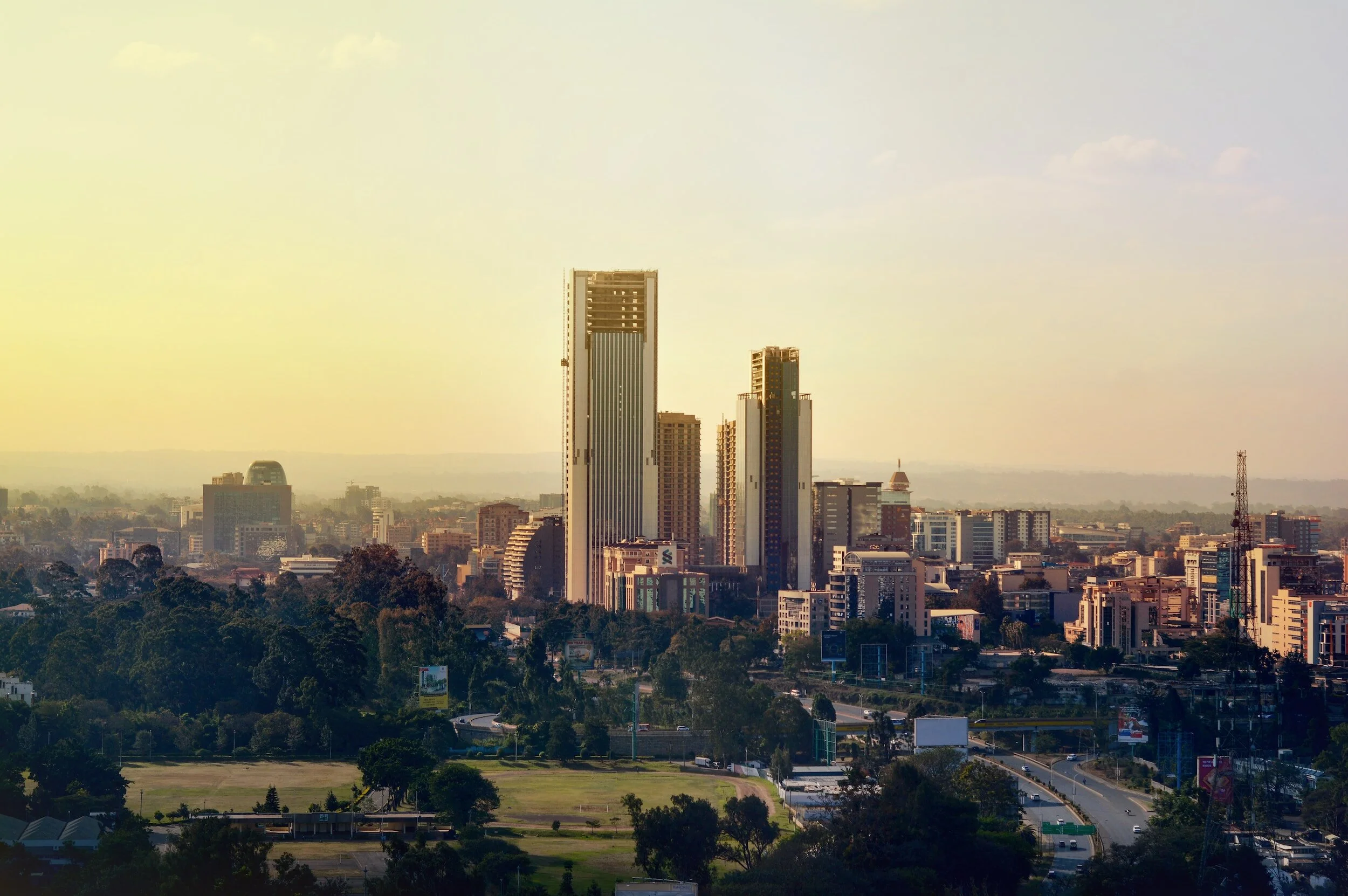
Read MoreAs riots form throughout Kenya, the contradictory nature of William Ruto's new tax initiatives and their effect on the predominantly impoverished population is scrutinized. Ruto's campaign promise to champion the working class has given way to controversy, as his tax policies worsen existing economic disparities and trigger protests. This raises questions about whether Ruto can fulfill his pledge to bridge Kenya's wealth gap or if his approach using such policies will hinder progress in the country.
Read More