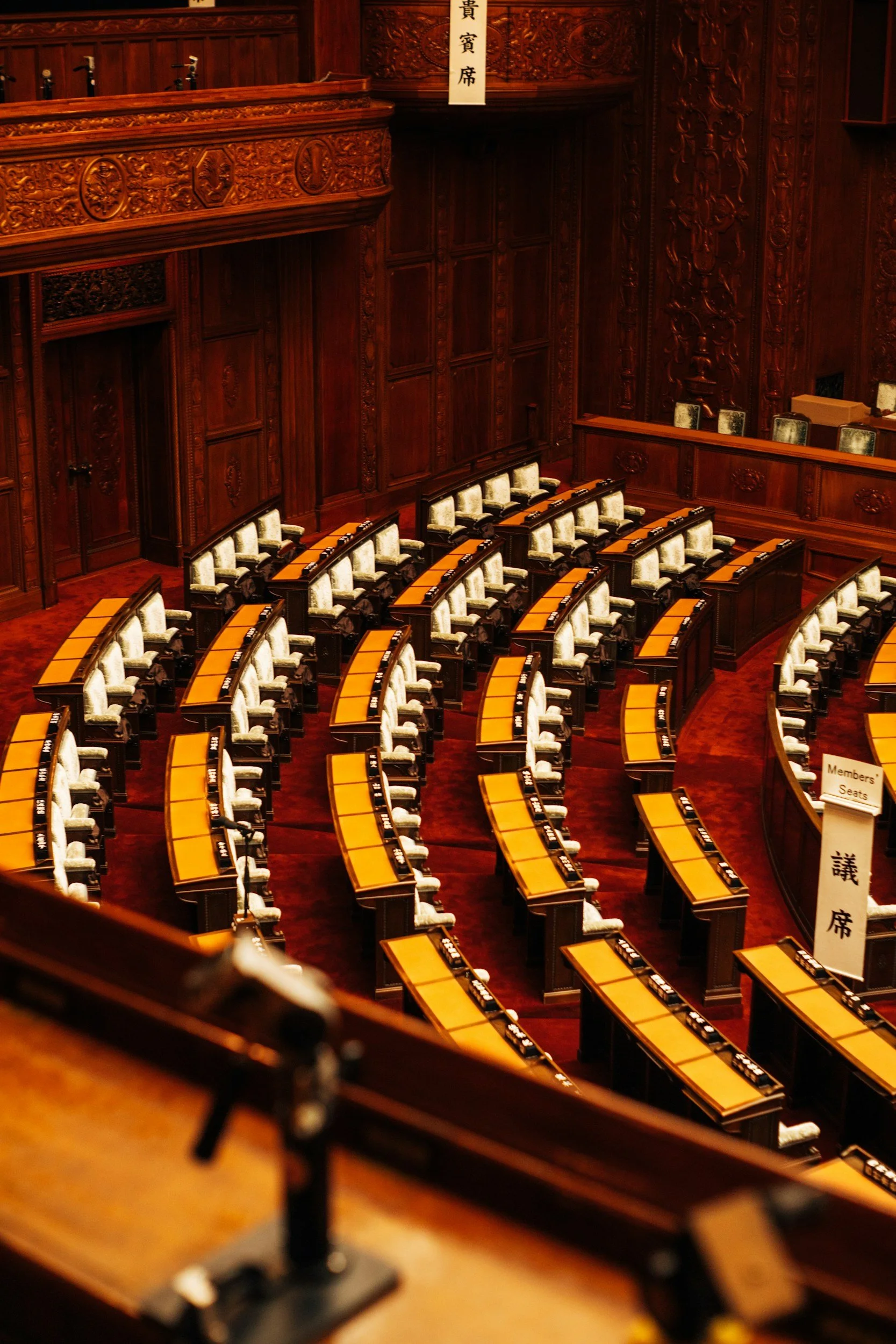
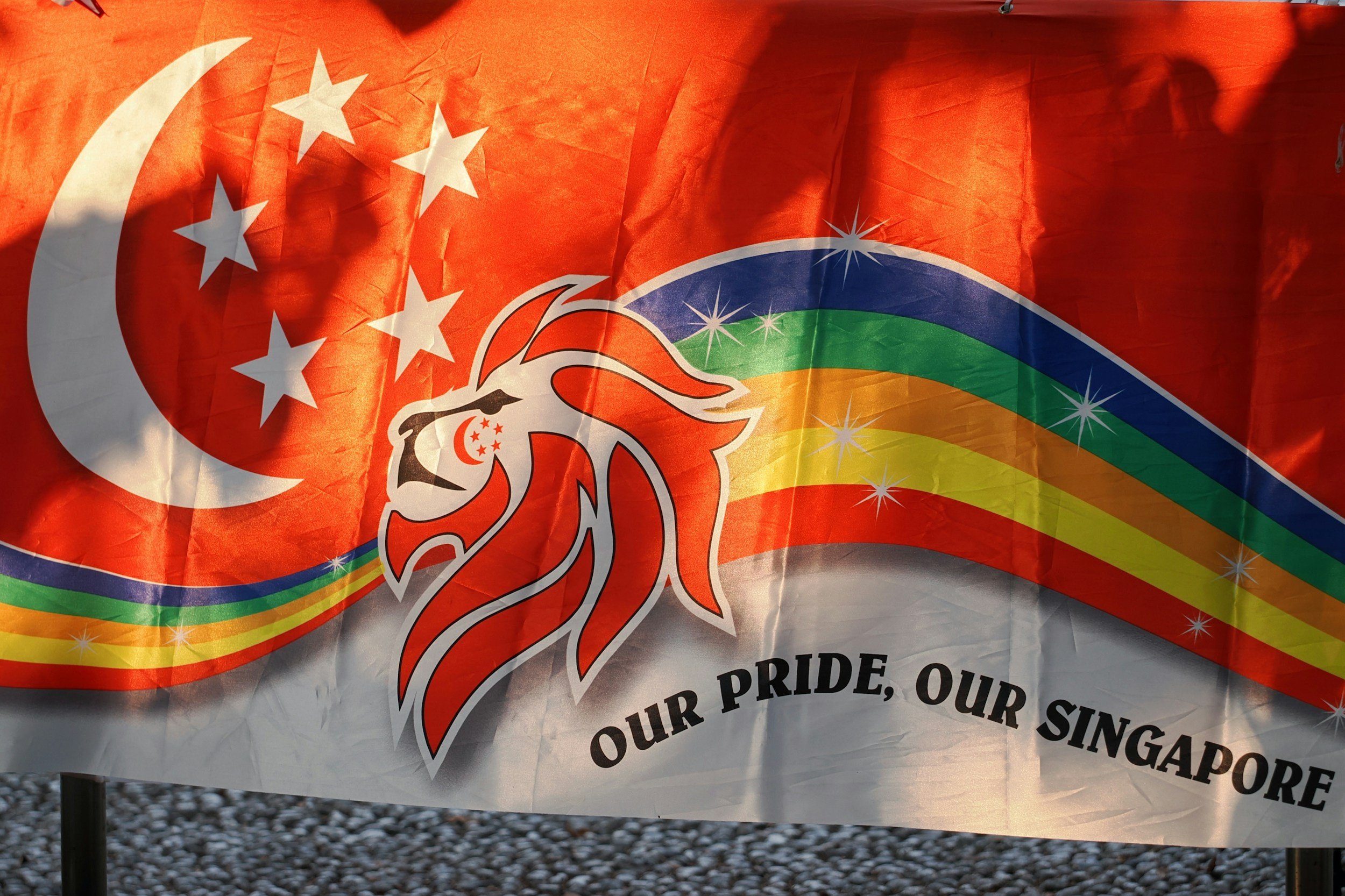
In 2023, after much public debate, Singapore repealed Section 377A, a colonial-era law dating to 1938 that criminalized sex between men. It looked like a turning point. But in the same breath, Parliament amended the Constitution to protect marriage as the union between a man and a woman. This article examines why Singapore decriminalized male homosexuality while tightening its grip on marriage, family policy, and public expression, and what that reveals about how far the state will allow cultural acceptance to reshape the law.
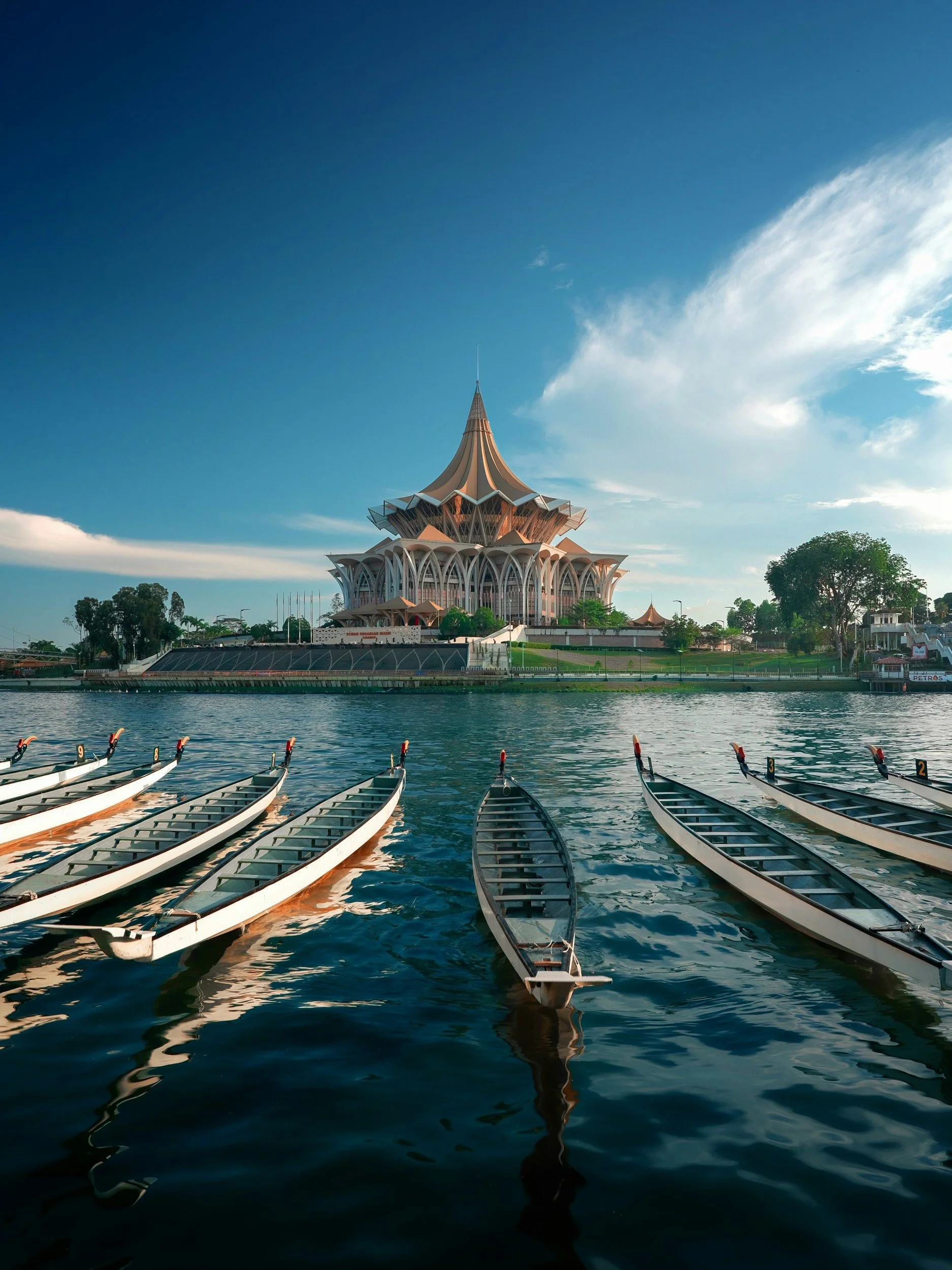
Read MoreMalaysia has recently become a major hub for AI and data centers in Southeast Asia, attracting significant foreign investment while also putting more pressure on its electricity and water supply. This growth could bring major benefits, but it also raises concerns about whether Malaysia’s infrastructure and resources can keep up.
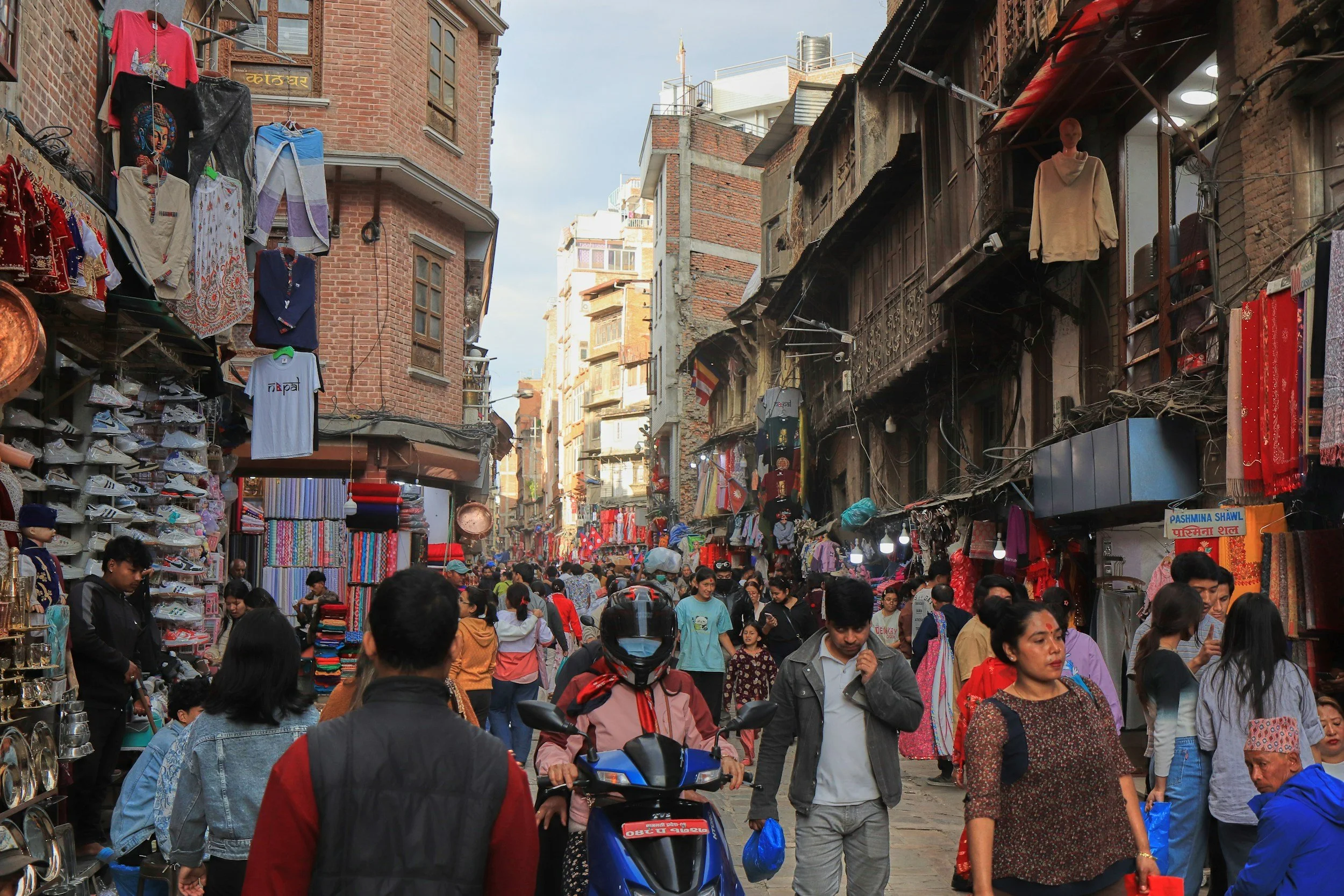
Read MoreWhen Nepal banned 26 social media platforms in September 2025, young protesters didn’t go quiet. They went to Discord, a gaming app, where 100,000 strangers argued, organized rescues, and voted on who should lead the country. Their pick, Sushila Karki, became Nepal’s first female prime minister. Supporters called it democracy at its most open; critics saw fake accounts and mob rule. But can a revolution that began in a chatroom survive the slower work of building real institutions?
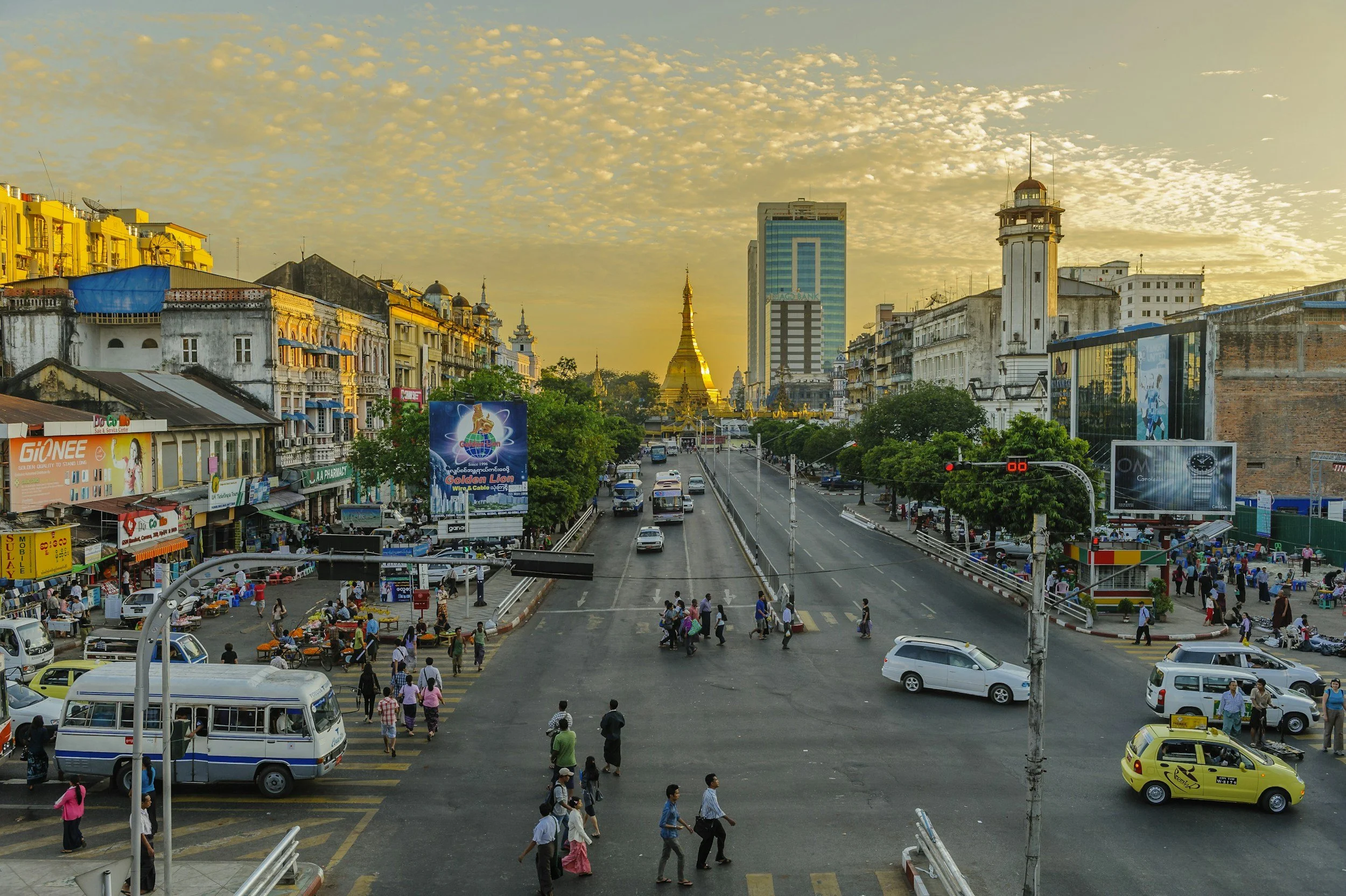
Read MoreSoutheast Asia is ‘ground zero’ for a multi-billion-dollar scam industry following the Covid-19 pandemic and the coup d’état in Myanmar. Criminal activity in the region transitioned from drug trafficking and money laundering to human trafficking and cybercrime, reaching a global scale. Regulatory gaps, corruption among local officials and authorities, and poor cooperation have allowed scam networks to grow into a highly lucrative system. Additionally, as new technologies emerge, operations have become more efficient by harnessing tools like AI, deepfakes, and large language models to reach more targets.
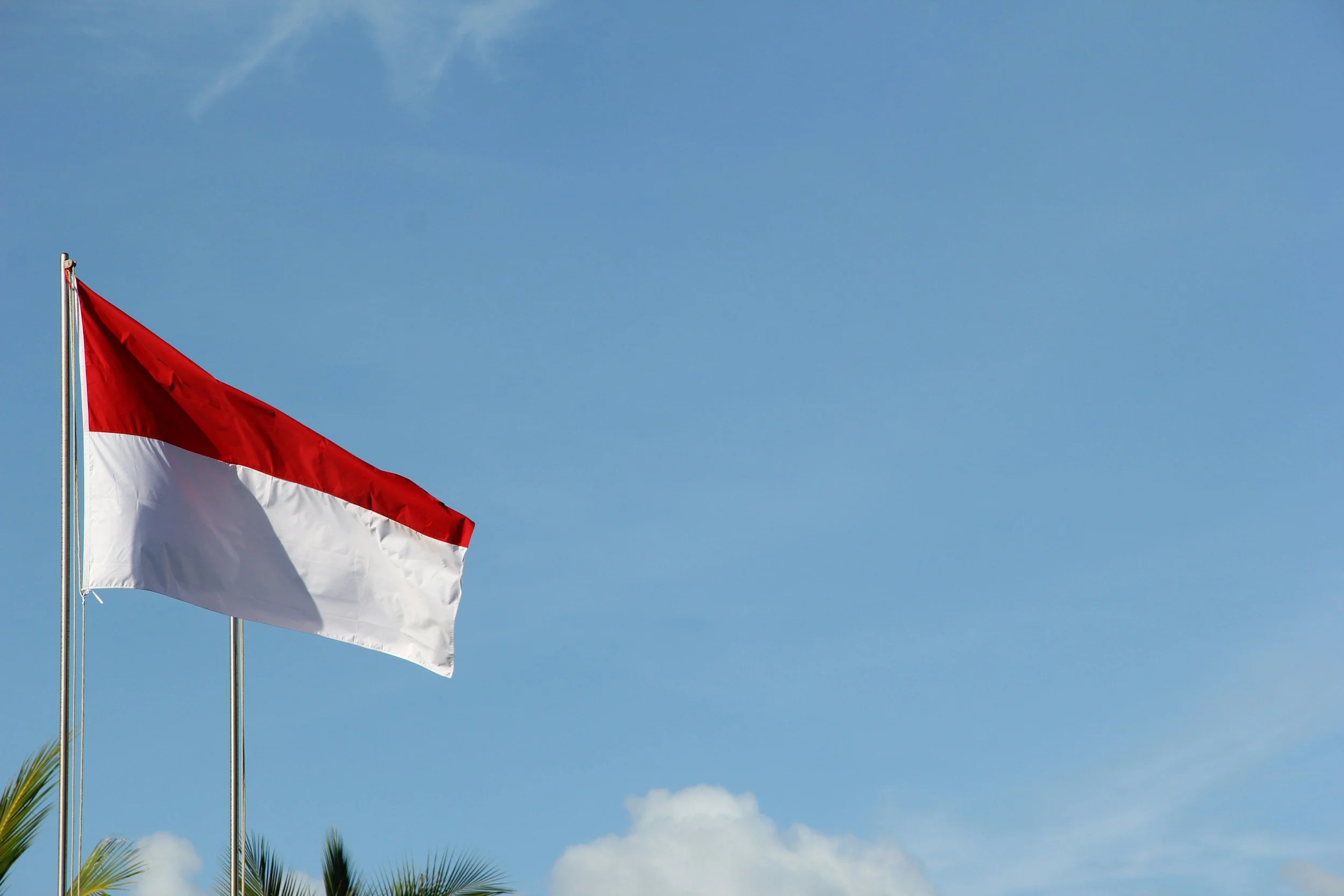
Read MoreIndonesia just received its first aircraft carrier, the newest of a slew of widely sourced military technology. These increases might pull the independent nation to the side of a great power. As the nation builds its arsenal, how will it maintain its nonaligned position?
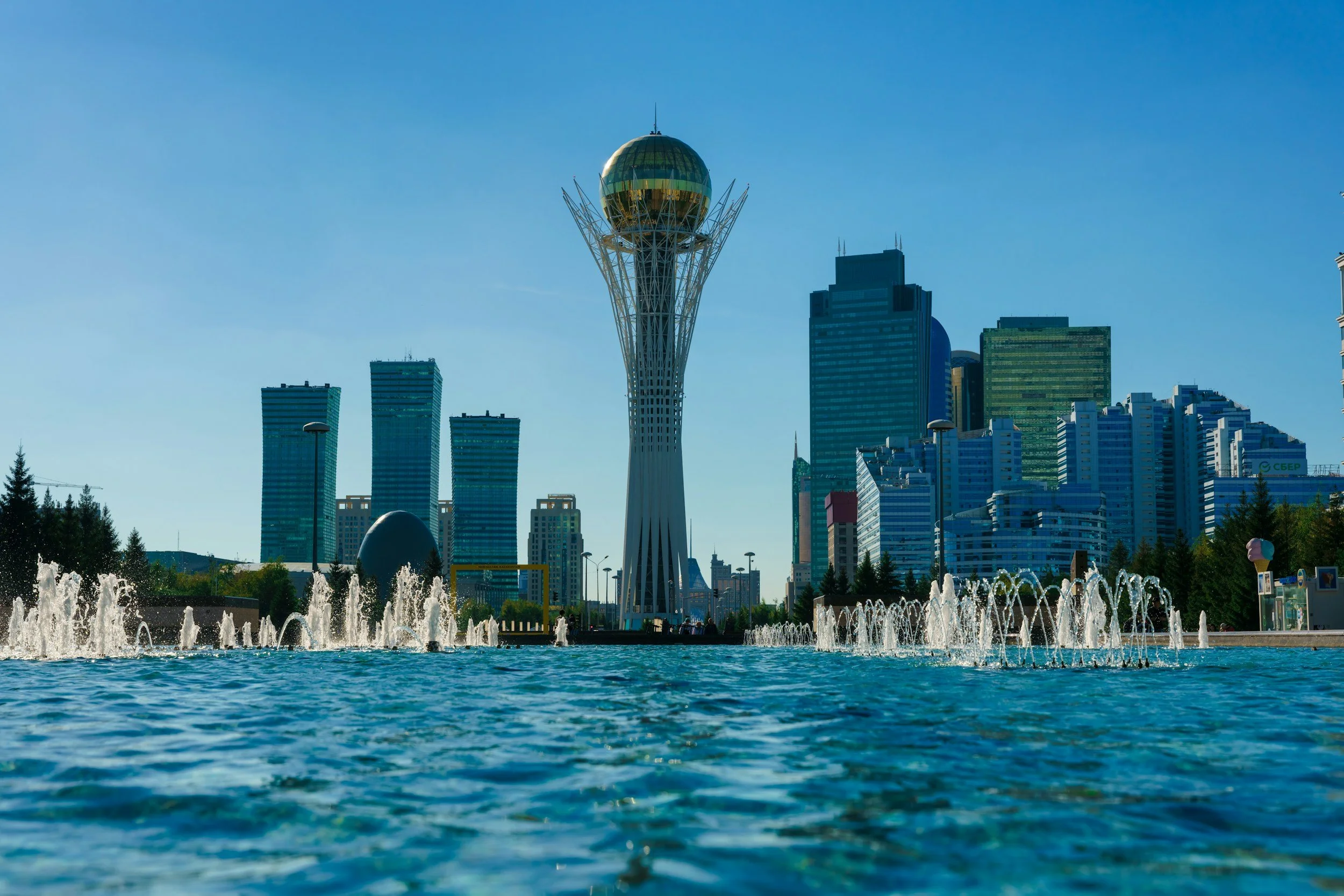
Read MoreKazakhstan, once heavily dependent on fossil fuels, is now shifting towards green energy to diversify its economy. Reliance on non-renewable resources drove economic growth and greatly contributed to the GDP but left the country vulnerable to global shocks and geopolitical tensions. In the last decade, legal and financial ground work has been established to foster the transition to renewable energy sources through foreign investments and increased competition in this new sector.
Read MoreThe easiest way to dismantle a constitutional settlement is to say you support it. Since taking office in February, Bangladesh's BNP has done exactly that with the July National Charter, praising its mandate while systematically declining to be bound by it. Voters endorsed the Charter in a referendum on the same day they gave the BNP a two-thirds majority, and the party has since used the second mandate to hollow out the first. The result is less a story of broken promises than of a government discovering which ones it can afford to keep.
Read MoreThe Vietnam War is remembered as one of the Cold War's most defining conflicts. Yet its devastating impact on neighboring Laos is often overlooked. More than 50 years later, unexploded bombs from the war continue to threaten Lao communities and hinder development. How did a formally neutral country become a central battlefield in a war it never joined?
Read MoreNew Mongolian Prime Minister Uchral Nyam-Osor is the third to hold the title in two years. The first several months of his term have shown promise; however, he will have to continue an aggressive pursuit of reform in order to prove more successful than his predecessors.
Read MoreFacing increasing threats, Japan and Korea share significant interests. Yet, the two countries rarely cooperate with each other, with tense diplomatic relations at a stalemate. Many scholars have attributed this to the rocky history between Japan and Korea, specifically during the colonial period and World War II. Through the examination of Japanese nationalism focused on identity and collective memory, this paper argues that the failures to resolve the historical problems as a result of the humiliation to the Japanese identity impedes East Asian state cooperation, which eventually leads to perpetual reliance on the United States and attempts at rearming.
Read MoreStates in South and Southeast Asia have found themselves increasingly dependent on oil traded through the Strait of Hormuz. With the ongoing conflict in the Middle East and the blockades in the Strait of Hormuz, energy shortages and reliance on coal have become the new trend. In an effort to rapidly secure energy for their people and to keep their economies up and running, these states are forced to turn to alternatives to oil and liquified natural gas, pushing the region into a new era of energy use.
Read MoreJapan’s longstanding emphasis of stakeholders in business decision making has shifted into one that is focused on pleasing shareholders through profitability. However, what are the legal mechanisms of doing so? This article analyzes the origins of the shift in corporate governance from stakeholder-oriented to shareholder oriented in response to increased global competition, as well as explores legal reforms indicative of such shift.
Read MoreSkyscrapers without residents, malls without shoppers—China’s “ghost cities” feel like urban mysteries frozen in time. Yet behind the silence lies a complex story of ambition, speculation, and long-term planning. Are these empty landscapes cautionary tales of overbuilding, or bold investments in a future population that has yet to arrive?
Read MoreCricket Diplomacy, once a metaphorical olive branch, has grown to become a physical manifestation of geopolitical fractures in South Asia. The 2026 ICC Men’s T20 Cricket World Cup demonstrates how sports stadiums become extensions of political conflict. Decisions surrounding player safety, match boycotts, and tournament logistics, revealed that Cricket is no longer just a game.
Read MoreWhat if national success were measured not in dollars or military strength, but in the well-being of ordinary people? High in the Himalayas, Bhutan has built its governance model around Gross National Happiness, embedding psychological health, cultural preservation, and environmental stewardship into public policy. In doing so, the small kingdom has transformed happiness from a philosophical ideal into a measurable political framework—quietly challenging the global dominance of GDP and redefining what power can look like in the modern world.
Read MoreAlthough Japan’s imperial expansion concluded at the end of World War II, its colonial legacy continues to fuel regional instability. Critically, unresolved disputes between Japan, Korea, China, and Taiwan over the Takeshima and Senkaku islands remain at a stalemate. Rooted in Japan’s annexation of the islands in the late 1890s to 1910s, the legal conflict over rightful ownership has evolved from territorial disagreements into significant threats to regional security.
Read MoreAfter nearly two decades of negotiations, India and the EU have finalized their landmark Free Trade Agreement, designed to deepen economic and strategic ties. Expected to slash tariffs by 99 percent on both sides, this FTA also strengthens cooperation in defense, cybersecurity, and maritime security, reducing India’s dependence on the U.S., Russia, and China. Positioning both parties as counterweights to growing Chinese regional influence, the FTA can reshape Asia’s trade landscape and set a new framework for emerging markets.
Read MoreFrom turquoise lagoons to luxury resorts, the Maldives has long sold an image of untouched paradise. Yet rising seas, mounting debt, and global power imbalances now threaten the nation’s survival. Climate change reshapes coastlines and communities alike, while dependence on foreign investment and tourism forces difficult trade-offs. A nation celebrated for its beauty must now confront difficult choices about who controls its future and how it will endure.
Read MoreSouth Korea and Thailand are turning fashion into a diplomatic language– one spoken through K-pop runways, artisanal textiles, and global storytelling. South Korea’s state-driven, celebrity-powered machine broadcasts an image of sleek modernity, while Thailand’s heritage-rooted entrepreneurship transforms tradition into contemporary allure. Together, they reveal how fashion can rewrite stereotypes, cultivate national pride, and pull global audiences closer, one strategically crafted garment at a time.
Read MoreOn October 21, 2025 Japan elected Sanae Takaichi as prime minister. She heralds a milestone achievement as Japan’s first female prime minister, especially given the severe underrepresentation of women in Japanese politics, with the country ranking 118 out of 148 countries in the World Economic Forum’s 2025 Gender Gap Index. However, she also signals the rise of far-right nationalism all over the world, and her election could send shockwaves throughout East Asia.
Read More