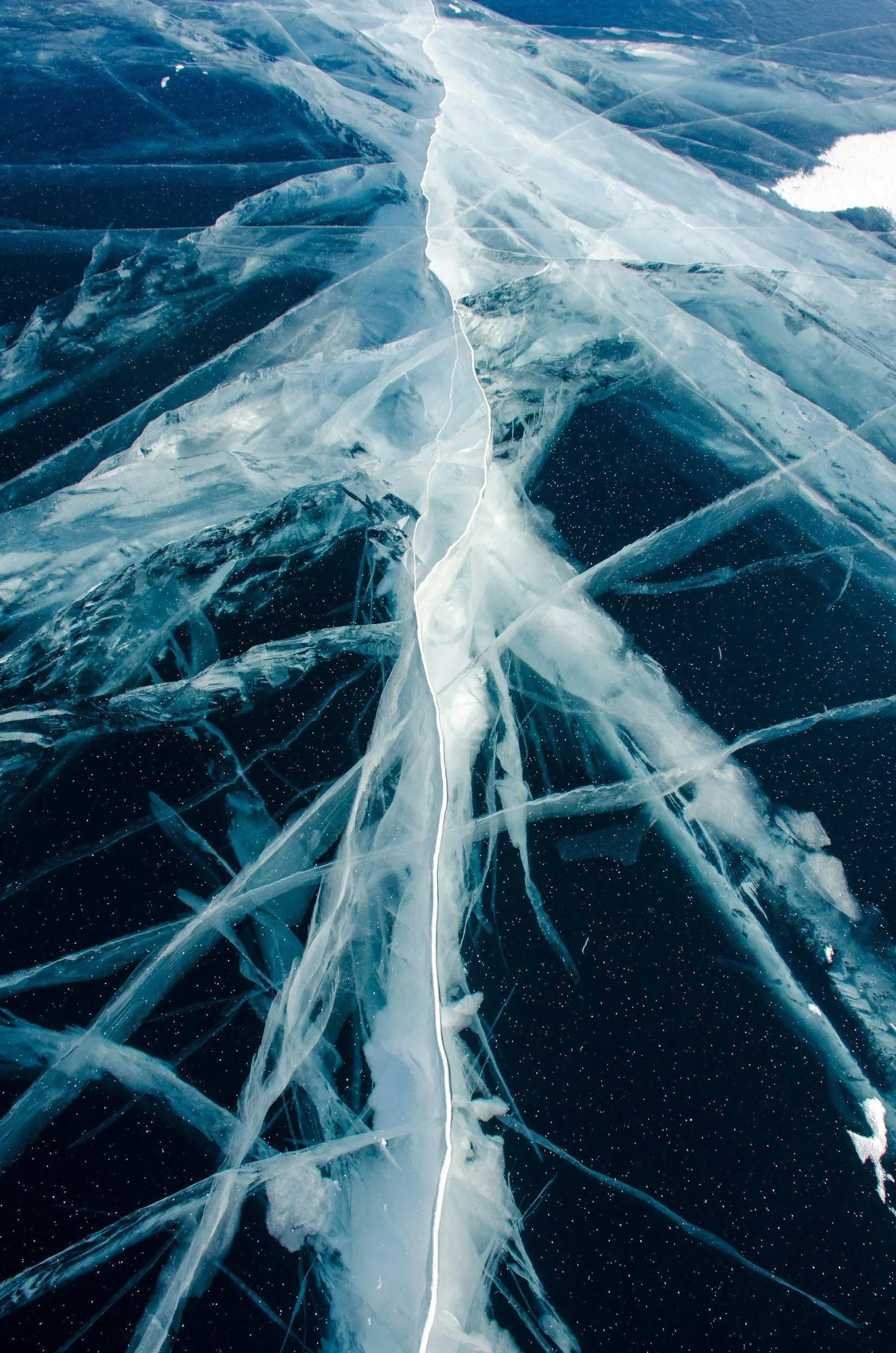
Lake Baikal illustrates how environmental vulnerability becomes intertwined with political and institutional constraints. Despite its global significance, the Lake’s protection remains hindered by fragmented authority, shifting development priorities, and uneven enforcement—revealing broader tensions within Russia’s approach to environmental governance and long-term ecological stewardship.
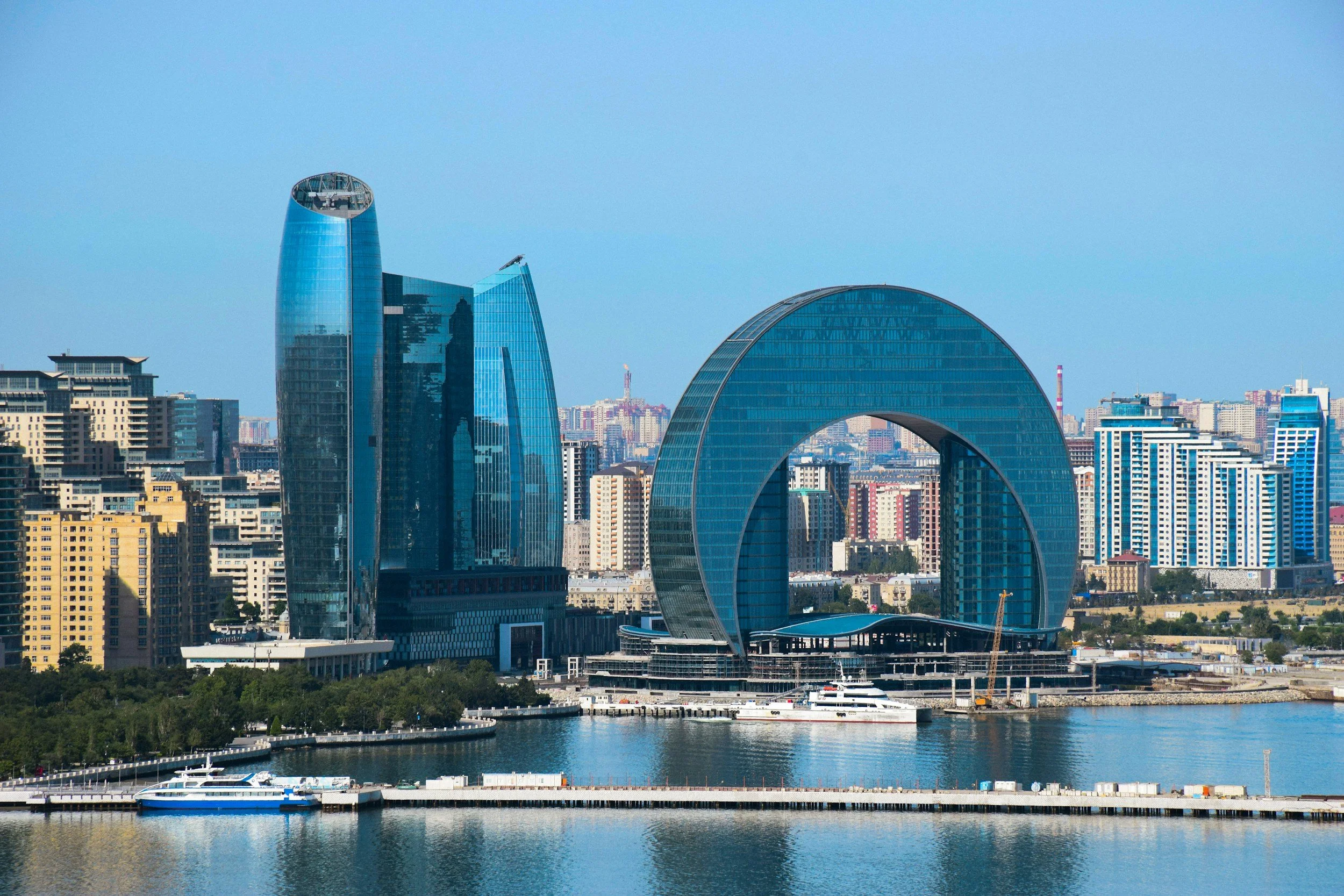
Read MoreBefore Pennsylvania or the Middle East, Baku was the world’s oil capital. Its 1846 well sparked an industry that fueled empires, transformed economies, and reshaped society. Yet prosperity brought pollution, inequality, and political unrest. From imperial reforms to revolutionary collapse, Baku’s story reveals how energy can build, and destabilize a nation.
Read MoreIndigenous communities in the “lithium triangle” are advocating for the preservation of their way of life while protesting against the power structures that have continued to prioritize industries and corporations conducting lithium extraction. It is imperative that the governments of Argentina, Bolivia, and Chile address the problem and prioritize the environment and rights of indigenous populations over business and profits.
Read MoreNeom: the future. Saudi Arabia envisioned Neom or also considered the Line as a stable microclimatic environment that prioritizes walkability, clean energy, and technology to move away from traffic, pollution, and other infrastructure challenges that plague urban life. The Line symbolizes the beginning of environmentally sustainable infrastructure that can enrich the lives of humans.
Read More