
The 1985 eruption of Nevado del Ruiz buried several Colombian communities beneath deadly volcanic mudflows, killing more than 25,000 people and exposing the catastrophic failures in the country’s disaster preparedness. Nearly 40 years later, what can the tragedy of the eruption and destruction of Armero still teach us about disaster risk management and the consequences of ignoring scientific warnings?
Read MoreStates in South and Southeast Asia have found themselves increasingly dependent on oil traded through the Strait of Hormuz. With the ongoing conflict in the Middle East and the blockades in the Strait of Hormuz, energy shortages and reliance on coal have become the new trend. In an effort to rapidly secure energy for their people and to keep their economies up and running, these states are forced to turn to alternatives to oil and liquified natural gas, pushing the region into a new era of energy use.
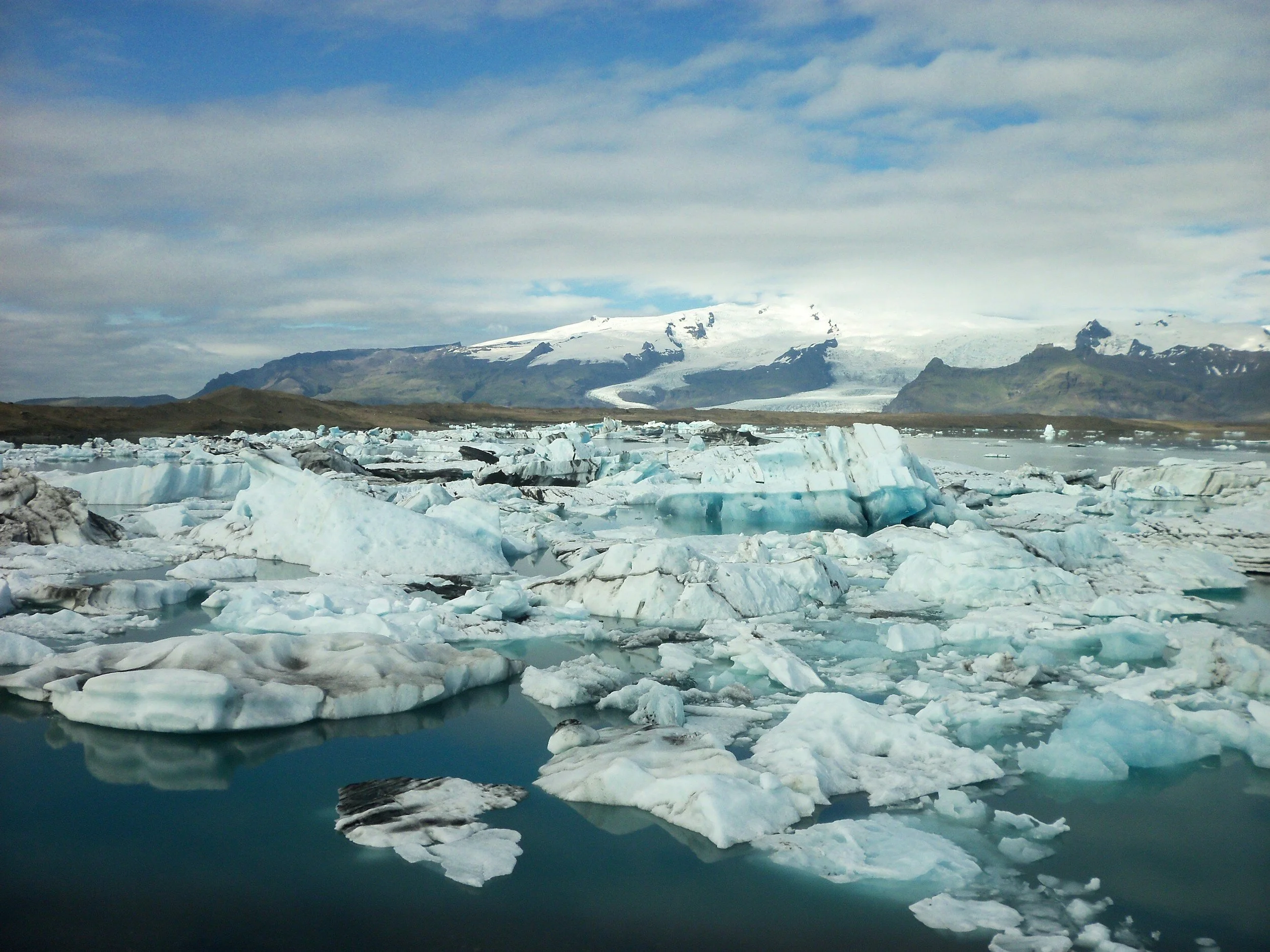
Read MoreRussia’s reliance on Arctic resources is increasingly threatened by the rapid thawing of the permafrost, causing infrastructure collapse, the release of greenhouse gases, and increasing global temperatures. As climate change accelerates, Russia is facing mounting economic and geopolitical strain, compounded by shifting global markets and Western sanctions. With other Arctic nations expanding their presence in the region and Russia’s diminishing influence, the Kremlin must decide whether to adapt to the crisis or risk further economic and geopolitical decline.
Read MoreDiscussing the Olympic games and the controversy surrounding the international surfing competition. Analysis of the sustainability of sports tourism with a case study on environmental impact and the use of colonial overseas holdings for the Olympics.
Read MoreWhat differentiates the EGD from other global zero-emission attempts such as the Kyoto Protocol, the Rio Conference, or the Montreal Protocol is its dedication to promoting a long-term growth strategy that tackles the irreversible impacts of climate change within the EU. The EGD’s climate oriented policy goals includes building a climate-resilient society through the use of databases that strengthen access to climate resources and knowledge on climate change.
Read MoreThe continuous melting of the polar ice caps is forcing governments to rethink their strategic plans in the Arctic. Climate change has allowed for this region to become more important on a global scale, and brings with it both exciting new opportunities and daunting new challenges.
Read MoreNeom: the future. Saudi Arabia envisioned Neom or also considered the Line as a stable microclimatic environment that prioritizes walkability, clean energy, and technology to move away from traffic, pollution, and other infrastructure challenges that plague urban life. The Line symbolizes the beginning of environmentally sustainable infrastructure that can enrich the lives of humans.
Read More