On October 9, 2025, U.S. President Donald Trump and Treasury Secretary Scott Bessent, authorized a 20 billion-dollar currency swap with the Central Bank of the Argentine Republic. Economic instability in Argentina has been a consistent issue for decades, and proponents hope that the currency swap will bring stability to the Argentine peso while increasing investors’ confidence. Some call this currency swap a “bailout” to the Argentine government, whose president, Javier Milei, is a close ally of Trump. Is this currency swap a sign of continued and growing American interference in Latin America?
Read MoreMaría Corina Machado, Venezuelan political activist and former presidential candidate, nicknamed the “Iron Lady,” won the 2025 Nobel Peace Prize. Her activism spans decades, working to promote fair elections, liberalization of the economy, and human rights for the Venezuelan people. She is an outspoken critic of current President Nicolas Maduro, claiming that his administration has ties to transnational drug cartel Tren del Aragua and human trafficking circles. Most recently, she supported the Trump administration, and called for its help in ousting Maduro. Her willingness to support US-backed regime change has garnered many critics, who argue that it is not reflective of the values of the Nobel Peace Prize.
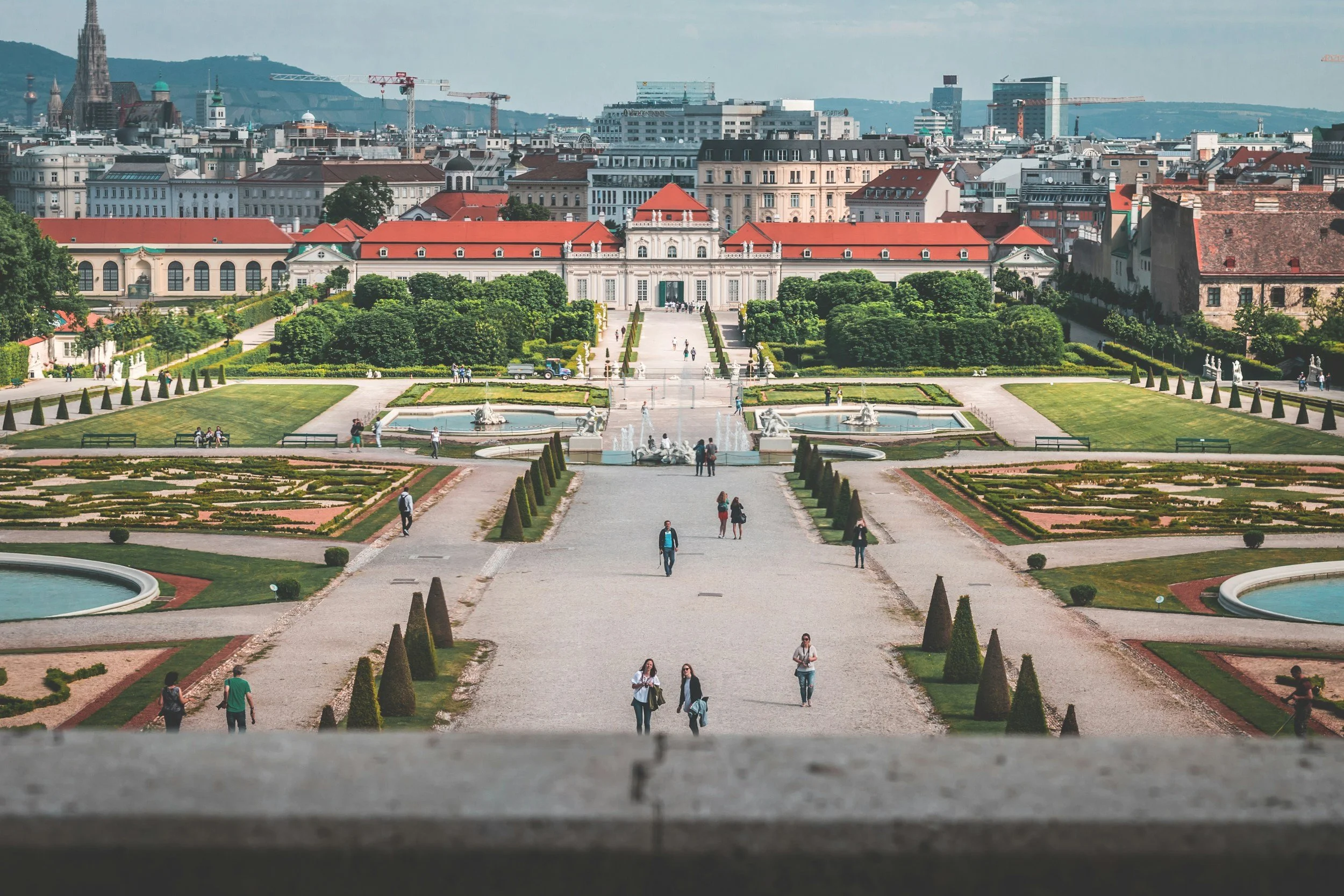
Read MoreFrom 1918-1934, Austria’s largest city underwent a Marxist-led economic transformation known as Red Vienna. Funded by exuberant taxes on the wealthy, the Social Democratic Workers’ Party (SDAPÖ - a precursor to SPÖ) built 65,000 publicly rented apartments throughout the city with nearby state amenities. Although Nazi occupation ended Vienna’s novel socialist experiment, the Communist Party of Austria (KPÖ) is continuing to advocate for the working class today. This small anti-capitalist movement poses a direct threat to Austria’s entrenched political elite and growing populist right.
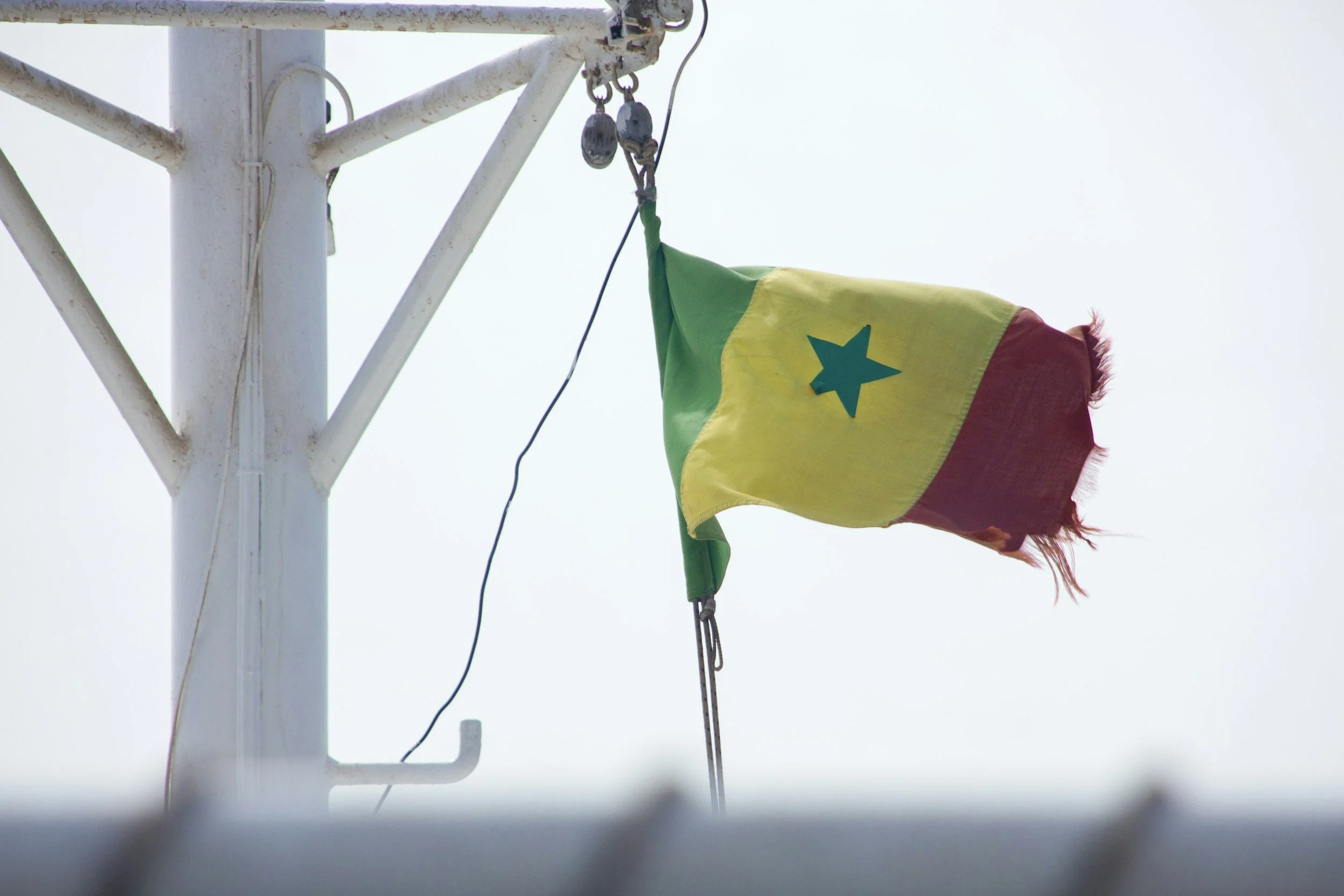
Read MoreA delay in Senegal’s 2024 presidential elections sparked fear and unrest in the democratic West African country, but the nation’s system has been quick to uphold its democratic integrity.
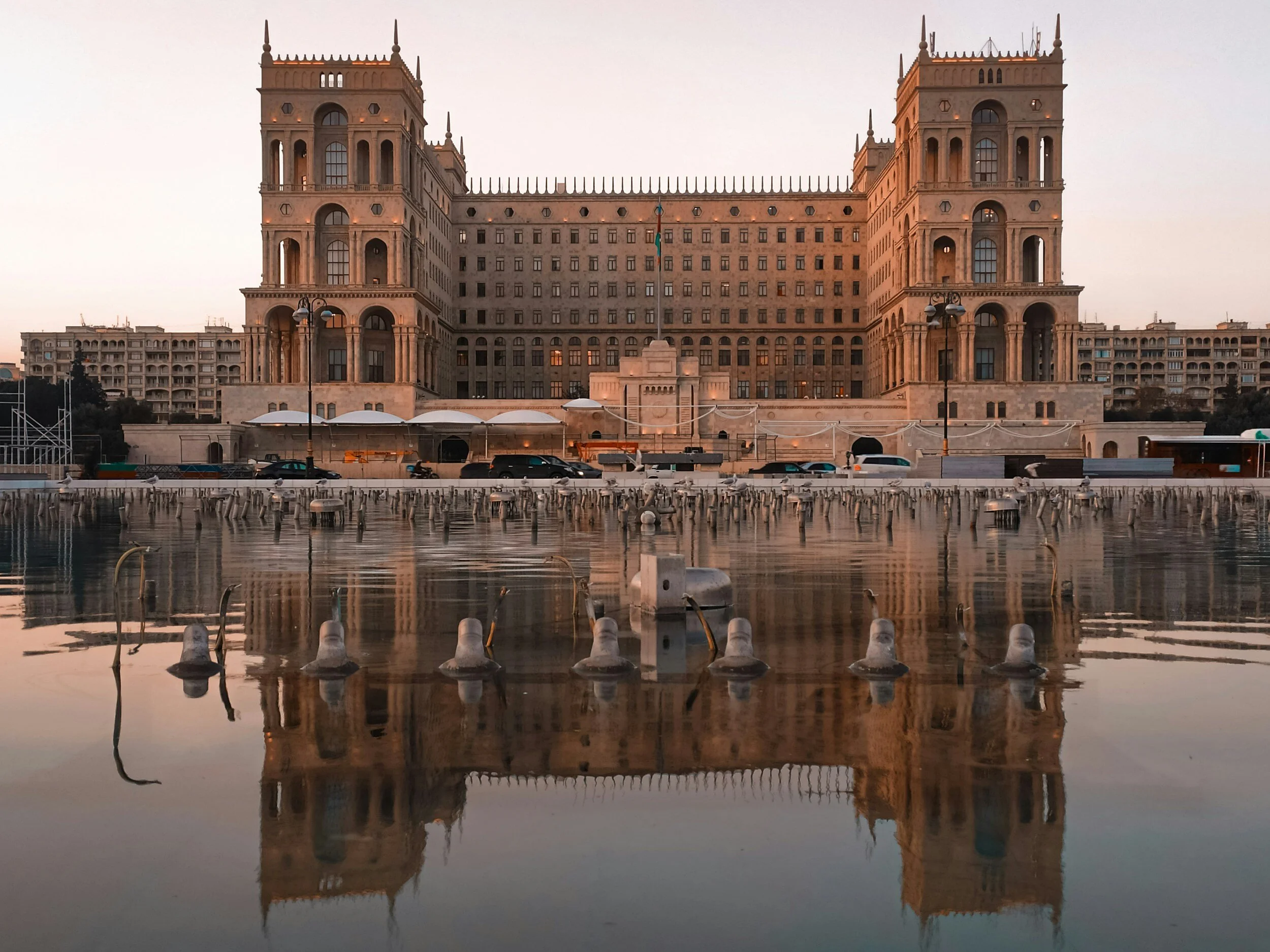
Read MoreIn late 2023, Azerbaijani President Ilham Aliyev called early presidential elections for February 2024, a year earlier than the end of his term. However, given that Azerbaijan is an extremely authoritarian state with staged elections, many have wondered why Aliyev would want to hold the vote a year early, especially since he would likely rig the elections regardless if they were to be held in 2024 or 2025.
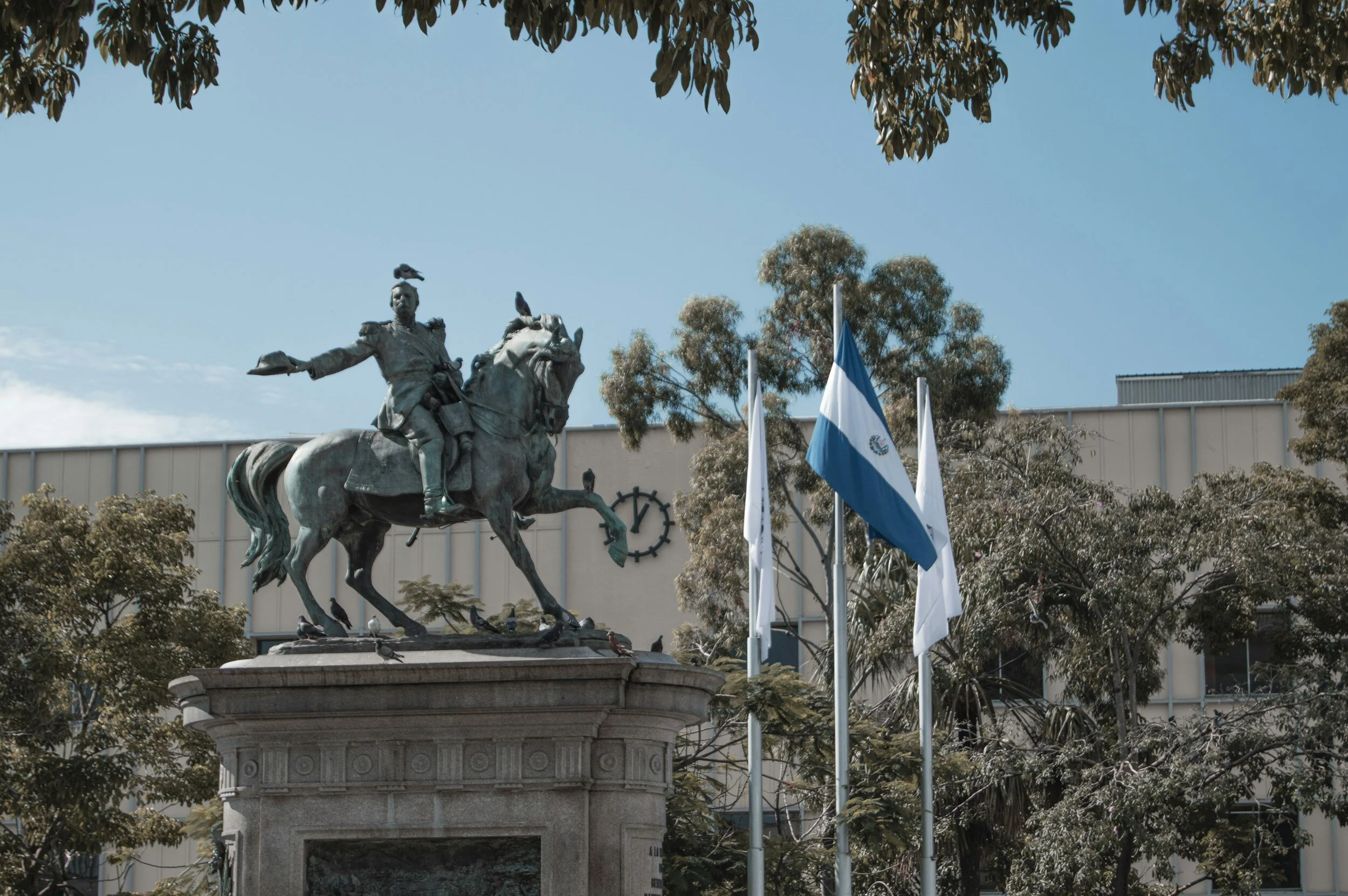
Read MoreDespite the increasing pressure on the precedence of the Salvadoran constitution, the populace of the smallest country in Central America remains adamant about the radical metamorphosis their country has exhibited under the administration of Bukele: a new era of stability and security for Salvadoran society. Marred with criticisms, the Bukele administration remains committed to securing another term in San Salvador, all while inciting concerns for those weary of the implications of future authoritarianism in El Salvador and the Latin American sphere of influence.
Read MoreThe stakes for this year’s parliamentary elections are higher than ever. A recent rise in the approval ratings of the country’s liberal party - the Civic Platform (Platforma Obywatelska or PO) - is a beacon of hope in the country’s nearly decade-long battle with the right-wing conservative Law and Justice party (PiS).
Read More