Sweden and Finland have both abandoned the principle of neutrality with their bids to join NATO, but the political and economic costs of full membership are far greater for Sweden.
Read More
Sweden and Finland have both abandoned the principle of neutrality with their bids to join NATO, but the political and economic costs of full membership are far greater for Sweden.
Read MoreEurope's securitized migration policies stem from post-Cold War defense industries' economic strategies, while its border externalization practices, including selling surveillance tech to authoritarian regimes, expose the profit-driven motives behind its migration management, challenging the prevailing "European liberal order" narrative.
Read MoreFrom Cold War rivalries to Brexit-era divisions, the UEFA European Championship has often reflected the political tensions shaping Europe off the pitch. This article examines how major tournament moments mirror key shifts in European international relations from 1960 to the present.
Read MoreAs centrist parties across Europe scramble to counter the far-right surge, the Netherlands offers a rare electoral victory for the center-left. But while Rob Jetten and Democrats 66 narrowly defeated Geert Wilders' Freedom Party, the far-right bloc in parliament quietly grew, raising questions about what it actually means to beat populism.
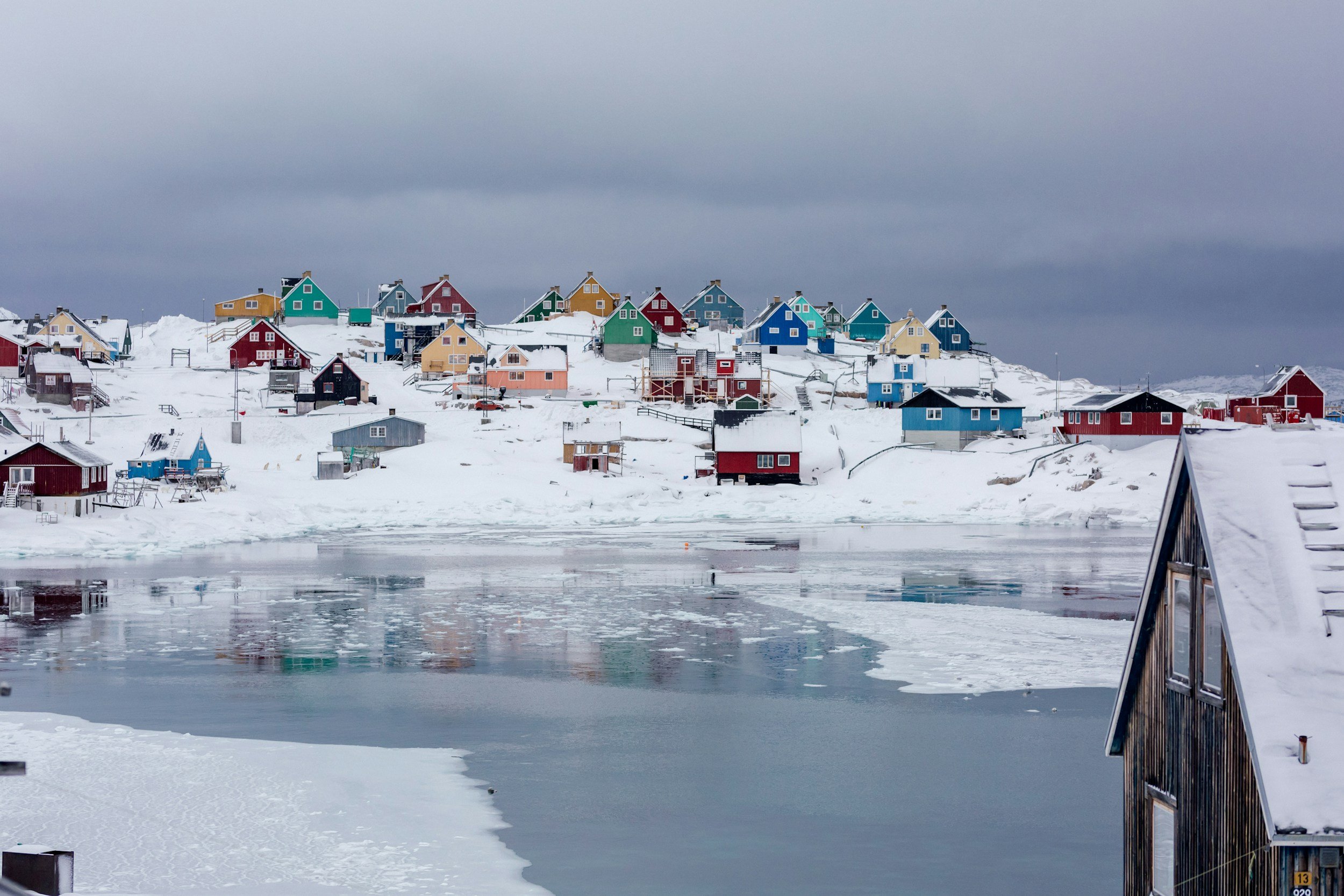
Read MoreWhy has Europe demonstrated a splintered foreign policy response to the Greenland crisis despite its supposed cohesion as the European Union? This article examines how Trump exploits structural EU weaknesses and argues that Europe must federalize to contend with contemporary threats from superpowers like the United States.
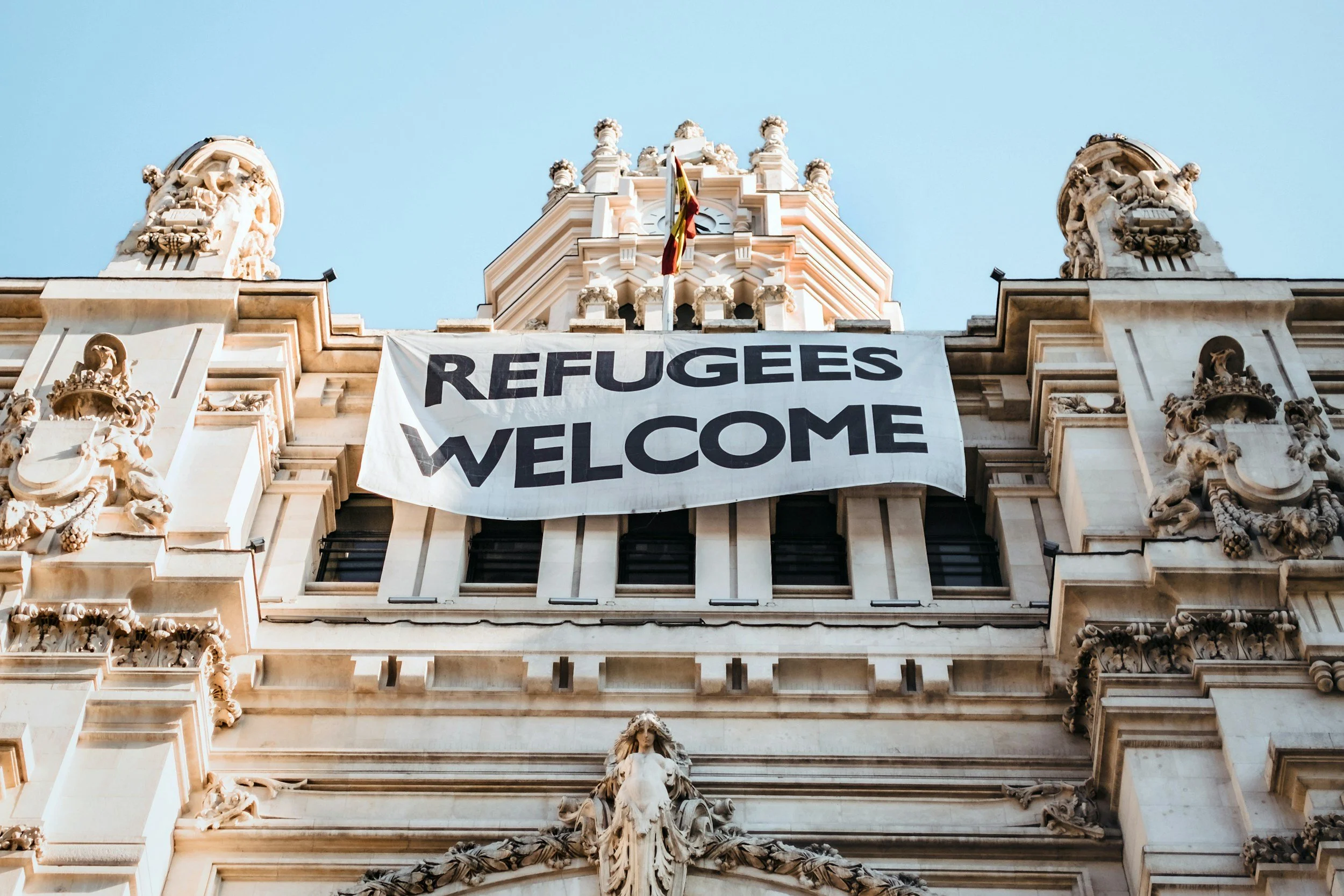
Read MoreAs much of Europe and the West moves toward restrictive migration policies, Spain is charting a different course, granting legal status to hundreds of thousands migrants. This approach highlights a widening ideological divide over immigration policy across the West and carries significant implications for the future of transatlantic alliances.
Read MoreAmid rising global instability, EU foreign policy has sought to defend the current rules-based world order, which protects the security of its member states. At the 80th UN General Assembly, EU leaders attempted to advance this objective by advocating for three key political priorities: supporting Ukraine, advancing climate commitments, and strengthening UN institutions. However, internal divisions due to domestic political changes risk complicating the EU’s ability to achieve these priorities.
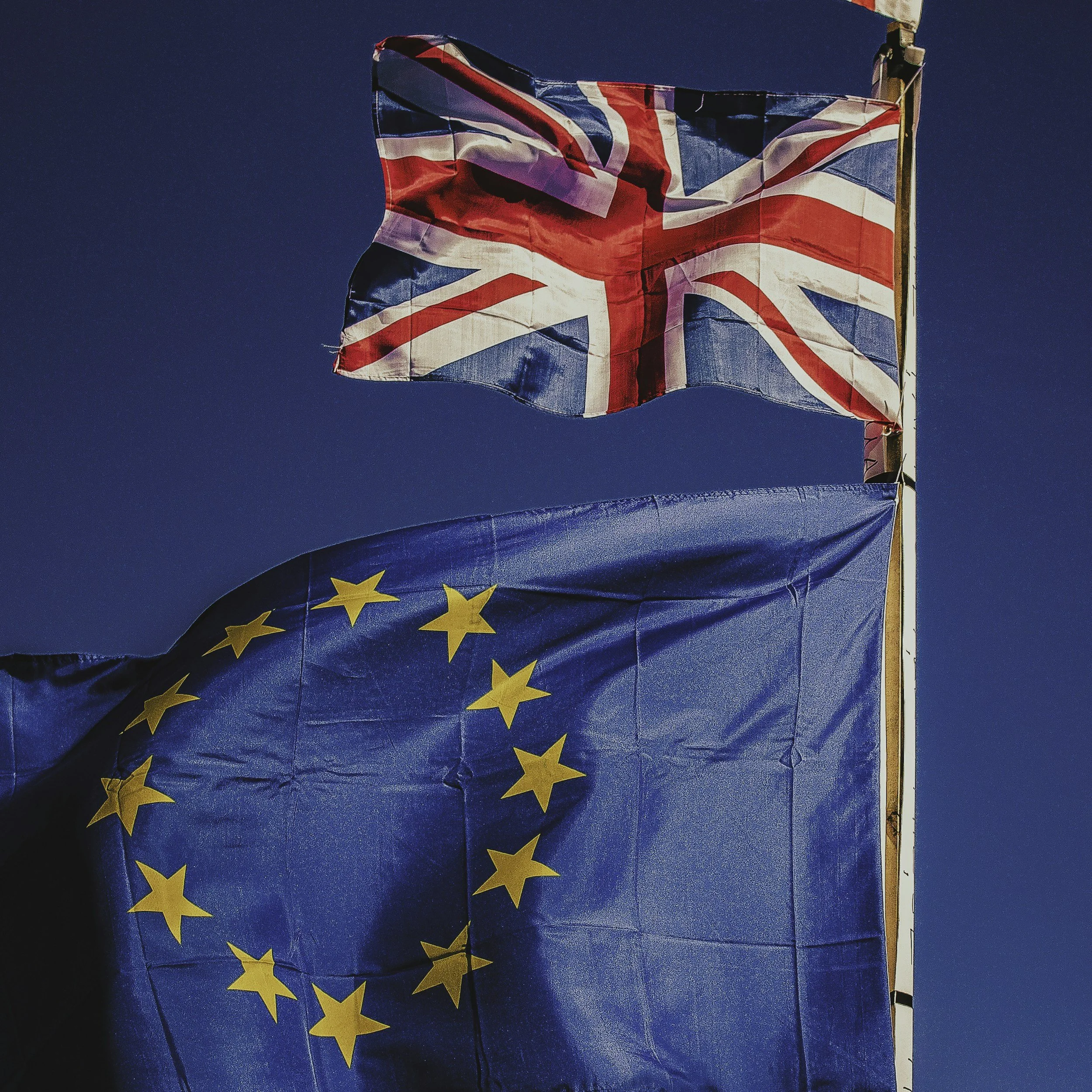
Read MoreNearly ten years after Brexit, Britain’s political landscape remains defined by the unresolved tensions that referendum unleashed. Populist narratives around identity, immigration, and sovereignty continue to shape political debate, fueling voter disillusionment and empowering movements like Reform UK. As the party gains traction, the question is whether Britain can move beyond the impulses of the Brexit era before they come to define its political and global identity.
Read MoreGermany, a country rocked by runaway hyperinflation a century ago during the Weimar Republic, has clung to fiscal conservatism for decades, illustrated in its hesitancy and reluctance to bailouts during the EU debt crisis in the 2010s. Now, facing economic stagnation and growing defense demands, Berlin’s September 2025 reforms mark a turn toward large-scale investment in infrastructure and security, reshaping both its domestic identity and its role in Europe.
Read MoreThe European Union has been a key contributor to Ukraine’s defense since the onset of the Russian invasion in 2022. Hoping to ensure Ukraine’s stability, the EU has developed a post-war plan to strengthen Ukraine’s economy and put it on the path towards EU accession. However, shifting geopolitical dynamics risk making the continued support and post-war stabilization of Ukraine more challenging.
Read MoreIn September 2025, France’s government collapsed yet again, a symptom of the political fragmentation that has hindered the country’s ability to make meaningful progress on addressing economic concerns. Meanwhile, in the arena of foreign policy, French President Emmanuel Macron has sought to cultivate an image of strength abroad, leading Europe’s response to U.S. tariffs and Russian aggression in Ukraine. For Macron, mounting domestic instability presents an existential challenge to his legitimacy as Europe’s chief statesman.
Read MoreOn October 16, 2024 , the Italian government passed a cross-border surrogacy ban, criminalizing anyone who seeks to have a child through surrogate parents outside of the country. While officials have argued this prevents the exploitation of women, others have worried about the impact on LGBT families and their lack of options to legally start families.
Read MoreRising as a stable leader within the European Union, Italian Prime Minister Giorgia Meloni has fostered close ties with both EU and foreign leaders. With President Trump’s return to the White House, Meloni hopes to form the transatlantic bridge between the EU and the U.S. Yet with recent negotiations between the U.S. and Russia excluding the EU and Ukraine, Meloni has tough decisions to make regarding her alliances.
Read MoreIn modern warfare, a revolutionary and unsettling entity is emerging: Lethal Autonomous Weapons Systems (LAWS). These sophisticated machines are capable of independently selecting and engaging targets without human intervention and have the potential to rewrite the rules of engagement and challenge our understanding of ethics, responsibility, and International Humanitarian Law.
Read MoreIn the wake of both the United Kingdom’s withdrawal from the European Union (EU) and Donald Trump’s first election as U.S. President in 2016, far-right movements have experienced a surge of support in elections across Europe. Therefore, it is necessary to analyze how a potential second Trump administration could affect these movements, highlighting the cases of Italy, Germany, and France.
Read MoreIn the beginning of 2023, over a million people took to the streets to fight President Emmanuel Macron’s pension reform bill. This bill, which increased the retirement age to 64, prompted union strikes and rioting all over France. With Macron’s centrist consensus collapsing, Marine Le Pen has fully capitalized on anti-immigrant scapegoating for votes. In response, leftist leaders have joined forces under a coalition called the New Popular Front (NFP), vowing to protect pensions and other social services. The NFP won the most seats in the 2024 legislative elections shortly after the party’s creation. Macron’s refusal to appoint a left-wing prime minister in spite of these results, highlights the desperation of France’s ruling class.
Read MoreItaly has been at the forefront of the European migration crisis due to its immense Mediterranean coastline. With the election of Prime Minister Giorgia Meloni in 2022, anti-immigration discourse has increased, emphasizing the difficulty of dealing with the issue. As migrants overwhelm processing centers and smaller communities throughout the country, Meloni structured a deal with Albania to ease pressure on Italian social systems. Inspired, the EU has begun to consider similar projects outside the Union.
Read MoreFor the first time in post-World War II Germany, a far-right political party has won a state election. The openly extremist right-wing Alternative für Deutschland (AfD) achieved a “historic success” in the eastern state of Thuringia on September 1. This victory serves as a grim reminder of the first Nazi state election win in 1930, which also occurred in Thuringia.
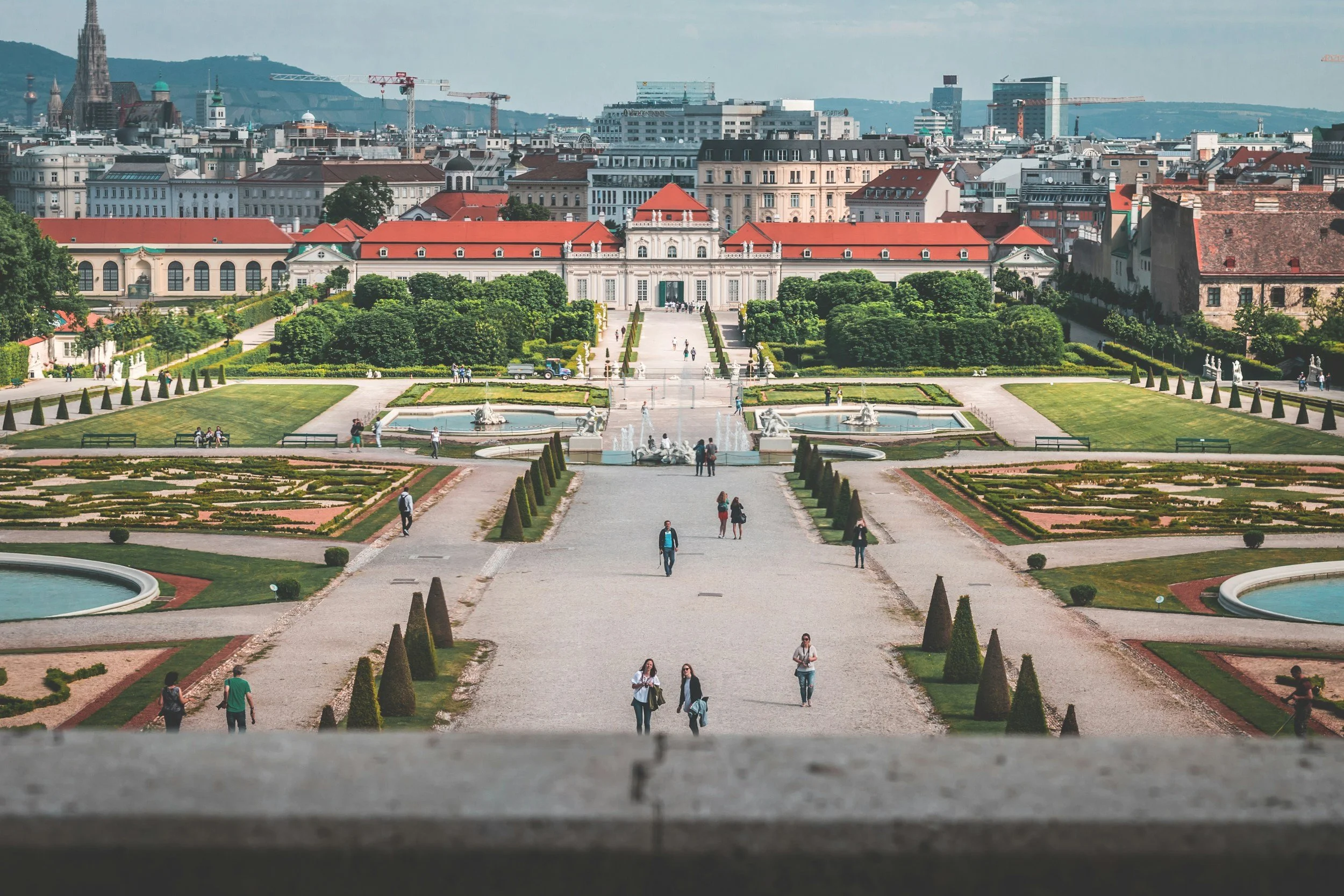
Read MoreFrom 1918-1934, Austria’s largest city underwent a Marxist-led economic transformation known as Red Vienna. Funded by exuberant taxes on the wealthy, the Social Democratic Workers’ Party (SDAPÖ - a precursor to SPÖ) built 65,000 publicly rented apartments throughout the city with nearby state amenities. Although Nazi occupation ended Vienna’s novel socialist experiment, the Communist Party of Austria (KPÖ) is continuing to advocate for the working class today. This small anti-capitalist movement poses a direct threat to Austria’s entrenched political elite and growing populist right.
Read More