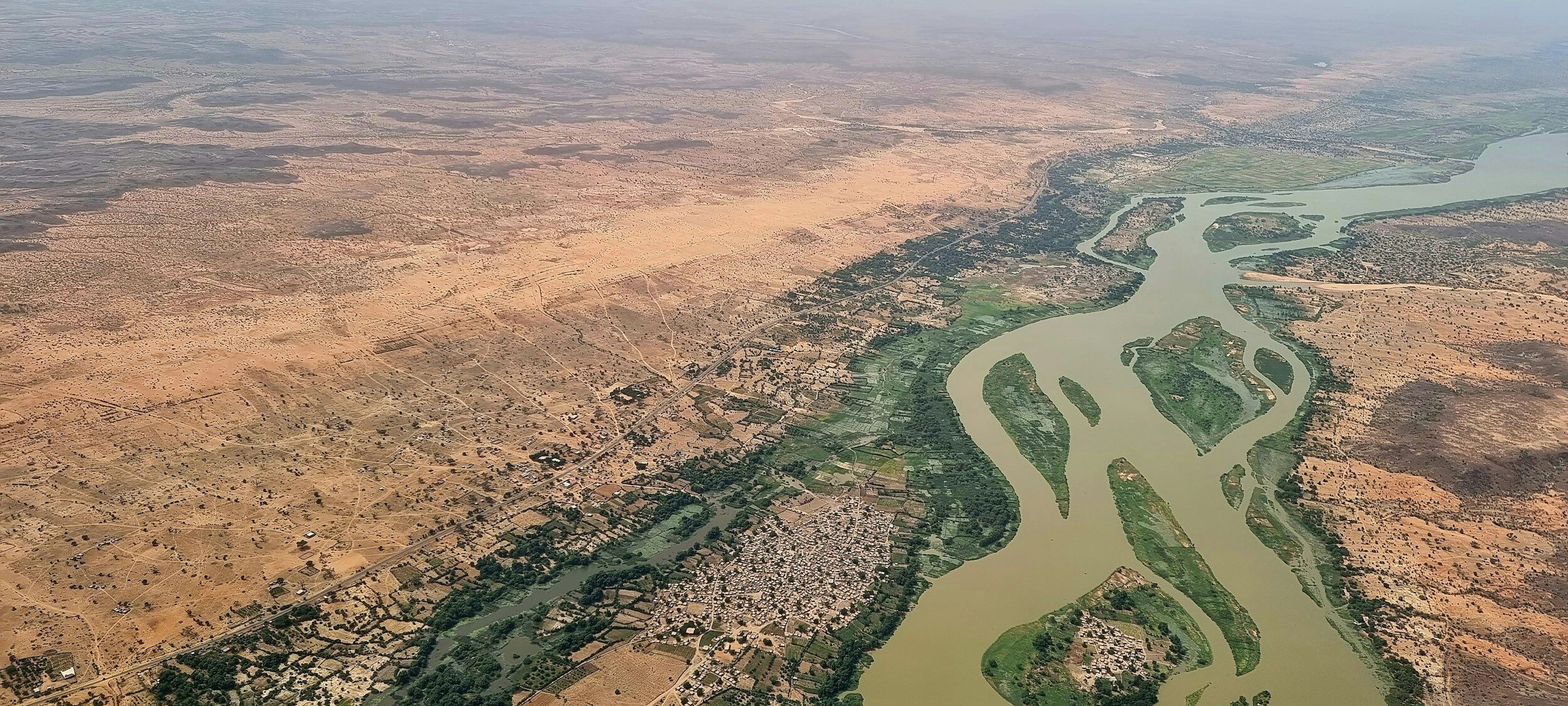
Niger ends its military agreement with the United States, following a 12-year period of U.S. intervention in Niger affairs.
Read More
Niger ends its military agreement with the United States, following a 12-year period of U.S. intervention in Niger affairs.
Read MoreEthiopia faces one of its gravest crises as federal security forces are implicated in the killing of civilians in the Amhara region, sparking escalating turmoil. The roots of this conflict trace back to historical grievances and the exclusion of the Fano militia from peace negotiations following the Tigray conflict, highlighting the urgent need for inclusive dialogue and internal reconciliation to achieve lasting peace.
Read MoreThe government of Ethiopia recently signed a port deal with the breakaway state of Somaliand, an autonomous state whose sovereignty has yet to be internationally recognized. The port deal has caused backlash from Somalia and may cause larger-scale issues in the Horn of Africa.
Read MoreThe Sudanese military coup of 2021 reverberates far beyond the crisis-stricken nation, reshaping the regional landscape. Prompting swift responses from neighboring Egypt and Ethiopia, the coup has sparked an intricate web of security concerns and strategic considerations.
Read MoreTensions flare as Rwanda is accused of backing an armed opposition group, based in Democratic Republic of Congo.
Read MoreThere are approximately 200 million cases of the parasitic disease, malaria, reported worldwide per year, 90 percent of which occur in Sub-Saharan Africa. Beyond its direct health consequences, malaria perpetuates structural inequities, affecting vulnerable populations such as children and pregnant women. The economic toll, estimated at $12 billion annually, exacerbates existing challenges, specifically in the agriculture sector. Despite global efforts, the persistent societal effects require continued intervention to address the far-reaching implications of malaria worldwide.
Read MoreAfrican societies are suffering from the impact of climate change. This environmental issue is affecting women at a greater rate than the men who exist in the same society. This article delves into the socioeconomic role women have and continue to serve in African societies and how climate change directly impacts their daily endeavors.
Read MoreIn September 2013, Chinese President Xi Jinping formally announced the Belt and Road Initiative, a sprawling infrastructure investment program intended to connect the world over land, air, and sea. A decade later, nearly every African nation has signed on, leading to a variety of results within the continent, ranging from shiny development projects to saddles of debt.
Read MoreThe maritime domain is crucial to global trade and development, illustrated by Africa’s Gulf of Guinea. The Gulf of Guinea is home to a wealth of natural resources, but economic growth in the region is hindered by the threat of piracy. The importance of renewed regional and international cooperation against maritime crime in the Gulf of Guinea is highlighted by recent upticks in piracy operations.
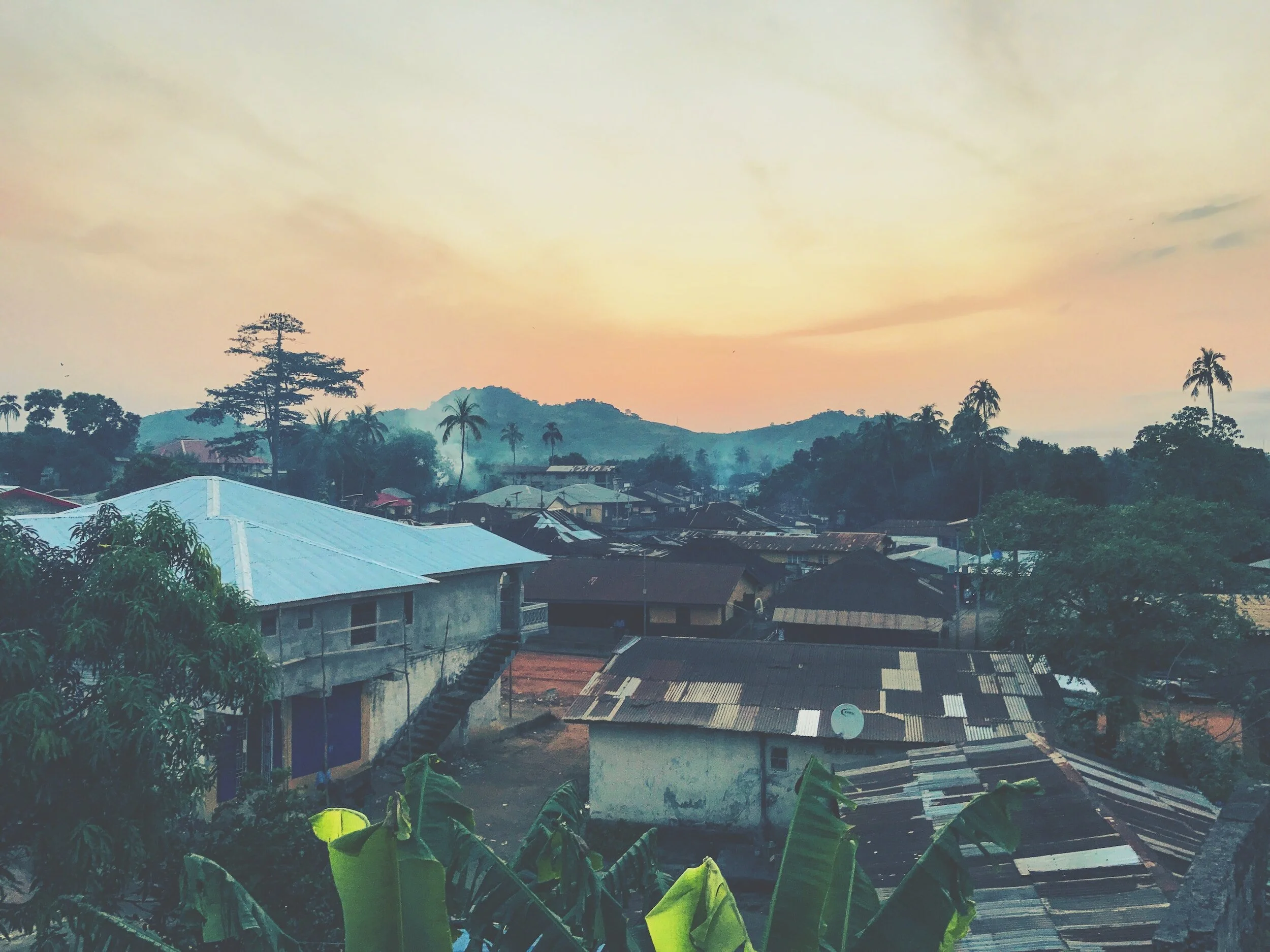
Read MoreIn September 2023, Sierra Leone finds itself plunged into darkness as a dire electricity crisis grips the nation. The power cuts in its capital city, Freetown, are primarily a result of the country's mounting debt to the Turkish hydro-power company, Karpowership. The inability to pay for electricity has exposed deeper issues, including government corruption and financial mismanagement, eroding public trust and national pride. These outages have severely disrupted daily life, affecting crucial services like healthcare, education, and construction. The culture of corruption and lack of transparency within Sierra Leone's leadership is at the heart of this crisis, hindering the nation's progress and leaving its citizens in the dark.
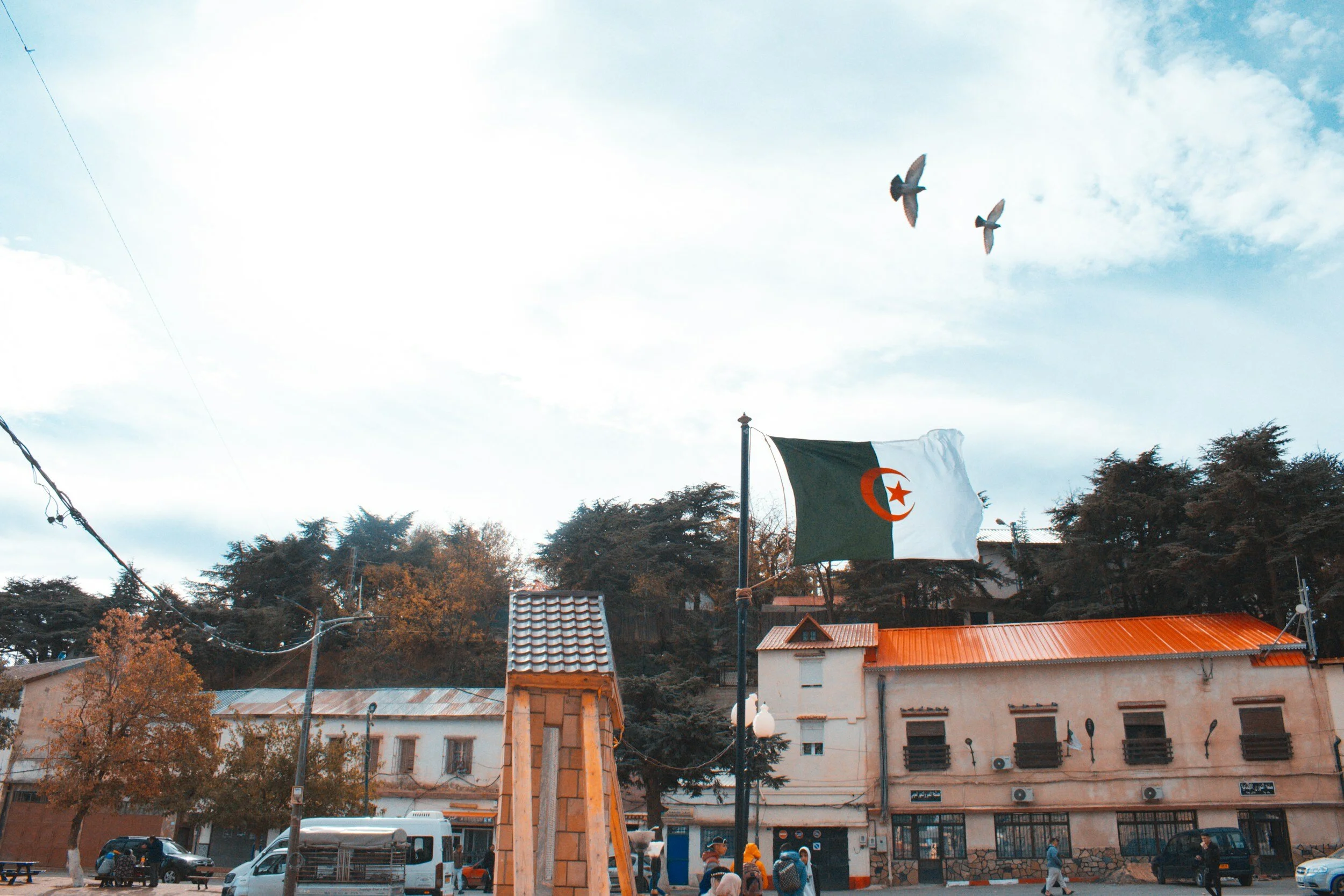
Read MoreOngoing hostilities, worsened by Algeria's support for Western Sahara's independence, have led to the dissolution of Morocco and Algeria’s diplomatic ties. The risk of open conflict is growing as both countries militarize their approach to the matter, and recent incidents in Algeria’s waters stand to test their resolve to the peaceful mediation of disputes.
Read MoreIn May 2023, Ugandan President Yoweri Museveni signed into law one of the most harmful LGBT laws globally. With the exception of South Africa, the International Lesbian, Gay, Bisexual, Trans, and Intersex Association (ILGA) has found that most African nations have anti-LGBT laws or policies and often don’t provide fundamental rights for nonconforming individuals. On an LGBT rights scale, Africa is steadily behind other continents, threatening LGBT individuals and access to global funding.
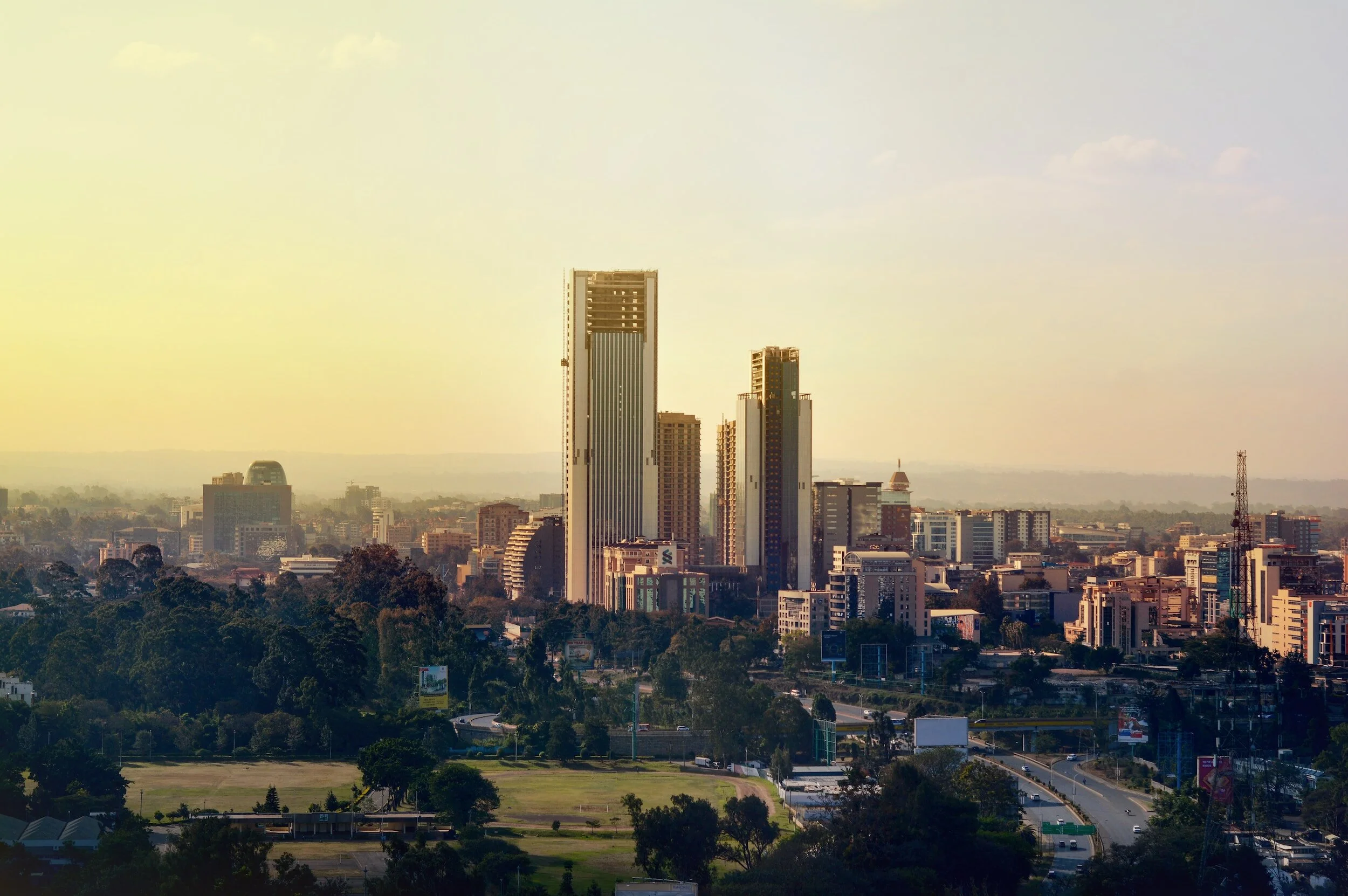
Read MoreAs riots form throughout Kenya, the contradictory nature of William Ruto's new tax initiatives and their effect on the predominantly impoverished population is scrutinized. Ruto's campaign promise to champion the working class has given way to controversy, as his tax policies worsen existing economic disparities and trigger protests. This raises questions about whether Ruto can fulfill his pledge to bridge Kenya's wealth gap or if his approach using such policies will hinder progress in the country.
Read MoreWith numerous coups, economic and political distress, and the unraveling of key multilateral security agreements, Africa’s Sahel region is at risk of collapsing. The effects on Chad's progress towards providing regional stability and control of terrorism are certain to cause broader disruption.
Read MoreWith official results showing only approximately 27 percent of registered voters cast their ballot for a presidential candidate in Nigeria, this appallingly low turnout is not unexpected when looking at recent election cycles considering Nigeria’s history with rampant white collar crime. Corruption is by far the most common manifestation of white collar crime in many developing countries.
Read MoreAs the RSF and the Sudanese military make Sudan a warzone, foreign involvement based on nations’ economic interests takes away from the needs of the people of Sudan.
Read MoreOne of the biggest, if not the biggest, challenges to Nigeria’s economic growth is its lack of quality infrastructure. To compete on the global stage and address problems such as poverty and lagging human development, Nigeria needs improved infrastructure to service its economy and development goals.
Read MoreThe 2004 film Hotel Rwanda raised global awareness about the Rwandan genocide and the heroism of hotel manager Paul Rusesabagina. However, Rusesabagina's story also highlights the issue of political censorship in Rwanda, where the government's suppression of political and human rights advocacy persists, including the silencing of opposition voices and imprisonment of political leaders.
Read MoreThe 28th Pan-African Film and Television Festival of Ouagadougou (FESPACO) took place from February 25 to March 4, 2023, celebrating African cinema and providing a platform for African filmmakers. With this year's theme being "Culture of Peace," the festival showcased films that highlighted social issues and amplified African voices, such as Apolline Traore's "Sira" and Moussa Sene Absa's "Xale, les blessures de l'enfance."
Read More