Germany, a country rocked by runaway hyperinflation a century ago during the Weimar Republic, has clung to fiscal conservatism for decades, illustrated in its hesitancy and reluctance to bailouts during the EU debt crisis in the 2010s. Now, facing economic stagnation and growing defense demands, Berlin’s September 2025 reforms mark a turn toward large-scale investment in infrastructure and security, reshaping both its domestic identity and its role in Europe.
On September 29, 2025, a 6.9-magnitude earthquake struck the Cebu region of the Philippines at 10:00 p.m. local time, killing 72 people and making it the deadliest earthquake in the region since 2013. The Philippines is no stranger to earthquakes; located above the tectonic Ring of Fire, the island nation has experienced more than 2,400earthquakes within the last two weeks, from September 25th to October 9th. Yet this earthquake begs the question: what went wrong in this particular instance, and can the Philippines prevent similar catastrophes from occurring?
As gang violence in Haiti continues to inflict devastating effects on Haiti’s population, the U.N. Security Council approved a resolution authorizing a ‘Gang Suppression Force’ to confront the mounting security crisis. It will replace the previous Kenyan-led ‘Security Support Mission,’ and work in collaboration with the Haitian National Police and Haitian armed forces with primary goals of neutralizing armed gangs and strengthening infrastructure to build Haiti’s ability to assume responsibility for its own security.
From Bangkok’s bustling street stalls to Hanoi’s hidden pho shops, food has become Asia’s newest form of diplomacy. Thailand’s state-backed “Global Thai” campaign turned its cuisine into a world brand, while Vietnam’s street-food fame has grown more organically through social media. Together, they show how taste can shape tourism, strengthen national identity, and transform local dishes into tools of global influence.
In Türkiye, Kurdish writers turn to literature as an act of defiance against decades of state repression. Facing book bans, wrongful imprisonment, and even exile, they reclaim Kurdish identity with the words that the Turkish government works tirelessly to erase. Each novel, poem, and translation stands as evidence that storytelling can outlast censorship and transform silence into resistance.
The Suwałki Gap remains one of NATO’s most strategic vulnerabilities. This 65-km stretch of border between Poland and Lithuania is the only corridor separating Russia’s close ally, Belarus, from the Russian exclave Kaliningrad. Kaliningrad is vital to Russia’s naval and military projection in the Baltic Sea, and securing a land route would be invaluable for Moscow’s strategic ambitions. As tensions with Russia persist, many defense experts warn that if Putin were to strike a NATO member, the conflict would likely begin in the Suwałki Gap.
Although Global Witness’ 2024 report on international violence against environmental land defenders reported a fewer number of killings and disappearances than years prior, closely observing these ongoing trends is pertinent to protecting human rights and our environment. Breaking down this report, particularly the nations and subgroups in which defenders are most commonly targeted, allows us to obtain a greater understanding of proper policy drafting and implementation moving forwards.
Withering relations, market vulnerability, and growing external pressure have forced Turkmenistan to choose between continued isolation and long-term economic decline or opening up to the world. Turkmenistan has historically maintained itself isolated through authoritarian control, self-sufficiency, and abundant natural gas to fund its endeavors. However, its eroding alliance with China and previous economic crisis have propelled Turkmenistan to diversify its trading partners and sources of income.
This article examines the evolving political, military, and strategic alliance in the Middle East through the Strategic Mutual Defense Agreement (SMDA) signed between the Kingdom of Saudi Arabia and the Islamic Republic of Pakistan. Under this security and defense pact, both nations agree to treat any act of aggression against one as an act against both.
The European Union has been a key contributor to Ukraine’s defense since the onset of the Russian invasion in 2022. Hoping to ensure Ukraine’s stability, the EU has developed a post-war plan to strengthen Ukraine’s economy and put it on the path towards EU accession. However, shifting geopolitical dynamics risk making the continued support and post-war stabilization of Ukraine more challenging.
In South Sudan, hunger has been turned into a weapon. As the nation reels from repeated conflict, President Salva Kiir’s government stands accused of using starvation to crush opposition and assert power. Aid routes are blocked, crops destroyed, and millions are left on the brink of famine– all due to this man-made crisis.
For years, the Central African Republic has been afflicted by war between armed groups and the government. Although peace agreements from this summer hint at change, the nation continues to struggle with rebel groups selling blood diamonds to finance their activities. In retaliation against such groups, the CAR was forbidden from exporting diamonds in a decision that ultimately caused more problems than it solved.
For centuries, Russians lived under rulers who demanded obedience, from the Mongol Yoke to the iron grip of serfdom and the Church’s calls for humility. These forces taught generations that survival meant submission. Even now, traces of that legacy endure, shaping a culture where authority is feared, accepted, and rarely challenged.
China’s Digital Silk Road (DSR) extends beyond economic infrastructure, functioning as a tool of digital statecraft that shapes connectivity and norms. By linking investments in 5G, cloud computing, and standards with political narratives, Beijing fosters dependencies and promotes a model of cyber sovereignty. Responses from Europe, Japan, and Southeast Asia reveal both the appeal and risks of the DSR, highlighting the contested and strategic nature of cyberspace today.
Próspera, Honduras is a Zone for Employment and Economic Development, aimed at attracting investment and helping develop the nation. Since its creation, it has been governed by a U.S.-based company, Honduras Próspera Inc., which has implemented low tax rates, with aims to become a haven for deregulated business. In recent years, the zone has been criticized for undermining the sovereignty of the Honduran state, and the two are locked in a legal battle to determine the constitutionality of these special zones.
This article will examine the relationship between competing renewable energy markets in the United States and China. China’s advancements in “green” energy technology, most notably, EV battery development has given China unique leverage in orchestrating multilateral clean energy deals, excluding the U.S.. Seemingly, China’s progress is unmatched, as U.S. policy continues to backslide renewable energy development and policy, shifting to traditional fuel sources instead. With oil on the rise in the U.S., and China implementing solar and wind energy projects for global partners, it is clear a “green” future of climate cooperation is uncertain.
A number of court rulings have expanded the rights of queer Hong Kong citizens, such as QT vs Director of Immigration (2018), which granted same-sex partners access to spousal visas, while another ruling in 2018 permitted same-sex couples to file joint tax returns. While these developments may paint the region as progressive, the laws remain relatively conservative, as Hong Kong still does not recognize gay marriage.
On Thursday, September 11, 2025, Brazil’s former president Jair Bolsonaro was sentenced to 27 years in prison for attempting to orchestrate a coup and overturn the 2022 presidential election. The conviction has sparked a multitude of reactions within the deeply polarized state, and instigated responses from the United States and the Trump administration. The sentence marks an important milestone in Brazil’s history of pardoning political insurrection, and many regard it as a victory for Brazilian democracy.
By criminalizing lawyers committed to defending the right to a fair trial and exposing human rights abuses, the Government of Belarus undermines essential international standards and further drives Belarus away from democracy. These measures reveal a regime intent on eradicating independent voices and tightening authoritarian control, while simultaneously signaling to the international community the urgent need for continued attention and accountability.
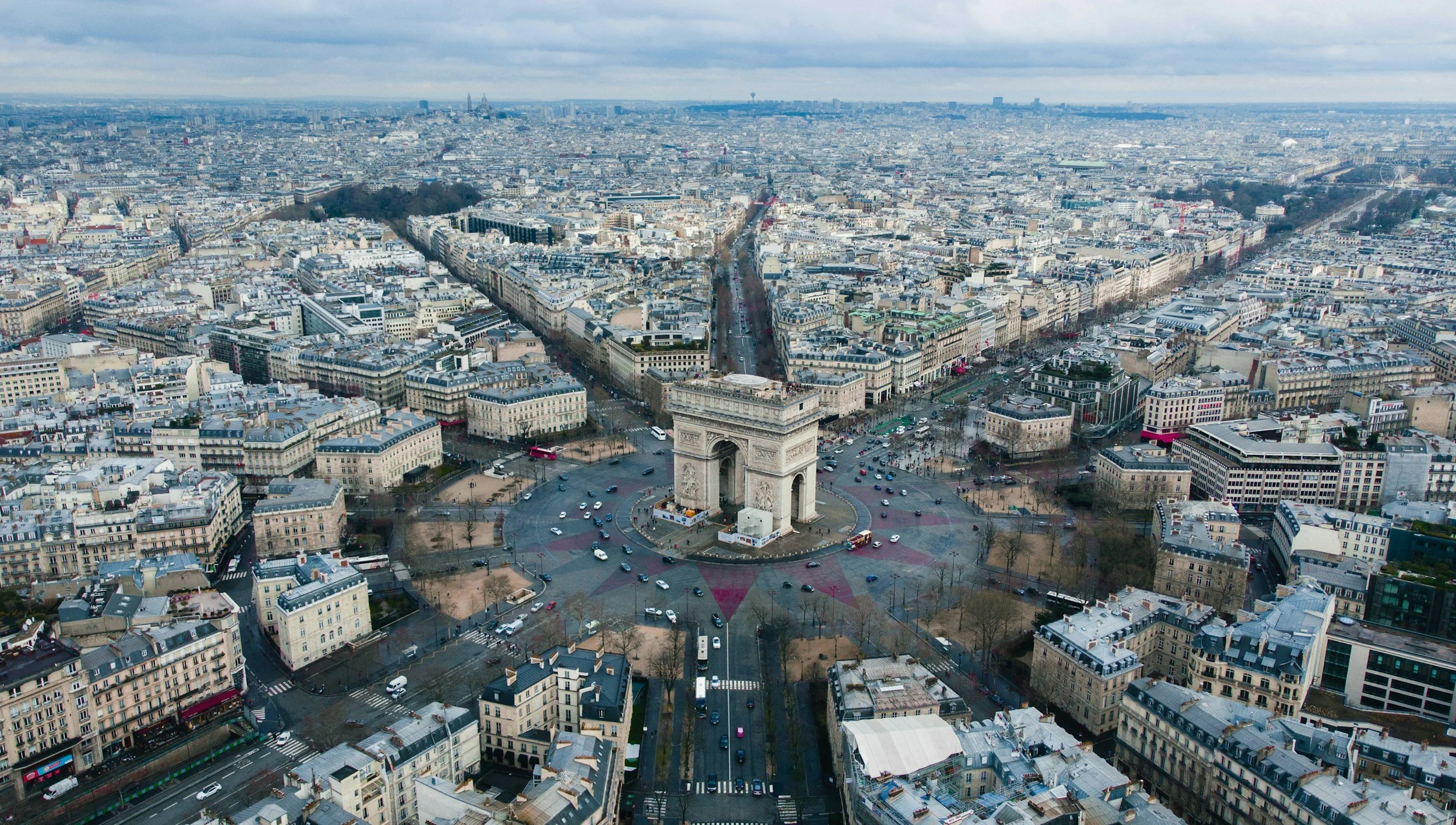
In September 2025, France’s government collapsed yet again, a symptom of the political fragmentation that has hindered the country’s ability to make meaningful progress on addressing economic concerns. Meanwhile, in the arena of foreign policy, French President Emmanuel Macron has sought to cultivate an image of strength abroad, leading Europe’s response to U.S. tariffs and Russian aggression in Ukraine. For Macron, mounting domestic instability presents an existential challenge to his legitimacy as Europe’s chief statesman.