After more than a decade of civil war, the fall of Bashar al-Assad’s regime in December 2024 marked a historic turning point for Syria. The new transitional government led by Ahmed al-Sharaa faces the immense task of rebuilding authority, stabilizing security, and defining a new political order amid persistent socio-economic and sectarian issues.
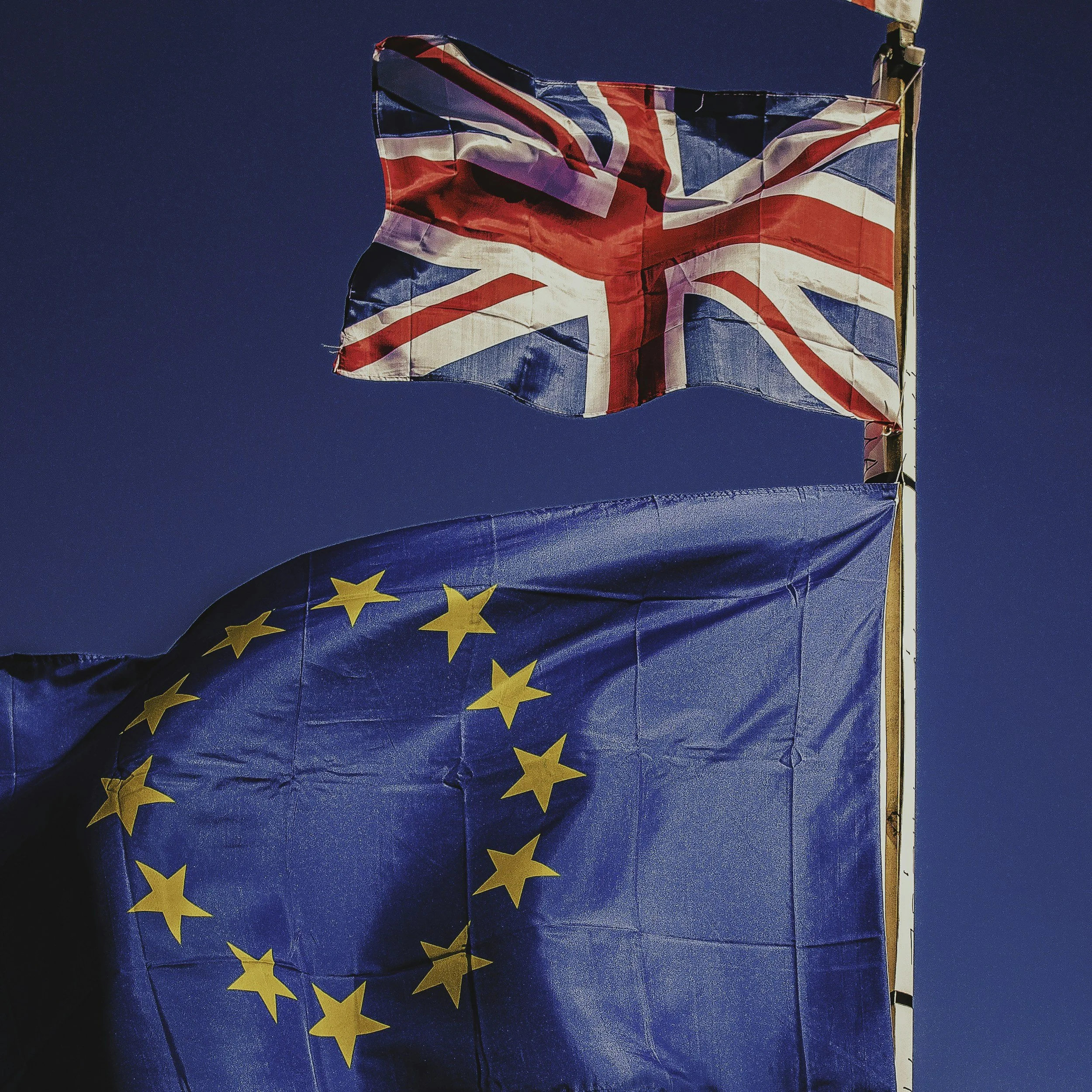
Nearly ten years after Brexit, Britain’s political landscape remains defined by the unresolved tensions that referendum unleashed. Populist narratives around identity, immigration, and sovereignty continue to shape political debate, fueling voter disillusionment and empowering movements like Reform UK. As the party gains traction, the question is whether Britain can move beyond the impulses of the Brexit era before they come to define its political and global identity.
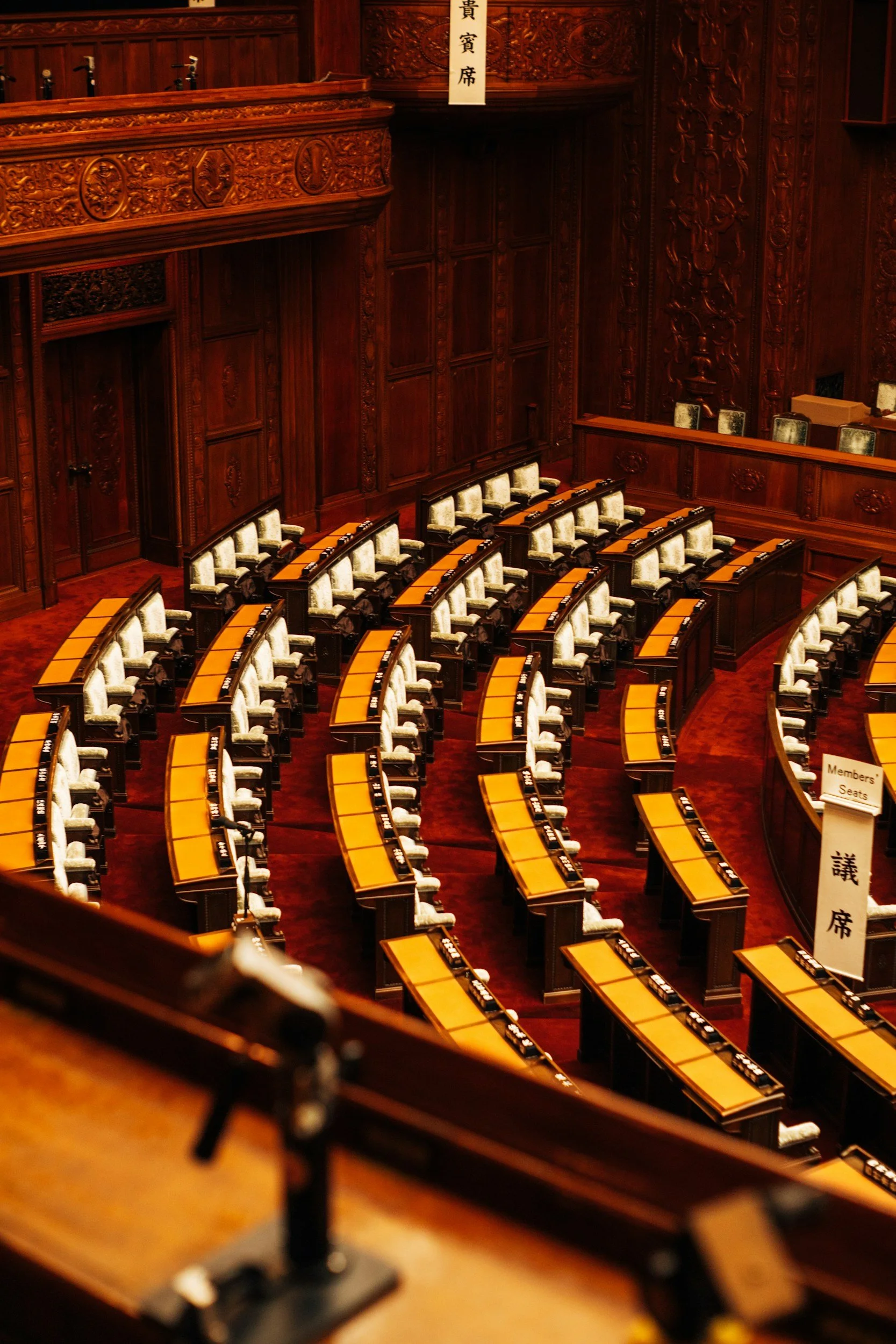
On October 21, 2025 Japan elected Sanae Takaichi as prime minister. She heralds a milestone achievement as Japan’s first female prime minister, especially given the severe underrepresentation of women in Japanese politics, with the country ranking 118 out of 148 countries in the World Economic Forum’s 2025 Gender Gap Index. However, she also signals the rise of far-right nationalism all over the world, and her election could send shockwaves throughout East Asia.
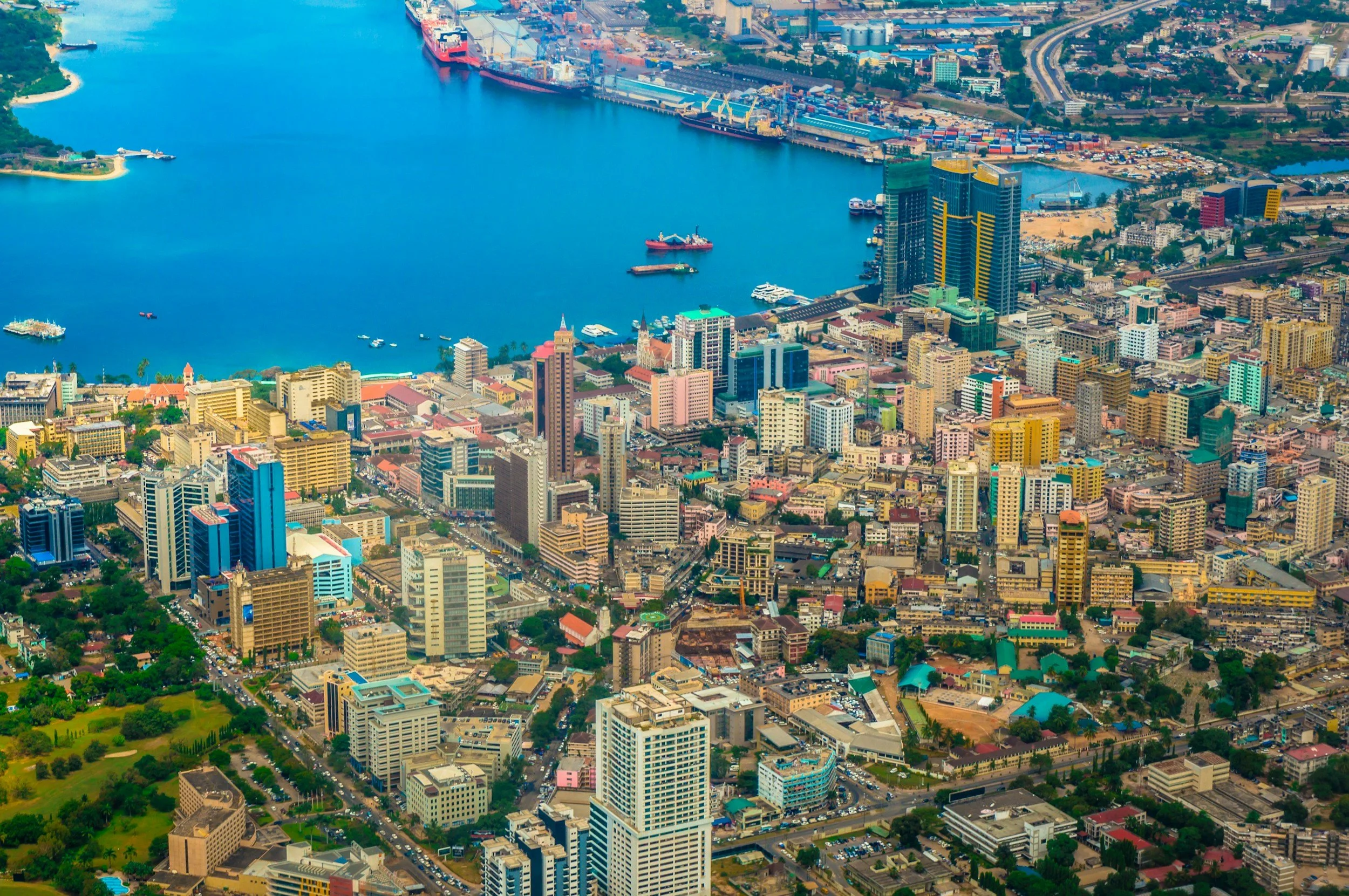
Tanzanians with albinism suffer violent persecution at a rate inexperienced by the rest of the country’s population. Attempts by the government to reduce discrimination and violence have had varied success, but official collaboration and work with albinism specific NGOs prove the most successful.
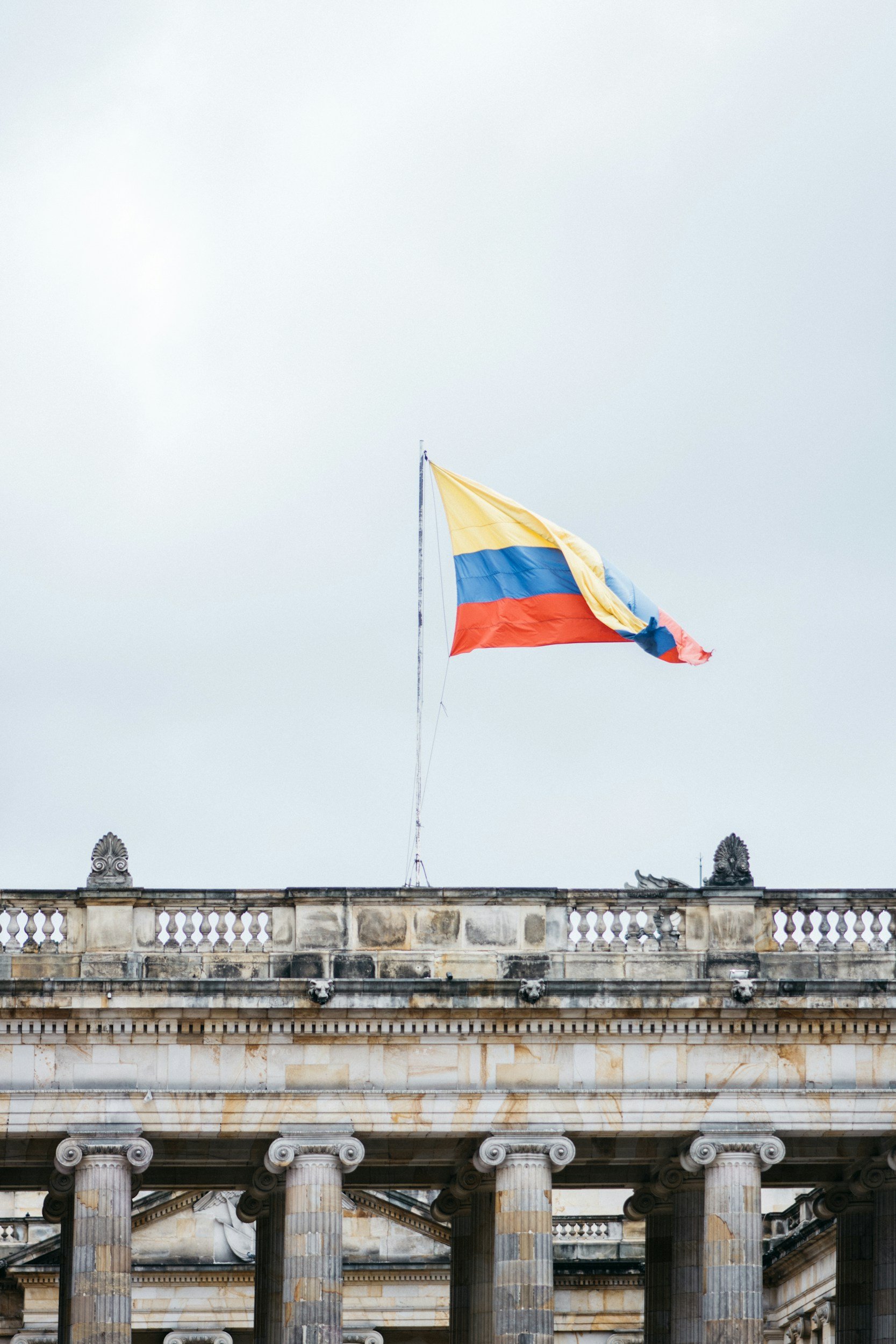
María Corina Machado, Venezuelan political activist and former presidential candidate, nicknamed the “Iron Lady,” won the 2025 Nobel Peace Prize. Her activism spans decades, working to promote fair elections, liberalization of the economy, and human rights for the Venezuelan people. She is an outspoken critic of current President Nicolas Maduro, claiming that his administration has ties to transnational drug cartel Tren del Aragua and human trafficking circles. Most recently, she supported the Trump administration, and called for its help in ousting Maduro. Her willingness to support US-backed regime change has garnered many critics, who argue that it is not reflective of the values of the Nobel Peace Prize.
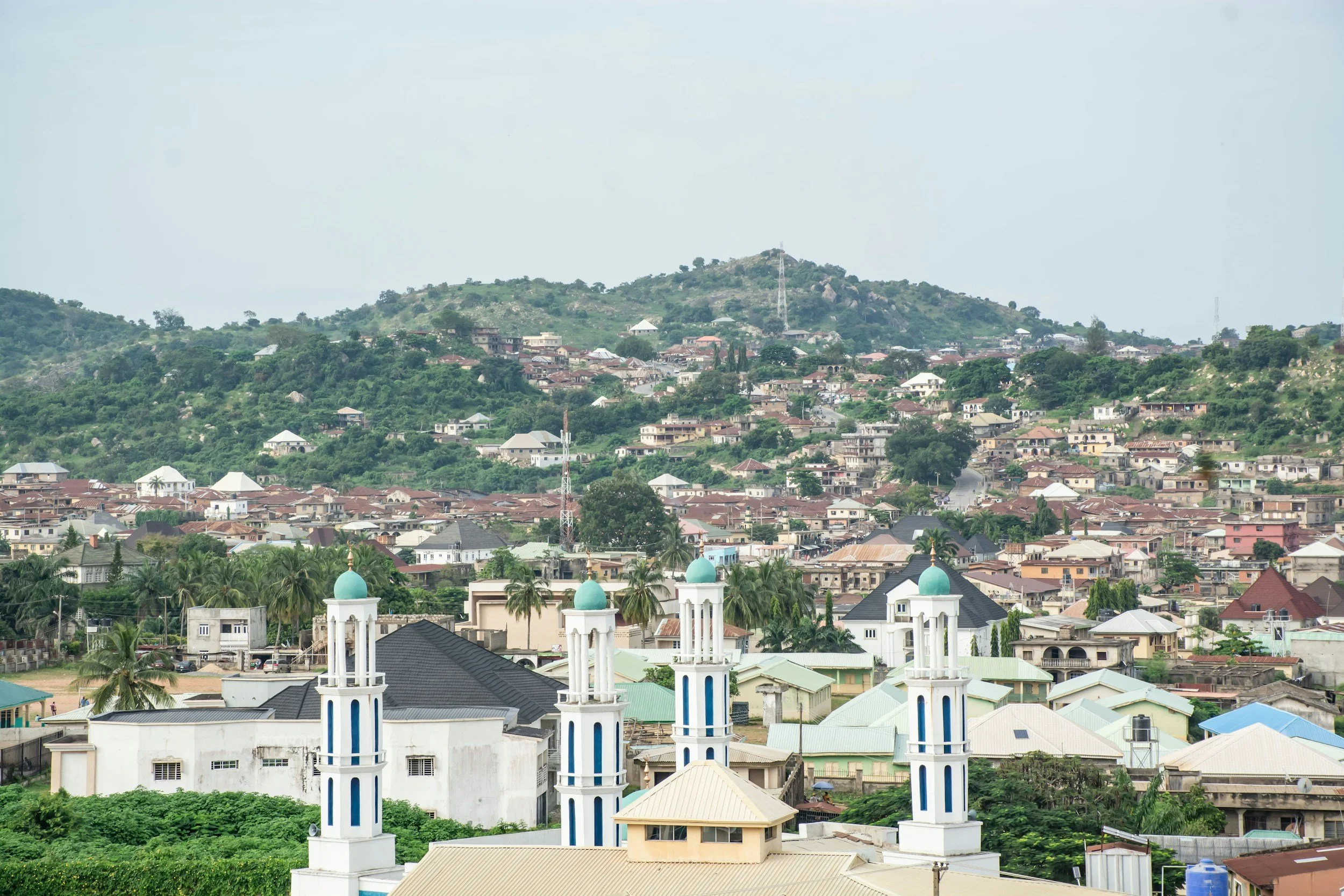
U.S. political rhetoric has revived attention to Nigeria’s struggle with extremist violence, often relying on dramatic but unverified statistics that oversimplify the conflict. Although Christian communities have suffered greatly under jihadis group, Boko Haram, Muslims and other groups have also been targeted, complicating claims that Christians alone have been targeted. When inflated figures dominate the conversation, they distort public understanding and encourage one dimensional U.S. policy responses that overlook Nigeria’s broader security challenges.
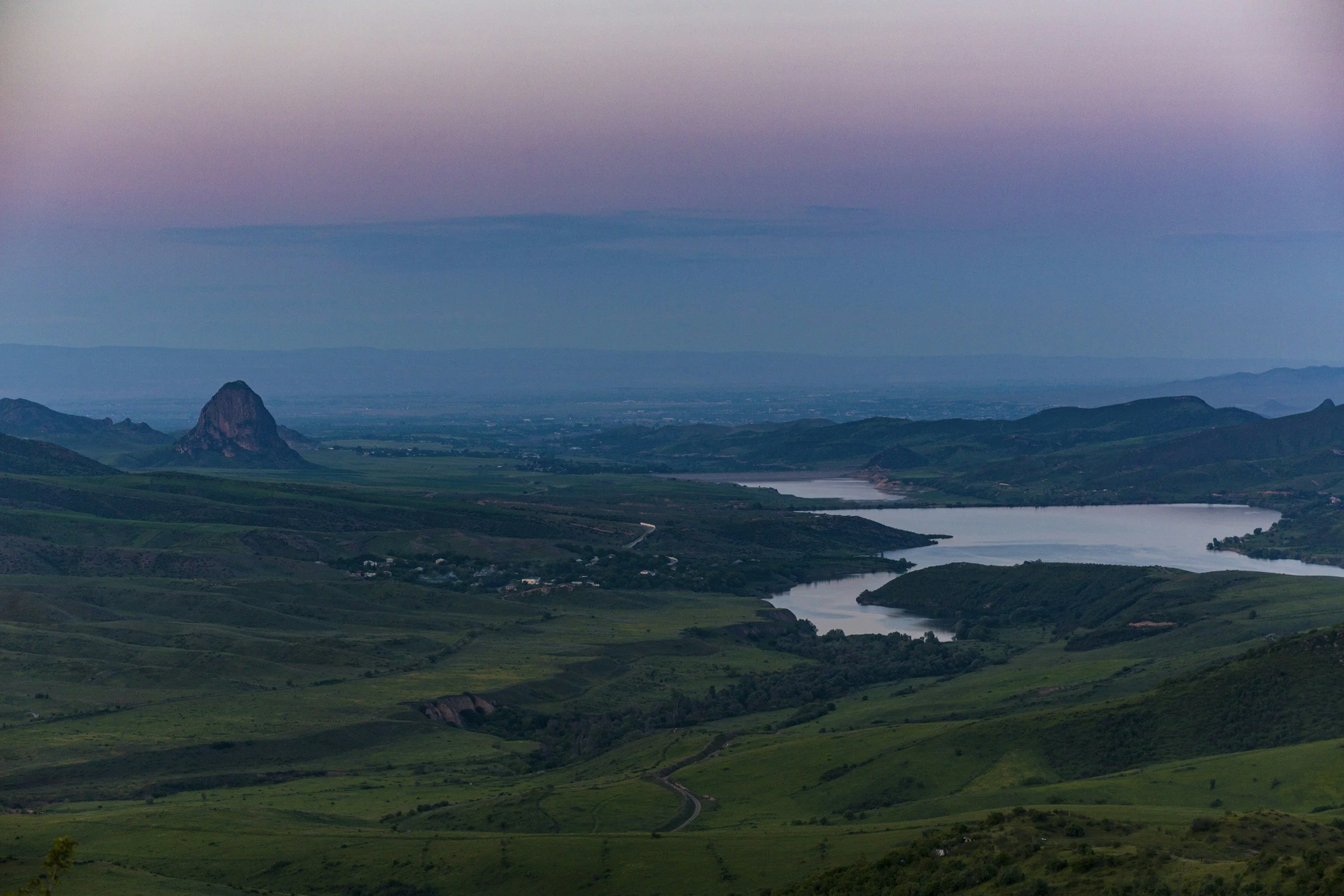
The proposed TRIPP stands as a potent symbol of what could be achieved: economic growth, regional connectivity, and lasting peace. But, without final signatures, it remains a vision rather than a reality. The unfinished nature of this agreement underscores that peace between Armenia and Azerbaijan cannot be declared through ceremony alone; it must be built through sustained trust, compromise, and accountability. Until then, the promise of peace remains just out of reach, suspended between hope and hesitation.
Mounting tensions between the Trump Administration and Venezuelan President, Nicolás Maduro have come to a climax in the Caribbean Sea. President Trump has launched a series of offensive strikes against ships allegedly carrying large quantities of deadly narcotics. Trump’s failure to consult with Congress over the matter has called into question the exact scope of power that the president is allowed to exercise in deploying domestic armed forces in international conflicts. The death count continues to grow as a result of these strikes, with no indication of a peaceful agreement between Trump and Maduro, and Congress for that matter, in sight.
The one year anniversary of Kenyan runner Rebecca Cheptegei’s murder at the hands of her ex-partner illuminates Kenya’s gender-based violence crisis. Kenya’s high rates of femicide and abuse against women and girls makes the nation difficult to live in for females.
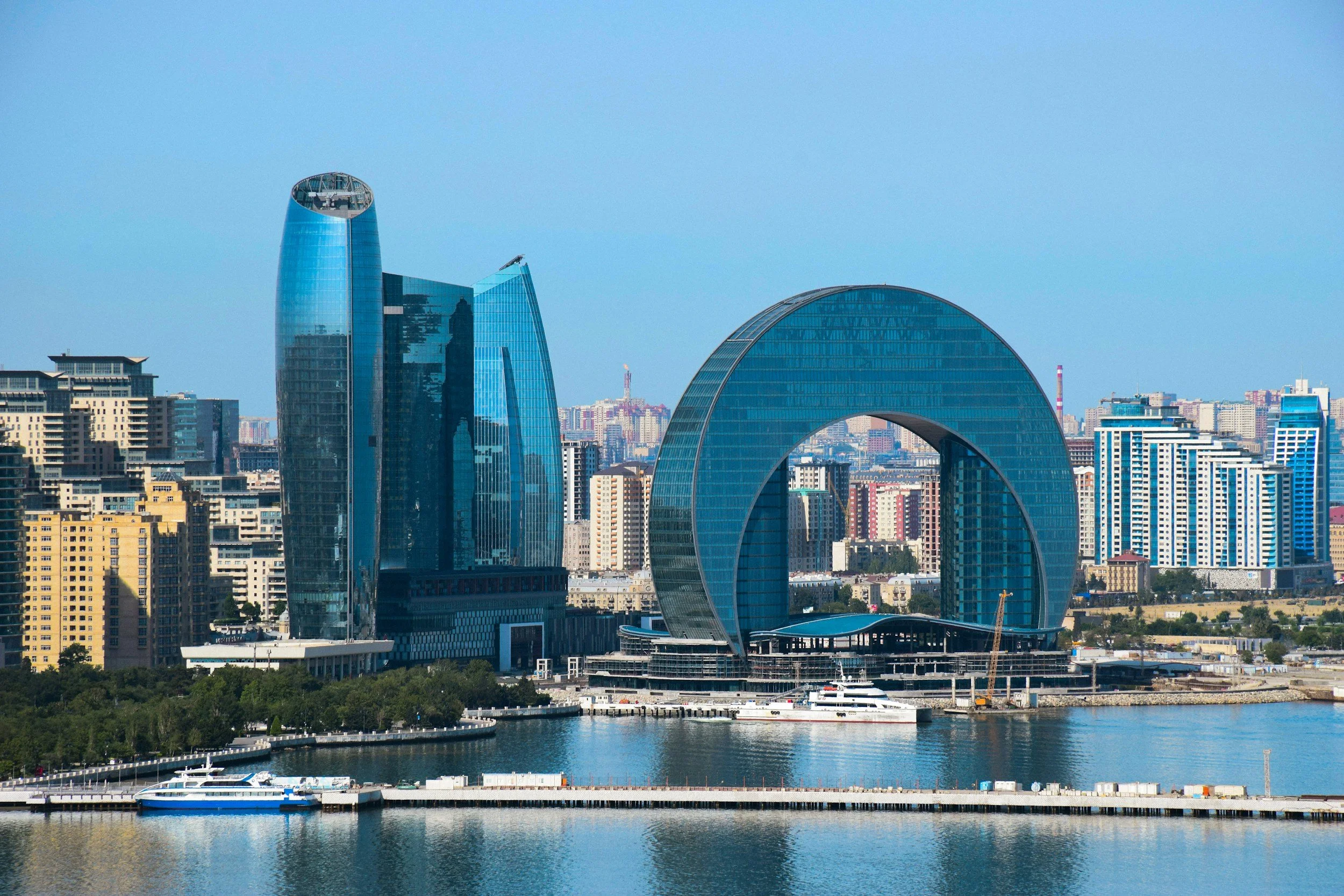
Before Pennsylvania or the Middle East, Baku was the world’s oil capital. Its 1846 well sparked an industry that fueled empires, transformed economies, and reshaped society. Yet prosperity brought pollution, inequality, and political unrest. From imperial reforms to revolutionary collapse, Baku’s story reveals how energy can build, and destabilize a nation.
Lebanon’s economic and political collapse has eroded public trust and weakened state institutions. Once called the “Switzerland of the Middle East,” it now faces blackouts, inflation, and a devalued currency. Decades of sectarian power-sharing paved the way for the 2019 financial crisis, marking the collapse of the postwar order. Hezbollah—a political party and paramilitary group backed by Iran—has expanded its role in governance, security, and welfare, reinforcing a shadow-state dynamic as the country drifts further from democracy. Yet under Prime Minister Nawaf Salam’s new 2025 administration, early reforms in energy, banking, and transparency signal a fragile but honest effort to restore accountability and rebuild democratic state legitimacy.
Germany, a country rocked by runaway hyperinflation a century ago during the Weimar Republic, has clung to fiscal conservatism for decades, illustrated in its hesitancy and reluctance to bailouts during the EU debt crisis in the 2010s. Now, facing economic stagnation and growing defense demands, Berlin’s September 2025 reforms mark a turn toward large-scale investment in infrastructure and security, reshaping both its domestic identity and its role in Europe.
On September 29, 2025, a 6.9-magnitude earthquake struck the Cebu region of the Philippines at 10:00 p.m. local time, killing 72 people and making it the deadliest earthquake in the region since 2013. The Philippines is no stranger to earthquakes; located above the tectonic Ring of Fire, the island nation has experienced more than 2,400earthquakes within the last two weeks, from September 25th to October 9th. Yet this earthquake begs the question: what went wrong in this particular instance, and can the Philippines prevent similar catastrophes from occurring?
As gang violence in Haiti continues to inflict devastating effects on Haiti’s population, the U.N. Security Council approved a resolution authorizing a ‘Gang Suppression Force’ to confront the mounting security crisis. It will replace the previous Kenyan-led ‘Security Support Mission,’ and work in collaboration with the Haitian National Police and Haitian armed forces with primary goals of neutralizing armed gangs and strengthening infrastructure to build Haiti’s ability to assume responsibility for its own security.
From Bangkok’s bustling street stalls to Hanoi’s hidden pho shops, food has become Asia’s newest form of diplomacy. Thailand’s state-backed “Global Thai” campaign turned its cuisine into a world brand, while Vietnam’s street-food fame has grown more organically through social media. Together, they show how taste can shape tourism, strengthen national identity, and transform local dishes into tools of global influence.
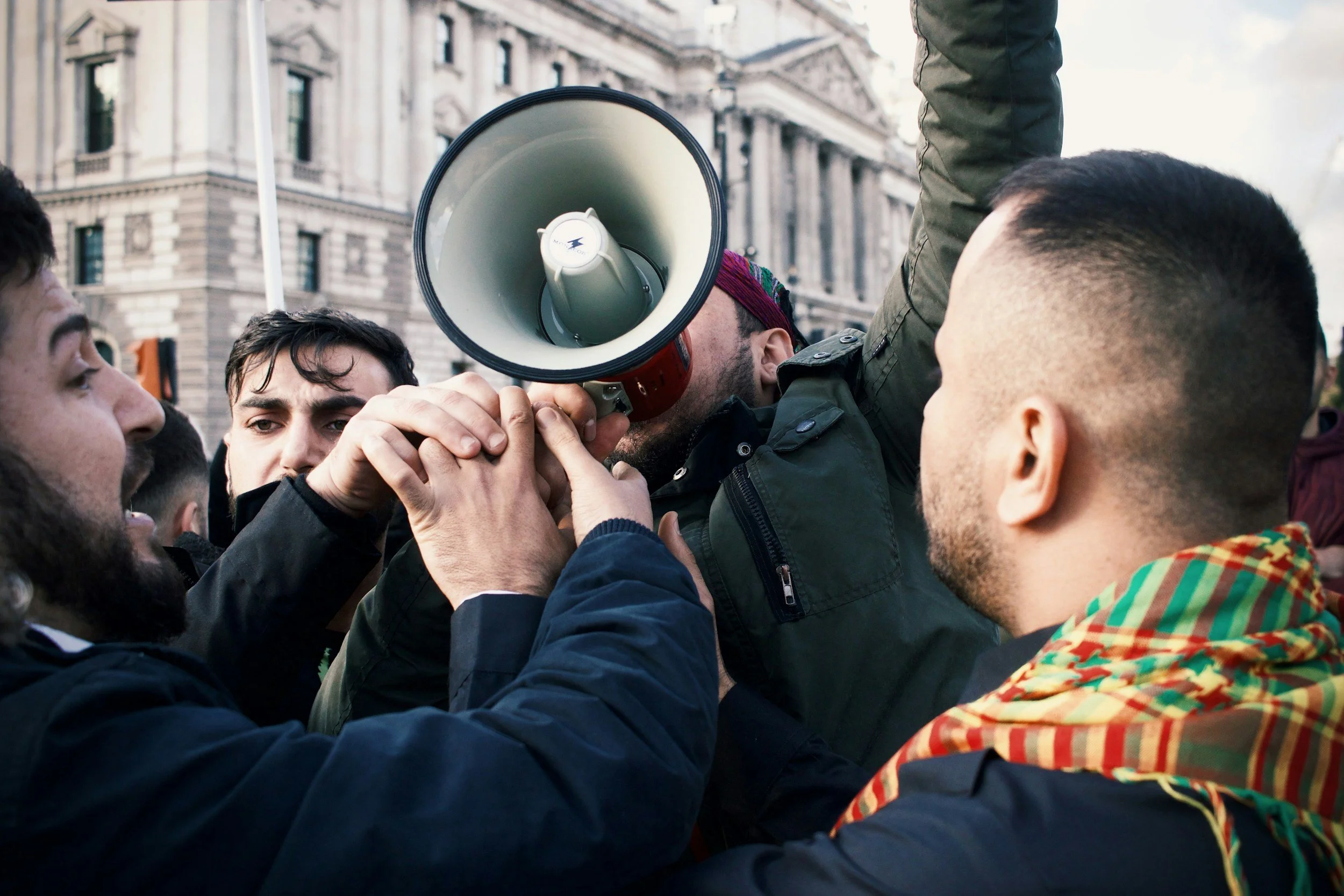
In Türkiye, Kurdish writers turn to literature as an act of defiance against decades of state repression. Facing book bans, wrongful imprisonment, and even exile, they reclaim Kurdish identity with the words that the Turkish government works tirelessly to erase. Each novel, poem, and translation stands as evidence that storytelling can outlast censorship and transform silence into resistance.
The Suwałki Gap remains one of NATO’s most strategic vulnerabilities. This 65-km stretch of border between Poland and Lithuania is the only corridor separating Russia’s close ally, Belarus, from the Russian exclave Kaliningrad. Kaliningrad is vital to Russia’s naval and military projection in the Baltic Sea, and securing a land route would be invaluable for Moscow’s strategic ambitions. As tensions with Russia persist, many defense experts warn that if Putin were to strike a NATO member, the conflict would likely begin in the Suwałki Gap.
Although Global Witness’ 2024 report on international violence against environmental land defenders reported a fewer number of killings and disappearances than years prior, closely observing these ongoing trends is pertinent to protecting human rights and our environment. Breaking down this report, particularly the nations and subgroups in which defenders are most commonly targeted, allows us to obtain a greater understanding of proper policy drafting and implementation moving forwards.
Withering relations, market vulnerability, and growing external pressure have forced Turkmenistan to choose between continued isolation and long-term economic decline or opening up to the world. Turkmenistan has historically maintained itself isolated through authoritarian control, self-sufficiency, and abundant natural gas to fund its endeavors. However, its eroding alliance with China and previous economic crisis have propelled Turkmenistan to diversify its trading partners and sources of income.