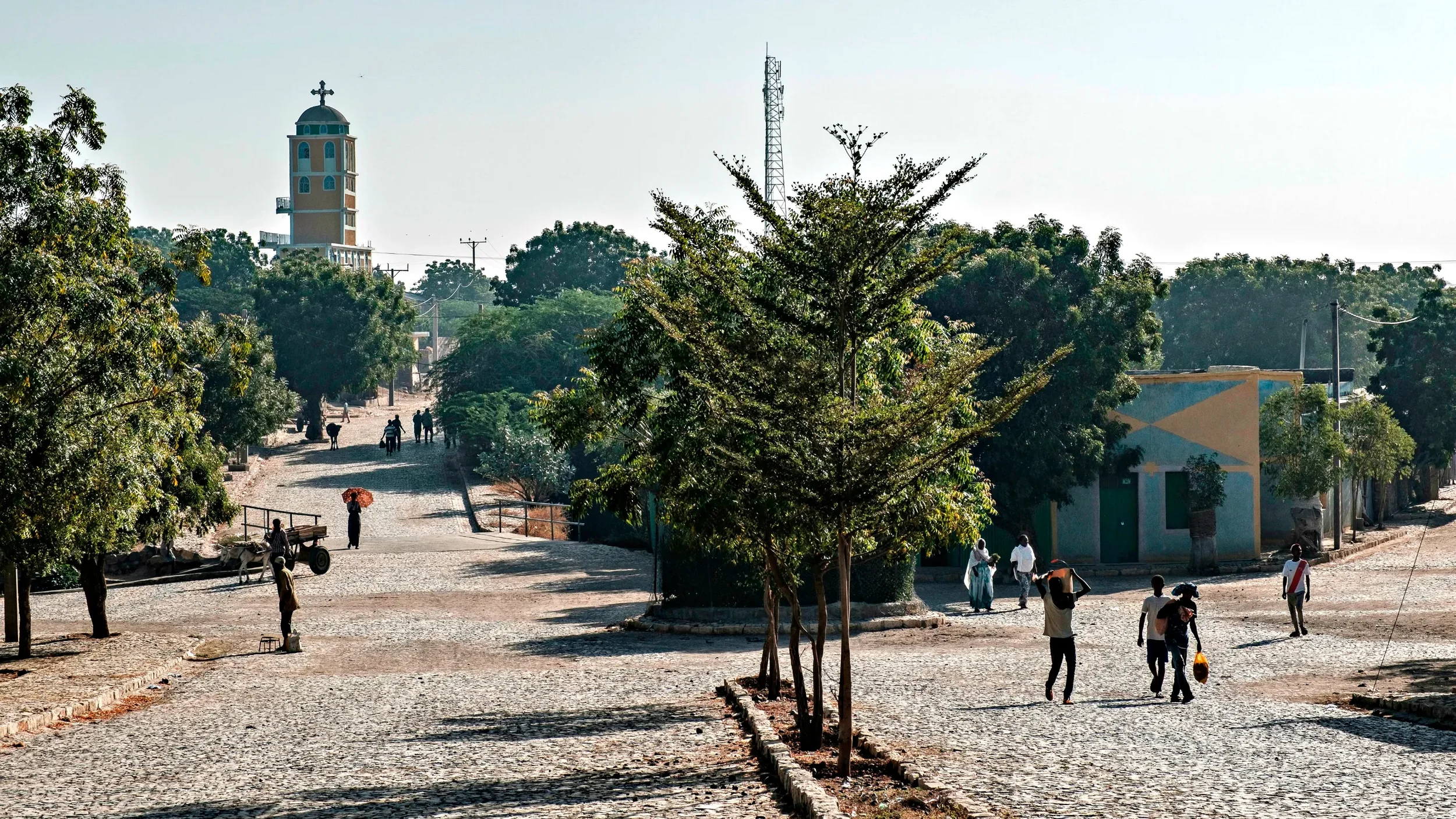
The Successes and Shortcomings of Pentecostalism in Ethiopia

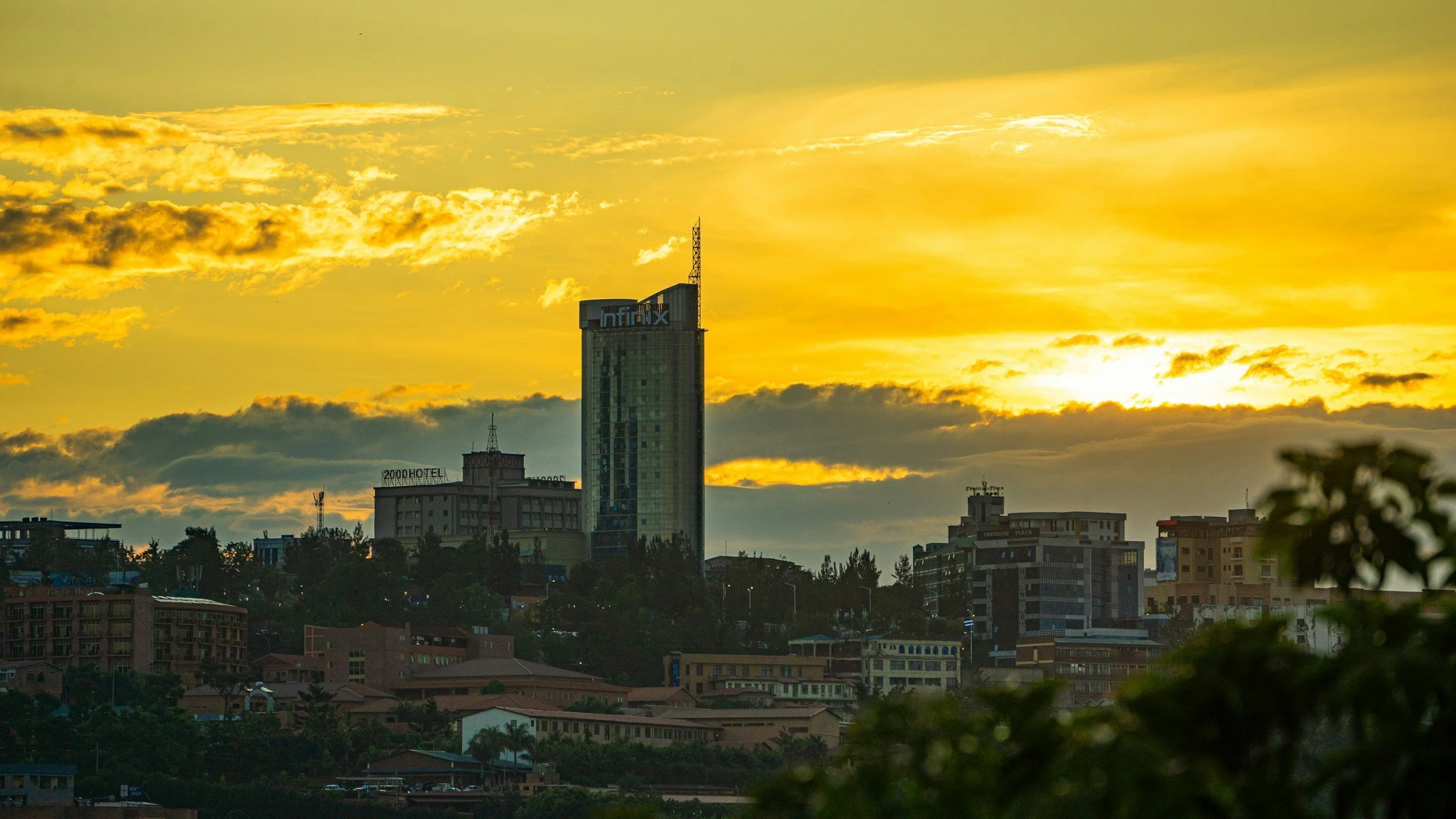
Pentecostalism emerges strongest in states as a replacement for weak governance like post-colonial Ethiopia. As an expressive faith that involves dancing and self-improvement, Pentecostalism also inspires worshippers to participate in civil society and fight for more just governments at the ballot box. However, as evident in Ethiopia, religious groups face major shortcomings in addressing deep-rooted issues restricting healthy democracy. 

Read More
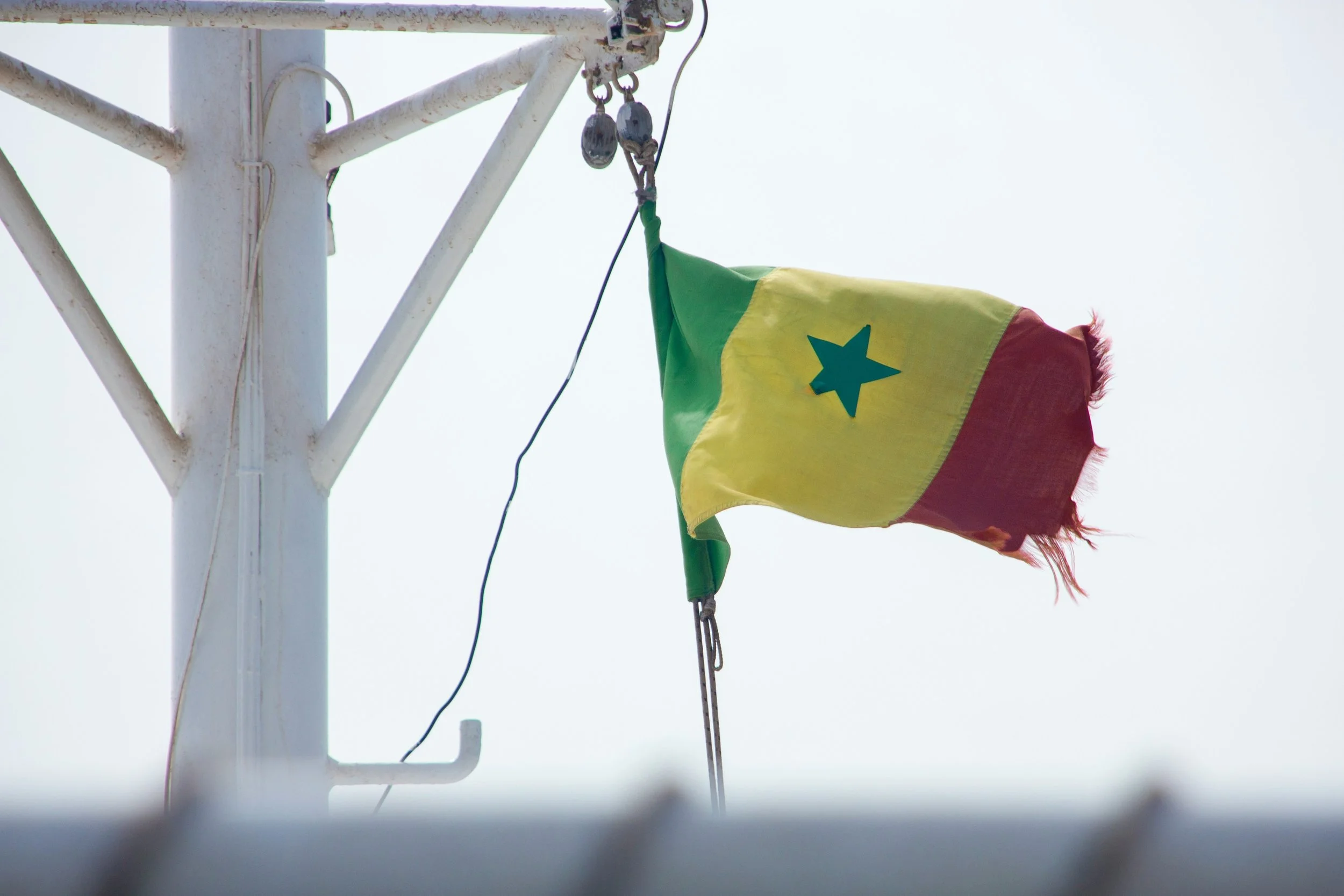
“Un-African” or Unjust? The Politics of Homophobia in Senegal

In recent months, Senegal has found itself at the center of growing debates over LGBTQ rights as rising homophobia and stricter laws reshape the nation’s social and legal landscape. Building on past legislation, a 2026 bill to increase penalties for queer individuals has been met with strong public and political support. Still, critics warn that these developments conflict with Senegal’s international human rights commitments and risk legitimizing discrimination.

Read More
Loss and Damage Funds and Climate Justice: What Responsibilities Do Developed Countries Owe to Developing Countries?

The establishment of a Loss and Damage fund is not charity. It is a down payment on our shared futures. It is a down payment on climate justice.” How is it that the poorest countries are the primary victims of climate change despite being the least responsible for it?

Read More
Israeli Lawmakers Approve Expanded Death Penalty for West Bank Offenses

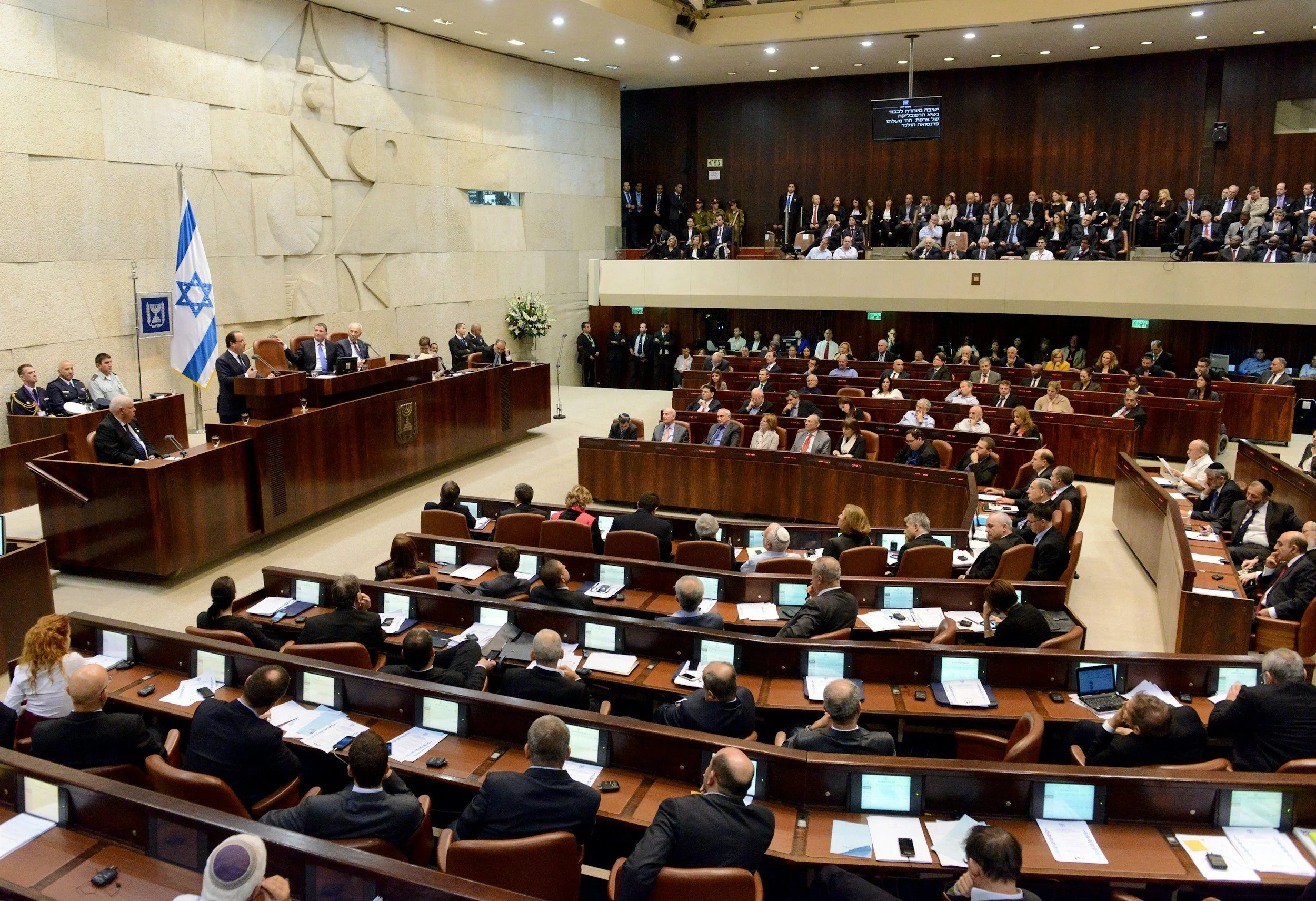
Israel’s parliament, the Knesset, has passed a controversial bill expanding the use of the death penalty for terrorism-related offenses, applying primarily to Palestinians in the West Bank under military court jurisdiction. The law mandates execution by hanging within 90 days for certain convictions, limits legal protections, and removes key safeguards such as the right to appeal and unanimous judicial agreement. Critics, including international organizations and a host of countries across the globe, argue the legislation violates international law and disproportionately targets Palestinians, while supporters claim it will deter violence and future prisoner exchange between Israel and Palestine.

Read More
A New Coat of Paint: Examining Saudi Arabia’s Reputational Overhaul

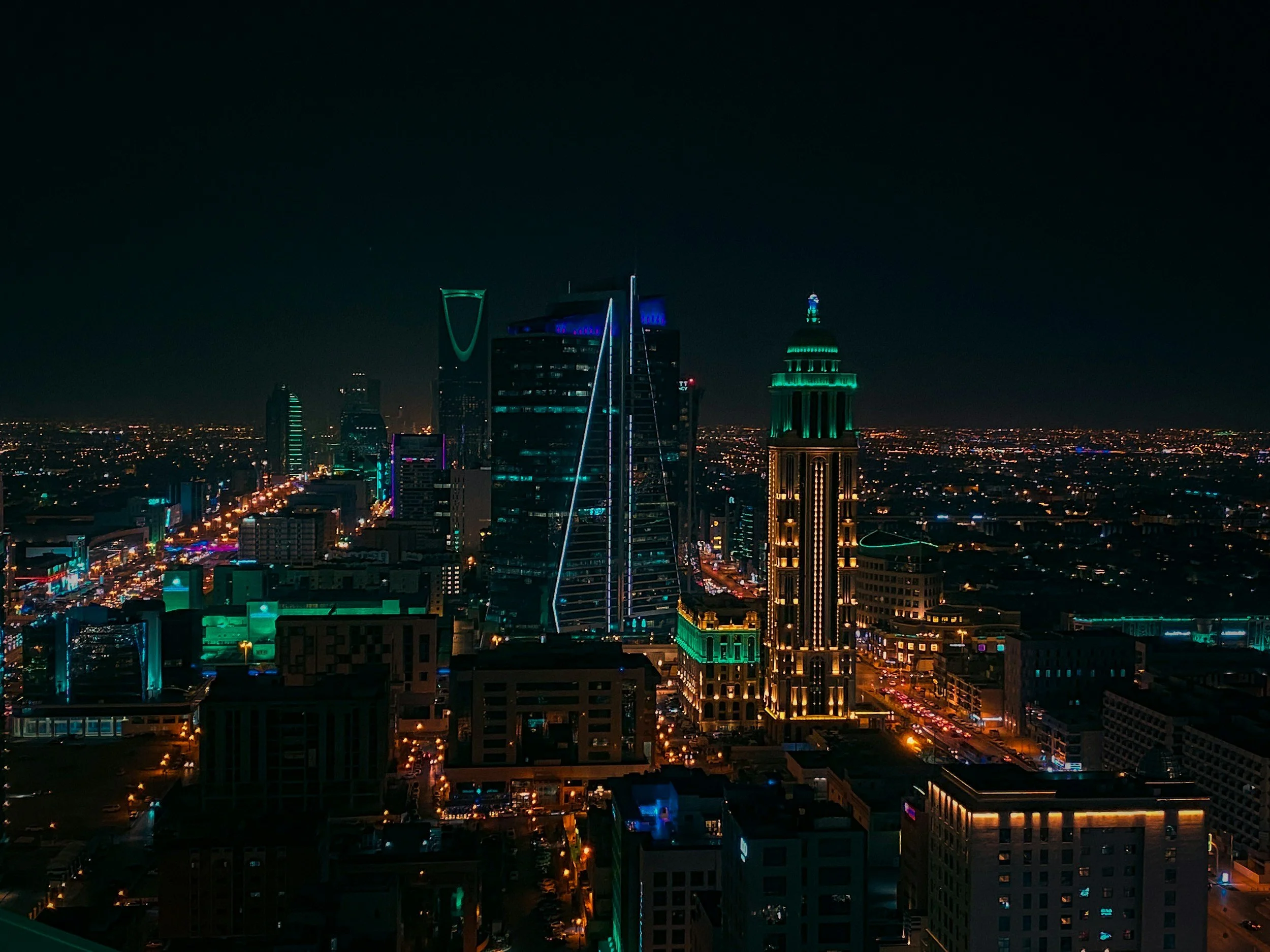
Saudi Arabia’s growing investments in sports and other entertainment are bringing it attention from across the world while drawing attention away from its human rights struggles. The success of the nation’s “sportswashing” strategy could serve as a model for other capitalist countries moving forward if it is able to thrive with economic freedom but without social freedom.

Read More
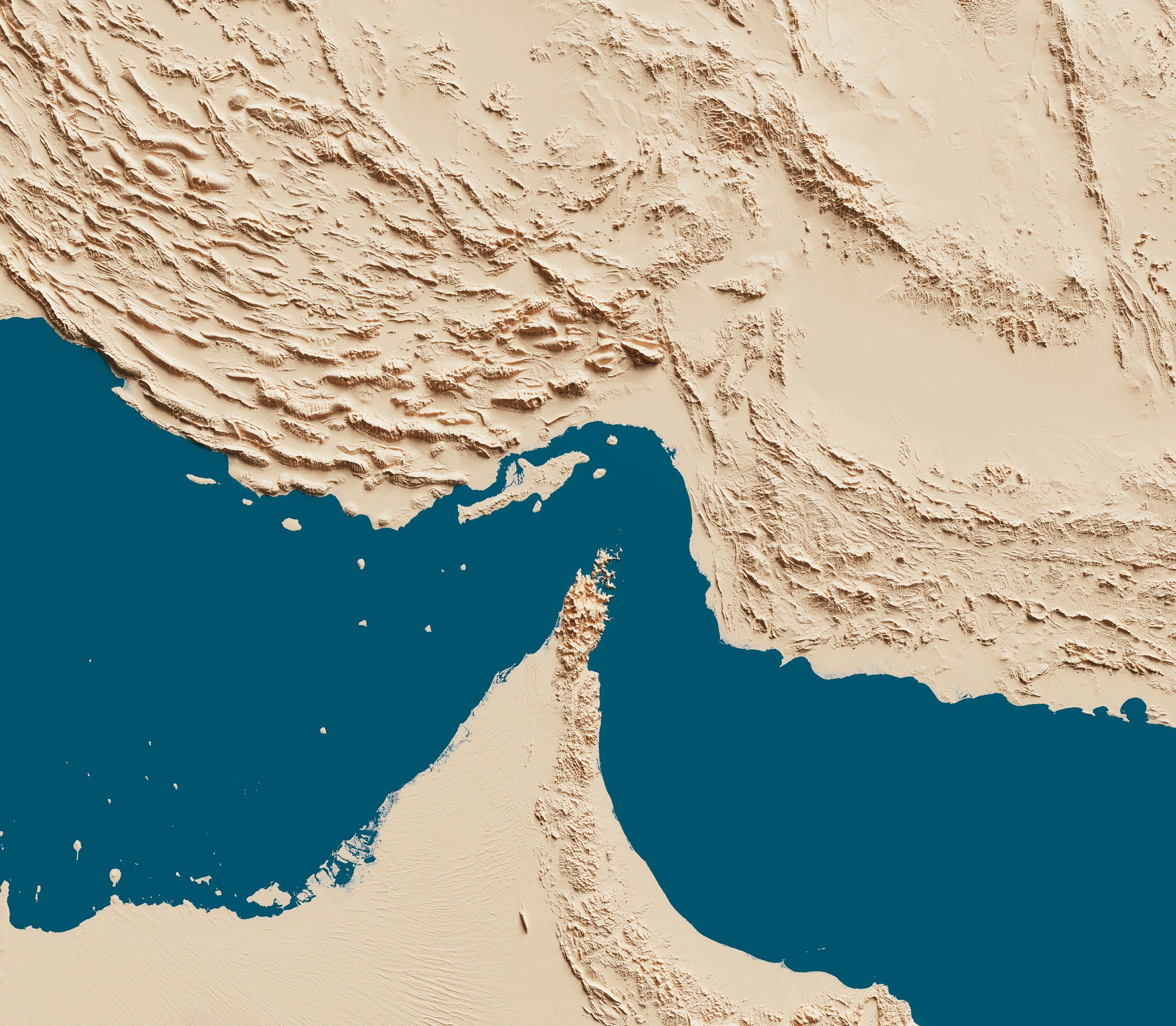
Iran After Khamenei: A Nation Split Between Sorrow and Celebration

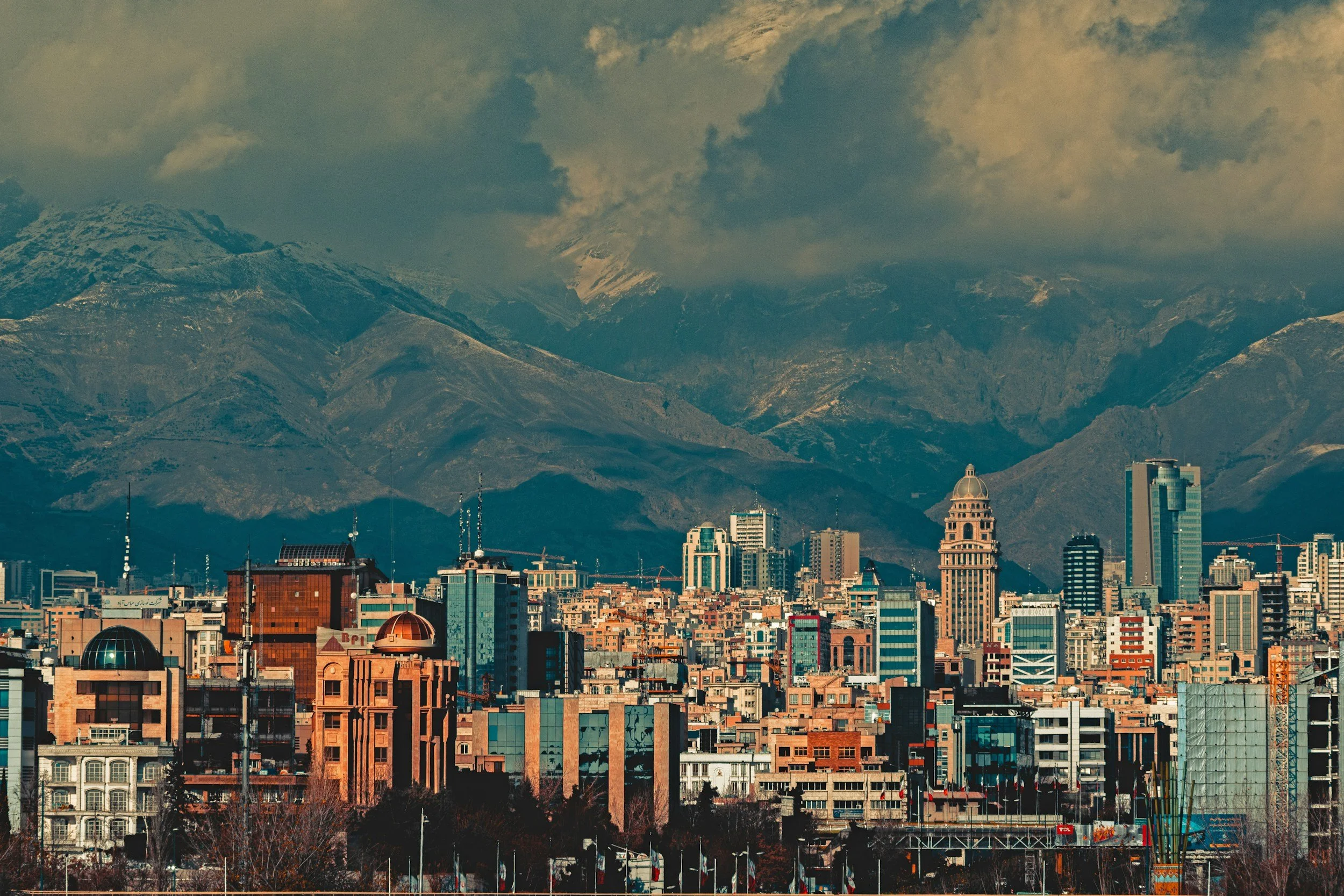
The killing of Iran’s supreme leader, Ayatollah Ali Khamenei, in a U.S.–Israeli airstrike has exposed deep divisions within Iranian society. While some mourn the longtime cleric as a symbol of Shiite authority, others have taken to the streets to celebrate the death of a leader many blame for decades of repression and economic hardship. The starkly different reactions reveal a country divided over the future of the Islamic Republic.

Read More
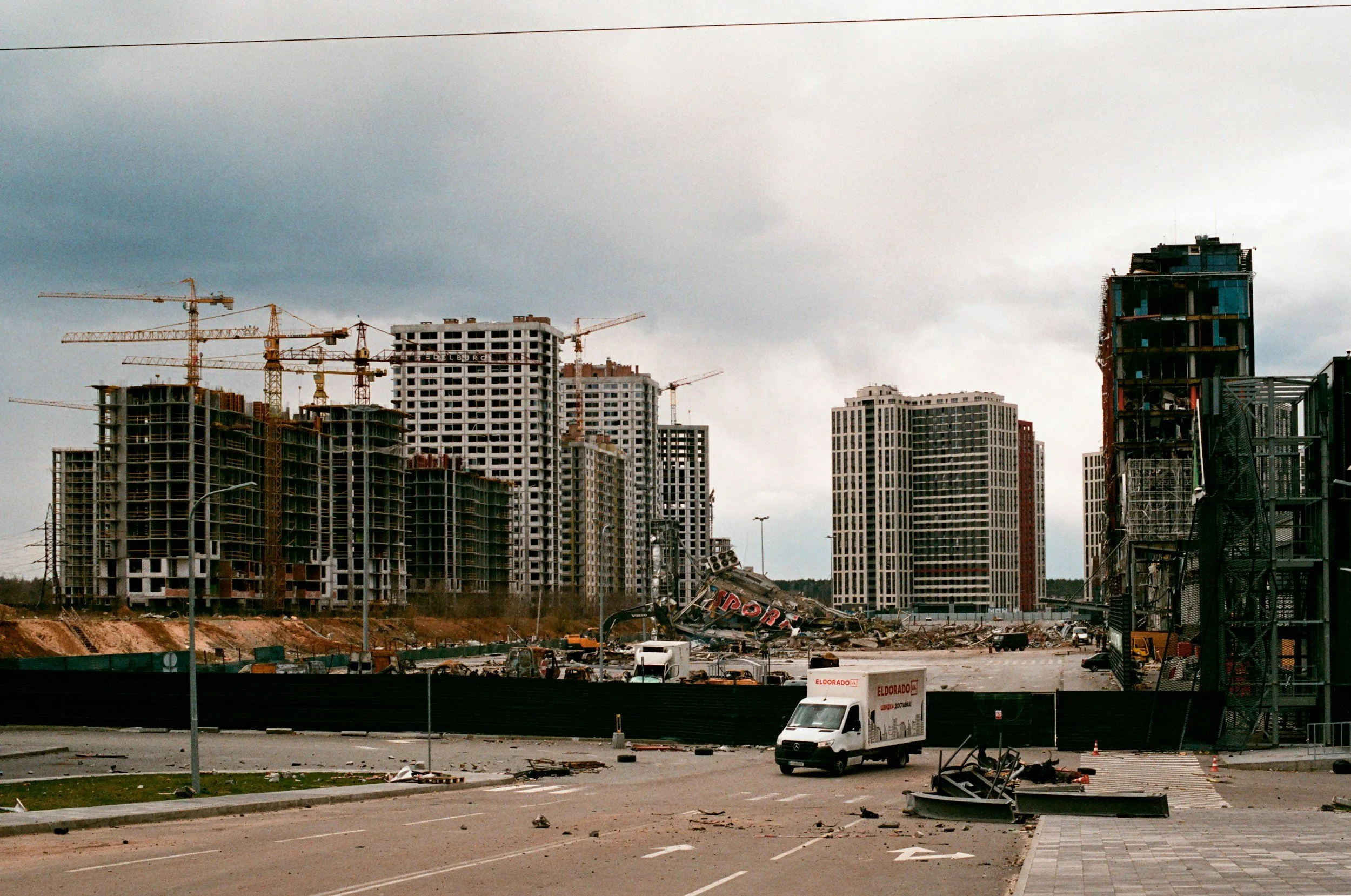
Four Years of Destruction: The War in Ukraine’s Development and Unlikely End

February 24, 2026 commemorated the fourth anniversary of Russia’s war of aggression against Ukraine. Europe’s largest and bloodiest conflict since World War II now continues into another grueling year with no peace in sight, as Ukraine’s President Zelenskyy accuses Russia of “dragging out negotiations” in Geneva. As of early March 2026, Ukraine and Russia have stepped away from the latest round of U.S.-mediated peace talks without a conclusive breakthrough. In considering this most recent anniversary, one can’t help but wonder whether Russian President Vladimir Putin expected to be in this position, and all signs point to no.

Read More
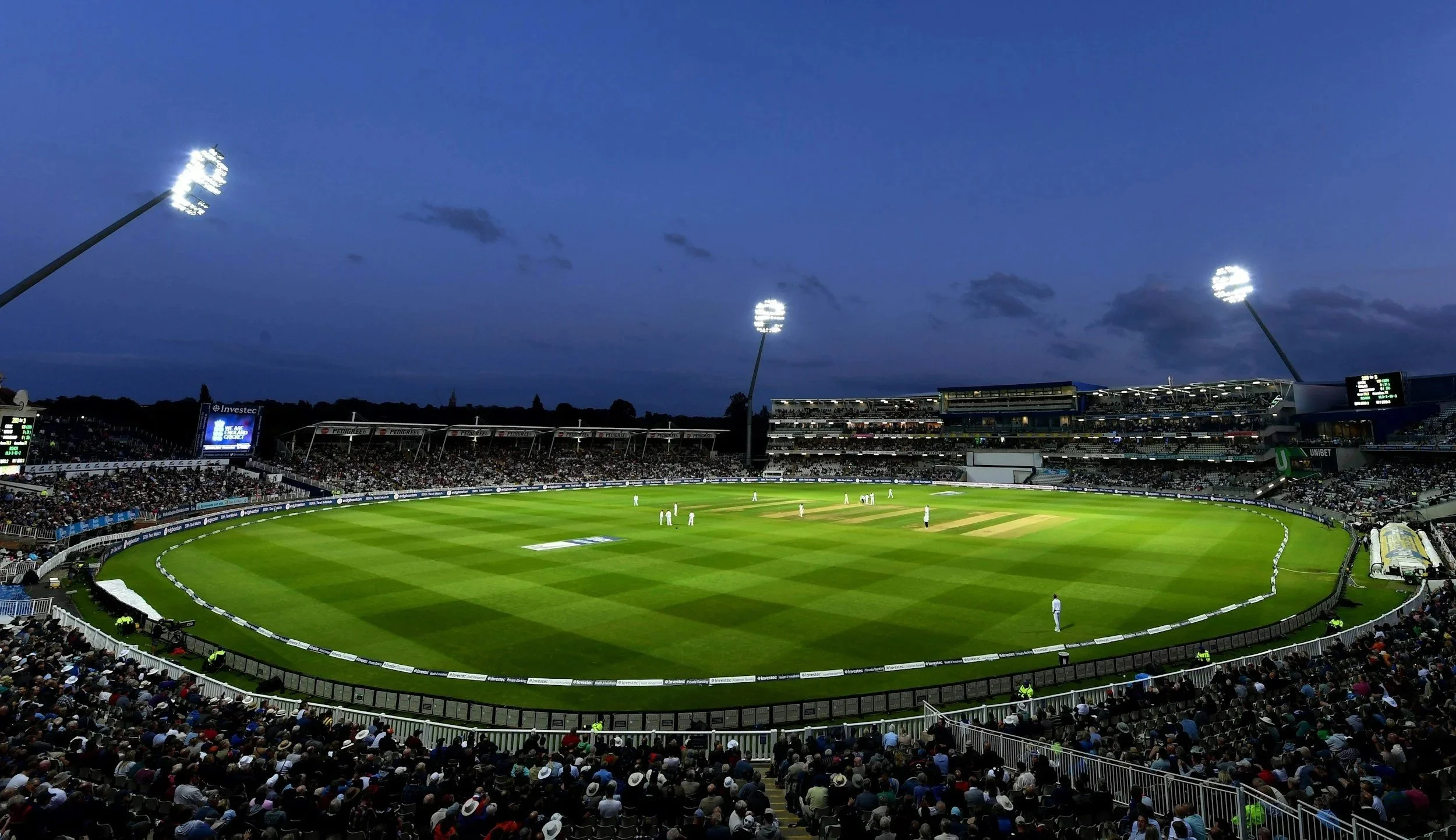
Cricket Diplomacy: The Modern-Day Battlefield

Cricket Diplomacy, once a metaphorical olive branch, has grown to become a physical manifestation of geopolitical fractures in South Asia. The 2026 ICC Men’s T20 Cricket World Cup demonstrates how sports stadiums become extensions of political conflict. Decisions surrounding player safety, match boycotts, and tournament logistics, revealed that Cricket is no longer just a game.

Read More
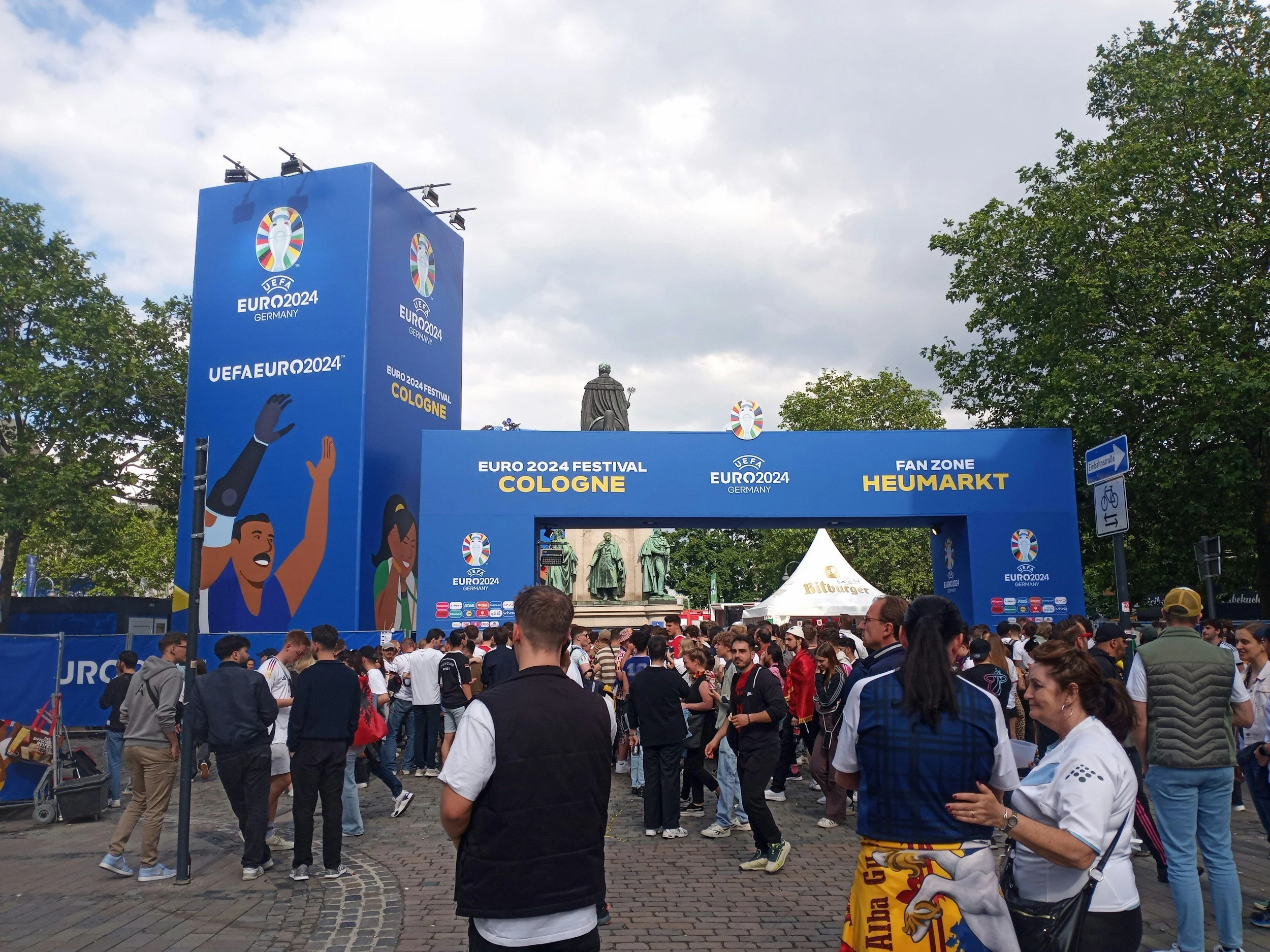
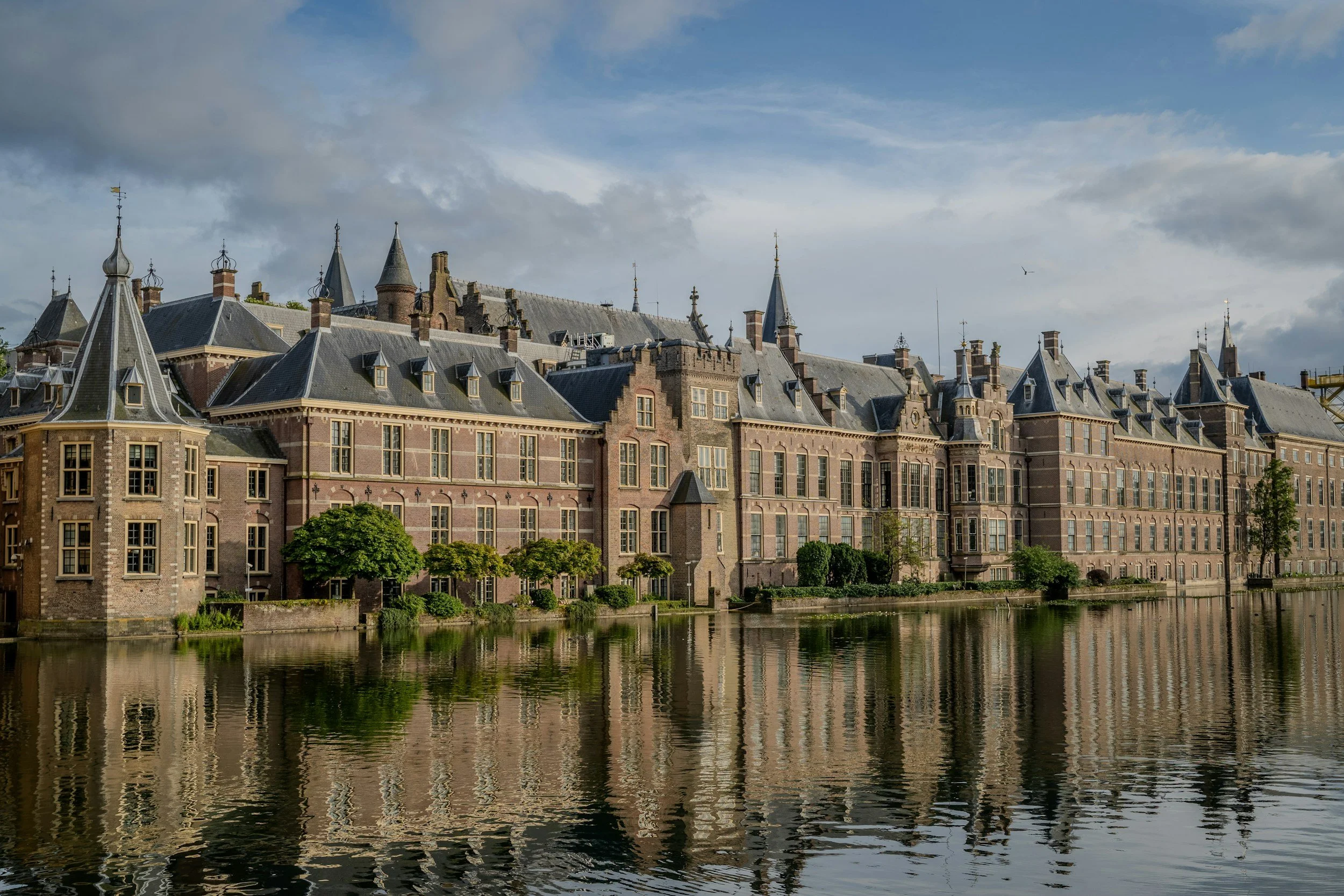
D66 Won. The Far-Right Didn't Lose.

As centrist parties across Europe scramble to counter the far-right surge, the Netherlands offers a rare electoral victory for the center-left. But while Rob Jetten and Democrats 66 narrowly defeated Geert Wilders' Freedom Party, the far-right bloc in parliament quietly grew, raising questions about what it actually means to beat populism.

Read More
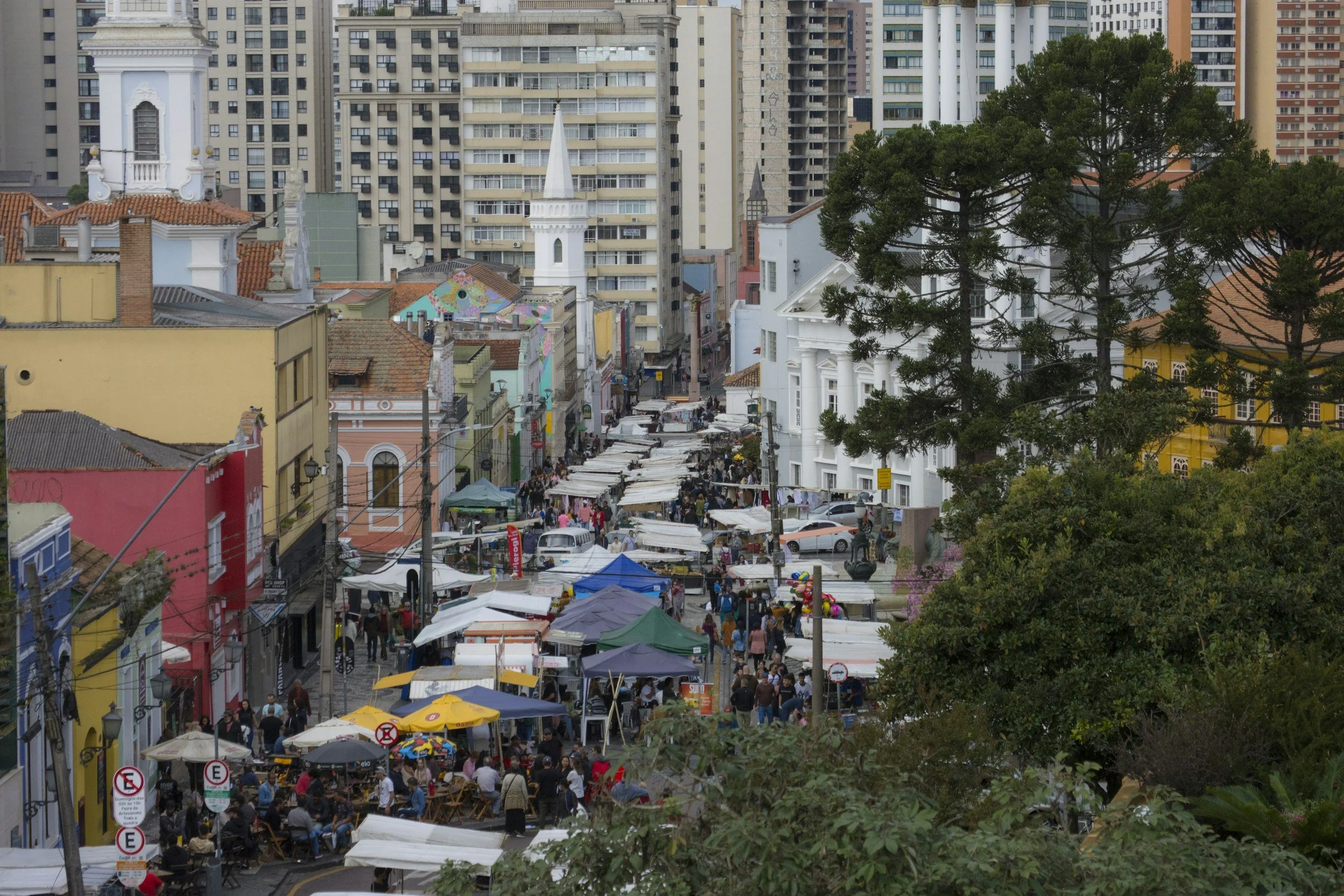
Internal Tensions Run Rampant Amid Raids in Brazil’s Favelas

Following violent police raids on two of Rio de Janeiro’s northern favelas, the Penha and Alemao Complexes, there have been sharp criticisms of the city’s governing authorities. The raids, now known as Operation Containment, are the country’s deadliest in history with an estimated death toll of 122. Interestingly, disagreement among the national and state governments is a salient feature of the raids, as the two forces carry out legislative action independent from one another. Aside from prominent gangs that orchestrate criminal activity in the area, this article seeks to highlight the harmful nature of generalizations frequently made about the inhabitants of Brazil’s favelas.

Read More
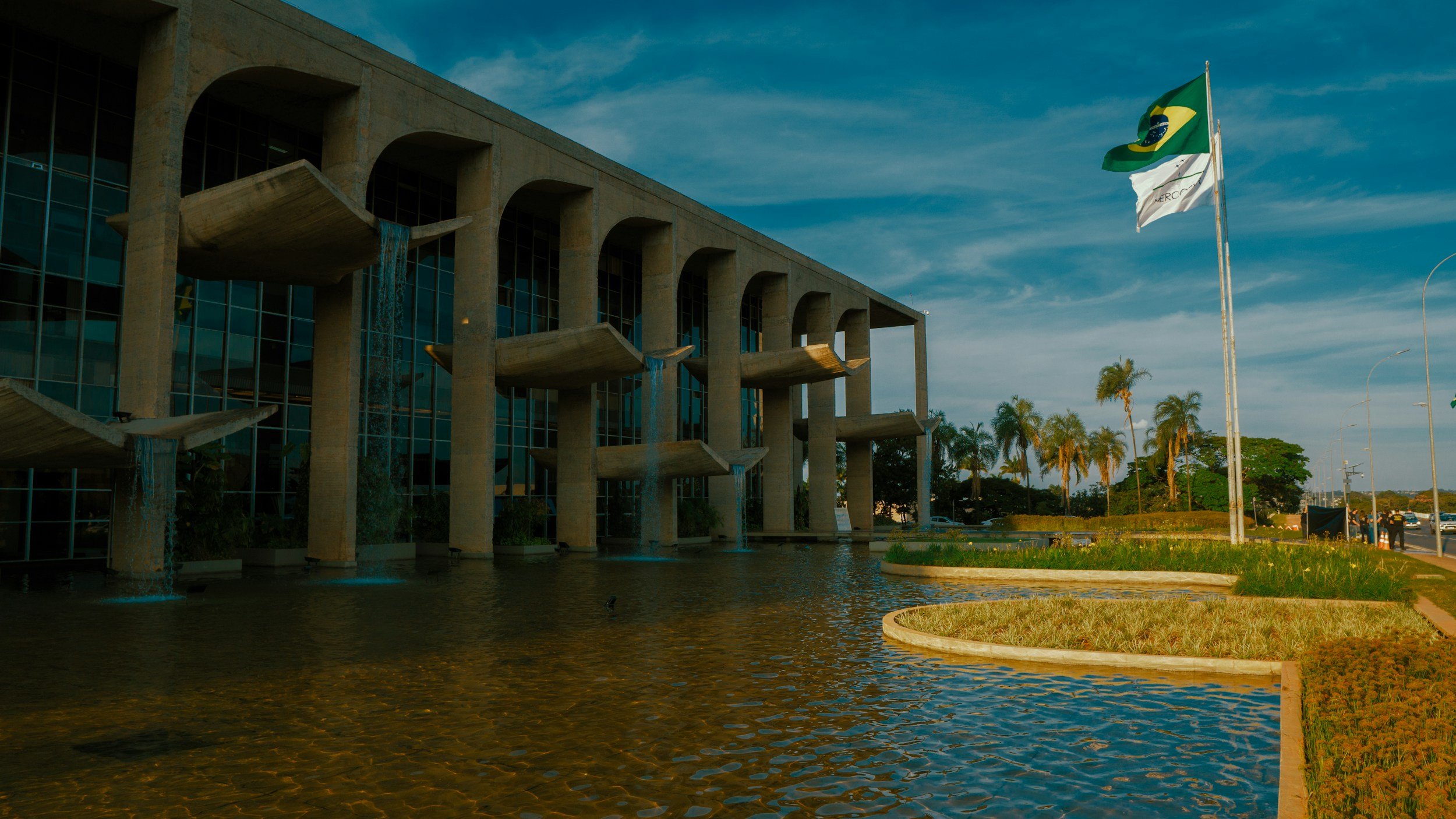
Safe Haven in the South: Brazil’s Refugee Policy and Response to Venezuelan Migration

Today, over 100 million people are forcibly displaced. In the last six years, the number of asylum seekers has doubled, totaling 8.4 million by the end of 2025. Of these, Venezuelans make up the biggest number of asylum seekers, totaling 6.5 million. Brazil has emerged in the region as a key leader in refugee resettlement, welcoming many under its 1997 Refugee Law and federal program, Operação Acolhida. Yet, even with these legal protections in place, many Venezuelan refugees continue to face barriers in employment, language services and healthcare, revealing that much work still remains.

Read More
Global powers and Global Shifts: An Ongoing Telenovela

In a world increasingly defined by superpower rivalry, Latin America is no longer content playing the supporting role. Drawing on the drama and self-discovery of the classic telenovela, this piece reframes the evolution from the Non-Aligned Movement to today’s doctrine of active non-alignment as a story of autonomy, identity, and strategic reinvention. As global power shifts toward blocs like BRICS and leaders such as Luiz Inácio Lula da Silva pursue diplomatic flexibility amid rising tensions, Latin America is redefining its place in the international order, and this time, it is not as a pawn in great-power competition, but an author of its own script.

Read More
Measuring What Matters: Bhutan and the Politics of Happiness

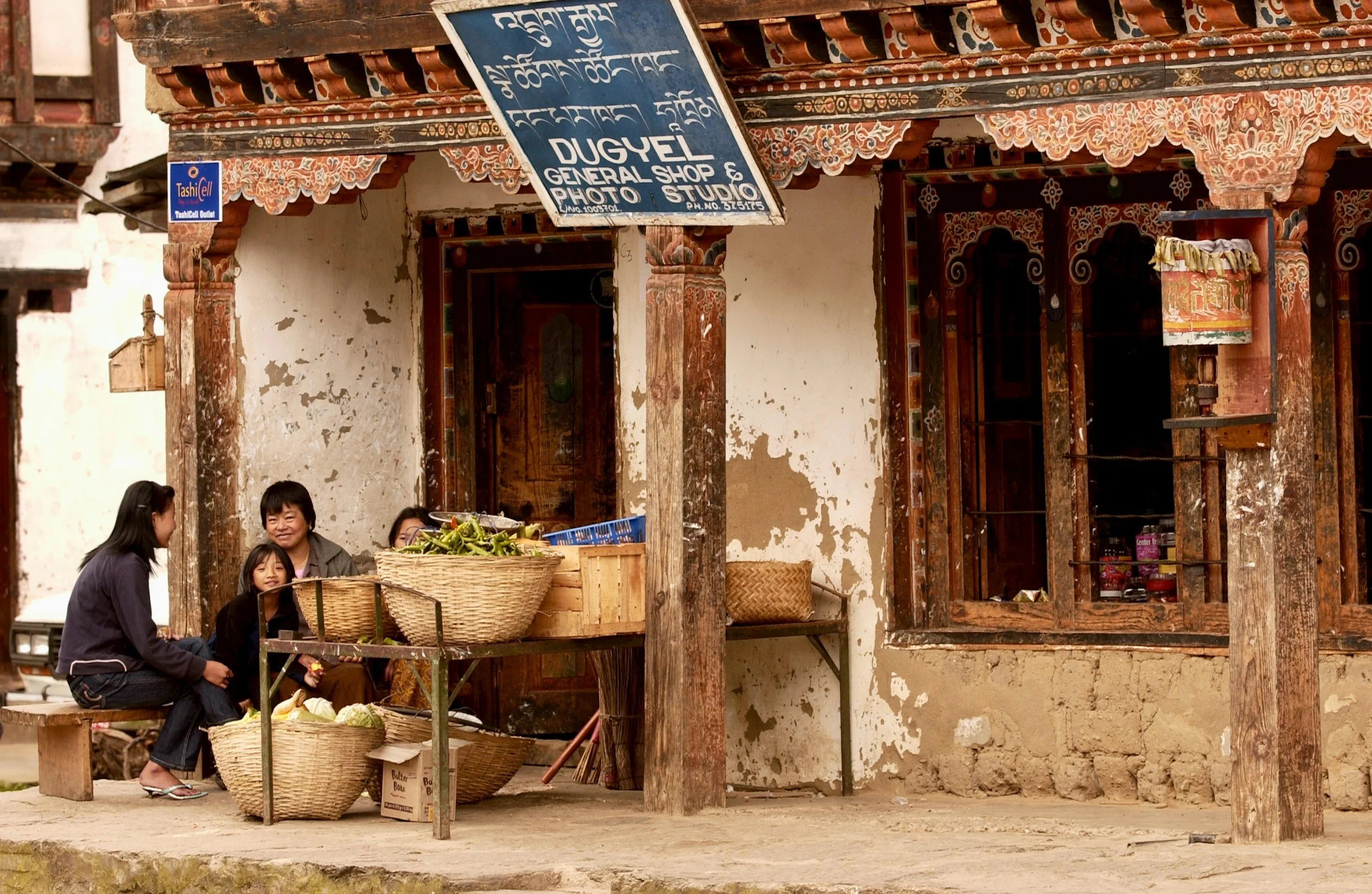
What if national success were measured not in dollars or military strength, but in the well-being of ordinary people? High in the Himalayas, Bhutan has built its governance model around Gross National Happiness, embedding psychological health, cultural preservation, and environmental stewardship into public policy. In doing so, the small kingdom has transformed happiness from a philosophical ideal into a measurable political framework—quietly challenging the global dominance of GDP and redefining what power can look like in the modern world.

Read More
Deception and Exploitation in Russia’s Search for Soldiers

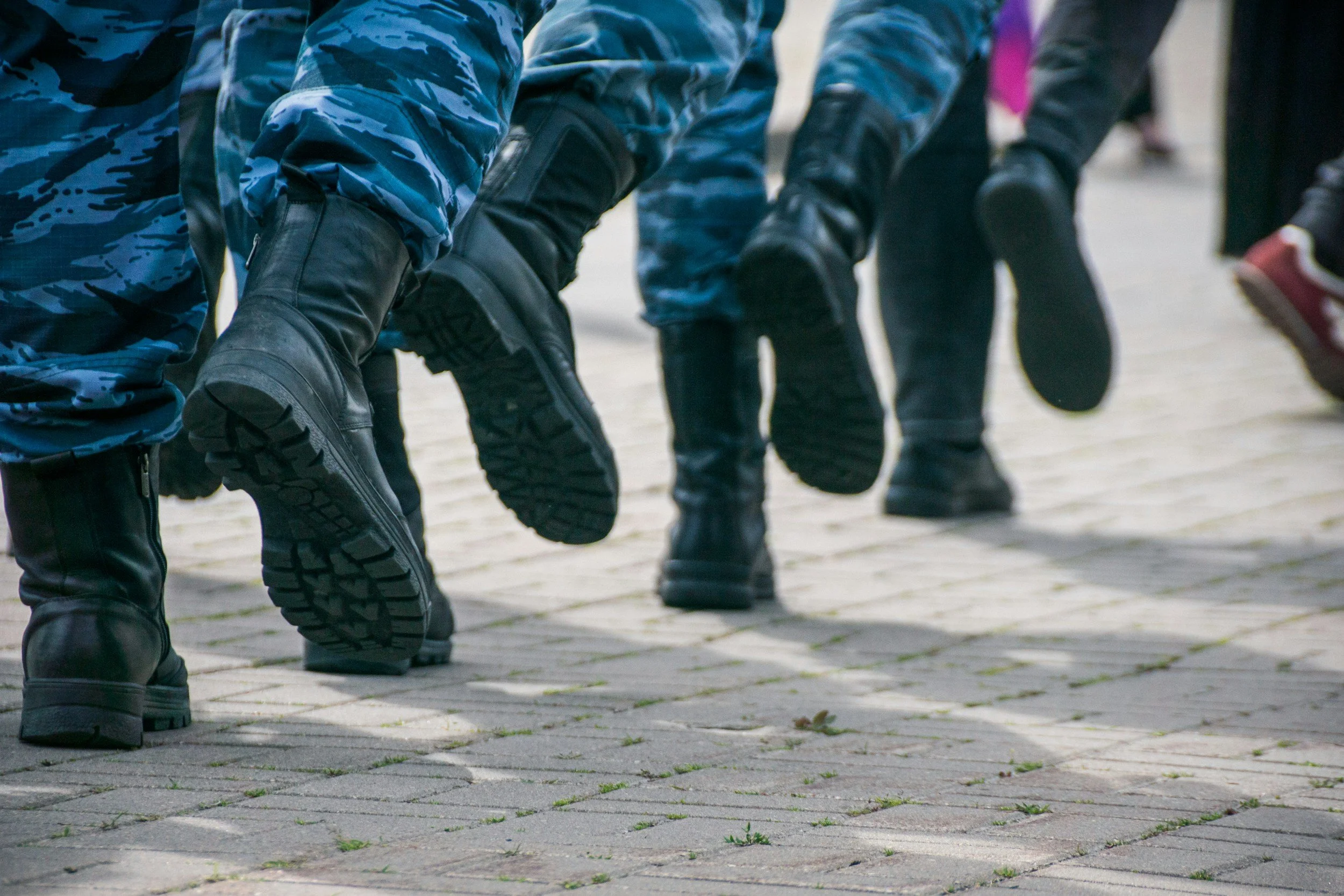
As the Russia-Ukraine conflict continues into its fourth year, high casualty rates and low enlistment numbers have forced the Kremlin to turn to alternate methods of recruitment– namely, the conscription of foreigners. Kenya in particular has taken issue with the enlistment of its nationals into the Russian military, accusing Russian recruiters of employing illegal recruitment tactics that constitute human trafficking. Whether or not such allegations are entirely accurate remains uncertain, although emerging intelligence reports suggest that many Kenyans were enlisted into the Russian war effort under questionable circumstances. 

Read More
Leading From the Shadows: The Increasing Influence of the Korean Unification Church

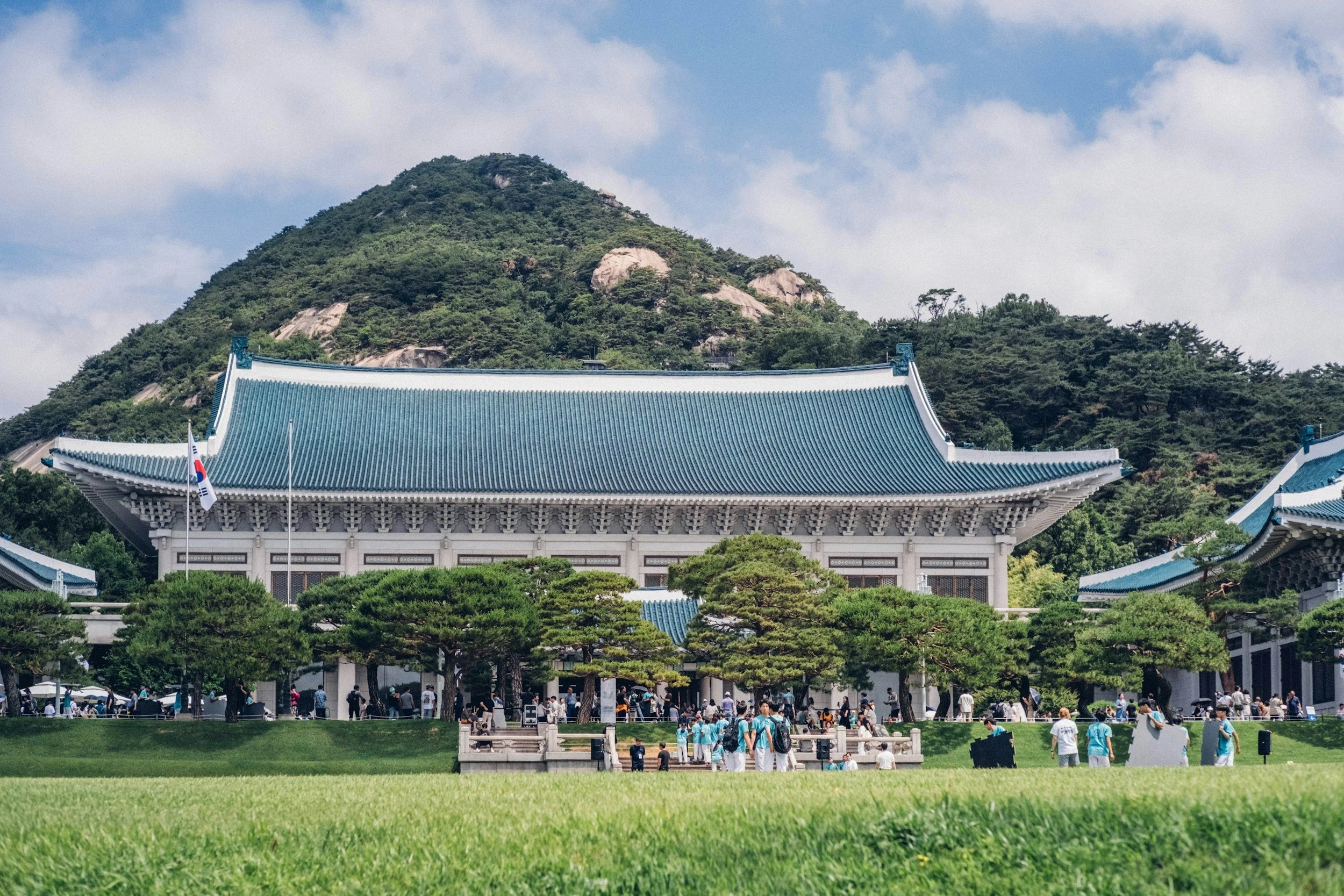
The increasing influence of the Unification Church became highly visible following intense criticism and allegations of corruption from the South Korean and Japanese governments. As more is discovered in the investigations, the broad reach the church holds across the world grows clearer.

Read More
Power Projection in the Dark: Iran’s Status Anxiety and Digital Repression

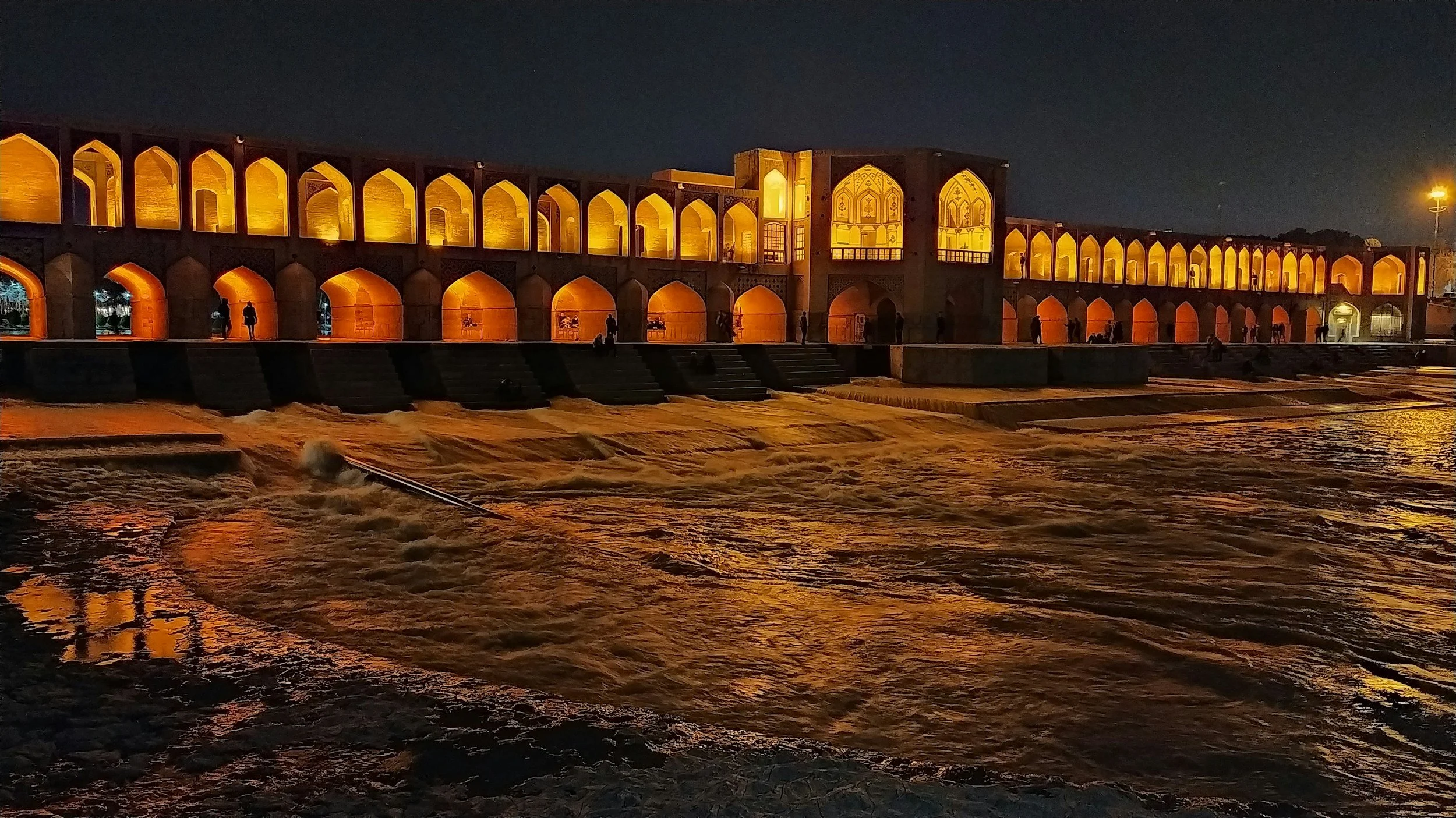
As Iran faces its largest wave of protests in years, the government has responded with deadly repression and a sweeping internet blackout. Beyond domestic control, these actions reflect a deeper status anxiety: an effort to project strength and legitimacy at home and abroad, even at significant economic and political cost.

Read More
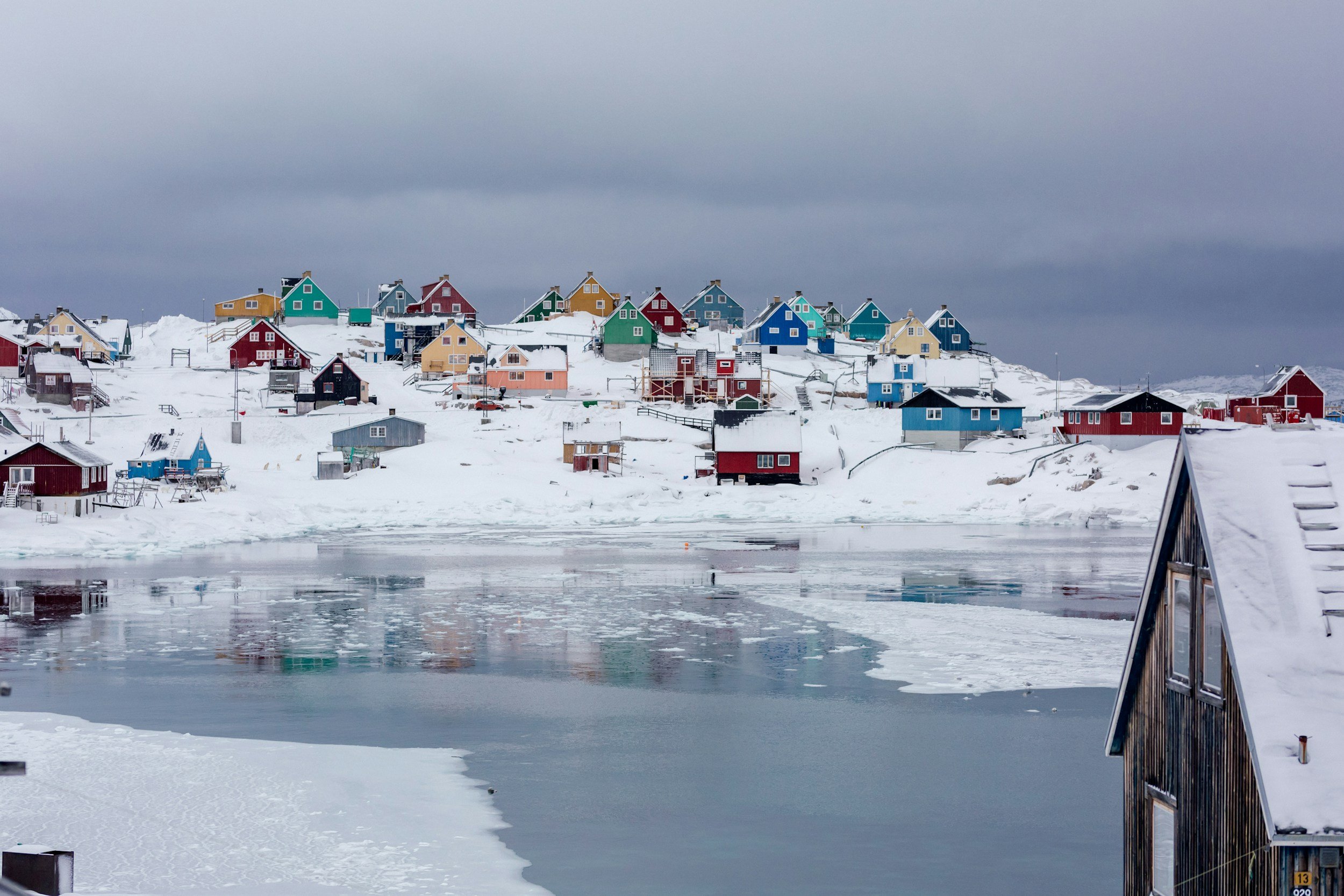
The United States of Europe: Why Greenland is a Wake-Up Call for European Federalization

Why has Europe demonstrated a splintered foreign policy response to the Greenland crisis despite its supposed cohesion as the European Union? This article examines how Trump exploits structural EU weaknesses and argues that Europe must federalize to contend with contemporary threats from superpowers like the United States.

Read More