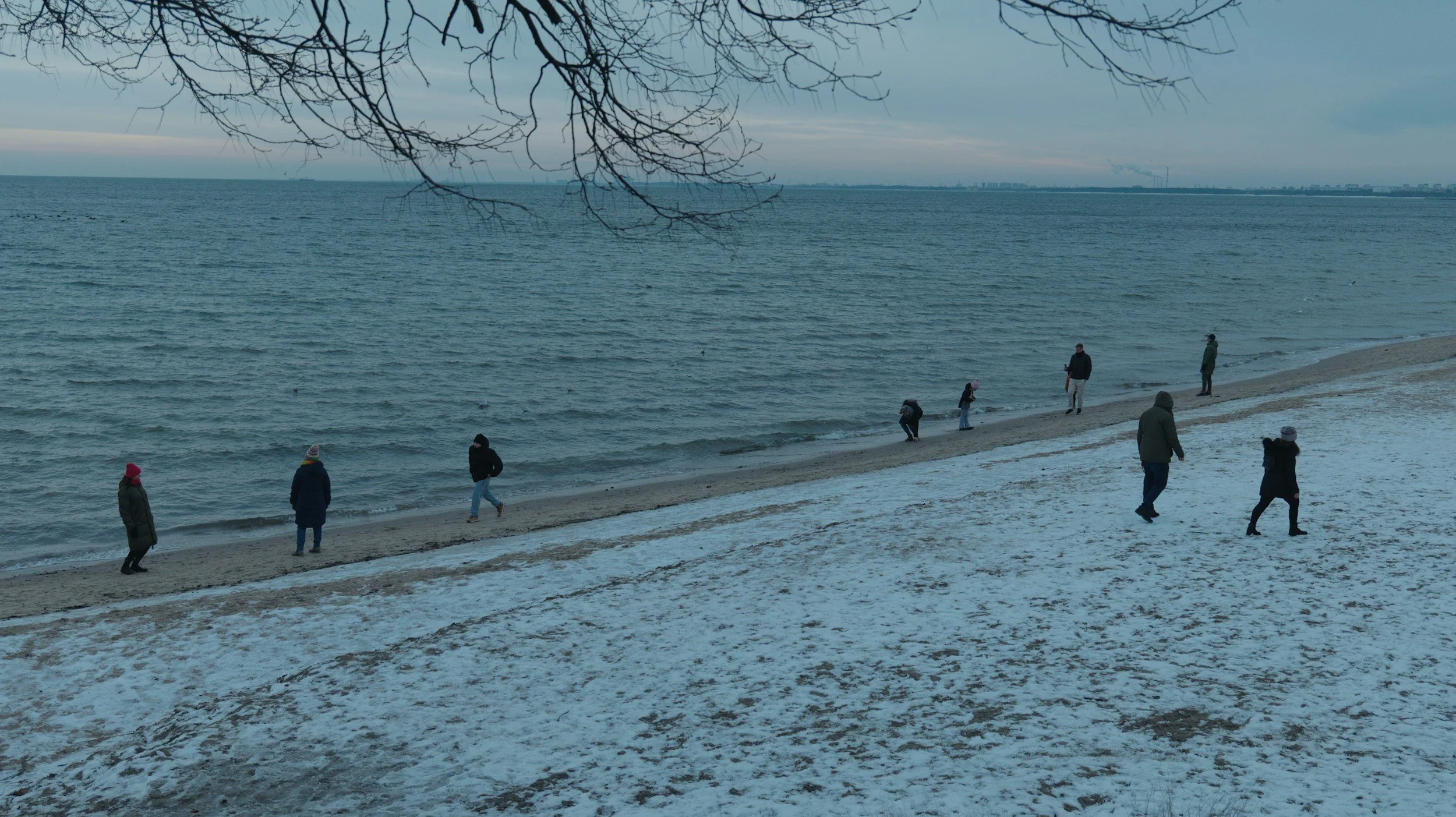
Although Japan’s imperial expansion concluded at the end of World War II, its colonial legacy continues to fuel regional instability. Critically, unresolved disputes between Japan, Korea, China, and Taiwan over the Takeshima and Senkaku islands remain at a stalemate. Rooted in Japan’s annexation of the islands in the late 1890s to 1910s, the legal conflict over rightful ownership has evolved from territorial disagreements into significant threats to regional security.
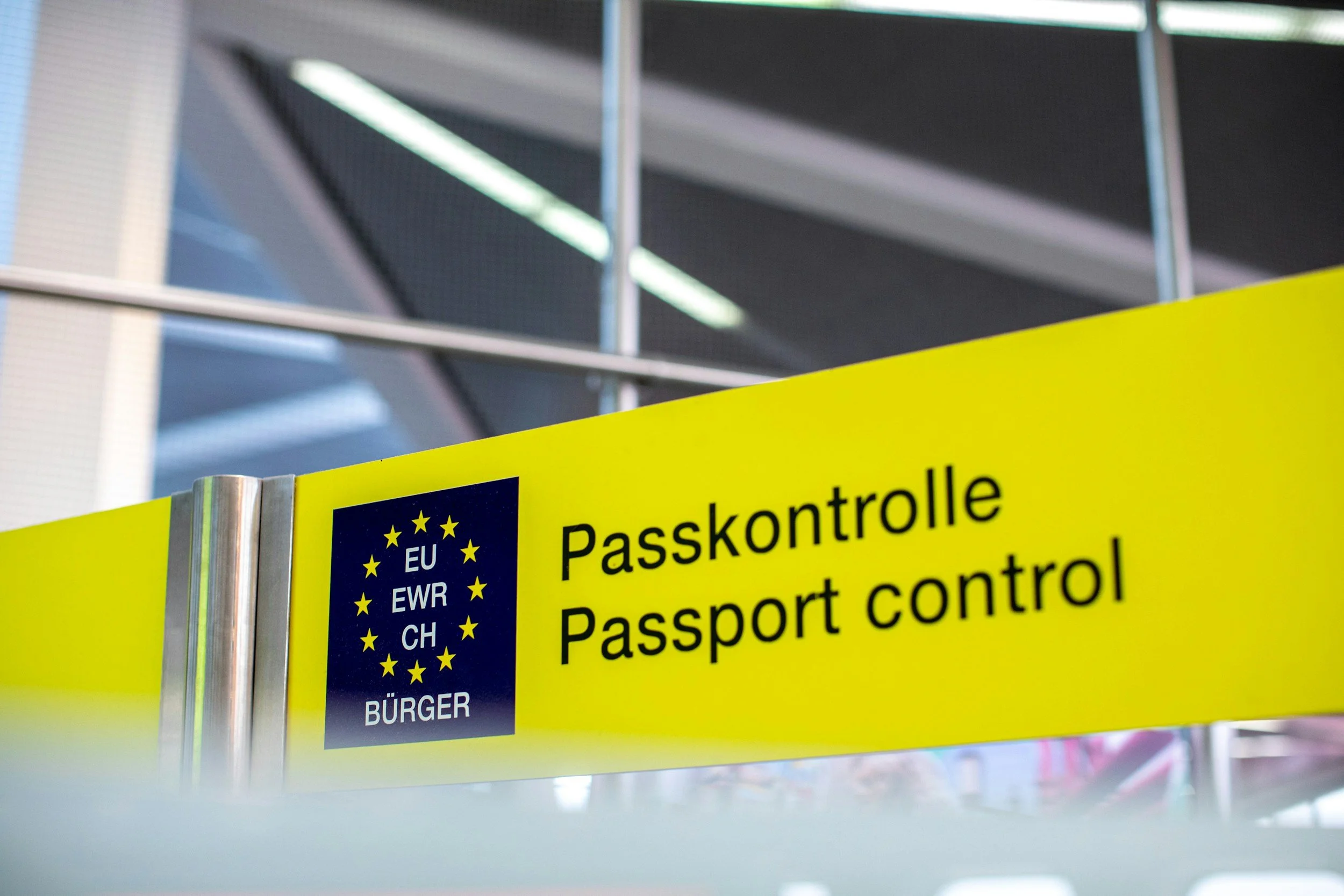
Read MoreFrom Germany to Italy to Poland, anti-immigration rhetoric has reshaped Europe’s political mainstream. As far-right parties capitalize on institutional weaknesses in the EU’s asylum system, migration has become both a policy failure and a political weapon. The question now is not whether Europe will reform its migration framework, but whether it will do so without abandoning its humanitarian foundations.
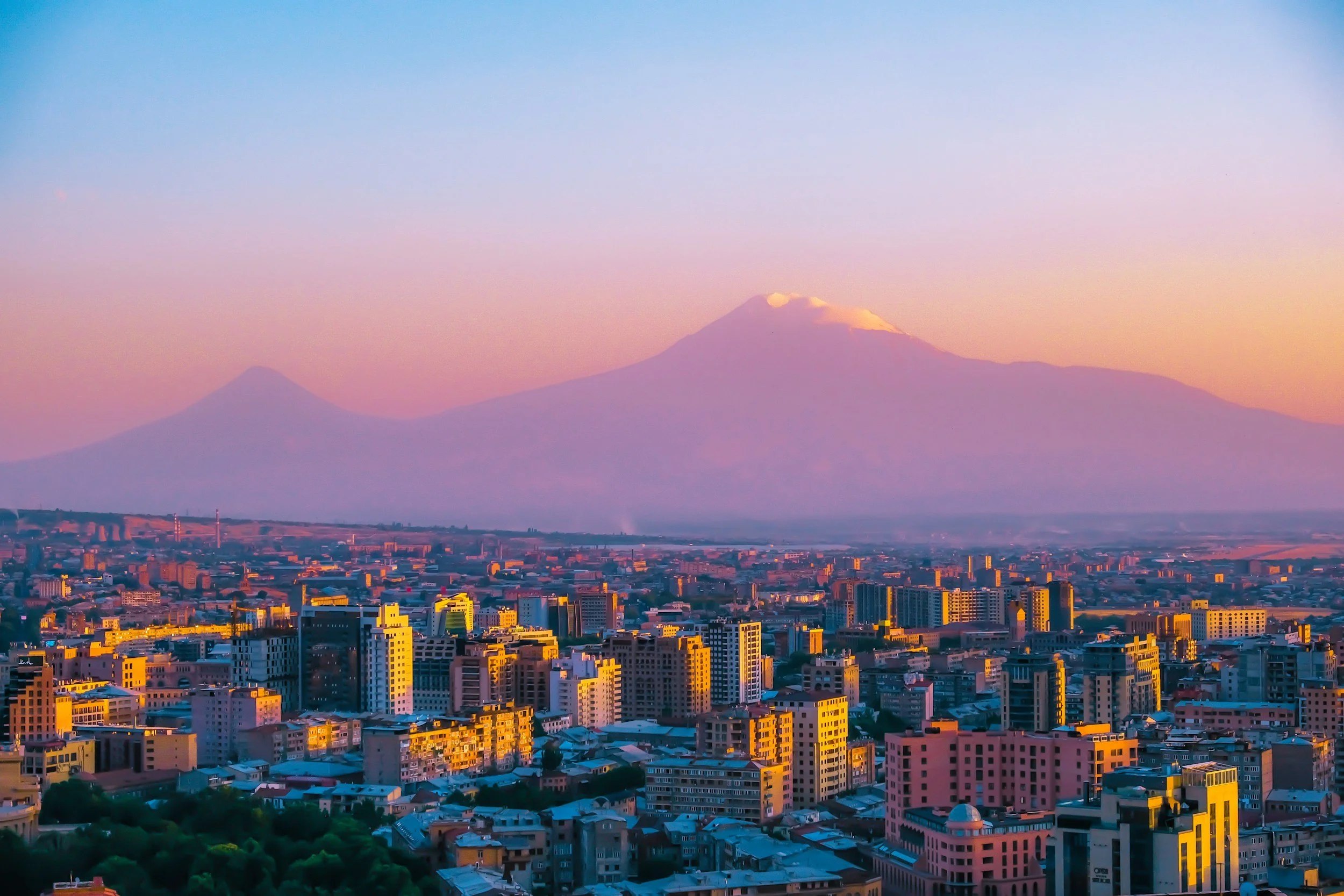
Read MoreU.S. involvement in the South Caucasus has slowly and gradually intensified after the collapse of the Soviet Union in 1991, when the newly independent states became strategically important due to their location between the significant energy resources in Russia, Iran, and Türkiye. The region is referred to as the Middle Corridor, and one that could become critical as a way to circumvent Russia in overland trade with Asia.
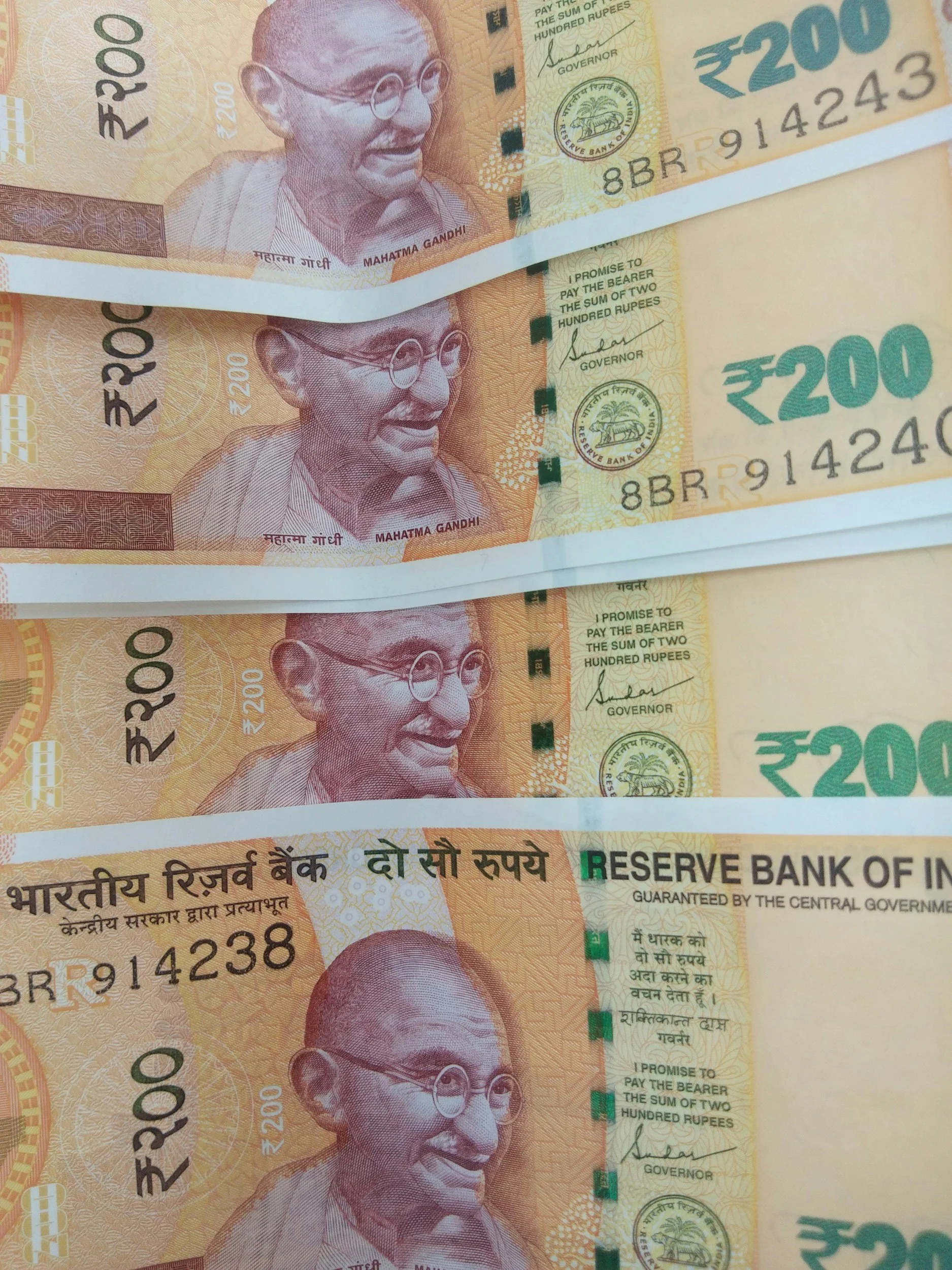
Read MoreAfter nearly two decades of negotiations, India and the EU have finalized their landmark Free Trade Agreement, designed to deepen economic and strategic ties. Expected to slash tariffs by 99 percent on both sides, this FTA also strengthens cooperation in defense, cybersecurity, and maritime security, reducing India’s dependence on the U.S., Russia, and China. Positioning both parties as counterweights to growing Chinese regional influence, the FTA can reshape Asia’s trade landscape and set a new framework for emerging markets.
Read MoreThe article explores the relationship between music and politics through a Latin American lens, examining how music and dance have become powerful tools of resistance in the Colombian political landscape. Through the Colombian historical period of “La Violencia” to tax reforms and social changes, Colombian politics have inspired several works of music, such as salsa lyrics denouncing class-based racism by Joe Arroyo. In response to political movements, including former President Ivan Duque’s reforms in 2021, the article highlights how mass demonstrations can be reflected through a collective lyrical shout of resistance and through the mass movement of musical beats and rhythm. Music in Colombia reveals the way communities transform rhythm into protest and how the country establishes a powerful identity founded on political dialogue, and resistance.
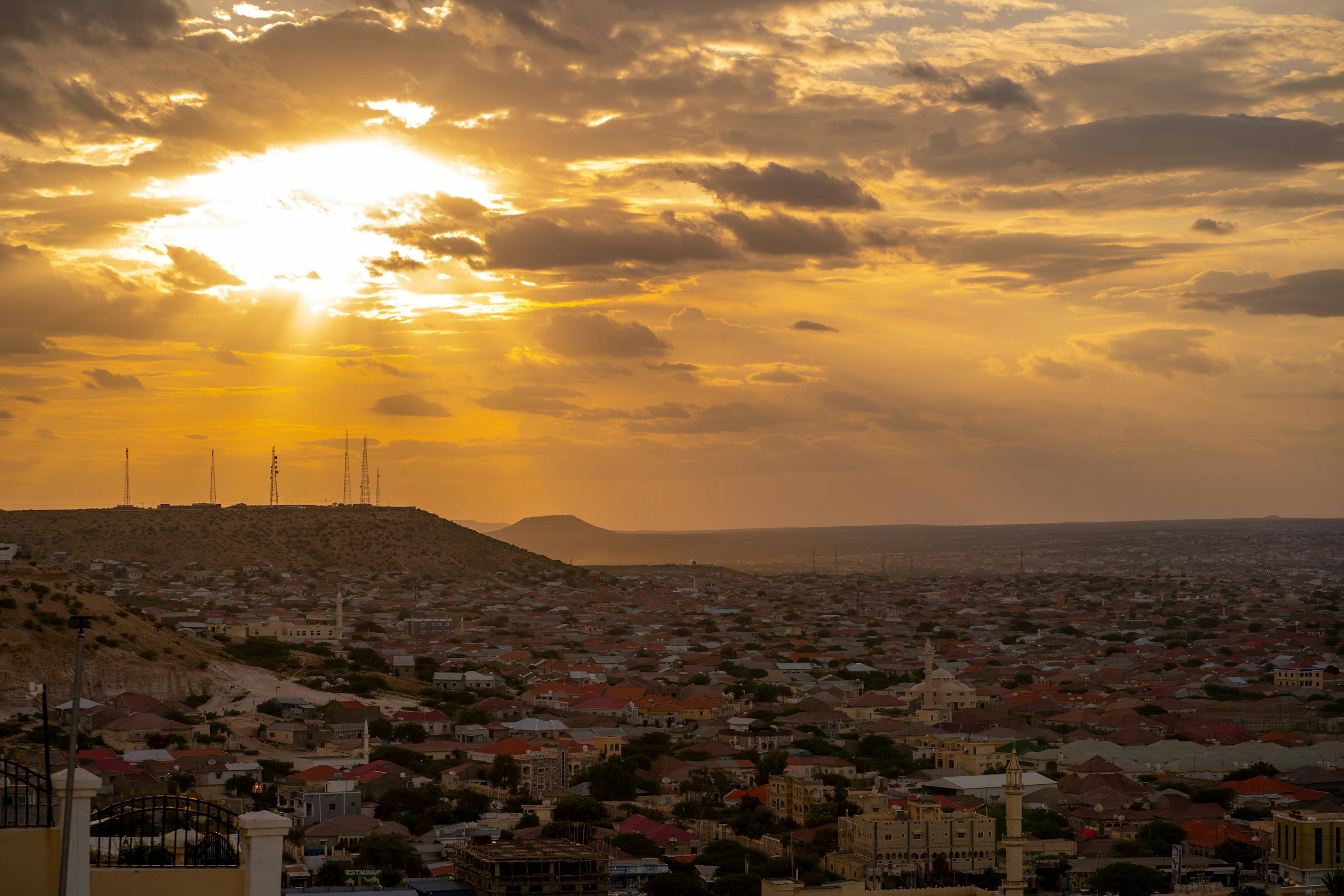
Read MoreIsrael’s recent diplomatic recognition of Somaliland, a de facto state operating within greater Somalia, marks a turning point in the territory’s long pursuit of sovereignty. Although Israel claims that this move was made in support of Somaliland’s right to self-determination, analysts suggest that there are deeper motivations at play, including Israeli strategic interests in the Red Sea region. Still, whether this move was based on principle or strategy, it represents a significant step toward the possibility of an independent Somaliland.
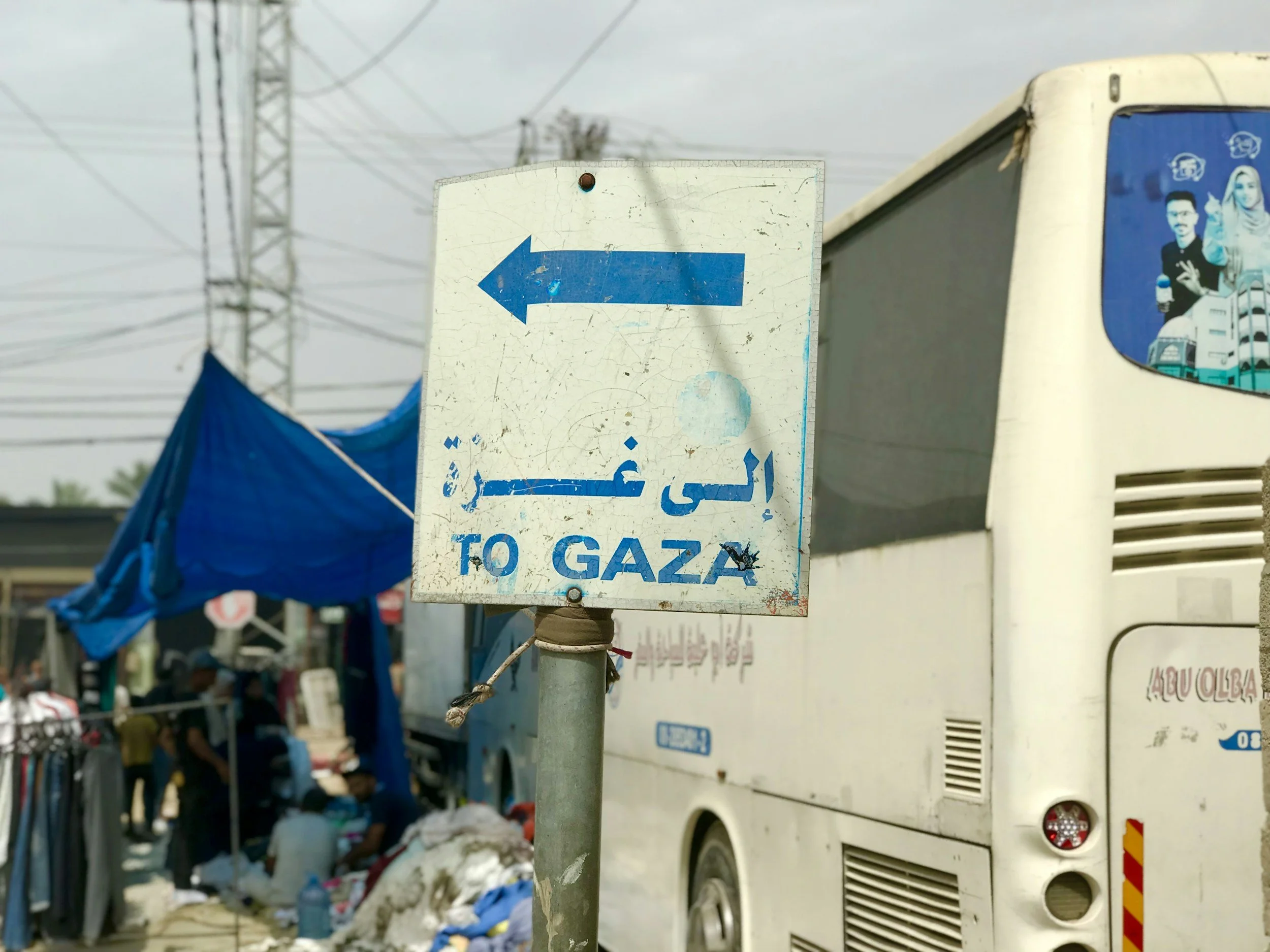
Read MoreGaza’s Board of Peace, a joint multilateral unity of nations to secure peace and reconstruction in Gaza, is considered a betrayal by citizens of Middle Eastern and Muslim countries, because it is seen as an extension of neo-colonialism, granting President Trump sweeping powers, and limiting Palestinian participation and right to self-determination.
Read MoreAs much of Europe and the West moves toward restrictive migration policies, Spain is charting a different course, granting legal status to hundreds of thousands migrants. This approach highlights a widening ideological divide over immigration policy across the West and carries significant implications for the future of transatlantic alliances.
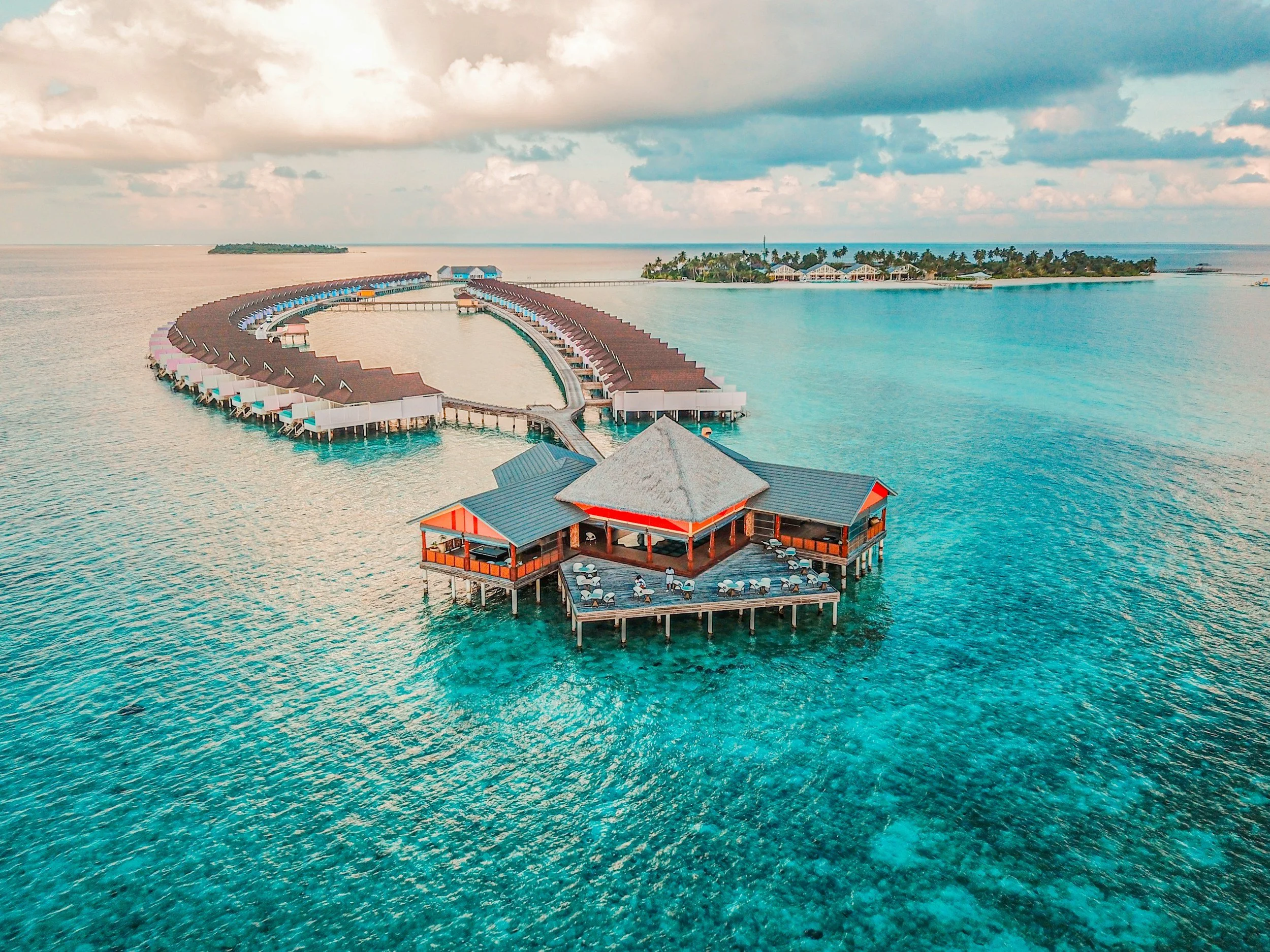
Read MoreFrom turquoise lagoons to luxury resorts, the Maldives has long sold an image of untouched paradise. Yet rising seas, mounting debt, and global power imbalances now threaten the nation’s survival. Climate change reshapes coastlines and communities alike, while dependence on foreign investment and tourism forces difficult trade-offs. A nation celebrated for its beauty must now confront difficult choices about who controls its future and how it will endure.
Read MoreOn January 29, 2026, President Trump issued an executive order effectively blocking Cuba from acquiring oil imports. This decision has drawn in multiple international actors, namely the governments of Mexico and Venezuela, Cuba’s other two major oil suppliers. Mexican and Venezuelan presidents, Scheinbaum and Rodriguez respectively, grapple with whether to take a decisive stance against what many deem superfluous, U.S. intervention in the region is wise or catastrophic to more than just economic relations.
Read MoreIntense flooding, rain and drought, worsened by climate change, have severely impacted Mozambique's agricultural and trade industries. Economic recovery is possible, but will be difficult without worldwide action.
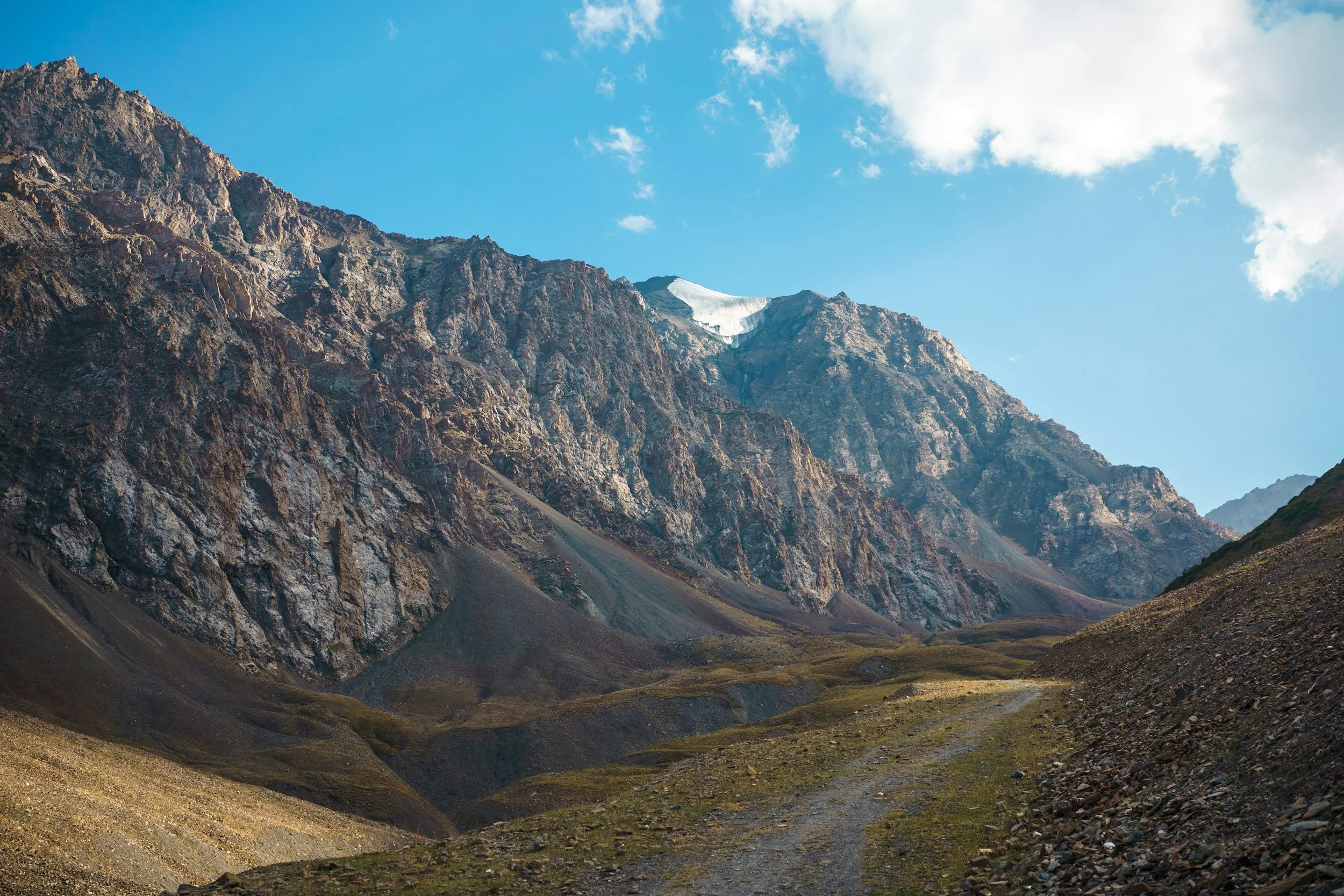
Read MoreSince the collapse of the Soviet Union, the Fergana Valley region – encompassing parts of Kyrgyzstan, Tajikistan, and Uzbekistan – has been plagued by recurring violence rooted in decades of undefined borders. Minor disagreements frequently escalate into full-scale territorial and ethnic clashes, and the absence of regional cooperation has long stalled peace efforts in the Fergana Valley. Yet in March of 2025, the three states signed a historic treaty, offering new hope of easing tensions in the valley.
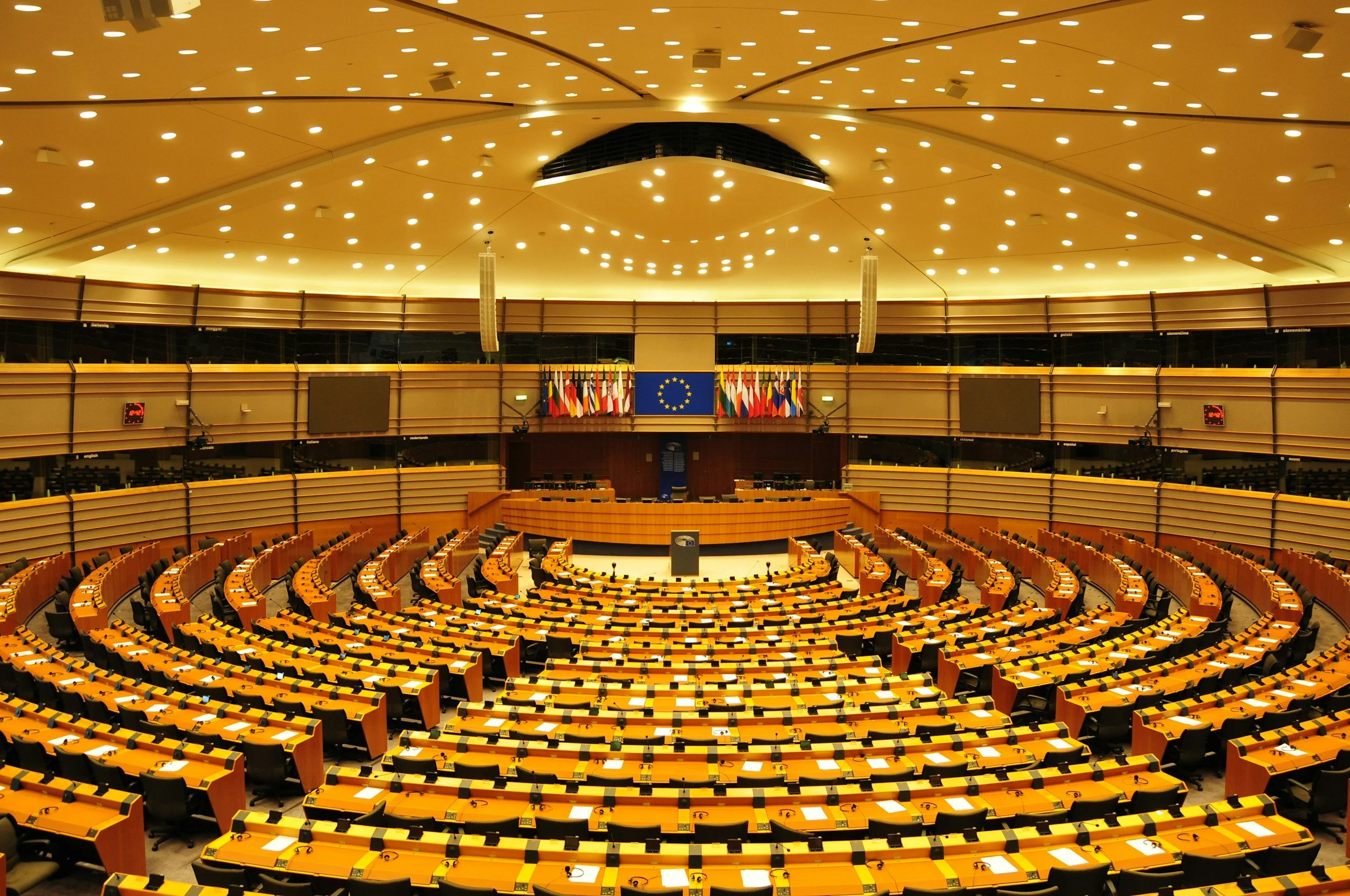
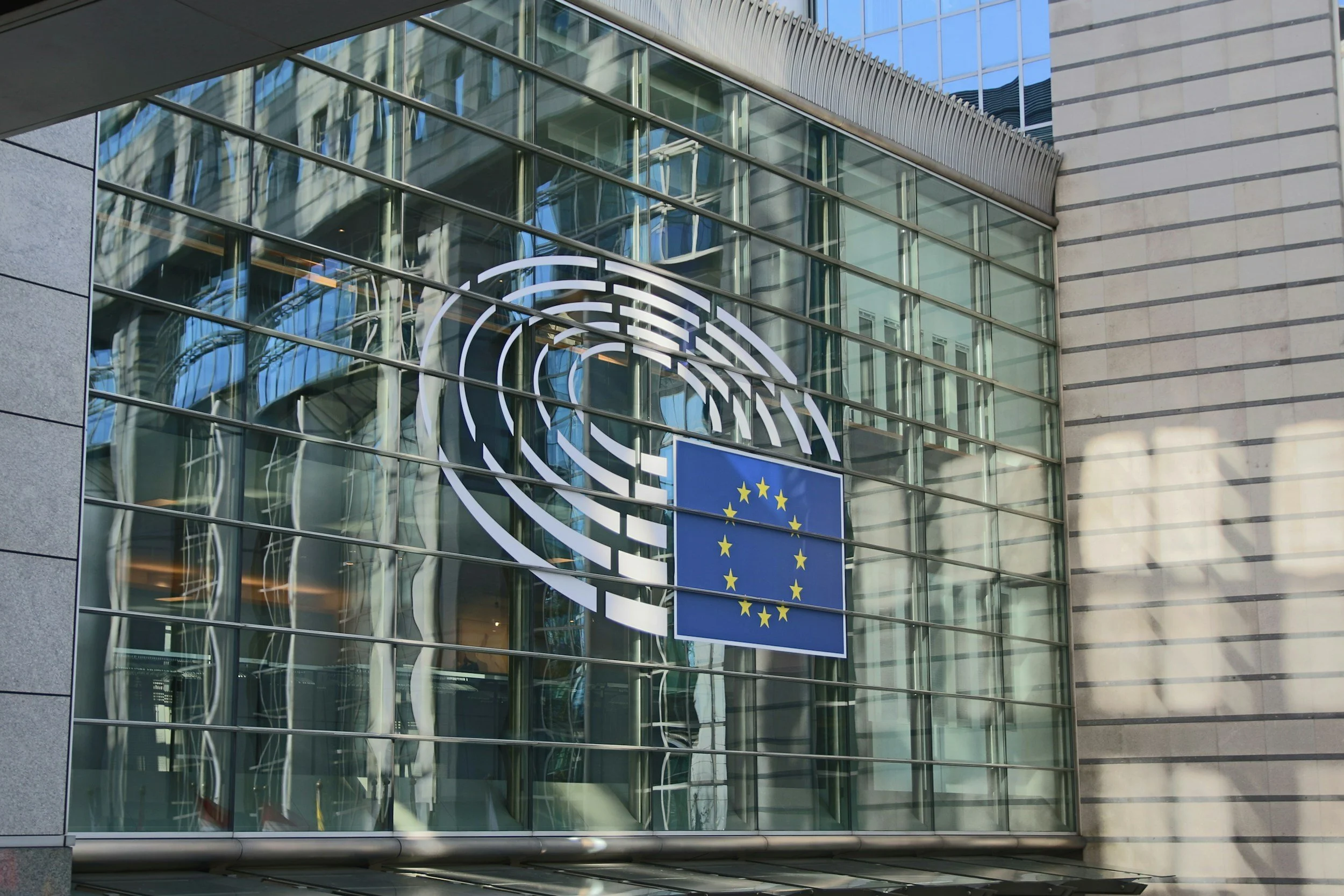
Read MoreAmid rising global instability, EU foreign policy has sought to defend the current rules-based world order, which protects the security of its member states. At the 80th UN General Assembly, EU leaders attempted to advance this objective by advocating for three key political priorities: supporting Ukraine, advancing climate commitments, and strengthening UN institutions. However, internal divisions due to domestic political changes risk complicating the EU’s ability to achieve these priorities.
Read MoreSouth Korea and Thailand are turning fashion into a diplomatic language– one spoken through K-pop runways, artisanal textiles, and global storytelling. South Korea’s state-driven, celebrity-powered machine broadcasts an image of sleek modernity, while Thailand’s heritage-rooted entrepreneurship transforms tradition into contemporary allure. Together, they reveal how fashion can rewrite stereotypes, cultivate national pride, and pull global audiences closer, one strategically crafted garment at a time.
Read MoreOn October 9, 2025, U.S. President Donald Trump and Treasury Secretary Scott Bessent, authorized a 20 billion-dollar currency swap with the Central Bank of the Argentine Republic. Economic instability in Argentina has been a consistent issue for decades, and proponents hope that the currency swap will bring stability to the Argentine peso while increasing investors’ confidence. Some call this currency swap a “bailout” to the Argentine government, whose president, Javier Milei, is a close ally of Trump. Is this currency swap a sign of continued and growing American interference in Latin America?
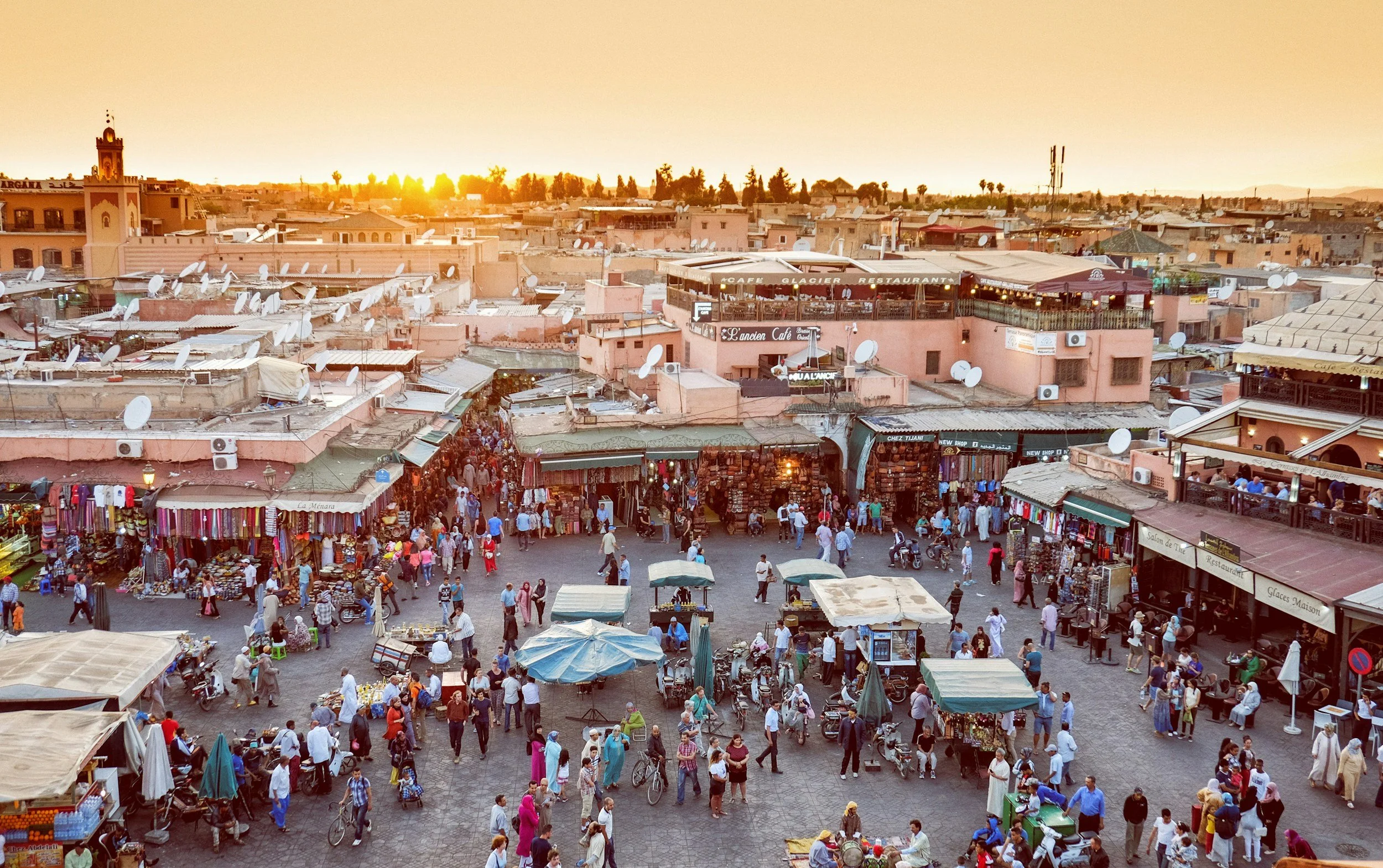
Read MoreMorocco’s postcard-perfect image is cracking, as thousands of young people, mobilized online, take to the streets, demanding “freedom, dignity, and justice.” Facing soaring youth unemployment, underfunded education and healthcare, and accusations of government corruption, protesters call for reform and accountability. Their movements reflect a rising wave of Gen-Z led uprisings across the globe, fueled by frustration and social media organized unity.
Read MoreThe Enlargement Package Report represents both recognition and restraint from the EU in terms of Ukraine. It acknowledges Ukraine’s extraordinary progress under extreme duress, but warns that membership will still require years of sustained reform from the country. Ukraine’s government continues to insist that reforms are advancing as quickly as wartime conditions allow. As Brussels debates the mechanics of accession, the larger question may not be if Ukraine joins the EU, but how and when Europe can adapt itself to welcome a member forged through war and resilience.
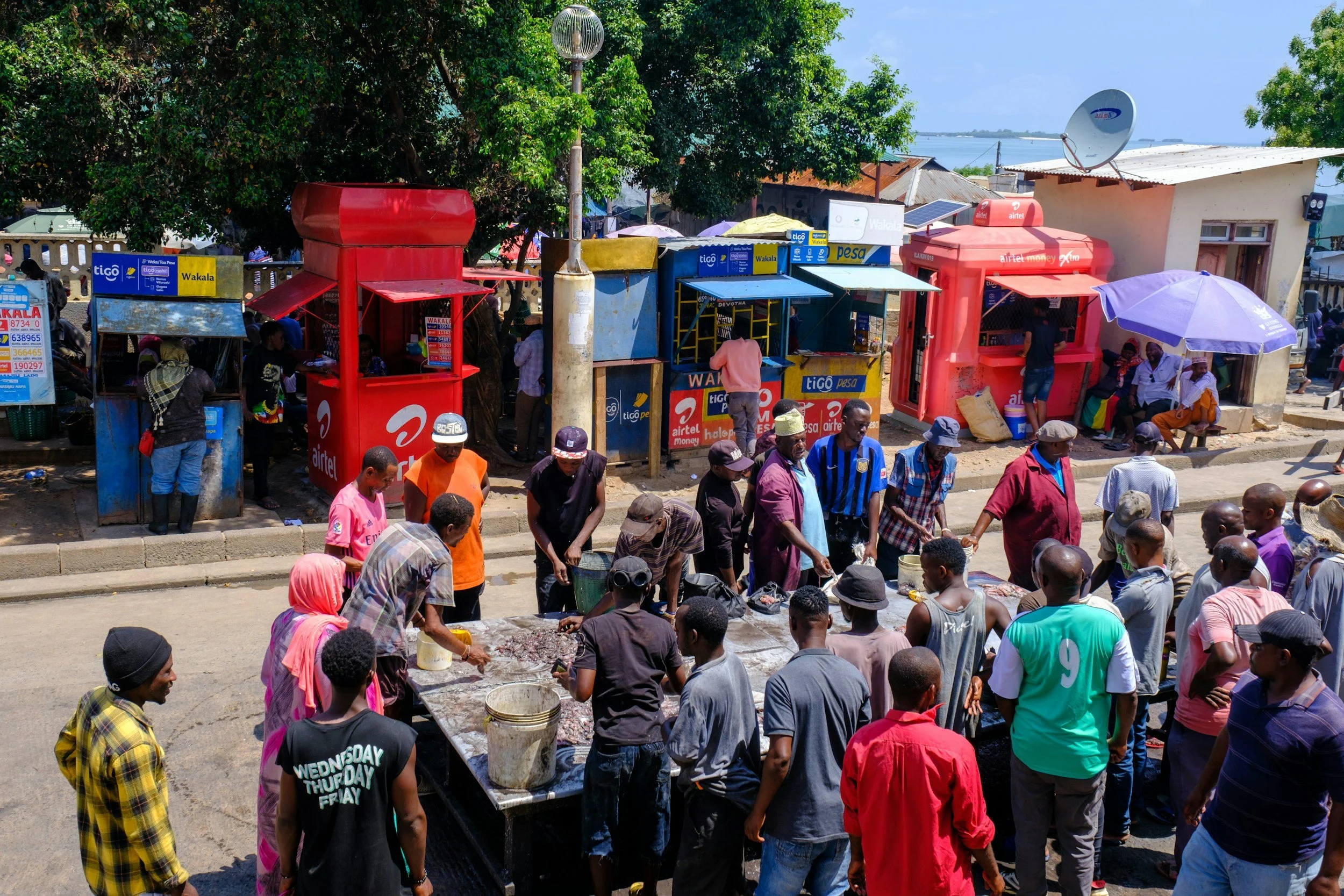
Read MoreWidespread protests have thrust the East African nation of 70 million people into chaos. Outrage emerged in the wake of President Samia Suluhu Hassan’s massive electoral victory and amid allegations of corruption and repression of opposing political parties and their leaders.
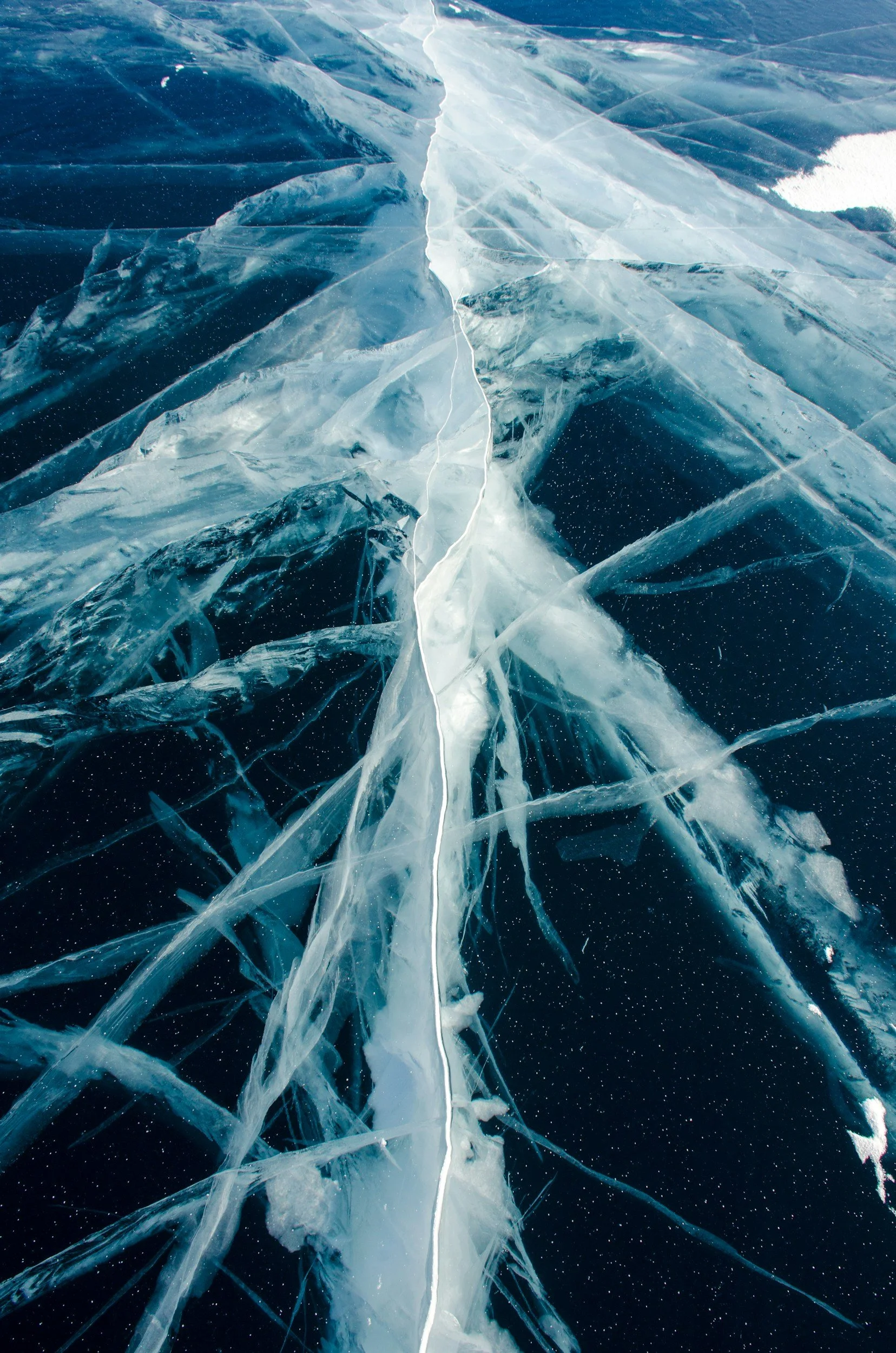
Read MoreLake Baikal illustrates how environmental vulnerability becomes intertwined with political and institutional constraints. Despite its global significance, the Lake’s protection remains hindered by fragmented authority, shifting development priorities, and uneven enforcement—revealing broader tensions within Russia’s approach to environmental governance and long-term ecological stewardship.
Read More