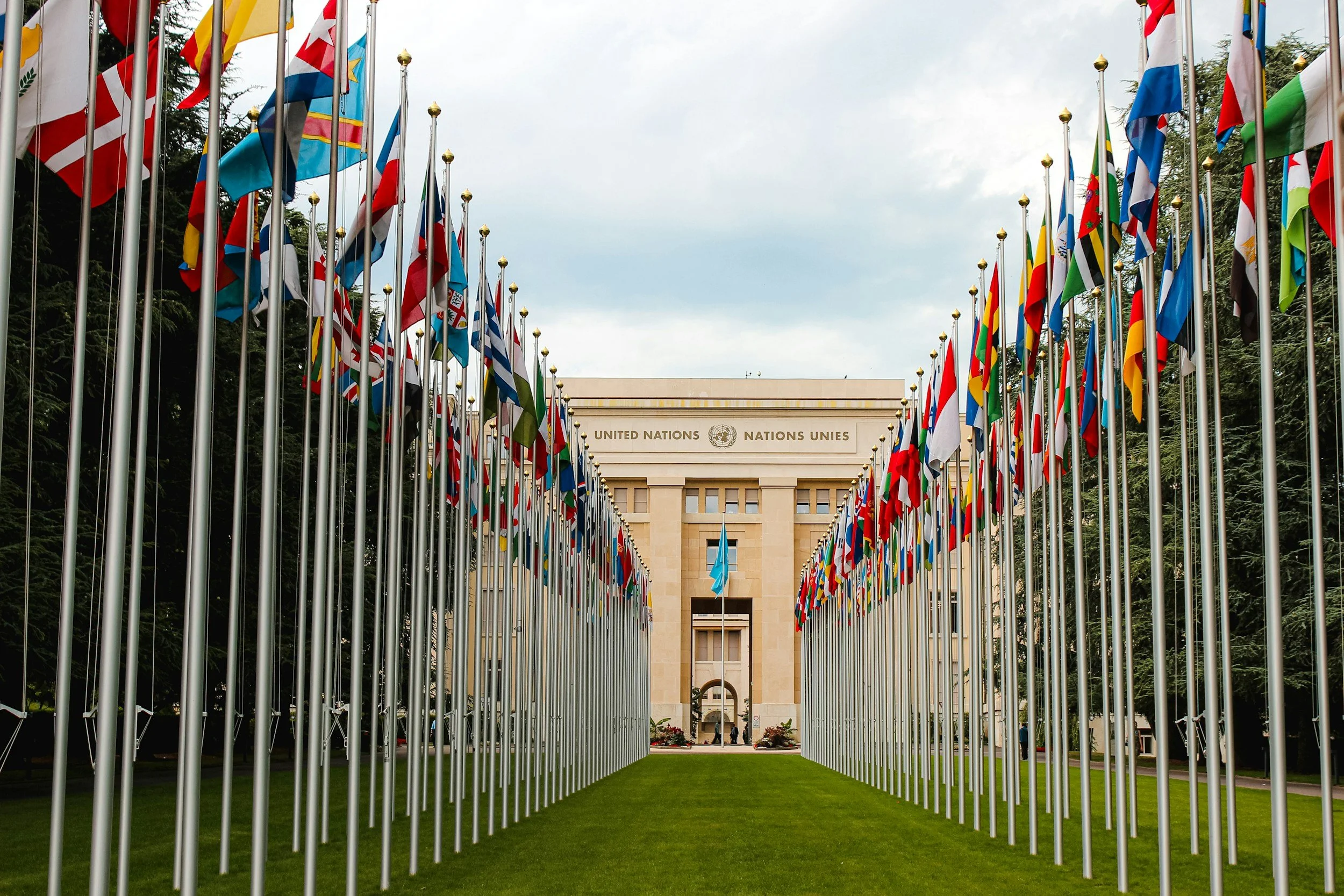
This competition among international organizations reveals as much about the multilateral system as it does about Libya: when mandates overlap, the system defaults to UN primacy rather than coordination, which risks crowding out the regional bodies it relies on for legitimacy, local knowledge, and burden-sharing.
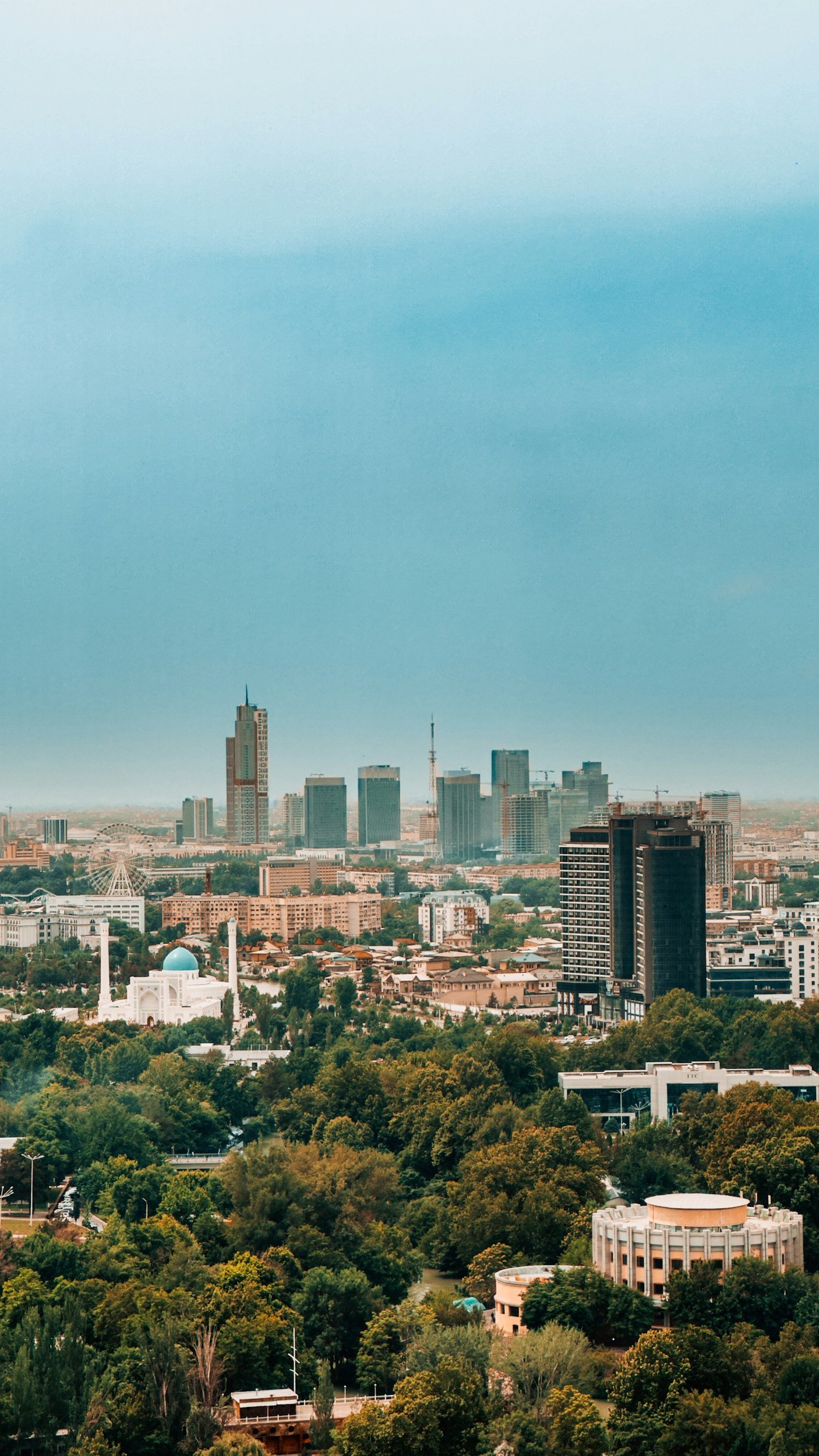
Read MoreUzbekistan is building its first nuclear power plant, in partnership with Russia. The country is expanding its infrastructure and workforce locally while building foreign partnerships, hoping to negotiate better terms for the plant without fully breaking away from Russia.
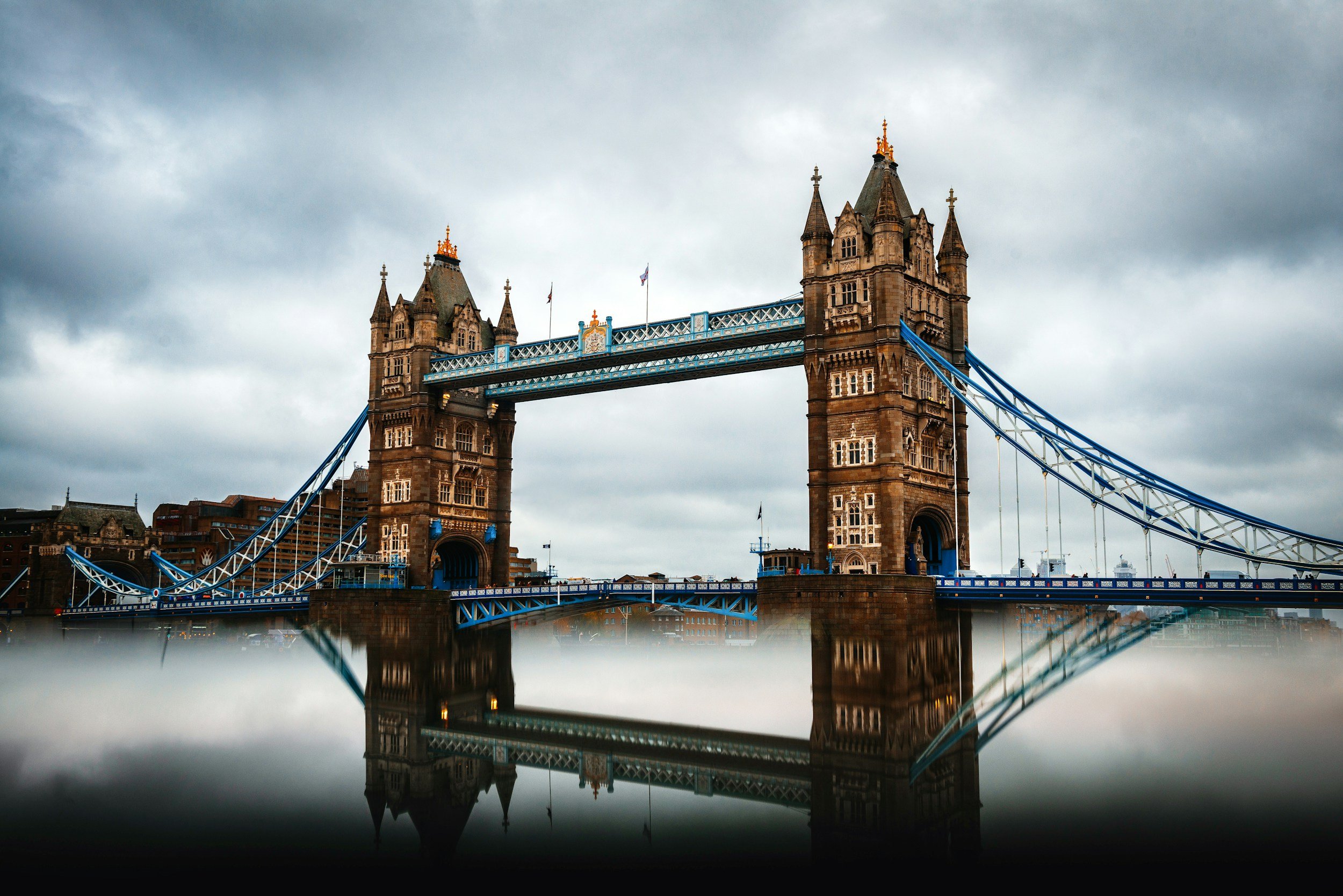
Read MoreBritain’s downturn in the aftermath of Brexit should serve as a reminder that economic policy is never purely just economic, because when it affects someone’s money, it affects everyone’s.
Read MoreEurope will not tariff its way out of dependence on China. The real problem is production: a continent-sized market still thinks, invests, and manufactures through fragmented national systems.
Read MoreWhile the mechanisms and laws that the Russian government uses to control its citizens have changed, the underlying pattern has not. Some journalists now call Russia’s method of digital surveillance a “cyber gulag,” drawing a parallel between the function once served by the labor camps and online monitoring. Where dissidents once risked exposure by passing along a hard copy of a banned text, expressing a similar sentiment today can be as simple and easily traced as one Telegram post.
Read MoreNew Mongolian Prime Minister Uchral Nyam-Osor is the third to hold the title in two years. The first several months of his term have shown promise; however, he will have to continue an aggressive pursuit of reform in order to prove more successful than his predecessors.
Read MoreThe international community has, predictably, focused on the Franco-Senegalese bilateral drama—the base withdrawals, the contract reviews, the rhetorical volleys between Dakar and Paris. These are worth tracking. But the more consequential story is the quieter one: whether Senegal's internal democratic institutions survive the government whose resilience helped bring it to power.
Read MoreSweden and Finland have both abandoned the principle of neutrality with their bids to join NATO, but the political and economic costs of full membership are far greater for Sweden.
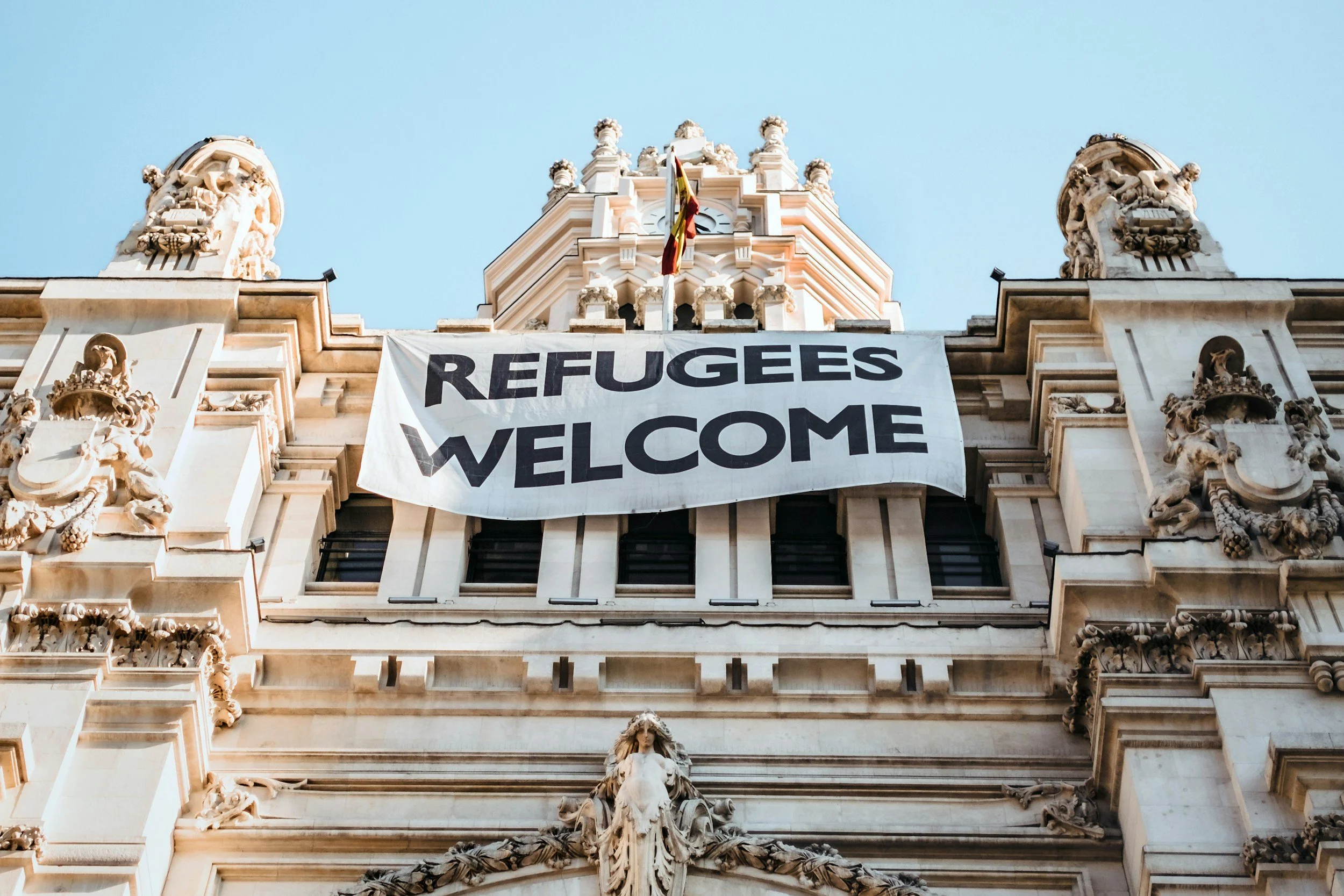
Read MoreEurope's securitized migration policies stem from post-Cold War defense industries' economic strategies, while its border externalization practices, including selling surveillance tech to authoritarian regimes, expose the profit-driven motives behind its migration management, challenging the prevailing "European liberal order" narrative.
Read MoreIn 2017, when the popular fitness app Strava released its Global Heatmap, at first, it seemed like a harmless engagement feature, perhaps a sort of Spotify Wrapped for runners. However, one observant Australian college student was the first to point out there might be more at play. Sure enough, analysts and academics soon confirmed that Strava’s gold mine of data posed an overlooked security risk, carrying implications far more consequential than exposing the most underrated running trail in town.
Read MoreThe 1985 eruption of Nevado del Ruiz buried several Colombian communities beneath deadly volcanic mudflows, killing more than 25,000 people and exposing the catastrophic failures in the country’s disaster preparedness. Nearly 40 years later, what can the tragedy of the eruption and destruction of Armero still teach us about disaster risk management and the consequences of ignoring scientific warnings?
Read MoreNations can be ripened through democratic institutions or still be raw and vulnerable to the negative impacts of an autocratic regime. This article explores the rise and fall of Nicolás Maduro Moros, the collapse of a previously booming petro-state, and the human cost of authoritarianism and its impact on democracy. The article examines the current international and Venezuelan hope for democratic renewal in a country caught between crisis and change.
Read MoreThe Darién Gap has emerged as a popular route for migrants traveling to the United States, with hundreds of thousands women, men and children attempting to make the dangerous journey. With the intention of reducing migration, the U.S. has partnered with Latin American governments to establish policies that halt migration before migrants reach the U.S.-Mexico border. The question remains, are these policies actually reducing migration, or are they simply pushing migrants to take more dangerous paths?
Read MoreFacing increasing threats, Japan and Korea share significant interests. Yet, the two countries rarely cooperate with each other, with tense diplomatic relations at a stalemate. Many scholars have attributed this to the rocky history between Japan and Korea, specifically during the colonial period and World War II. Through the examination of Japanese nationalism focused on identity and collective memory, this paper argues that the failures to resolve the historical problems as a result of the humiliation to the Japanese identity impedes East Asian state cooperation, which eventually leads to perpetual reliance on the United States and attempts at rearming.
Read MoreStates in South and Southeast Asia have found themselves increasingly dependent on oil traded through the Strait of Hormuz. With the ongoing conflict in the Middle East and the blockades in the Strait of Hormuz, energy shortages and reliance on coal have become the new trend. In an effort to rapidly secure energy for their people and to keep their economies up and running, these states are forced to turn to alternatives to oil and liquified natural gas, pushing the region into a new era of energy use.
Read MoreJapan’s longstanding emphasis of stakeholders in business decision making has shifted into one that is focused on pleasing shareholders through profitability. However, what are the legal mechanisms of doing so? This article analyzes the origins of the shift in corporate governance from stakeholder-oriented to shareholder oriented in response to increased global competition, as well as explores legal reforms indicative of such shift.
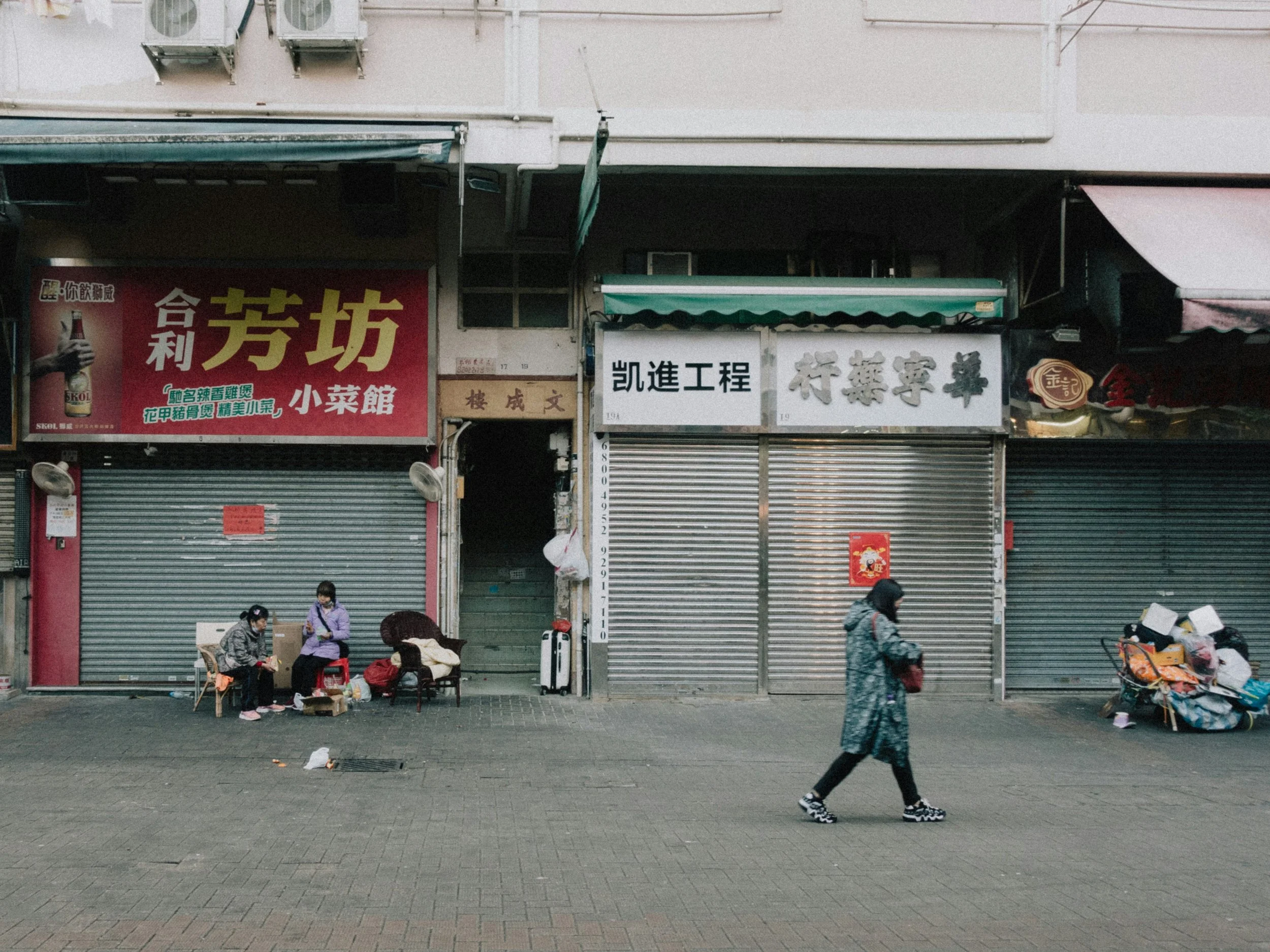
Read MoreSkyscrapers without residents, malls without shoppers—China’s “ghost cities” feel like urban mysteries frozen in time. Yet behind the silence lies a complex story of ambition, speculation, and long-term planning. Are these empty landscapes cautionary tales of overbuilding, or bold investments in a future population that has yet to arrive?
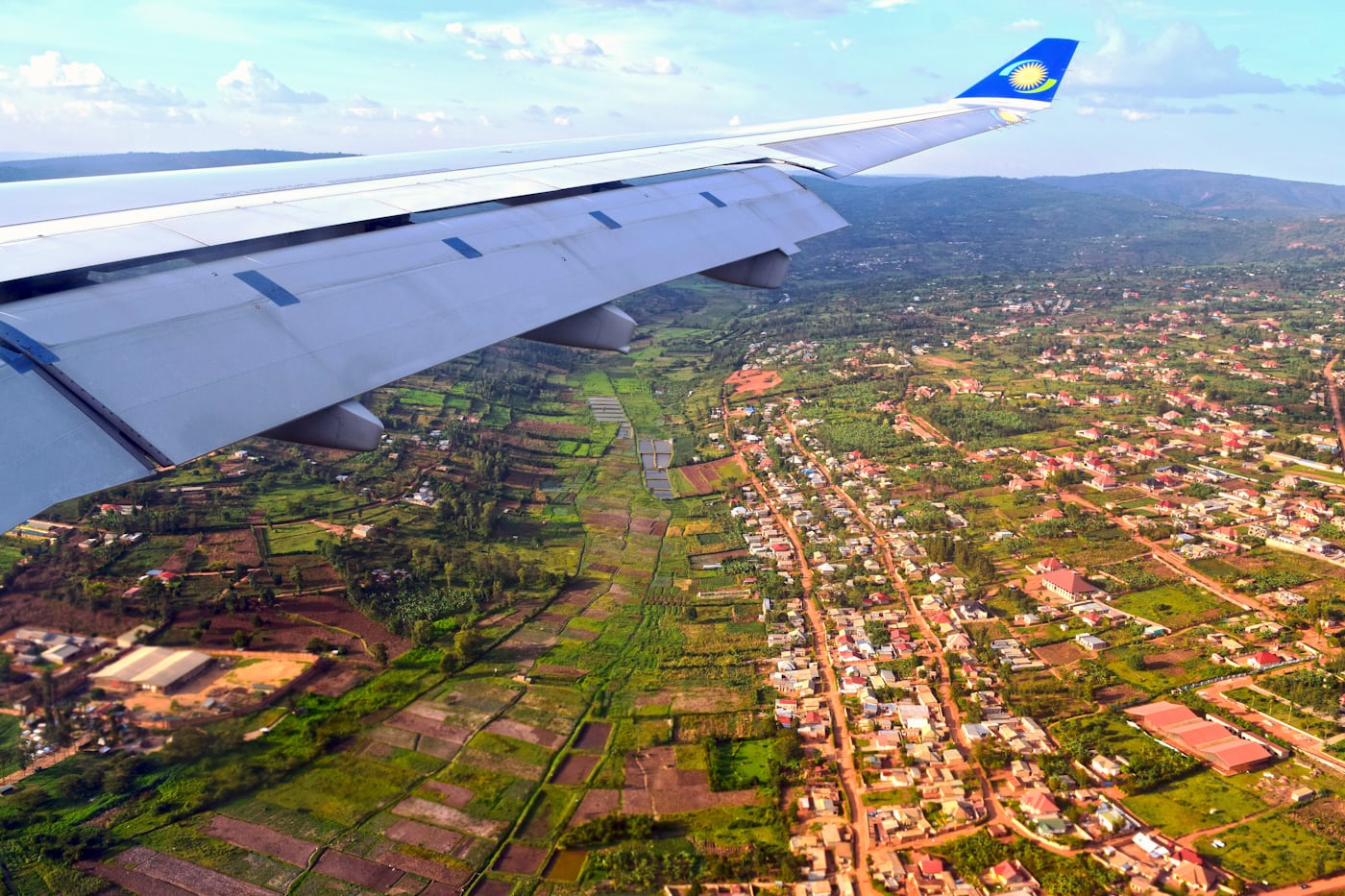
Read MoreAfter the Rwandan genocide, Rwanda has emerged as one of the world’s fastest growing economies, earning the title of the “Singapore of Africa.” However, this economic development has occurred alongside humanitarian violations and growing authoritarianism. The West’s response to human rights abuses in Rwanda has been limited, where meaningful action occurs only when mineral and economic interests in the region are threatened, most recently when the Trump administration applied sanctions.
Read MoreSince Nigerian independence in 1960, ethnic salience between the Igbo, Yoruba, and Hausa Fulani groups has prevented Nigerians from building a shared national identity. Subsequent government programs attempting to address this issue have faced uneven results, showing the limits of public policy in bridging highly salient ethnic divides. However, everyday cultural movements like the widespread consumption and celebration of Jollof Rice show a new means to nation-building that is contrary to popular political theory.
Read MoreThe growing presence of whistles in Amapiano, a genre central to South Africa’s global cultural influence, reflects more than a stylistic choice. Historically used in apartheid-era townships to signal danger and coordinate movement, the whistle was a tool of communication. Its use in contemporary music suggests not a break from the past but a transformation of it.
Read More